
In Singapore’s tropical climate, where parked vehicles are routinely subjected to intense solar radiation, maintaining a pleasant cabin environment is a constant challenge. When a car is left in an open-air surface carpark or on the top deck of an HDB multi-storey carpark, interior temperatures can easily surge past 60°C within an hour. For drivers who favor the clean, powdery, and sophisticated aroma of white musk, this extreme heat poses a practical problem: high temperatures accelerate the evaporation of fragrance compounds, turning a product meant to last a month into a faint memory within days. Choosing a long-lasting white musk air freshener requires understanding how different product formats interact with thermal energy and cabin airflow.
To secure a consistent scent profile that survives the local climate, you must look beyond the brand name and focus on the physical delivery mechanism. Solid gels, porous ceramic diffusers, and adjustable membrane systems are engineered to regulate fragrance release, making them far more resilient than traditional hanging paper cards or volatile liquid diffusers. By matching the right format to your parking habits and taking active steps to mitigate cabin heat, you can enjoy a sustained white musk aroma without constantly purchasing replacements. This guide analyzes the science of scent depletion in tropical conditions and outlines how to select and maintain a heat-resistant car air freshener.
Core Criteria for Scent Longevity in Tropical Climates
To understand why some white musk air fresheners fail rapidly in Singapore, it is necessary to examine the relationship between ambient heat and molecular evaporation. When your car sits under the sun, the greenhouse effect traps infrared radiation inside the cabin, heating up the dashboard, seats, and air. As the temperature rises, the kinetic energy of the fragrance molecules increases, causing them to transition from a liquid or solid state into a gas at an accelerated rate. This rapid evaporation quickly saturates the cabin air, but it also depletes the air freshener’s reservoir prematurely, leaving little to no scent after a few hot afternoons.
Products mentioned in this guide

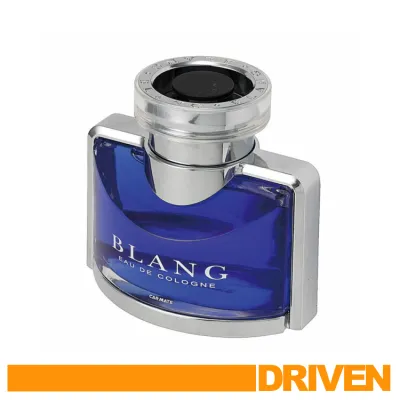
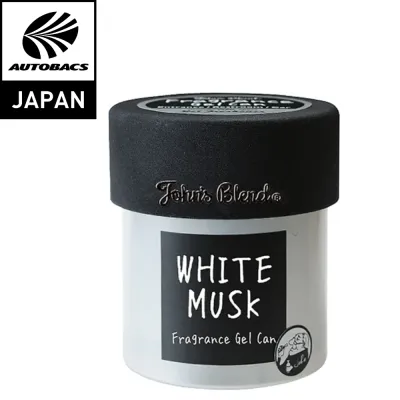
Prices are valid at publication and may change. Please refer to the product page for the latest price.
The chemical composition of the carrier medium plays a decisive role in how a fragrance behaves under these thermal stresses. Air fresheners rely on carrier solvents—typically alcohol, water, or specialized oils—to dissolve and disperse the fragrance compounds. Alcohol-based carriers are highly volatile and evaporate rapidly even at room temperature; when exposed to cabin heat, they flash off almost instantly, creating an overwhelming burst of scent followed by total depletion. In contrast, high-quality oil-based carriers or solid polymer matrices have much higher boiling points, allowing them to retain the fragrance molecules and release them at a controlled, gradual pace despite elevated ambient temperatures.
Furthermore, the molecular structure of the scent itself influences its longevity. White musk is fundamentally a synthetic compound designed to mimic natural musk, consisting of heavy, complex molecules classified as base notes. These molecules have low volatility and naturally cling to interior surfaces, which gives white musk an inherent advantage over lighter citrus or floral top notes. However, if the carrier solvent evaporates too quickly, these heavy musk molecules can become trapped in a dried-out crust on the surface of the air freshener, preventing the remaining scent from escaping. A truly heat-resistant product must balance the heavy molecular weight of white musk with a stable, slow-evaporating carrier system that keeps the formulation active.
Comparing Air Freshener Formats for Heat Resistance
Selecting the right physical format is the most effective way to ensure your white musk fragrance survives the local heat. Different designs utilize distinct methods to control scent release, and their performance varies dramatically when exposed to sustained high temperatures.

Vent Clips
Vent clips are designed to clip directly onto your car’s air conditioning blades, utilizing the active airflow of the ventilation system to distribute the scent. While highly effective when the air conditioning is running, their performance in a parked car depends heavily on their design. Liquid-filled vent clips can experience rapid passive evaporation when parked in the sun, as the stagnant hot air inside the cabin still circulates around the vents. Additionally, if the vent clip lacks an adjustable shutter, the continuous exposure to heat will deplete the reservoir quickly, regardless of whether you are driving or parked.
Hanging Cards and Paper Formats
Hanging paper cards are the most common and economical format, but they offer the lowest resistance to tropical heat. These products consist of cardboard infused with fragrance oils and solvents, leaving the entire surface area completely exposed to the air. When hung from the rearview mirror, they are positioned directly behind the windshield, placing them in the path of maximum solar radiation and UV exposure. The combination of direct sunlight and high surface area causes the fragrance to evaporate rapidly, often exhausting the scent within a week of parking in unshaded areas.
Solid Gels and Ceramic Diffusers
For drivers seeking maximum longevity, solid gels and ceramic diffusers represent the most stable options. Solid gel air fresheners utilize a polymer matrix that traps fragrance oils within a dense network, releasing them slowly as the gel gradually shrinks over time. This physical barrier prevents the rapid, uncontrolled evaporation common in liquid systems. Ceramic diffusers work on a similar principle, utilizing a highly porous, baked clay or ceramic element that absorbs fragrance oils and releases them through capillary action. Because ceramic is completely unaffected by cabin temperatures, it provides an exceptionally stable, heat-resistant medium that prevents the fragrance from dumping all at once during peak afternoon heat.
Liquid Diffusers
Liquid diffusers, often housed in glass bottles with wooden screw-on caps or porous wicks, rely on the wood or wick to draw up the liquid fragrance via capillary action. While they provide a strong and consistent scent profile, they carry significant risks in hot climates. Extreme heat causes the liquid inside the glass bottle to expand, which can build up pressure and lead to leaks or overflows. If the concentrated fragrance oil drips onto dashboard plastics, leather upholstery, or sensitive electronic components, it can cause permanent bubbling, peeling, or chemical degradation of the interior materials.
Essential Specifications to Verify Before Purchasing
Before purchasing a white musk air freshener, it is crucial to verify specific product details and labels to ensure the item is engineered to withstand high-temperature environments. Do not rely solely on generic marketing claims of long-lasting performance; instead, look for concrete design features and specifications.
First, review the product description for indications of heat-stable formulations. High-quality automotive air fresheners are specifically formulated to handle the thermal cycles of a vehicle cabin, utilizing synthetic polymers or high-flashpoint carrier oils that do not break down or evaporate excessively at temperatures up to 70°C. Avoid products designed primarily for home use, such as standard reed diffuser refills or room sprays, as these are formulated for stable, air-conditioned indoor environments and will degrade rapidly if placed inside a hot car.
Second, prioritize products that feature adjustable flow or coverage controls. Many gel canisters, vent clips, and membrane diffusers include mechanical shutters, rotating lids, or adjustable vents that allow you to physically restrict the exposed surface area of the fragrance medium. In Singapore’s intense heat, keeping these vents partially closed can significantly extend the lifespan of the product without sacrificing scent quality, as the concentrated aroma will still easily fill the compact cabin space.
Finally, carefully evaluate the mounting mechanism and material safety guidelines of the product. Ensure that any adhesive pads, suction cups, or mounting clips are rated for high-temperature automotive use. Low-grade adhesives can melt under direct sunlight, leaving a sticky, difficult-to-remove residue on your dashboard or windshield. If you choose a vent clip, verify that the clip is coated in soft, heat-resistant silicone or rubber to prevent it from scratching or cracking the delicate plastic blades of your air vents as they expand and contract with temperature changes.
Practical Maintenance to Maximize Scent Duration
Even the most heat-resistant white musk air freshener will deplete prematurely without proper care and strategic cabin management. Implementing a few simple habits can drastically reduce peak cabin temperatures and extend the life of your fragrance.
Strategic Parking and Sun Protection
The most effective way to preserve your air freshener is to minimize the thermal load on your vehicle. Whenever possible, opt for sheltered parking spaces, such as basement carparks or the lower levels of multi-storey carparks, to shield your car from direct solar radiation. If you must park in an open-air lot, always install a high-quality, reflective windshield sunshade. By blocking sunlight from entering through the front glass, a sunshade can lower peak dashboard temperatures by up to 20°C, directly protecting your air freshener from extreme thermal degradation.
Optimizing Air Conditioning and Placement
When entering a hot car, do not immediately blast the air conditioning directly onto a vent-mounted air freshener. Instead, roll down the windows for the first minute of driving to allow the trapped hot air to escape naturally, which cools the cabin much faster and reduces the thermal shock to your fragrance product. Additionally, consider the physical placement of your air freshener. Keep gel canisters or diffusers out of direct sunlight; placing them in a shaded cup holder, under a seat, or in a door pocket keeps them cooler and ensures a slower, more uniform evaporation rate.
Monitoring and Replacing the Product
Over time, continuous exposure to heat and UV light will inevitably cause any air freshener to degrade. Regularly inspect your product for physical signs of deterioration. If a solid gel has shrunk to a fraction of its original size, turned dark brown, or begun to emit a sour, chemical odor rather than a clean white musk, the fragrance oils have oxidized and the product should be replaced. For liquid or wick-based systems, check for any signs of weeping or condensation around the cap to prevent accidental spills on your car’s interior surfaces.
Frequently Asked Questions (FAQ)
Can extreme heat alter the smell of white musk fragrances?
Yes, extreme heat can significantly alter the scent profile of white musk fragrances. White musk is composed of various synthetic aromatic compounds, some of which are more sensitive to thermal exposure than others. When subjected to high cabin temperatures, the lighter, more delicate top notes of the fragrance blend can break down chemically or evaporate too quickly, leaving behind only the heavier, less balanced base compounds. This thermal degradation can cause the fragrance to lose its clean, powdery, and subtle characteristics, resulting in a harsh, overly sweet, or metallic smell that no longer resembles the original scent profile.
Are solid gel air fresheners safer for car interiors than liquid ones?
Solid gel air fresheners are substantially safer for car interiors than liquid diffusers, especially in hot climates. Liquid air fresheners contain concentrated fragrance oils and chemical solvents that can act as mild solvents themselves. If a liquid diffuser leaks, overflows due to thermal expansion, or spills during sudden braking, the liquid can quickly dissolve the protective coatings on dashboard plastics, cause leather upholstery to bubble and peel, or short-circuit electronic components. Solid gels, on the other hand, do not spill, leak, or drip even if the container is tipped over or subjected to high heat, completely eliminating the risk of chemical damage to your vehicle’s cabin.
How often should I replace my car air freshener in a tropical climate?
Rather than relying on a strict calendar schedule, you should determine replacement intervals based on observable visual and olfactory cues. In Singapore’s hot and humid climate, a standard air freshener’s effective lifespan is highly variable. You should replace the product when the white musk scent is no longer noticeable after the air conditioning has been running for a few minutes, or when the physical medium shows clear signs of depletion. For solid gels, this is indicated by extreme shrinkage and hardening; for ceramic diffusers, it is when the porous element stops releasing scent even after the cabin has cooled down. On average, expect to replace high-exposure formats more frequently than shaded, solid-state formats.

Community discussion
Share your experience or ask a question. Comments are reviewed before publication.