
Navigating dense urban traffic, merging onto fast-paced expressways, or squeezing into tight parallel parking spots requires clear, unobstructed side visibility. Standard factory side mirrors often leave significant blind spots where adjacent vehicles can completely disappear from view. Adding a wide angle mirror is one of the most effective ways to eliminate these dangerous blind spots and improve your overall situational awareness on the road.
The right wide angle mirror for your vehicle depends on whether you want a quick, reversible fix or a seamless, permanently integrated upgrade. While simple adhesive options offer an immediate, low-cost solution, more permanent replacements provide a clean, factory-like aesthetic without compromising your vehicle’s existing aerodynamic profile. Understanding the distinct differences in installation complexity, cost, and physical compatibility will help you select the ideal mirror type for your specific driving needs.
Quick Diagnostic: Matching Mirror Types to Your Needs
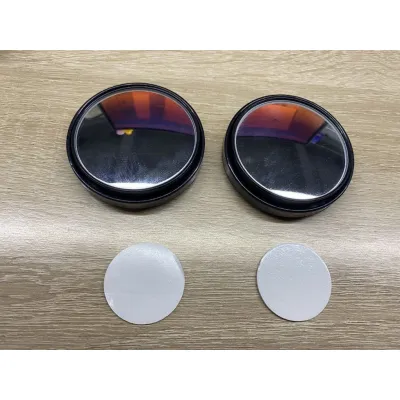
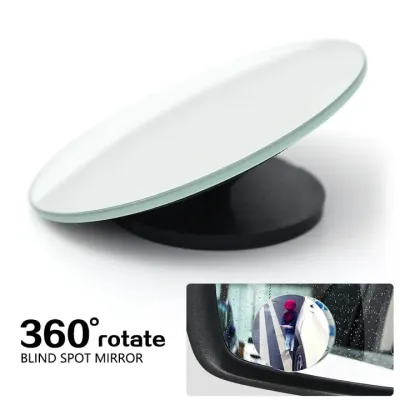
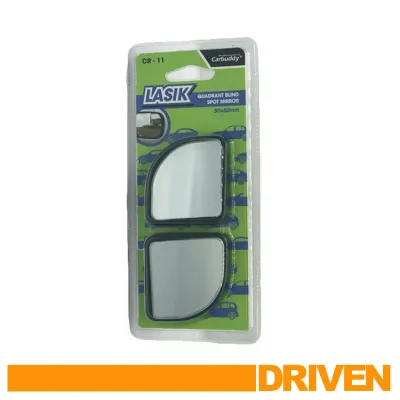
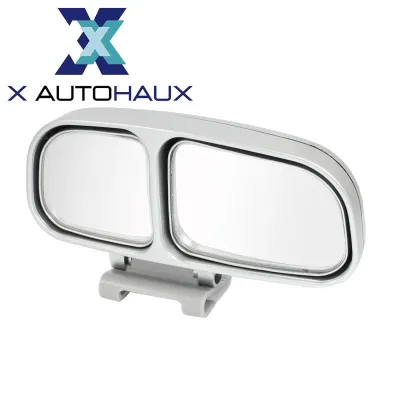
Choosing the right wide angle mirror requires balancing your budget, aesthetic preferences, and installation comfort. For drivers seeking a fast, highly affordable, and completely reversible solution to target specific blind spots, stick-on convex mirrors are the most practical choice. These compact additions attach directly to your existing mirror glass and typically cost under S$10 to S$15 per pair. Alternatively, clip-on panoramic mirrors attach over your interior rearview mirror, making them an excellent choice for family SUVs or vans where passengers or cargo frequently block the rear window.
Products mentioned in this guide
![[SG STOCK]2PCS Blind Spot Mirror Set | Wide Angle Round Convex Rearview Auxiliary Mirrors for Car Reversing & Safety](https://img.lazcdn.com/g/p/b645ffc682f7c80ff3a364723c3a30df.jpg_400x400q80.jpg_.webp)

Prices are valid at publication and may change. Please refer to the product page for the latest price.
If you prioritize a clean, original equipment manufacturer (OEM) appearance and maximum field of view, frameless glass replacements or full housing replacements are the superior option. These permanent upgrades replace your factory glass with aspherical or wide-angle curved glass, eliminating the cluttered look of add-on mirrors while preventing wind-induced vibrations at highway speeds. However, the best choice ultimately depends on your vehicle’s existing mirror features. If your car has power-folding mirrors, integrated heating elements, or blind-spot monitoring sensors, you must ensure your chosen upgrade is fully compatible with these electronic systems before purchasing.
Step 1: Assess Your Blind Spots and Current Setup
Before purchasing any aftermarket mirror, perform a practical self-diagnosis of your vehicle’s current visibility gaps. Sit in your normal driving position and adjust your side mirrors so that you can just barely see the rear edge of your own car. Have a helper walk slowly from the rear of your vehicle outward into the adjacent lanes, noting the exact moments they disappear from both your rearview mirror and side mirrors. This exercise identifies your physical blind spots—typically located around the B-pillars and rear-quarter panels—where passing motorcycles or compact cars are most easily missed.

Next, evaluate the technical specifications of your existing side mirror assemblies. Modern vehicles feature complex, integrated electronics that can complicate aftermarket modifications. Determine whether your mirrors are manual or power-folding. Power-folding mirrors rely on precise internal electric motors; adding heavy, bulky clip-on accessories can strain these motor mechanisms, potentially leading to gear damage or failure over time. You must also check for integrated turn signals on the outer housing, auto-dimming electrochromic layers, or heating elements designed to clear condensation during heavy tropical downpours.
Replacing your mirror glass requires matching the exact electrical connector pin configurations of these factory features. If your vehicle is equipped with an active blind-spot monitoring (BSM) system, the warning indicators are often etched directly into the factory glass. Swapping this glass for an incompatible aftermarket wide-angle mirror will disable these active safety alerts. Finally, use a tape measure to record the precise height, width, and depth of your mirror housing to ensure any replacement glass fits perfectly within the factory bezel.
Step 2: Compare Wide Angle Mirror Types
Stick-On and Clip-On Mirrors (Quick & Reversible)
Stick-on convex mirrors are small, adhesive-backed lenses designed to mount directly onto your vehicle’s existing side mirror glass. Clip-on mirrors are larger, wider rearview mirrors that attach over your interior windshield mirror using spring-loaded clips or adjustable rubber straps. Both options represent the most accessible tier of wide-angle upgrades.
The primary advantage of these add-on solutions is their exceptional ease of use and low cost. They require no specialized tools or technical expertise to install, taking only a few minutes to set up. Because they do not require dismantling any part of your vehicle, they are completely reversible. This makes them highly suitable for rental cars, car-sharing vehicles, or leased cars where permanent modifications are strictly prohibited.
However, these temporary options have clear physical and aesthetic drawbacks. Stick-on mirrors rely on double-sided automotive tape that is constantly exposed to changing weather conditions. In hot, humid climates with frequent heavy rain, this adhesive can degrade, causing the mirror to fall off over time. Removing them can also leave behind a stubborn, sticky residue that is difficult to clean without scratching the original glass. Clip-on interior mirrors add physical weight to the windshield mounting arm, which can cause the mirror to vibrate excessively at high speeds, blurring your rear view. They also add physical bulk to your cabin, which some drivers find visually distracting.
To minimize these drawbacks, proper placement of stick-on mirrors is essential. They should typically be placed in the outer lower corner or outer upper corner of your side mirror. This positioning ensures they capture the blind spot area while leaving the central portion of your primary mirror clear for normal lane tracking.
Frameless and Full Replacement Mirrors (Clean & Integrated)
Frameless glass replacements involve removing your factory side mirror glass from its plastic backing plate and snapping a new, wide-angle curved glass sheet in its place. These replacement glasses often feature a progressive aspherical design, where the inner portion of the glass is flat for accurate distance judgment and the outer edge curves outward to capture a wider field of view. Full housing replacements involve swapping the entire side mirror assembly, including the outer shell, mounting brackets, and internal motor gears.
The most significant benefit of these integrated upgrades is their clean, factory-like appearance. Because the wide-angle curvature is engineered directly into the glass, there are no awkward plastic pods or double-stacked mirrors cluttering your side view. These replacements offer a seamless, uninterrupted field of view across the entire surface of the mirror. Furthermore, because they mount directly to the factory motor assembly, they do not suffer from the wind-induced vibrations common with clip-on attachments, ensuring a stable, clear image even at highway speeds.
The trade-offs for this clean integration are higher cost and installation complexity. Premium aspherical replacement glass can range from S$40 to over S$100, while full housing replacements can cost several hundred dollars. Installation requires using plastic pry tools to carefully pop the original glass off its motor clips without cracking it. If your vehicle has heated mirrors or blind-spot sensors, you must carefully unplug the electrical wiring harnesses and reconnect them to the new glass.
Before purchasing, always check the manufacturer’s exact specifications to ensure the replacement glass curvature matches your vehicle’s specific model, year, and trim level. If you are uncomfortable working with delicate glass panels or electrical wiring, seek qualified professional installation at an automotive workshop to avoid damaging your vehicle’s electrical systems.
Step 3: Safety, Compatibility, and Installation Checks
Before installing any wide angle mirror, you must verify its safety boundaries and legal compliance. In Singapore, the Land Transport Authority (LTA) regulates vehicle modifications to ensure road safety. Any aftermarket mirror or attachment must not protrude past the maximum lateral limits of the vehicle’s bodywork or create sharp, jagged edges that could pose a hazard to pedestrians or motorcyclists. Furthermore, any added mirror must not obstruct the driver’s primary line of sight through the windshield or side windows.
When positioning stick-on blind spot mirrors, ensure they do not block your view of the lane directly adjacent to your car. The primary purpose of a wide angle mirror is to supplement your vision, not replace the main mirror’s function.
It is also crucial to adapt to the optical distortion inherent in convex wide angle mirrors. Because these mirrors curve outward to capture a broader field of view, they compress the image, causing objects to appear smaller and significantly further away than they actually are. This distortion can lead to dangerous misjudgments when merging or changing lanes. After installing a new wide angle mirror, spend time in a safe, stationary environment—such as an empty parking lot—to calibrate your depth perception. Place objects or have another vehicle park at known distances behind you, then look at how they appear in both your flat rearview mirror and your new wide angle mirror.
Finally, perform a comprehensive functional test immediately after installation. If you installed replacement glass, test the power-folding mechanism to ensure the new glass does not rub against the outer housing bezel. Turn on your mirror heaters and check that the glass warms up correctly. If your vehicle has an active blind-spot monitoring system, drive in a controlled environment to verify that the warning lights in the mirror glass illuminate correctly when a vehicle enters your blind spot. If you are uncomfortable working with electrical wiring or prying off delicate glass panels, seek qualified professional installation at an authorized automotive workshop to avoid damaging your vehicle’s electrical systems or voiding your warranty.
Frequently Asked Questions (FAQ)
Are stick-on wide angle mirrors legal?
Yes, stick-on wide angle mirrors are generally legal, provided they are installed correctly. They must be securely attached to the existing side mirror glass and must not protrude beyond the vehicle’s original body dimensions. Additionally, they must not obstruct the driver’s clear view of the road or create any sharp, hazardous projections. To ensure compliance with local standards, such as those set by the Land Transport Authority (LTA) in Singapore, choose compact, low-profile stick-on mirrors that fit entirely within the boundary of your factory mirror housing.
Do wide angle mirrors make objects look further away?
Yes, wide angle mirrors use convex glass, which curves outward to capture a broader field of view. This curvature compresses the light reflecting off the mirror, making objects appear smaller and further away than they actually are. Because of this optical distortion, you should never rely solely on a wide angle mirror to judge distance when changing lanes. Instead, use your vehicle’s flat or standard rearview mirrors to determine the exact distance and speed of trailing vehicles, and use the wide angle mirror strictly to detect the presence of vehicles in your blind spots.
Community discussion
Share your experience or ask a question. Comments are reviewed before publication.