
The type of tire repair patch you need depends entirely on the location, size, and angle of the puncture. For a reliable, permanent repair on a standard passenger car tire, a combination plug-patch (often called a mushroom patch) is the industry standard because it seals the inner liner and fills the physical hole. Temporary external string plugs are only suitable for emergency roadside situations to get you to a nearby workshop, while simple flat patches are insufficient on their own because they leave the physical puncture channel open to moisture and road debris.
Assess Your Tire Damage Before Choosing a Patch
Before purchasing any repair materials or heading to a workshop, you must perform a thorough inspection of the damaged tire. The first and most critical step is locating the puncture. A tire is divided into distinct zones: the crown (the central tread area), the shoulder (the transition zone between the tread and the sidewall), and the sidewall itself. Only punctures located within the central tread area—typically defined as the area between the outermost major circumferential grooves—are candidates for repair.
Next, you must measure the physical size of the puncture. For passenger car tires, standard safety guidelines restrict repairs to punctures that are 6 millimetres or less in diameter. If a nail, screw, or piece of road debris has torn a hole larger than this limit, the structural steel belts within the tire have likely suffered significant damage. A patch cannot restore the structural integrity of severed steel cords, and attempting to repair such damage compromises your safety on the road.
Products mentioned in this guide
Prices are valid at publication and may change. Please refer to the product page for the latest price.
You also need to evaluate the overall condition of the tire footprint and the remaining tread depth. In tropical climates like Singapore, where sudden downpours can lead to wet roads and standing water, tread depth is vital for maintaining traction and preventing hydroplaning. If your tire’s tread depth is close to or below the legal limit of 1.6 millimetres, or if the tread shows uneven wear patterns, investing in a repair is impractical. In such cases, replacing the tire is the most practical and secure decision.
Finally, consider the history of the tire. Check for any previous repairs. Multiple punctures can be repaired on a single tire, but they must meet strict spacing requirements. Generally, repairs must not overlap, and they should be spaced a certain distance apart—typically at least 90 to 180 degrees from each other, depending on the manufacturer’s specifications. If the new puncture is too close to an existing patch, the structural integrity of that section of the tire is compromised, making replacement mandatory.
Compare the Three Main Tire Repair Methods
Understanding the differences between the three primary tire repair methods is essential for making an informed decision. These methods vary significantly in their application, structural integrity, and long-term safety profiles.

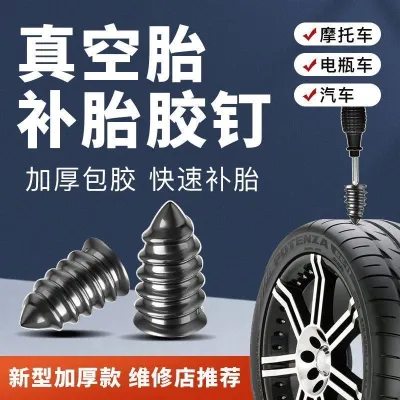
Tire plugs, commonly referred to as string plugs, are external repair kits consisting of a sticky, rubber-coated cord and an insertion tool. This method does not require you to remove the tire from the wheel rim. You simply ream the hole to clean it, insert the plug using the tool, and trim the excess. While highly convenient for roadside emergencies, string plugs are strictly temporary. Because the tire is not dismounted, there is no way to inspect the internal cavity for hidden damage, and the plug does not create a reliable, airtight seal on the inner liner.
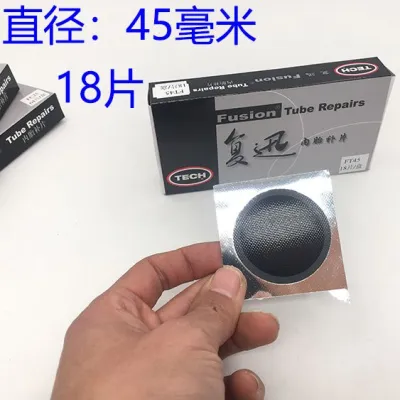
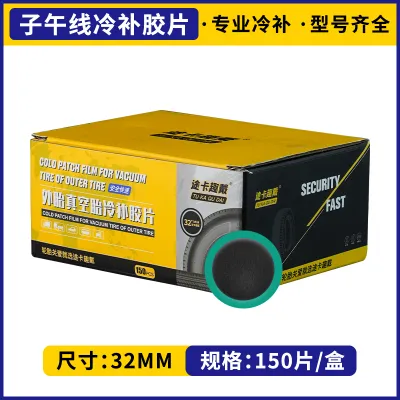
Internal patches, or cold patches, are flat rubber discs applied directly to the inside of the tire. This method requires a professional to dismount the tire from the wheel. The technician buffs the inner liner around the puncture, applies a chemical vulcanizing fluid, and rolls the patch over the injury. While this successfully seals the inner liner to prevent air from escaping, it leaves the physical puncture channel through the tread and steel belts completely open. Moisture, road salt, and debris can enter the open channel from the outside, eventually rusting the steel belts and causing tread separation.
Combination plug-patches, widely known as mushroom plugs, combine the benefits of both plugs and patches into a single unit. This repair consists of a rubber stem attached to a circular or square patch base. Like the internal patch, this method requires dismounting the tire. The technician prepares the inner liner, applies vulcanizing cement, and pulls the rubber stem through the puncture from the inside out until the patch base sits flush against the inner liner. The stem fills and seals the puncture channel, while the patch base seals the inner liner, providing a highly reliable and industry-approved permanent repair.
Match the Repair Type to Your Puncture Profile
Selecting the right repair method requires matching your initial damage assessment to the appropriate technical solution. A structured decision framework ensures you do not compromise on safety while avoiding unnecessary replacement costs.
For standard punctures caused by common road debris like nails or screws—where the damage is under 6 millimetres, located in the central tread, and relatively straight—the combination plug-patch is the recommended standard. This method addresses both critical aspects of tire repair: keeping the air inside the tire and keeping moisture out of the internal steel structure. Most professional tire shops and manufacturers mandate this method for any permanent repair.
If you experience a flat tire on a highway or far from a service station, an external string plug is an acceptable temporary measure. It allows you to inflate the tire and drive safely at moderate speeds to the nearest professional workshop. However, you must treat this as a stopgap solution. Once you reach a service center, the tire must be demounted, inspected internally, and repaired permanently using a combination plug-patch, or replaced if the internal inspection reveals hidden damage.
The angle of the puncture also dictates the repair type. If a nail enters the tire at a severe angle (typically greater than 15 to 25 degrees), a standard one-piece combination plug-patch may bend or stress the stem, leading to premature failure. In these specific scenarios, a professional technician may use a two-piece repair system. This involves filling the angled channel with a specialized rubber stem and sealing the inner liner with a separate patch, ensuring both components sit correctly without structural strain.
Critical Safety Limits: When You Must Replace the Tire
There are strict safety boundaries where no patch type is acceptable, and attempting a repair poses a severe risk of sudden tire failure or blowout. Recognizing these limits is crucial for your safety and the safety of other road users.
The most critical non-repairable zone is the tire sidewall and shoulder. The sidewall experiences continuous flexing and high heat generation as the tire rotates and supports the vehicle’s weight. Any patch applied to this area will quickly work itself loose due to this constant movement. Furthermore, the shoulder area contains the transition of the steel belts, making it highly sensitive to structural disruptions. Punctures in these zones cannot be safely repaired under any circumstances; the tire must be replaced immediately.
You must also look for signs of internal structural damage that are only visible once the tire is demounted. If a tire has been driven on while severely underinflated or flat—even for a short distance—the sidewall can collapse. This causes the rim to pinch the rubber, grinding the inner liner into a fine black powder. If a technician finds this rubber dust inside the tire cavity, or observes a distinct crease or discoloration on the inner sidewall, the tire’s internal structure is ruined, and it must be discarded.
Other clear indicators for immediate replacement include bulges, bubbles, or blisters on the sidewall, which signal that air has penetrated the inner liner and is pushing against the outer rubber layer. Large tears, cuts that expose the steel cords, or punctures that run parallel to the tread are also non-repairable. Always consult a certified tire professional to inspect the internal casing integrity, and strictly follow your vehicle manufacturer’s original instructions regarding tire repairs and speed rating preservation.
Frequently Asked Questions (FAQ)
Is an external tire plug safe for long-term driving?
No, an external string plug is not safe for long-term driving. While it can successfully hold air pressure for a limited time, it does not seal the inner liner of the tire reliably, nor does it prevent moisture from entering the puncture channel from the outside. Over time, water can seep along the plug and reach the internal steel belts, leading to rust, corrosion, and eventual tread separation. Additionally, because the tire is not dismounted for a plug installation, any internal damage caused by driving on low pressure remains undetected, posing a significant safety risk.
Can a combination patch be applied to a run-flat tire?
Whether a combination patch can be applied to a run-flat tire depends strictly on the tire manufacturer’s guidelines and a thorough professional inspection. Some manufacturers permit a single repair in the central tread area, while others strictly prohibit any repairs on run-flat tires. If the tire was driven on while completely deflated, the reinforced sidewalls may have sustained severe structural fatigue that is difficult to detect visually. Always consult the specific tire manufacturer’s documentation and have a certified professional inspect the internal casing before attempting any repair.
Community discussion
Share your experience or ask a question. Comments are reviewed before publication.