
Choosing the right spoilers for your vehicle involves more than selecting an appealing design. The ideal style depends heavily on your car’s body shape—whether it is a sedan, hatchback, or SUV. A poorly matched spoiler can disrupt your car’s natural aerodynamic balance, create unwanted drag, and look visually out of place. By understanding how different spoiler designs interact with specific car body types, you can make an informed decision that enhances both the aesthetics and the physical profile of your vehicle.
Essential Fitment and Safety Checks Before You Buy
Physical compatibility is the absolute foundation of any exterior vehicle modification. Spoilers must be matched to the exact vehicle make, model, and production year; never assume a part fits based solely on a general body style. Even minor mid-generation facelifts can alter the curvature of a trunk lid or the shape of a roofline, rendering a generic part incompatible.
Before purchasing, consult your vehicle manufacturer’s guidelines regarding rear modifications to ensure structural integrity is not compromised. Adding weight or changing aerodynamic loads can strain trunk hinges, tailgate struts, or active electronic spoiler mechanisms. Splicing into electrical systems for integrated brake lights or drilling into sheet metal carries safety risks; therefore, always verify the safety boundaries and refer to original-vehicle instructions before attempting any installation.
Products mentioned in this guide
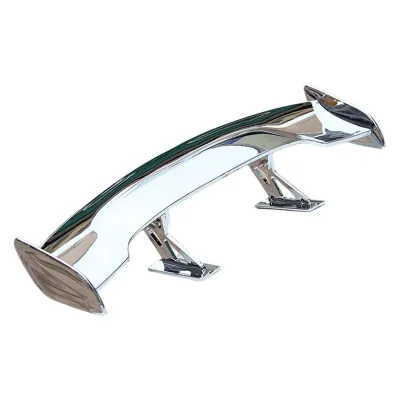
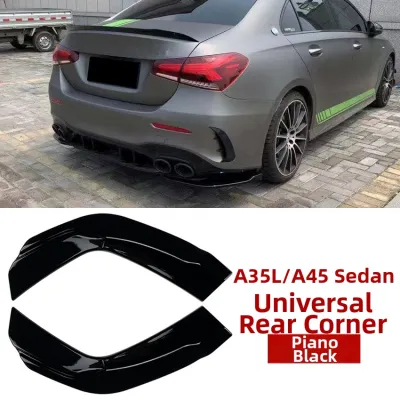
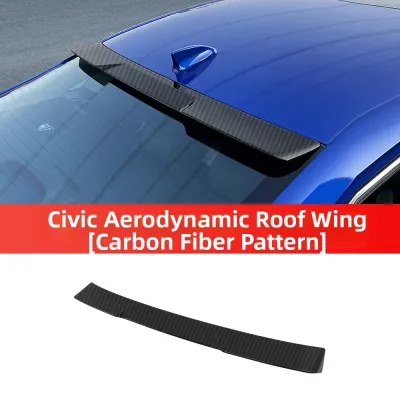
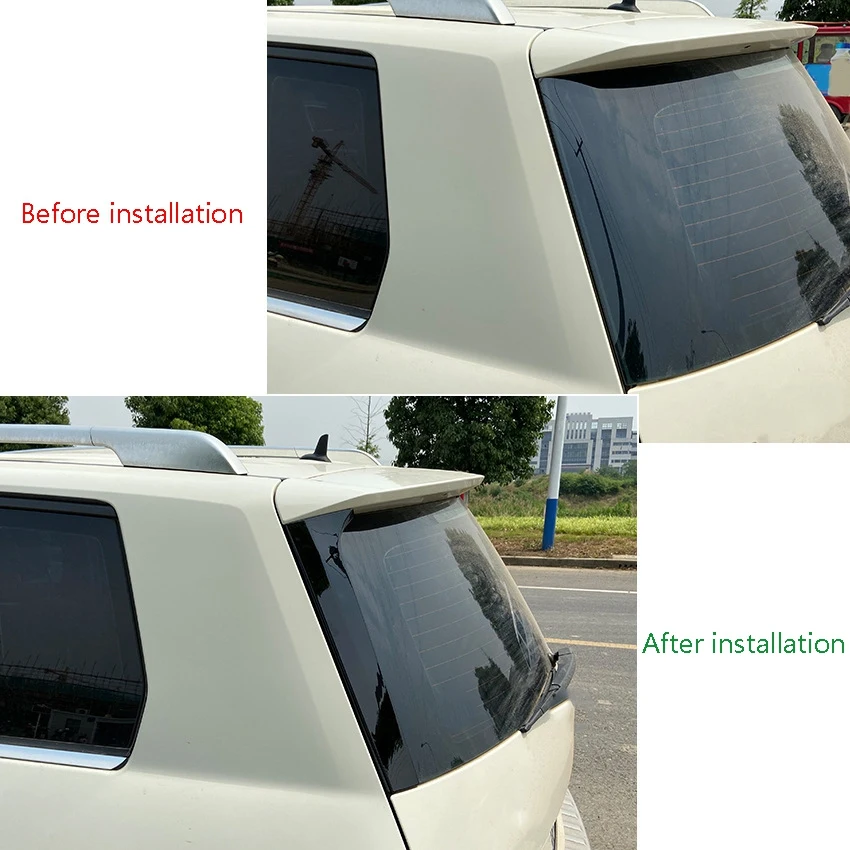
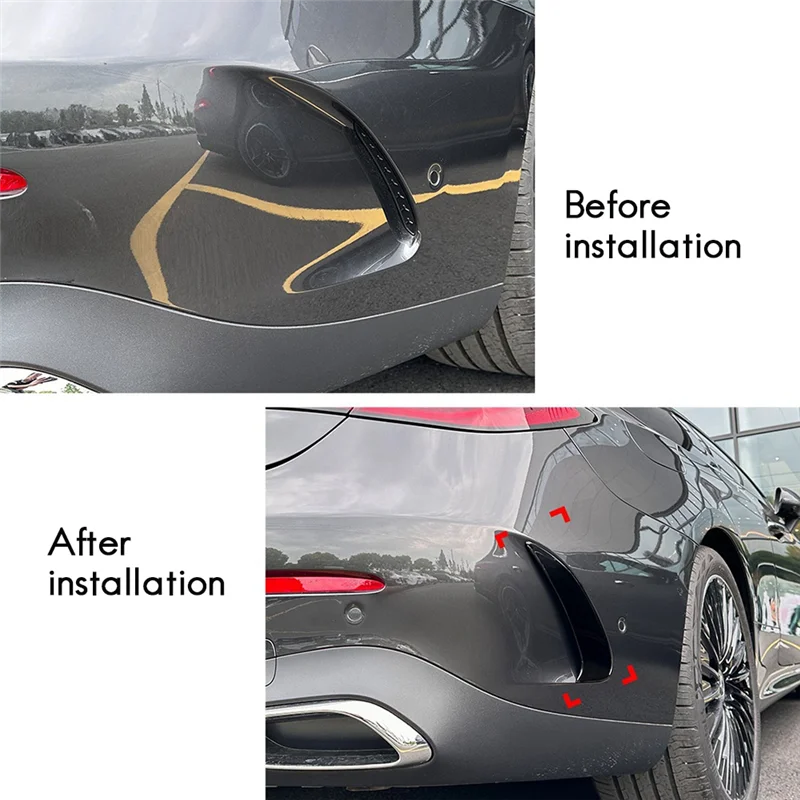
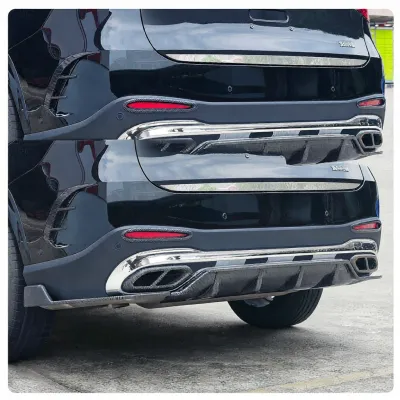
Prices are valid at publication and may change. Please refer to the product page for the latest price.
Additionally, local transport regulations dictate strict rules for aftermarket body parts. In Singapore, the Land Transport Authority (LTA) mandates that any exterior attachment must not protrude beyond the vehicle’s physical dimensions, must not have sharp edges, and must not obstruct the driver’s rearward vision. Verify these local rules and check your vehicle’s specific documentation before making a purchase.
Best Spoiler Styles for Sedans: Sleek and Proportional
Sedans feature a classic three-box design with a distinct trunk lid that naturally lends itself to low-profile aerodynamic enhancements. Lip spoilers and subtle trunk-lid spoilers are the most visually compatible choices for this body style. These designs sit flush against the trailing edge of the trunk, extending the vehicle’s natural lines without overpowering its clean, balanced proportions.

A lip spoiler integrates smoothly with the sedan’s sleek roofline, providing a subtle, sporty touch that looks like a factory-installed option. These low-profile designs manage the airflow separating from the rear of the vehicle, reducing the low-pressure pocket behind the trunk. This subtle management of air currents provides a clean look while maintaining the vehicle’s original design language.
Conversely, high-mounted, aggressive wings often clash with a sedan’s aerodynamic profile. These large structures can create unnecessary drag on commuter vehicles, leading to visual imbalance and potential aerodynamic inefficiency at normal road speeds. Large wings are typically designed for high-speed track environments and rarely translate well to daily driving.
When selecting a spoiler for a sedan, evaluate the trunk lid’s curvature and material. Modern trunks may be constructed from steel, aluminum, or composite materials, which affect how a spoiler can be securely mounted. Ensure the chosen accessory matches the precise contour of your trunk lid to guarantee a secure fit without requiring extensive modification or warping the panel.
Best Spoiler Styles for Hatchbacks: Roofline and Mid-Wings
Hatchbacks possess a distinct two-box silhouette characterized by an abrupt rear cutoff and a compact, upright stance. This sharp drop-off at the rear creates a large low-pressure wake, which can increase drag and pull dirt onto the rear window. Roofline extensions and mid-level wings are the ideal designs to counteract these challenges while enhancing the hatchback’s sporty look.
A roofline spoiler extends the roof’s trailing edge, helping to smooth airflow as it transitions over the back of the car, which can reduce the size of the turbulent wake. These extensions continue the roof’s natural line, making the vehicle appear longer and lower. This aerodynamic management helps keep the rear glass cleaner by directing airflow down and away from the window surface.
Mid-level wings, mounted lower on the hatch glass or just below the rear window, add a distinct rally-inspired aesthetic. These styles enhance the car’s aggressive, compact stance without looking disproportionately large, provided they are scaled correctly to the vehicle’s dimensions. They provide a unique visual break on the flat rear surface of the hatch.
However, hatchback owners must take practical clearances into account. Before finalizing a purchase, check the rear wiper clearance and the full range of the hatch opening mechanism. A spoiler that is too large or poorly positioned can strike the roof antenna, block the wiper arm, or restrict the tailgate from opening fully, causing physical damage over time.
Best Spoiler Styles for SUVs: Functional and Rugged
SUVs present unique challenges due to their taller, boxier proportions and higher ground clearance. For these vehicles, roof-mounted spoilers and tailgate lip spoilers serve as the primary styling options. Rather than aiming for high-speed downforce, these spoilers play a dual role in managing airflow to reduce rear-window dirt accumulation and adding a rugged, sporty aesthetic that complements the vehicle’s height.
By directing air downward across the rear glass, a well-designed roof spoiler helps keep road spray and dust from settling on the window during wet weather. This functional benefit is highly practical for utility vehicles that frequent dusty or wet roads. The visual addition of a roof spoiler also helps soften the boxy rear profile of larger SUVs.
Massive, track-style wings are visually incompatible with SUV proportions and can negatively impact the vehicle’s center of gravity and rear visibility. These oversized wings look out of place on a utility vehicle and can create aerodynamic instability at highway speeds. They can also add unnecessary weight to the highest point of the vehicle, which is counterproductive for handling.
When selecting an SUV spoiler, verify the location of roof rack mounting points and rear camera sightlines. It is crucial to ensure the new accessory does not block essential driving aids, such as the rear-view camera, or interfere with the operation of roof cargo systems. Always consult the product’s specific documentation to confirm compatibility with your SUV’s existing features.
The Truth About "Universal" and Cross-Model Spoilers
The market is filled with “universal” fitment options, but these products often come with significant trade-offs. The belief that a single, rigid spoiler can fit any vehicle is a myth; a part designed for a sedan’s flat trunk lid will not physically or visually align with the curved hatch of a hatchback or the broad roof of an SUV. Rigid spoilers rely on precise contact surfaces to distribute aerodynamic loads and maintain a secure bond with the vehicle body.
While flexible or adjustable wing options exist, they rarely match the specific curvature of your car’s trunk or roof perfectly. This mismatch leads to poor adhesion, uneven stress distribution, and potential safety risks, especially when traveling at highway speeds where wind resistance is high. A loose spoiler can detach entirely, posing a severe hazard to other road users.
To ensure physical integration, structural safety, and visual harmony, model-specific molding is required. Investing in a spoiler designed specifically for your car’s exact year, make, and model ensures that the mounting surfaces align perfectly and the aerodynamic forces are safely managed. This precise fitment minimizes the risk of paint damage and water ingress.
Installation, Road Legality, and Maintenance in Singapore
In Singapore, vehicle modifications are subject to strict oversight to ensure public safety on the roads. The Land Transport Authority (LTA) enforces clear regulations regarding aftermarket spoilers: they must not protrude beyond the outermost width or length of the vehicle, must not have sharp edges that could injure pedestrians, and must not obstruct the driver’s rearward view. If a spoiler includes an integrated high-mount stop lamp, it must be wired correctly to function in tandem with the vehicle’s braking system without causing electrical faults.
For any spoiler installation that requires drilling into the bodywork, structural adhesion, or electrical integration, professional installation is highly recommended. Professional installers have the specialized tools and experience to prevent water leaks, prevent rust formation on drilled metal, and ensure the adhesive bonds are applied under optimal conditions. Doing so protects your vehicle’s structural integrity and preserves any remaining manufacturer warranties.
Singapore’s tropical climate—characterized by high humidity, intense sunlight, and frequent heavy downpours—places extreme stress on exterior modifications. Regular maintenance is essential to prevent premature failure. Inspect mounting hardware periodically for signs of rust, and check adhesive bonds for any lifting or degradation. When cleaning, follow the manufacturer’s care instructions for the specific surface material, whether it is painted ABS plastic, polyurethane, or carbon fiber, to avoid clouding or scratching the finish.
Frequently Asked Questions (FAQ)
Do aftermarket spoilers actually improve fuel efficiency?
While spoilers are fundamentally designed to manage aerodynamics, adding an aftermarket part to a standard road car rarely yields measurable fuel savings. Most consumer-grade spoilers are designed primarily for aesthetic appeal rather than wind-tunnel-tested efficiency. In many cases, installing an aftermarket spoiler can actually increase the vehicle’s overall weight and aerodynamic drag, especially if the design is bulky or poorly aligned with the car’s natural airflow. To achieve genuine efficiency gains, a spoiler must be engineered and tested specifically for that exact vehicle model to minimize drag. For everyday driving, it is best to view an aftermarket spoiler as a visual upgrade rather than a fuel-saving modification.
Will adding a spoiler void my car's warranty?
Adding an aftermarket spoiler can affect your vehicle’s warranty, but it typically only impacts the specific areas modified during the installation. For example, drilling into the sheet metal of your trunk or tailgate to mount a spoiler will likely void the manufacturer’s warranty against rust or corrosion for that specific panel. Similarly, splicing into the vehicle’s wiring harness to power an integrated third brake light can void the electrical warranty if a fault occurs. The rest of the vehicle’s warranty, such as the engine or transmission coverage, generally remains unaffected unless the modification can be directly linked to a mechanical failure. Before proceeding with any permanent installation, consult your authorized dealer or review your warranty terms to understand the potential implications.
Community discussion
Share your experience or ask a question. Comments are reviewed before publication.