
Singapore’s tropical climate presents a relentless challenge for drivers. With average daily temperatures frequently climbing above 31°C and relative humidity levels regularly exceeding 80%, the interior of a vehicle can quickly become an oven. When a car is parked in an open-air carpark, such as those found throughout HDB estates, solar radiation passes through the glass windows and heats the cabin. This greenhouse effect can cause interior surfaces, particularly the seats, to reach temperatures far higher than the outside air.
When you return to your vehicle, sitting on a heat-soaked seat immediately transfers that stored thermal energy to your body. In high humidity, your body’s primary cooling mechanism—sweat evaporation—is severely compromised because the surrounding air is already saturated with moisture. To combat this discomfort, finding an effective car seat cushion cooling solution is essential for maintaining focus and comfort on the road.
In this context, “cooling” does not mean the material actively lowers the cabin temperature like an air conditioning unit. Instead, a cooling seat cover works passively by minimizing initial heat retention, promoting continuous air circulation between your body and the seat, and actively wicking moisture away. Choosing the right material can make the difference between a sweaty, sticky commute along the Pan Island Expressway (PIE) and a comfortable, dry drive.
Products mentioned in this guide

Prices are valid at publication and may change. Please refer to the product page for the latest price.
Leather vs. Fabric vs. Breathable Mesh: Which Car Seat Cushion Cooling Option is Best?
To find the most effective solution, we must compare the three most common seat cover materials: leather (both genuine and synthetic), standard woven fabric, and breathable mesh. Each material interacts differently with heat and humidity, offering distinct advantages and drawbacks for drivers in Singapore.
Leather and Synthetic Leather (PU/PVC)
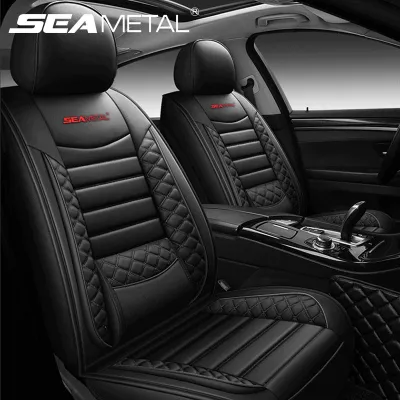
Leather and its synthetic counterparts, such as polyurethane (PU) and polyvinyl chloride (PVC), are highly popular in Singapore due to their premium appearance and ease of cleaning. However, from a thermal perspective, these materials are highly inefficient at keeping you cool. Leather is a dense, non-porous material that acts as a thermal battery, absorbing radiant heat from the sun and retaining it for long periods.
When you sit on a leather seat that has been exposed to the sun, the material quickly conducts that trapped heat directly to your back and thighs. Furthermore, because leather lacks breathability, it blocks any airflow between your body and the seat cushion. This lack of ventilation traps body heat, causing you to sweat almost immediately.
Because sweat cannot evaporate through a solid leather surface, the moisture remains trapped against your skin. This leads to the notoriously sticky, uncomfortable sensation that many local drivers experience during afternoon trips. Without built-in active ventilation systems that blow air through perforated leather, standard leather or synthetic leather seat covers remain the least effective option for passive cooling in a hot climate.
Standard Fabric and Cloth Blends
Standard woven fabrics and cloth blends offer a different set of thermal characteristics. Unlike leather, woven fabrics do not absorb radiant heat as aggressively when your car is parked in direct sunlight. When you first enter a hot vehicle, a fabric seat will generally feel significantly less scorching to the touch than a leather one.
The woven structure of cloth allows for a minor degree of natural air circulation, which helps dissipate initial body heat. This makes fabric a more forgiving choice for those who frequently park outdoors. However, fabric faces a significant drawback in Singapore’s high-humidity environment: moisture retention.
Standard fabrics act like a sponge, absorbing sweat from your body and moisture from the humid ambient air. Because the air in Singapore is already damp, this absorbed moisture evaporates very slowly. Over a long drive, the fabric can become damp and clammy, leading to a muggy seating surface and, eventually, unpleasant musty odors inside the cabin.
Breathable Mesh and 3D Air Mesh
Breathable mesh, particularly advanced 3D air mesh (often referred to as spacer fabric), represents the peak of passive cooling design. The defining feature of 3D air mesh is its unique three-dimensional structure. It consists of two layers of mesh separated by a middle layer of highly resilient micro-filaments.
This structural design creates a permanent physical gap of several millimeters between your body and the actual seat base. This gap acts as an open ventilation channel, allowing air to circulate freely beneath and behind you as you drive. Because the material is highly porous, it does not trap or store body heat, preventing the build-up of hot spots.
Additionally, synthetic mesh materials do not absorb moisture. Any sweat or humidity is quickly carried away by the continuous airflow, drying almost instantly. While mesh may lack the plush, soft cushioning of thick fabric or the luxury aesthetic of genuine leather, its thermal performance is unmatched. For drivers prioritizing pure cooling efficiency and humidity control in Singapore, breathable 3D air mesh is the clear winner.
Structural and Design Features That Boost Cooling Performance
While the base material is the most critical factor, several secondary design elements can significantly influence how well a seat cover performs in hot weather. Paying attention to these details can help you optimize your cabin’s thermal comfort.

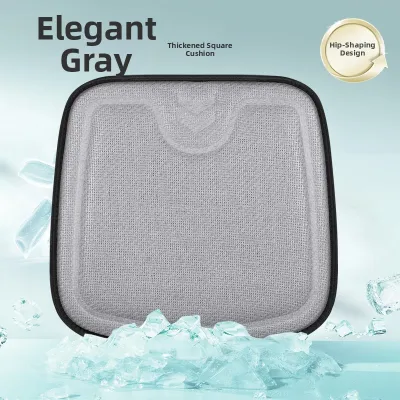
- Color and Reflectivity: The color of your seat cover plays a direct role in how much heat your car accumulates while parked. Darker colors, such as black, navy, or deep charcoal, absorb a wide spectrum of light energy and convert it into heat. Lighter colors, including off-white, light grey, and beige, reflect a much higher percentage of solar radiation. Opting for a lighter-colored seat cover can dramatically lower the surface temperature of your seats before you even turn on the ignition.
- Thickness and Density: It is tempting to choose a seat cover with thick, plush padding for extra comfort. However, thick foam padding acts as an insulator, trapping your body heat and preventing it from escaping. For effective cooling, look for thin, high-density profiles or covers that utilize structured air gaps rather than solid foam blocks.
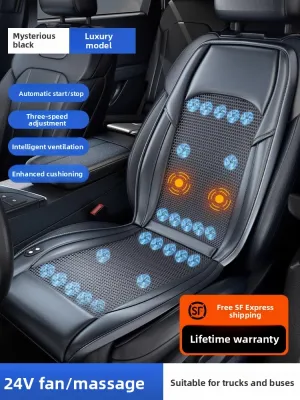
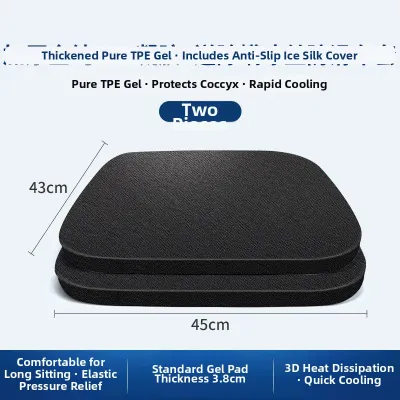
- Active vs. Passive Cooling: Passive materials like mesh rely entirely on natural airflow and heat transfer. If you require additional relief, you might consider active cooling accessories, such as cushions equipped with built-in USB-powered ventilation fans or specialized cooling gel pads. When choosing active accessories, always check the product packaging and manufacturer instructions to verify their power requirements and compatibility with your vehicle's electrical outlets.
- Surface Texture: The physical texture of the seat cover also impacts your thermal comfort. Surfaces that are ribbed, contoured, or heavily textured reduce the total surface area of the material that directly touches your skin. By minimizing direct contact, these designs create micro-channels that allow trapped air to escape, enhancing the overall sensation of coolness.
Crucial Safety and Fitment Checks for Aftermarket Seat Covers
Before purchasing any aftermarket seat cover or cooling cushion, you must prioritize vehicle safety. A seat cover should never compromise the protective systems built into your car.
- Side Airbag Compatibility: This is the most critical safety boundary when selecting seat covers. Many modern vehicles feature side airbags housed within the outer edges of the front seat backrests. Installing an incompatible seat cover can delay or completely block the deployment of these airbags during an accident. Always verify that the product is explicitly labeled as side-airbag compatible. Look for specialized, documented tear-away stitching or open-sided designs, and never assume a universal-fit cover is safe for seats with integrated airbags.
- Secure Fitment: A poorly fitted or loose seat cover can easily slide or bunch up during sudden braking or sharp turns. This movement can distract you, alter your driving posture, or even interfere with the proper operation of seatbelt pretensioners. Ensure the cover features robust, high-quality straps and anchors that keep it firmly secured to the seat frame.
- Verification Step: Before installing any aftermarket accessory, consult your vehicle's owner manual for specific guidelines regarding seat covers. Strictly follow the manufacturer's installation instructions. Ensure that the straps, buckles, or hooks do not block access to ISOFIX child seat anchors, seat adjustment controls, or under-seat ventilation ducts. If you are unsure about the fitment, seek assistance from a qualified automotive professional.
Practical Maintenance for Seat Covers in High Humidity
Singapore’s high humidity creates a perfect breeding ground for bacteria, mold, and mildew. To keep your cooling seat covers fresh and functional, regular maintenance is essential.
- Routine Cleaning: Dust, dirt, and skin flakes can accumulate in the open pores of mesh or the weave of fabric covers over time. This debris can block the air gaps, reducing the material's cooling efficiency. Vacuum your seat covers at least once a week using an upholstery brush attachment to keep the ventilation pathways clear.
- Moisture Management: If your seat cover becomes damp from sweat, rain, or spilled drinks, do not leave it in a closed, hot vehicle. Remove the cover and allow it to air-dry completely in a well-ventilated indoor space. Leaving damp materials inside a warm car can lead to mold growth on both the cover and the original seat upholstery underneath.
- Safe Cleaning Agents: Always check the manufacturer's care label before cleaning your seat covers. Use mild, non-abrasive detergents mixed with warm water. Avoid using harsh chemical solvents, bleach, or stiff-bristled brushes, as these can degrade synthetic mesh fibers, melt protective coatings, or damage the structural integrity of the material.
Frequently Asked Questions (FAQ)
Do cooling gel seat cushions actually work in a parked car?
Cooling gel cushions work by absorbing heat from your body, providing a temporary cooling sensation when you first sit down. However, they have a limited thermal capacity. Once the gel absorbs enough heat to match your body temperature, it reaches thermal equilibrium and stops feeling cool. Furthermore, if the car is parked in direct sunlight, the gel will absorb the ambient cabin heat, making the cushion hot to the touch when you return to the vehicle.
Does the color of the seat cover significantly reduce heat absorption?
Yes, the color of the seat cover has a major impact on initial heat absorption while the car is parked. Lighter colors reflect solar radiation, keeping the seat surface significantly cooler than dark colors. However, color only mitigates radiant heat from the sun. Once you sit down, the physical breathability of the material becomes the primary factor in keeping you cool, as air circulation is required to carry away your body heat and sweat.
Community discussion
Share your experience or ask a question. Comments are reviewed before publication.