
Choosing the right Rockbro LED lighting upgrade depends entirely on your primary driving environment, visibility gaps, and aesthetic goals. While light strips are ideal for accentuating your vehicle’s contours and adding a custom look, fog lights excel at cutting through heavy rain and low-visibility conditions. Daytime Running Lights (DRLs), on the other hand, are designed to maximize your vehicle’s visual footprint during daylight hours. Before making a purchase, you must evaluate your specific riding or driving needs, check your vehicle’s electrical capacity, and ensure any modification complies with local traffic regulations.
Identify Your Core Visibility and Driving Needs
To select the most effective lighting category, start by diagnosing your typical driving environments and identifying where your current setup falls short. If you frequently commute during bright daylight hours or navigate shaded urban expressways, your primary need is likely daytime conspicuity. Conversely, if you often drive through sudden tropical downpours or poorly lit backroads, you require functional illumination that cuts through moisture without reflecting glare back into your eyes.
It is also essential to distinguish between aesthetic customization and functional safety improvements. While adding vibrant accent lighting can make your vehicle stand out at a local meet, these lights rarely project a beam pattern capable of illuminating the road ahead. If your goal is to see obstacles sooner, you must invest in high-performance auxiliary lamps rather than decorative accents.
Products mentioned in this guide
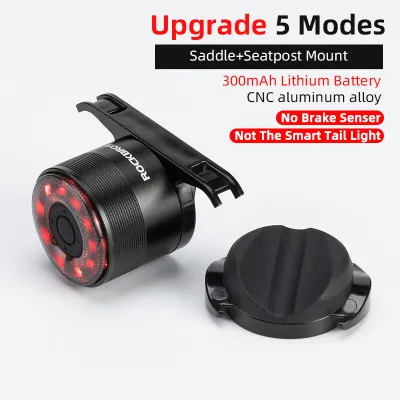
Prices are valid at publication and may change. Please refer to the product page for the latest price.
Before purchasing any auxiliary lighting system, you must inspect your vehicle’s physical and electrical limitations. Check the available mounting space on your bumper, fairings, or forks, and locate suitable routing paths for new wiring. Additionally, verify your battery and alternator or stator capacity to ensure your vehicle can handle the extra electrical load without draining the battery or triggering system errors.
Rockbro Light Strips: Best for Accent and Contour Visibility
Rockbro LED light strips are highly versatile options designed primarily for aesthetic customization and low-speed outline visibility. These flexible strips are commonly used for underglow, interior accent lighting, or outlining the physical dimensions of larger vehicles and motorcycles. By highlighting the contours of your vehicle, they can make your presence known in dark parking lots or low-speed maneuvering areas.

When selecting a light strip, you must carefully evaluate the quality of the adhesive backing and the overall flexibility of the housing. Vehicles feature complex curves along bumpers, fairings, and side panels, requiring a strip that can bend without cracking the internal circuitry. Look for high-quality adhesive tape or plan to use secure mounting clips to prevent the strip from peeling off due to wind resistance or road vibration.
Because these lights are mounted on the exterior of the vehicle, verifying their ingress protection (IP) rating is critical. Exterior light strips must withstand heavy rain, road spray, and puddle splashes, making a high waterproof rating essential for long-term durability. Ensure the connection points and controller boxes are also thoroughly sealed against moisture.
Keep in mind that light strips are strictly decorative or low-intensity marker lights. They do not project a focused, usable beam pattern onto the road surface and cannot serve as a substitute for primary headlights or functional auxiliary driving lights. If your main goal is to improve your night vision on dark roads, you should look toward dedicated projection optics instead.
Rockbro Fog Lights: Best for Heavy Rain and Low Visibility
If you regularly navigate through heavy rain, mist, or dense haze, Rockbro fog lights are the most appropriate upgrade for your vehicle. Unlike standard headlights, which can reflect light off water droplets and create a blinding wall of white glare, fog lights are engineered to project a wide, low-slung beam pattern. This specific distribution illuminates the road surface and lane markings directly in front of the vehicle while minimizing backscatter glare.
When choosing a fog light, pay close attention to the color temperature of the LEDs. Warm white or yellow light is generally preferred for low-visibility conditions, as these wavelengths tend to scatter less in heavy moisture compared to cool blue or bright white light. Additionally, ensure the light housing features a sharp upper cutoff line, which prevents the beam from rising into the eyes of oncoming drivers.
Proper mounting is critical to the performance of any auxiliary fog light. These units must be installed low on the vehicle—typically on the lower bumper, crash bars, or lower fork mounts—to allow the beam to sweep underneath the fog or heavy rain layer. You must verify that your vehicle has stable, vibration-resistant mounting points available in these lower zones.
Installing functional fog lights also requires a more robust electrical setup than simple accent strips. You will need to route a dedicated wiring harness, install an inline fuse, and use a relay connected to an independent switch. This setup ensures you can activate the fog lights only when weather conditions demand them, preventing unnecessary battery drain and keeping your system isolated from the main headlight circuit.
Rockbro DRLs: Best for Daytime Conspicuity and Safety
Daytime Running Lights (DRLs) are designed with a single primary purpose: to make your vehicle more noticeable to other road users during daylight hours. Whether you are riding a motorcycle on a busy highway or driving a car through shaded suburban streets, DRLs significantly increase your visual footprint. This added conspicuity helps oncoming traffic and pedestrians gauge your distance and speed more accurately, reducing the risk of intersection collisions.
When evaluating DRL options, look for units that feature automatic activation logic. Ideally, your DRLs should turn on automatically when the ignition is switched on and dim or turn off when the main headlights are activated at night. This prevents the high-intensity daytime beam from blinding other drivers once the sun goes down.
Proper alignment is just as important for DRLs as it is for night-time driving lights. Because DRLs are designed to project light forward rather than down onto the road, they must be aligned carefully to ensure they are visible to oncoming traffic without being aimed too high. Secure, adjustable brackets are essential for fine-tuning this forward-facing angle during installation.
Remember that DRLs are not designed to illuminate the road ahead of you in the dark. Their beam pattern is highly diffused to maximize visibility from various angles during the day, which means they lack the focused projection needed for night-time driving. Operating a vehicle at night with only DRLs active is highly dangerous and should always be avoided.
Singapore Road Compliance and Safe Installation Checks
Before purchasing or installing any Rockbro lighting product in Singapore, you must ensure the modification complies with the Land Transport Authority (LTA) guidelines. LTA maintains strict regulations regarding aftermarket lighting to ensure road safety for all users. For instance, forward-facing auxiliary lights must only emit white or amber light, while rear-facing lights must be red. Flashing patterns, strobe effects, or decorative underglow lights that distract other drivers are generally prohibited on public roads.
In addition to color and pattern restrictions, you must consider the brightness and positioning of your auxiliary lights. Any additional lighting installed must not blind oncoming traffic or exceed permissible brightness limits. It is your responsibility to verify that your chosen setup can be adjusted to meet these standards before taking your vehicle onto public roads.
Safe electrical installation is paramount to prevent vehicle damage or electrical fires. Always use high-quality wiring, proper relays, and correctly rated fuses to protect your vehicle’s electrical system. If your vehicle uses a sensitive CANbus system, adding aftermarket electronics can sometimes trigger dashboard errors or system faults; using a dedicated, isolated wiring harness can help mitigate these issues.
If you encounter any electrical errors during installation, or if mounting the lights requires structural drilling into critical frame components, stop immediately. Consult a qualified automotive electrician or a professional workshop in Singapore to complete the installation safely. Professional installation ensures that your wiring is properly insulated, routed away from heat sources, and securely fused.
Frequently Asked Questions (FAQ)
Can I install both Rockbro DRLs and fog lights on the same vehicle?
Yes, you can install both types of lights on a single vehicle, provided your electrical system can support the combined power draw. To do this safely, you must use separate wiring harnesses and independent switches for each system. This allows you to run your DRLs during the day and activate your fog lights only when low-visibility weather conditions require them. Always calculate the total wattage of all accessories to ensure it does not exceed your alternator or stator output.
How do I clean and maintain exterior Rockbro LED lenses?
To maintain optimal light output and prevent damage to the weather seals, clean your LED housings regularly using mild automotive soap, warm water, and a soft microfiber cloth. Avoid using high-pressure washers directly on the light seals or wire entry points, as the intense pressure can force moisture inside the housing. Additionally, never use harsh chemical solvents or abrasive cleaners, which can degrade the protective UV coating and cause the polycarbonate lenses to become cloudy or yellowed over time.
Community discussion
Share your experience or ask a question. Comments are reviewed before publication.