
Selecting the right obu mount bracket is essential for maintaining a clean, functional, and safe vehicle interior. With modern dashboards featuring diverse materials, complex curves, and integrated safety systems, a one-size-fits-all mounting solution no longer exists. The ideal bracket must secure your device against road vibrations while preserving your dashboard’s surface and keeping your line of sight clear.
In Singapore, this choice has become increasingly important with the rollout of the ERP 2.0 On-Board Unit (OBU). Drivers must accommodate new touchscreen displays alongside existing smartphones and aftermarket GPS units. Finding a mounting solution that balances structural stability, material compatibility, and local road regulations is key to a hassle-free daily commute.
Assessing Your Dashboard and Device Requirements
Before purchasing any mounting hardware, you must evaluate the physical characteristics of your vehicle’s dashboard. Dashboards are generally constructed from textured hard plastic, soft-touch synthetic vinyl, or premium wrapped leather. Textured hard plastics provide a stable surface for high-strength adhesives but can be difficult for standard suction cups to grip. Soft-touch synthetics and leather are highly susceptible to permanent indentation, tearing, or chemical discoloration when subjected to harsh adhesives or high-pressure suction mounts.
Products mentioned in this guide
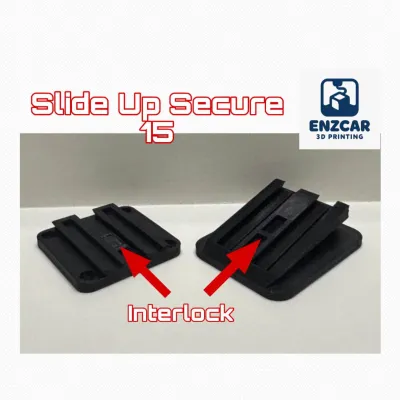
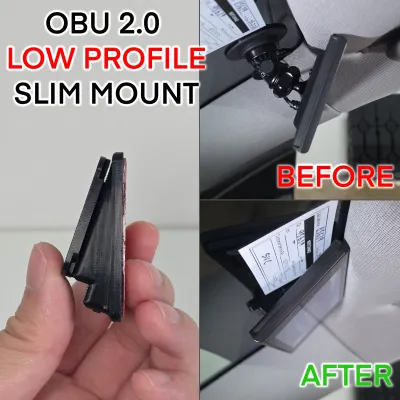
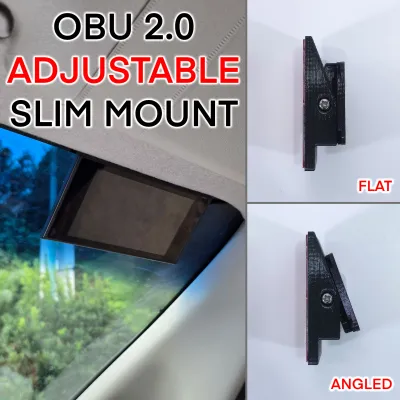

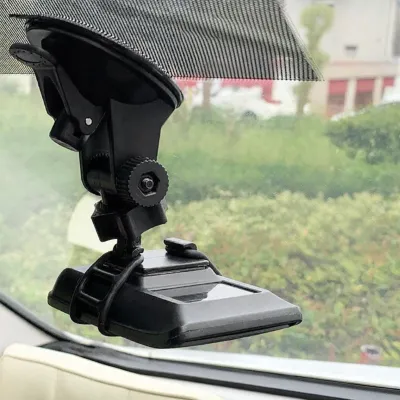
Prices are valid at publication and may change. Please refer to the product page for the latest price.
The physical profile of the device you intend to mount also dictates the structural support required. Heavy electronic components, such as dedicated navigation screens or the official ERP 2.0 touchscreen display, exert significant leverage on a mounting bracket. A flimsy bracket will sag, vibrate, or detach entirely when subjected to road vibrations. Conversely, lightweight devices can easily be supported by smaller, less intrusive brackets that require minimal surface contact.
Airbag deployment zones represent a critical safety boundary that you must never violate. Modern vehicles house passenger airbags within the dashboard and side-curtain airbags within the A-pillars. Placing an obu mount bracket or any electronic device within these deployment paths is extremely dangerous. In the event of a collision, the force of the deploying airbag will turn the mounted device into a high-velocity projectile inside the cabin. Always consult your vehicle’s owner’s manual to identify active airbag zones before choosing a mounting location.
Comparing the Four Main OBU Mount Bracket Types
Understanding the mechanical differences, benefits, and drawbacks of the primary bracket designs allows you to make an informed choice that suits your specific vehicle interior.

Suction Cup and Adhesive Mounts
Suction cup brackets rely on an airtight vacuum seal, making them highly effective on smooth, non-porous surfaces. They are most commonly mounted directly to the glass windshield or onto glossy, flat plastic trim pieces on the dashboard. However, Singapore’s intense tropical climate presents a major challenge for suction mounts. Prolonged exposure to direct sunlight heats the windscreen, causing the air trapped inside the suction cup to expand, which frequently leads to sudden seal failure and dropped devices.
Adhesive mounts utilize high-strength double-sided acrylic foam tapes, such as 3M VHB, to create a semi-permanent bond on textured surfaces. These pads conform to minor dashboard textures and offer outstanding resistance to heat and vibration, ensuring your device remains perfectly still. The primary trade-off is the difficulty of removal. Over time, the adhesive bond cures deeply, and attempting to pull the bracket off can tear delicate soft-touch synthetics or leave a stubborn, sticky residue that requires chemical solvents to clean.
Vent-Clip Mounts
Vent-clip brackets bypass the dashboard surface entirely by clamping directly onto the horizontal or vertical louvers of your vehicle’s air conditioning vents. This design is highly practical for modern vehicles with steeply sloped windshields or heavily curved dashboards that lack flat, open surfaces. By utilizing the vent, the device is kept lower down, preserving an unobstructed view of the road ahead.
Despite their convenience, vent-clip mounts carry distinct physical limitations. The combined weight of a heavy OBU display and the bracket puts constant mechanical stress on thin, plastic vent louvers, which can crack over time, especially when driving over speed bumps. Additionally, mounting a device directly in front of the vent blocks a portion of the cabin’s airflow. During cooler rainy days, the cold air blowing directly onto the back of a warm electronic device can lead to internal condensation, potentially damaging its circuitry.
Custom-Fit and OEM-Style Brackets
Custom-fit brackets are engineered specifically for individual vehicle models, matching the exact contours of the dashboard panels. These brackets typically clip securely into the natural seams of the dashboard console or utilize existing factory screw locations behind the trim. Because they do not rely on suction or sticky adhesives, they provide the highest level of structural stability and a clean, factory-integrated appearance.
While custom-fit brackets offer unmatched stability for heavy devices, they come with a higher price tag, often ranging from S$30 to S$80 for the mounting base alone. They also lack cross-vehicle portability; if you change your car, you will need to purchase an entirely new bracket designed for the new model. Furthermore, sourcing these highly specific brackets can be difficult for older, rare, or recently released vehicle models.
Matching the Bracket to Your Driving Scenario
Your daily driving habits, vehicle usage, and road conditions should heavily influence which mount bracket type you ultimately select.
Daily Urban Commuting (Stop-and-Go)
For drivers navigating busy urban roads, frequent speed bumps, and multi-story carpark ramps, stability and quick glanceability are paramount. Constant acceleration and braking can cause poorly secured devices to rattle or droop, distracting you from the road. In this scenario, a custom-fit bracket or a heavy-duty adhesive mount positioned close to the center console is highly recommended. These options ensure the display remains rock-steady, allowing you to check toll charges or navigation routes with a single, safe glance.
Long-Distance Highway Navigation
When driving long distances at high speeds, such as traveling along the North-South Expressway, minimizing screen vibration and maintaining a natural line of sight are crucial. A vibrating screen is incredibly difficult to read at high speeds and leads to eye strain over long journeys. Windshield suction cups (placed low to avoid blocking your view) or low-profile dashboard adhesive mounts keep the screen steady. Positioning the device close to your natural line of sight ensures you can monitor navigation prompts without having to look down away from the road.
Shared, Fleet, or Rental Vehicles
If you frequently operate shared cars, commercial fleet vehicles, or rental cars, permanent modifications are out of the question. You need a non-destructive, highly portable mounting option that can be installed and removed in seconds without leaving a trace. High-quality vent-clips or temporary windshield suction cups are the best choices here. They allow you to bring your device and mount from one vehicle to another, preserving the interior condition of the vehicle and avoiding potential cleaning or damage fees from fleet operators.
Safety, Compliance, and Installation Boundaries
In Singapore, mounting official electronic toll collection equipment involves strict regulatory and technical boundaries that drivers must respect.
Official ERP 2.0 On-Board Units have precise installation requirements mandated by the Land Transport Authority (LTA). The OBU antenna, which communicates with satellite systems and roadside gantries, must be installed in a specific position on the windscreen by authorized workshops to ensure signal accuracy. Attempting to relocate the antenna using aftermarket suction cups or custom mounts can result in signal dropouts, leading to administrative fines for missed toll payments. Always ensure that any aftermarket display bracket you install does not interfere with the official wiring or positioning of the authorized OBU components.
For secondary aftermarket navigation units or smartphones, the mount must be positioned so that it does not block the driver’s forward field of view. It should not obstruct physical climate controls, hazard light buttons, or interfere with the free movement of the steering wheel. A poorly placed bracket that forces you to stretch or lean to reach the screen compromises your control over the vehicle.
When removing old adhesive mounts, never attempt to pry them off with raw force, as this can easily tear leather or vinyl dashboard skins. Instead, apply gentle heat using a hairdryer on a low setting to soften the acrylic foam tape. Once warmed, use a piece of dental floss or a plastic trim removal tool to slowly saw through the softened adhesive layer. Any remaining residue can be treated with a mild, citrus-based adhesive remover, but you should always test the solvent on a small, hidden area of the dashboard first to ensure it does not cause discoloration.
Frequently Asked Questions (FAQ)
Can I use a suction cup or vent-clip for an official toll OBU antenna?
No, you should not use temporary suction cups or vent-clips for the official ERP 2.0 OBU antenna. The antenna requires a rigid, permanent mount on the windscreen to maintain the precise angle necessary for reliable satellite and gantry communication. Using temporary mounts can cause the antenna to shift or fall, leading to failed toll transactions, potential regulatory fines, and the risk of voiding the equipment’s warranty.
Will adhesive mounts ruin a soft-touch or leather dashboard?
Yes, there is a high risk that strong adhesive mounts will damage soft-touch synthetic or leather dashboards. The chemical compounds in heavy-duty adhesives can react with the plasticizers in vinyl or the natural oils in leather, causing permanent discoloration, bubbling, or tearing upon removal. To protect premium dashboard surfaces, use a custom-fit bracket that clips into existing panel gaps, or mount adhesive brackets only onto hard, non-porous plastic trim pieces.
Community discussion
Share your experience or ask a question. Comments are reviewed before publication.