
Quick Answer: Aligning Your Riding Style with Raincoat Specifications
Selecting the ideal Motowolf raincoat requires matching your specific riding habits with the technical specifications of each model. Whether you are navigating daily commutes, embarking on long-distance tours, or riding through intense tropical storms, your choice should depend on verified product details. To find the best fit, riders must evaluate key specifications such as hydrostatic head ratings, seam construction, and ventilation features.
Because product lineups and features can change, always verify current specifications, sizing charts, and material details on the official manufacturer labels or through authorized retailers in Singapore before making a purchase. This ensures your selected gear provides the exact level of protection and durability required for your daily rides.
Assessing Your Riding Style and Weather Exposure
Every rider faces a unique set of environmental challenges, making it essential to analyze your typical riding conditions before selecting rain gear. For daily urban commuters navigating heavy traffic, convenience and speed are paramount. A raincoat for this scenario must be easy to slip on over work attire or standard riding gear at a moment’s notice.
Products mentioned in this guide
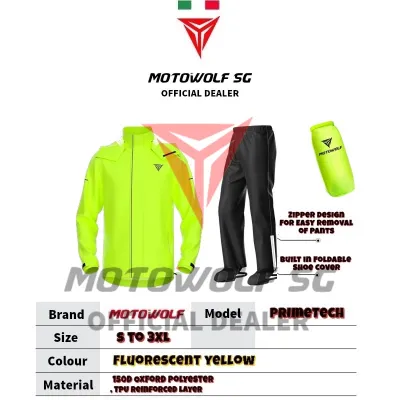
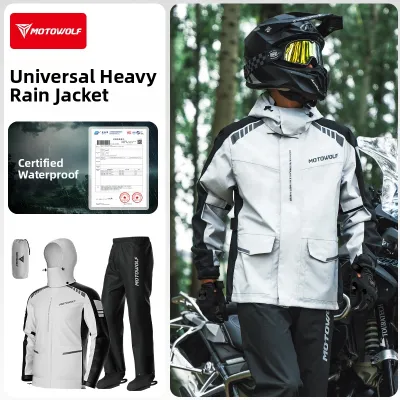
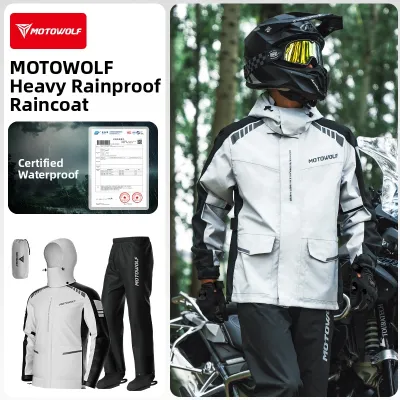
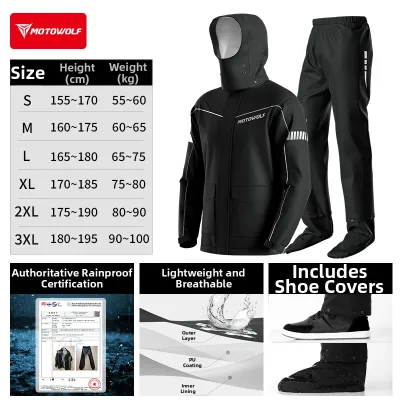
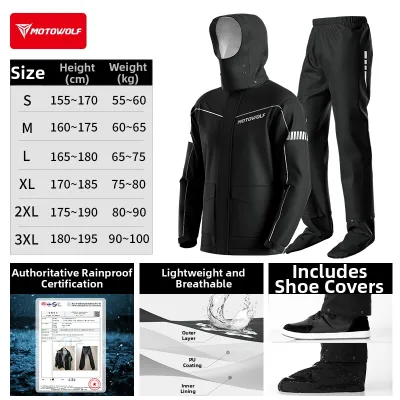
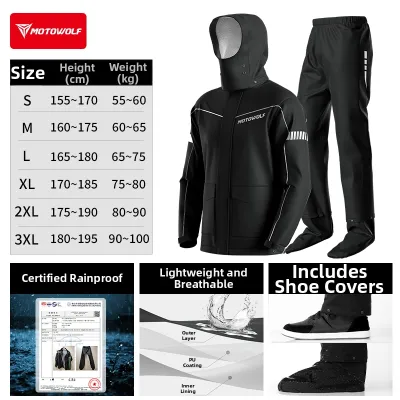
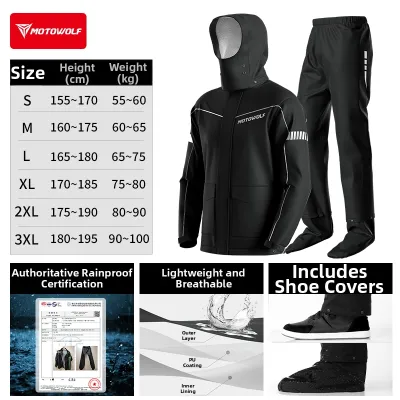
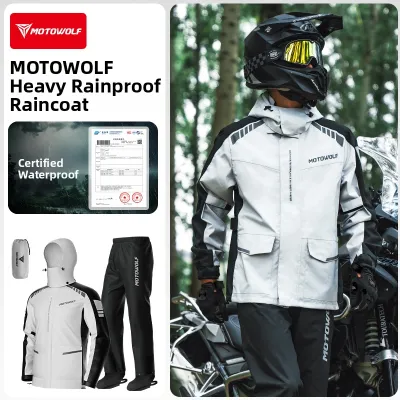
Prices are valid at publication and may change. Please refer to the product page for the latest price.

It should also pack down tightly to fit into a small under-seat compartment or a compact top box, ensuring you are never caught unprepared by sudden afternoon downpours. High visibility is another critical factor for city riders, as dense traffic and spray from other vehicles can severely compromise your presence on the road.
Long-distance touring demands a completely different set of features from your rain gear. When spending hours on the highway, you are exposed to sustained wind pressure and prolonged wet weather. In these conditions, a raincoat must offer excellent windproofing to prevent wind chill, which can rapidly cause rider fatigue.
The gear must also integrate seamlessly with your existing protective jackets and body armor without restricting your range of motion. A loose, poorly fitted raincoat will flap violently at highway speeds, which is not only distracting but can also cause premature wear on the fabric seams.
For those who ride through heavy tropical storms and monsoon seasons, maximum water resistance is the absolute priority. Tropical downpours can quickly overwhelm basic water-resistant fabrics, leading to water ingress at vulnerable points like the collar, zipper, and crotch. To stay dry during these intense storms, you need gear designed with high hydrostatic head ratings and robust construction. Understanding these distinct riding scenarios allows you to establish a clear baseline of requirements, helping you filter through available options to find a raincoat that matches your exposure level.
Essential Protection Features to Verify on Motowolf Rain Gear
When evaluating different Motowolf raincoat models, looking past the aesthetic design and examining the technical specifications is crucial. The primary feature to verify is the waterproofing capability, which is often indicated by a hydrostatic head rating measured in millimeters. A higher rating indicates greater resistance to water penetration under pressure.
Additionally, inspect the seam construction on the inside of the garment. High-quality motorcycle rainwear features fully taped or heat-welded seams rather than simple stitching, preventing water from seeping through the needle holes during prolonged exposure.
Material durability is another vital aspect that distinguishes motorcycle-specific rain gear from standard outdoor wear. Look for raincoats constructed from heavy-duty polyester or nylon fabrics coated with polyurethane (PU) or other waterproof membranes. Pay close attention to high-wear areas, such as the seat of the pants and the inner thighs, which experience constant friction against the motorcycle saddle. Reinforced panels in these zones help prevent premature wear and ensure the garment remains waterproof over many seasons of active use.
Visibility is a key safety component when riding in low-light conditions or heavy rain. Inspect the raincoat for strategically placed reflective strips or high-visibility panels. These elements should be positioned on the back, shoulders, and sides of the jacket, as well as the lower legs of the pants, to ensure you are visible to other motorists from all angles. High-quality reflective materials, such as retroreflective piping, significantly enhance your safety profile during night rides or when visibility is severely reduced by heavy downpours.
Finally, do not overlook the importance of breathability and ventilation, especially in warm, humid climates. Wearing a completely sealed, non-breathable plastic suit can quickly lead to internal condensation, leaving you just as wet from sweat as you would be from the rain. Look for models that incorporate zippered underarm vents, mesh linings, or breathable back flaps. These features allow hot air and moisture to escape while preventing external water from entering, keeping you comfortable and focused on the road ahead.
Matching Verified Specifications to Your Riding Scenarios
To simplify your decision-making process, it is helpful to map specific raincoat features directly to your primary riding scenarios. This structured approach allows you to shortlist models based on functional thresholds rather than guesswork.
Scenario 1: Short Commutes in Sudden Showers
For brief trips across town, a lightweight and highly packable raincoat is often the most practical choice. Look for models that prioritize ease of storage and quick donning. These raincoats typically feature a thinner, more flexible outer shell that folds easily into a small carrying pouch. While they may have slightly lower hydrostatic head ratings compared to heavy-duty touring suits, they offer more than enough protection to keep you dry during a short, twenty-minute ride to the office or home.
Scenario 2: Highway Riding in Sustained Rain
If your route involves high-speed highway riding, you require a raincoat designed to withstand intense wind and water pressure. Prioritize models with an aerodynamic, snug fit to minimize fabric flapping. Look for features such as high collars with adjustable closures, double storm flaps over the main zipper, and secure elastic or velcro cuffs. These design elements work together to seal out wind and prevent water from being forced through the openings of your gear at high speeds.
Scenario 3: Night Riding and Low Visibility
For riders who frequently travel after dark or during heavy twilight storms, visibility should be the primary selection criterion. Seek out models that feature bright, high-contrast color schemes, such as neon yellow or high-visibility green, combined with extensive reflective detailing. The reflective elements should be wide and positioned across major movement areas, such as the arms and back, to help other drivers quickly identify you as a motorcyclist.
To help you compare these requirements, use the following framework to evaluate potential models against your specific needs:
| Riding Scenario | Seam Construction | Reflectivity Level | Ventilation Needs | Fit Profile |
|---|---|---|---|---|
| Short Commutes | Taped seams | Standard reflective piping | Moderate (mesh lining) | Loose / Easy over-garment |
| Highway Touring | Welded seams | High-visibility panels | High (zippered vents) | Snug / Aerodynamic |
| Night Riding | Taped or welded | Maximum retroreflective coverage | Moderate to high | Adjustable / Secure |
Ensuring Proper Fit and Safety Over Existing Riding Gear
A motorcycle raincoat must never be selected based on your standard clothing size alone. Because this gear is designed to be worn over your existing protective equipment, including armored jackets, chest protectors, and riding pants, proper sizing is critical. To find the correct size, put on your complete riding gear setup and take accurate measurements of your chest, waist, and inseam. Compare these measurements against the manufacturer’s specific sizing chart, keeping in mind that many brands design their rainwear slightly larger to accommodate armor, while others require you to size up manually.
Adjustability is another essential factor for both safety and comfort. Look for raincoats that feature multiple adjustment points, such as velcro waist straps, adjustable sleeve cuffs, and snap buttons on the collar and legs. These features allow you to customize the fit, securing any loose fabric to prevent dangerous flapping at high speeds. Flapping fabric not only causes distraction and fatigue but can also snag on motorcycle controls or exhaust components, posing a serious safety hazard.
Before setting off on your first ride, perform a thorough safety check while wearing the raincoat over your gear. Sit on your motorcycle in your natural riding posture and verify that the raincoat does not restrict your movement. You must be able to turn your head fully to perform shoulder checks, reach the handlebars comfortably without tension across the shoulders, and operate all foot pedals and hand controls without interference. If the raincoat restricts your movement or blocks your visibility in any way, adjust the fit or consider a different size to ensure your safety on the road.
Frequently Asked Questions (FAQ)
How should I clean and maintain my motorcycle raincoat?
To preserve the waterproofing performance of your motorcycle raincoat, always refer to the specific care instructions printed on the garment’s inner label. As a general rule, avoid using harsh household detergents, fabric softeners, or bleach, as these chemicals can degrade the waterproof coatings and damage taped seams. Instead, hand wash the raincoat using cool water and a mild, tech-wash detergent designed for synthetic fabrics. If machine washing is permitted by the manufacturer, use a gentle cycle with low spin speeds. Always air dry the garment naturally away from direct sunlight, radiators, or other heat sources, as excessive heat can melt or warp the waterproof membranes. Before applying any aftermarket durable water repellent (DWR) sprays, consult the manufacturer’s guidelines to ensure compatibility with the fabric.
Can I wear a standard raincoat instead of a motorcycle-specific one?
Using a standard, pedestrian-grade raincoat while riding a motorcycle is highly discouraged due to significant safety and performance limitations. Standard raincoats are designed for low-speed walking and lack the structural integrity required to withstand highway wind speeds. At riding speeds, non-motorcycle rainwear will flap violently, which can distract the rider, obscure vision, and cause the fabric to tear rapidly along the seams. Furthermore, standard raincoats do not offer the necessary abrasion resistance to protect you in the event of a slide, nor are they cut to fit comfortably over bulky protective riding armor. Investing in purpose-built motorcycle rain gear ensures you remain dry, comfortable, and fully protected while maintaining complete control of your vehicle.
Community discussion
Share your experience or ask a question. Comments are reviewed before publication.