
Selecting the right crash protection is one of the most critical decisions you will make after purchasing a motorcycle. While the term “motorcycle bumper” is commonly used by beginners, experienced riders know that motorcycle protection is actually split into three distinct categories: crash bars, frame sliders, and engine guards. Each type of protection is engineered to address specific crash dynamics, vehicle architectures, and riding environments. Choosing the wrong setup can not only fail to protect your bike but can also compromise your safety, reduce cornering clearance, or even damage your motorcycle’s frame during an impact.
In highly congested urban environments like Singapore, where riders frequently navigate tight HDB multi-storey carparks, heavy traffic on the PIE or AYE, and sudden tropical downpours, the right protection can mean the difference between riding home after a minor tip-over or facing a massive repair bill. A simple stationary drop in a wet parking lot can crack expensive plastic fairings or puncture an engine casing, costing thousands of dollars in repairs. By understanding how these protective components function and matching them to your specific motorcycle and riding style, you can safeguard your investment and ensure your bike remains roadworthy.
Quick Decision Guide: Matching Protection to Your Riding Style
To choose the right protection, you must first align your choice with your motorcycle’s design and your typical riding conditions. Not all protective gear is created equal, and a guard that works perfectly on an adventure bike can be highly dangerous if fitted to a sport bike.
Products mentioned in this guide
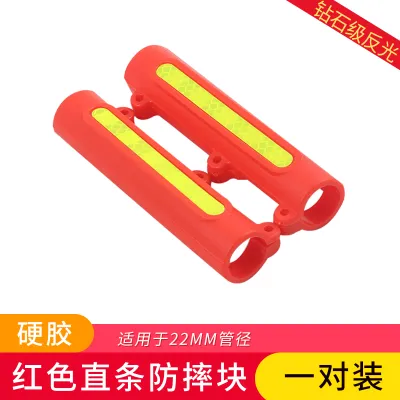
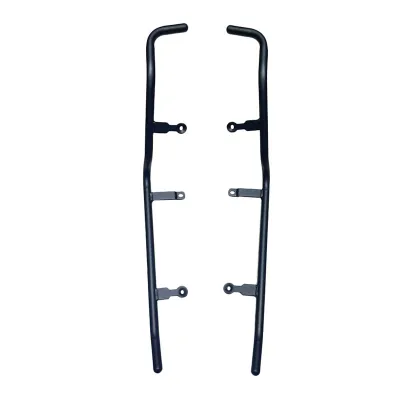
Prices are valid at publication and may change. Please refer to the product page for the latest price.
For sport and naked bikes, the priority is maintaining a high lean angle and aerodynamic efficiency while protecting expensive fairings and engine side covers. Lightweight frame sliders and low-profile engine case guards are the standard choice here. These components are designed to let the bike slide smoothly across asphalt without catching and flipping.
Adventure and touring motorcycles, which are heavier and more likely to tip over on uneven terrain or during long-distance journeys, require robust, multi-point tubular crash bars and heavy-duty skid plates. These systems create a protective cage around the engine, radiator, and fuel tank, absorbing high-impact forces and keeping the heavy chassis off the ground.
Cruisers and scooters benefit most from wide highway bars, leg shields, and body protectors. These setups are designed for low-speed tip-overs and urban commuting, prioritizing rider leg protection and shielding expansive body panels from scratches in crowded parking spaces.
The core trade-off when installing any crash protection is the balance between coverage, weight, and ground clearance. Maximum protection inevitably adds weight to your motorcycle, which can alter suspension performance, slightly increase fuel consumption, and affect handling. Furthermore, poorly designed or overly wide bars can reduce your maximum safe lean angle, causing the metal to scrape against the tarmac during cornering and potentially lifting the tires off the ground.
In tight carparks, overly wide crash bars can also scrape against walls, pillars, or other motorcycles, meaning a balance between protection and physical width is essential.
Understanding Motorcycle "Bumpers": Crash Bars, Sliders, and Guards
To make an informed purchase, you must understand the mechanical differences and engineering purposes behind the various types of motorcycle protection. These components are not merely cosmetic accessories; they are highly engineered safety systems designed to manage kinetic energy during an accident.

Tubular crash bars and engine guards are constructed from heavy-gauge steel or aluminum tubing. They are bolted directly to the motorcycle’s frame or engine mounts at multiple points to distribute impact forces across a wider area. Their primary job is to absorb the initial shock of a fall through controlled deformation—meaning the metal bends slightly to dissipate energy—preventing the force from transferring directly into the engine block or main frame. This deforming action protects critical, fragile components like the radiator, fuel tank, and engine casings.
Frame sliders, also known as crash bobbins, are protruding pucks that bolt to the motorcycle’s frame engine mounts. They are typically manufactured from high-density, low-friction engineering plastics such as Delrin, POM (polyoxymethylene), or nylon. Unlike crash bars, which are designed to deform and absorb impact, frame sliders are designed to slide. During a slide on asphalt, the plastic puck wears down gradually, dissipating kinetic energy through friction while keeping the bike moving in a straight line. This prevents the motorcycle from catching on the road surface and tumbling, which often causes catastrophic structural damage.
Leg shields and floorboard protectors, common on cruisers and scooters, offer a different type of defense. These structures are designed to protect the rider’s lower extremities from being pinned under the motorcycle during a low-speed tip-over. In urban environments, they also shield the rider’s legs from road debris, water spray during heavy rain, and minor side-impact scrapes.
Each of these components manages kinetic energy differently. While a steel crash bar deforms to absorb a heavy, vertical drop, a plastic slider shaves off material to handle horizontal sliding force. Understanding these mechanics helps you choose the right tool for the specific risks you expect to face on the road.
Recommended Protection Setups by Motorcycle Category
Every motorcycle category has a unique architectural layout and risk profile. To ensure maximum safety and performance, your protection setup must be tailored specifically to your bike’s category.
Sport and Naked Bikes
Sport and naked bikes are designed for agility, high speed, and aggressive cornering. Consequently, any protection system installed must not interfere with the bike’s handling dynamics or lean clearance. Frame sliders are the highly recommended choice for these motorcycles. They provide excellent protection for the radiator and upper fairings during low-speed slides without adding excessive weight or bulk.
In addition to frame sliders, minimalist engine case guards—often made of impact-resistant composite materials—should be bolted directly over the original clutch and alternator covers. These case savers prevent the thin aluminum or magnesium engine covers from wearing through and leaking oil when sliding on tarmac.
You must avoid installing heavy, wide, or protruding tubular crash bars on sport bikes. Because these bikes are ridden at deep lean angles, wide crash bars can easily strike the tarmac during cornering. If the bar makes contact with the ground while cornering, it can lift the front or rear tire off the road, resulting in a sudden, catastrophic high-side crash.
For naked bikes, which lack fairings but have exposed radiators, a lightweight aluminum radiator guard and fork sliders provide excellent targeted protection without compromising cornering clearance.
Adventure (ADV) and Touring Bikes
Adventure and touring motorcycles are built for long distances, heavy loads, and off-road exploration. These bikes are highly susceptible to drops on uneven terrain, where rocks, gravel, and ruts can easily puncture engine casings or damage expensive bodywork. For these machines, a full-wrap tubular crash bar system is essential.
A complete adventure setup typically includes both upper and lower crash bars. Upper crash bars protect the radiator, upper fairings, and the fuel tank, while lower crash bars shield the engine cylinders, water pump, and crankcase. This extensive coverage is crucial because a simple drop on a remote trail can otherwise crack a cast aluminum engine cover, leaving you stranded far from help.
Additionally, a heavy-duty skid plate (or sump guard) is highly recommended to protect the underside of the engine, exhaust headers, and oil filter from flying rocks and ground impacts.
When selecting crash bars for an adventure or touring bike, ensure they are designed to integrate seamlessly with your existing luggage racks and side panniers. The bars must be mounted in a way that does not negatively affect the bike’s center of gravity or obstruct routine maintenance access, such as oil changes and spark plug replacements.
Cruisers and Scooters
Cruisers and scooters are primarily used for relaxed highway cruising or urban commuting, where the primary risks are low-speed tip-overs, stationary drops, and minor collisions in heavy traffic.
For cruisers, large-diameter steel highway bars (often called engine guards) are the traditional and highly effective choice. These wide, chrome or matte black steel loops protect the wide engine configurations typical of cruisers, such as V-twins or flat-twins, and keep the heavy chassis off the ground during a fall. Cruisers are exceptionally heavy, and highway bars prevent the motorcycle from tipping completely flat, making it much easier to lift the bike back up. They also protect the rider’s legs from being crushed under the weight of the falling machine and can be fitted with highway pegs to provide alternative footrest options for long-distance comfort.
For scooters, which are the primary choice for daily commuting and delivery riders in Singapore, protection should focus on wrap-around steel body guards and reinforced leg shields. Scooters feature extensive plastic bodywork that is highly vulnerable to scratches and cracks in crowded public parking spaces.
Tubular steel side guards wrap around the rear body panels, protecting them from adjacent vehicles. Front leg shield protectors shield the rider’s legs from road spray, wind, and low-speed frontal impacts, while heavy-duty grab rails protect the rear of the scooter and provide secure mounting points for top boxes.
Critical Fitment and Material Checks Before You Buy
Before purchasing any crash protection, you must perform several critical technical checks to ensure the product is safe, compatible, and constructed from high-quality materials. Never assume that a generic part will fit your motorcycle safely.
First, you must verify the engineered mounting points of the protection system. High-quality crash bars and sliders are designed to mount directly to the motorcycle’s main frame or structural engine mount bolts. These points are engineered by the manufacturer to handle extreme structural loads. You must never purchase guards that mount to cosmetic plastic tabs, radiator brackets, or thin subframe sections. In a crash, these weak mounting points will immediately collapse, causing the guard itself to crush into the engine or radiator, resulting in far more severe damage than if no guard had been installed.
Second, consider the material composition of the protective components. Mild steel is highly ductile; it bends under load, which is excellent for absorbing and dissipating impact energy, thereby protecting the motorcycle’s frame from cracking. However, mild steel is heavy and must be finished with a high-quality powder coating or paint. In Singapore’s highly humid and salty tropical climate, any scratch or chip in the paint will quickly lead to rust and structural weakening. Stainless steel is more expensive and heavier, but it offers outstanding corrosion resistance and high strength, making it ideal for adventure touring. Aluminum is lightweight and rust-proof, but it is more brittle than steel; under severe impact, aluminum guards can snap or transfer the impact force directly to the frame mounting bolts rather than deforming safely. For sliders, ensure the pucks are made of authentic engineered plastics like Delrin or POM, which offer high abrasion resistance and low friction, rather than cheap, brittle ABS plastics that can shatter upon impact.
Third, evaluate the impact on ground clearance and lean angle. Always check the manufacturer’s technical documentation to ensure the crash bars or sliders do not reduce your bike’s maximum safe lean angle. A guard that scrapes the ground during normal, spirited cornering is a severe safety hazard.
Finally, verify exact model-year compatibility. Motorcycle manufacturers frequently update frame geometry, engine mounting bolt locations, exhaust routing, and fairing shapes between model generations. A crash bar designed for a 2020 model will rarely fit a 2024 or 2026 model refresh, even if the bike’s model name remains the same. Always verify your motorcycle’s exact model year, trim level, and market-specific specifications against the protection manufacturer’s fitment guide before making a purchase.
Installation Safety: When to DIY and When to Call a Mechanic
Installing motorcycle crash protection involves working with critical structural components of your vehicle. Because of the safety risks involved, you must understand the boundaries of do-it-yourself (DIY) installation and know when to seek professional assistance.
Always consult your motorcycle’s original manufacturer instructions and the aftermarket product’s documentation before attempting any installation. If there is any conflict between the instructions, or if you do not possess the necessary tools and mechanical skills, you must have the components installed by a qualified professional mechanic.
One of the most dangerous mistakes made during DIY installation is forcing a misaligned crash bar into place. If the mounting holes do not align perfectly, some riders use pry bars or impact wrenches to force the bolts in. This action pre-loads the motorcycle frame, introducing constant, unintended structural stress. Over time, this pre-loading can cause severe handling instability, excessive engine vibration, or even lead to stress fractures in the frame welds or engine casing. If a bar does not align naturally, it may be defective, bent, or incompatible with your model year.
Furthermore, engine mount bolts are critical structural fasteners. You must use a calibrated torque wrench to tighten all bolts to the exact torque specifications provided by the motorcycle manufacturer. Under-tightened bolts can back out due to engine vibration, leading to a catastrophic structural failure while riding. Over-tightened bolts can strip the threads in the engine block or snap the bolt entirely, requiring expensive and complex extraction repairs. Additionally, you must apply the correct grade of thread-locking compound (such as medium-strength blue threadlocker) to prevent fasteners from vibrating loose over time, as specified by the product manual.
If the installation of your chosen crash protection requires removing complex fairings, relocating ABS sensor lines, rerouting electrical wiring, or working in extremely tight spaces near the radiator, oil cooler, or hot exhaust headers, do not attempt to DIY. These tasks carry a high risk of damaging sensitive components or routing cables incorrectly, which can compromise your motorcycle’s braking and electrical systems. In these scenarios, professional installation by a certified mechanic is mandatory to ensure your safety on the road.
Frequently Asked Questions (FAQ)
Do frame sliders actually prevent engine damage?
Frame sliders are highly effective at preventing cosmetic and minor structural damage during low-speed slides, low-side crashes, or stationary tip-overs. They keep the fairings, handlebars, and engine side covers off the ground, saving you from expensive cosmetic repairs. However, in high-speed crashes or if the motorcycle slides off the tarmac into grass or a curb, the protruding slider can catch on an obstacle. This sudden leverage can cause the motorcycle to flip and tumble, leading to catastrophic frame and engine damage. Additionally, in a severe direct impact, the force can bend the slider’s mounting bolt, potentially cracking the engine mount or frame tab to which it is attached.
Will installing aftermarket crash bars void my motorcycle warranty?
Installing aftermarket crash bars or sliders does not automatically void your entire motorcycle warranty. Under consumer protection principles, a manufacturer can only deny a warranty claim if they can prove that the aftermarket accessory or its installation directly caused the mechanical or structural failure in question. For example, if a poorly fitted crash bar rubs against a radiator hose, causing it to leak and lead to engine overheating, the dealer will likely deny warranty coverage for the engine repair. However, if your bike experiences an unrelated electrical issue, the presence of crash bars cannot be used to void the warranty. To avoid disputes, always choose high-quality, model-specific parts and have them installed by a certified professional, and consult your local authorized dealer before making modifications.
Are engine guards and crash bars the same thing?
While the terms are frequently used interchangeably by riders and retailers, they refer to different protective components. Engine guards are typically smaller, low-profile covers that bolt directly onto the engine casings (such as the clutch, alternator, or water pump covers) or heavy-duty skid plates that protect the underside of the engine from ground impacts. Crash bars, on the other hand, are larger, tubular steel or aluminum frames that extend outward from the motorcycle. They are designed to protect the upper fairings, fuel tank, and radiator, creating a physical buffer zone between the motorcycle and the ground during a fall. Many riders choose to install both systems to achieve comprehensive, multi-layered protection for their bikes.
Community discussion
Share your experience or ask a question. Comments are reviewed before publication.