
To keep your vehicle looking pristine, you cannot rely on a single, generic towel for every surface. Using the wrong car cleaning cloth can quickly lead to fine scratches, swirl marks, or stubborn streaks that ruin your vehicle’s finish. Matching the right microfiber cloth to each specific surface—from delicate exterior clear coats to greasy engine bays—is the key to achieving professional-grade detailing results at home. By understanding the physical properties of different weaves and weights, you can protect your car’s surfaces and make your cleaning routine far more efficient.
Why One Cloth Cannot Clean Your Entire Car
Car detailing relies heavily on preventing cross-contamination. A vehicle is exposed to vastly different types of dirt depending on the zone; for instance, the lower rocker panels and wheels accumulate abrasive brake dust, road tar, and heavy grit, while the interior dashboard mostly gathers soft household dust and skin oils. If you use a single towel to clean your wheels and then wipe down your exterior paint, you will drag trapped metallic particles across your clear coat, creating permanent swirl marks.
Different automotive surfaces also possess unique physical properties and scratch tolerances. Your exterior paint is protected by a thin clear coat that easily mars under friction, whereas glass is exceptionally hard but highly prone to showing greasy smears and lint. A cloth designed to absorb water from paint will struggle to clean glass without leaving streaks, and a stiff cloth used for scrubbing tires will be far too abrasive for delicate infotainment screens.
Products mentioned in this guide
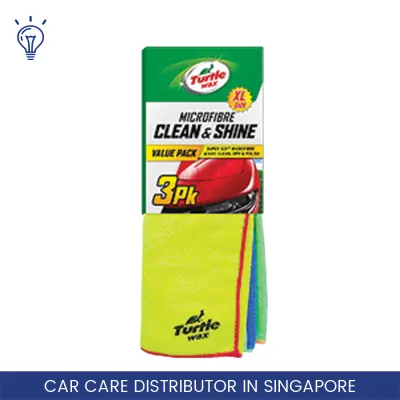
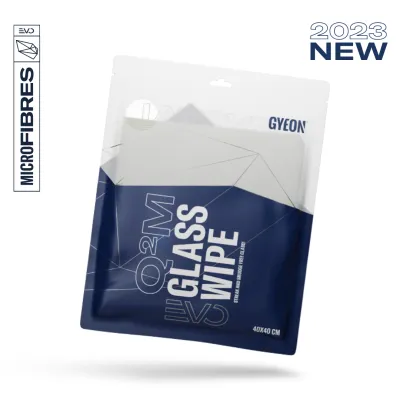
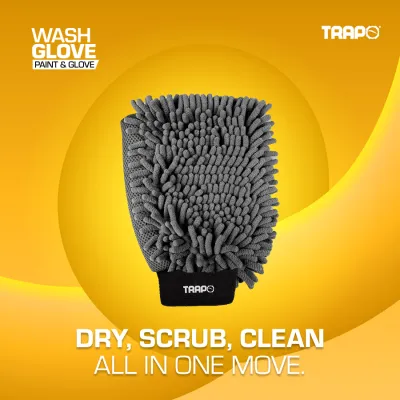
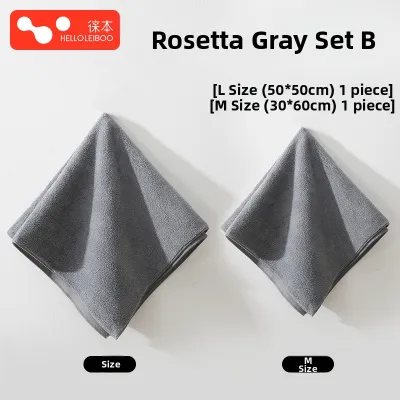
![[SG STOCKS] Disposable 20pcs/Box Microfiber Wash Cloth Multi-Use Kitchen Cleaning Towels High Absorption Cloth Car Cleaning Cloth](https://img.lazcdn.com/g/p/8902e02b86ad1852f6da3c689deb9dba.jpg_400x400q80.jpg_.webp)
Prices are valid at publication and may change. Please refer to the product page for the latest price.
Establishing a dedicated multi-cloth system is the only reliable way to protect your vehicle’s surfaces. By segmenting your towels into distinct zones, you ensure that high-risk contaminants are never transferred to sensitive areas. This systematic approach preserves your car’s finish and significantly reduces the effort required during each wash session.
Matching Your Car Cleaning Cloth to Specific Surfaces
Microfiber is not a uniform material; its cleaning characteristics are determined by how the synthetic fibers are split, woven, and piled. Selecting the correct car cleaning cloth requires understanding how these physical structures interact with different surfaces. By matching the weave and pile height to the specific job, you can maximize cleaning efficiency while eliminating the risk of physical damage.

Exterior Paint and Clear Coat
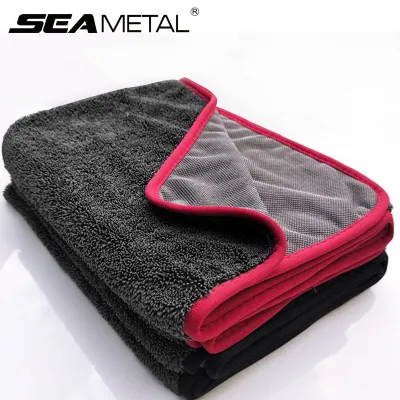
Your car’s exterior paint and clear coat require the gentlest treatment possible to avoid micro-scratches. For washing, a high-quality microfiber wash mitt is ideal because its long, loose strands safely lift dirt particles away from the surface during the contact wash. When it comes to drying, you should use a high-pile, plush microfiber towel with a high weight rating, which absorbs massive amounts of water without requiring heavy pressure.
For buffing away waxes, sealants, or quick detailers, look for medium-to-high-pile plush cloths that feature edgeless designs or soft silk-banded borders. Standard stitched edges can be relatively stiff and may scratch delicate clear coats if pressed too hard. These plush towels create a soft cushion of air and fiber, ensuring that any residual dust is pulled deep into the pile rather than dragged across the paint.
Always read your specific car care product labels and follow the manufacturer’s instructions for application. When working on paint, ensure the surface is cool to the touch and out of direct sunlight, especially in hot, humid climates like Singapore, to prevent products from drying too quickly and causing uneven finishes.
Windows, Mirrors, and Glass
Glass cleaning demands a completely different approach because high-pile plush towels tend to leave behind tiny lint fibers and smear oily road films instead of removing them. For a streak-free finish, you should use a dedicated glass cloth, which features a flat, tight weave or a distinctive waffle-weave pattern. The waffle-weave structure creates small pockets that trap dirt and moisture while providing just enough friction to cut through stubborn haze.
These low-pile towels require very little liquid glass cleaner to work effectively. In fact, oversaturating the glass is a common cause of persistent streaking. Spray a light mist of cleaner directly onto the cloth rather than the glass itself, wipe the surface with the cleaning side, and then immediately buff it dry with a completely dry, clean glass towel.
Ensure that your glass cleaning products are safe for tinted windows if your car has aftermarket solar films installed. Many Singapore vehicles use heat-rejecting window tints that can be degraded by ammonia-based cleaners, so always verify the chemical compatibility on the product label before application.
Wheels, Tires, and Engine Bays
The wheels, tires, and engine bay are the dirtiest parts of any vehicle, collecting heavy grease, road grime, and highly abrasive brake dust. To tackle these areas, use durable, low-pile, or textured utility microfiber cloths, such as a traditional terry weave. These cloths provide the mechanical agitation needed to break loose stubborn road grime without wearing out or tearing easily.
Because these areas harbor harsh contaminants, any cloth used here must be strictly segregated from the rest of your detailing kit. Once a microfiber towel is used on a wheel or inside an engine bay, it should be permanently downgraded to utility status and never allowed near your paint or interior again. Even after a thorough machine wash, microscopic metallic particles can remain trapped in the fibers, ready to scratch your clear coat.
When cleaning wheels and engine bays, always wear appropriate protective gear like gloves and eye protection, and ensure the engine has cooled completely before starting. Refer to your vehicle’s manual for sensitive electronic components in the engine bay that must be protected from moisture and cleaning chemicals.
Interior Surfaces (Dashboard, Leather, and Screens)
The interior cabin contains a complex mix of materials, including soft plastics, natural leather, polished wood trim, and highly sensitive electronic displays. For general dusting and wiping of the dashboard and door panels, a medium-pile, ultra-soft microfiber cloth is ideal. Its natural static charge easily attracts and holds dry dust without the need for heavy chemical sprays.
When cleaning leather seats, use a damp, soft microfiber cloth to gently wipe away dirt after applying a dedicated leather cleaner. Avoid using rough utility cloths, which can abrade the protective topcoat of modern automotive leather. For delicate infotainment screens and digital instrument clusters, use a specialized suede-like microfiber cloth, similar to those used for eyeglasses, to prevent scratching sensitive anti-glare coatings.
Keep your interior cloths isolated from your exterior detailing supplies. Wiping your dashboard with a towel that has even a trace amount of exterior wax or tire dressing can leave greasy, distracting streaks on your windshield or damage matte interior plastics.
How to Read Microfiber Cloth Labels and Specifications
When shopping for a car cleaning cloth on local online marketplaces or at detailing shops, you will encounter technical specifications that describe the fabric’s performance characteristics. Understanding these terms allows you to make informed decisions based on physical properties rather than marketing buzzwords.
GSM (Grams per Square Meter)
GSM is the standard measurement of a microfiber towel’s density, weight, and thickness.
- Low GSM (150–250): These thin, lightweight towels are highly durable and offer less drag, making them excellent for glass, door jambs, or wheels.
- Medium GSM (300–400): This is the sweet spot for general-purpose detailing. These towels have enough pile to safely dust interiors, wipe off polish, or clean leather.
- High GSM (500–800+): These thick, heavy, and incredibly soft towels are designed for maximum water absorption and paint safety. They are ideal for drying paint or buffing away waxes.
Blend Ratios
Microfiber is made from a blend of polyester and polyamide. Polyester provides the structural strength and scrubbing power, while polyamide provides the water absorption and softness.
- 80/20 Blend: Consisting of 80% polyester and 20% polyamide, this is the standard blend for general-purpose utility towels and glass cloths. It is durable and cost-effective.
- 70/30 Blend: Consisting of 70% polyester and 30% polyamide, this premium blend is significantly softer and more absorbent, making it the preferred choice for towels that touch your exterior paint.
Edge Types
The way a towel’s edges are finished plays a major role in its safety on delicate surfaces.
- Edgeless: These towels are laser-cut or ultrasonic-cut, leaving no stitched borders. They are the safest option for exterior paint because there are no hard threads to cause marring.
- Suede-Bound or Silk-Banded: These towels have their edges wrapped in a soft satin, silk, or microfiber suede strip, providing excellent durability while keeping the edges soft enough for paint contact.
- Overlock Stitched: These towels feature a standard thread-stitched edge. While highly durable and resistant to fraying, they are best reserved for wheels, glass, and interiors, where scratch risk is lower.
Care and Maintenance to Extend Cloth Lifespan
To maintain the performance of your car cleaning cloth collection and prevent them from becoming scratch hazards, you must follow strict care and maintenance protocols. Microfiber is a highly sensitive synthetic material that can be easily ruined by improper washing and drying techniques.
First, always wash your microfiber cloths separately from your regular household laundry and cotton towels. Cotton sheds lint fibers, which will immediately clog the microscopic splits in your microfiber, rendering them ineffective and prone to leaving lint on your car’s surfaces. You should also separate your heavily soiled wheel and engine bay cloths from your delicate paint-buffing towels to prevent grease and grit from transferring during the wash cycle.
Use a dedicated, dye-free, and fragrance-free liquid detergent, or a specialized microfiber wash solution. Strictly avoid using fabric softeners or chlorine bleach. Fabric softeners coat the synthetic fibers with a water-repellent chemical layer, completely destroying their absorbency and static-cling properties. Bleach will break down the delicate polyester and polyamide fibers over time, causing the cloth to shed and lose its softness.
When drying your towels, the safest method is to air-dry them in a clean, dust-free environment. If you use a clothes dryer, set it to a low-heat or no-heat fluff cycle. Because microfiber is made of plastic, high heat will melt the microscopic tips of the fibers, fusing them together. Once melted, the cloth will feel stiff, lose its absorbency, and act like sandpaper on your vehicle’s paint.
Once dry, store your clean cloths immediately in a sealed plastic container or a zippered storage bag. Leaving them exposed in a garage or utility room allows airborne dust, pollen, and grit to settle on the fibers, which can cause unexpected scratches during your next detailing session.
Frequently Asked Questions (FAQ)
Can I use old cotton t-shirts or bath towels instead of microfiber?
No, you should avoid using old cotton garments or bath towels on your vehicle’s paint. Cotton fibers are flat and organic, meaning they tend to push dirt and dust across the surface rather than lifting it. This dragging action acts like a fine abrasive, quickly leading to noticeable swirl marks and micro-scratches on your clear coat. Microfiber is engineered with microscopic split fibers that physically trap and lock debris deep within the pile, safely lifting it away from the surface.
How often should I replace my car cleaning microfiber cloths?
There is no fixed expiration date for microfiber towels; their lifespan depends entirely on how often they are used and how well they are maintained. You should inspect your cloths regularly and replace or downgrade them when you notice visible signs of wear. If a towel becomes stiff or crunchy after washing, loses its ability to absorb water quickly, or no longer exhibits a slight static cling when dry, it has reached the end of its useful life for paint care and should be relegated to dirty utility work or discarded.
Does the color of the microfiber cloth matter for car cleaning?
While the dye color does not affect the physical cleaning performance of the fabric, color-coding is a highly effective industry practice to prevent cross-contamination. By assigning specific colors to designated cleaning zones, you eliminate the risk of accidentally using a wheel towel on your sensitive paint. For example, you can use blue towels exclusively for glass, yellow towels for interior surfaces, grey towels for exterior paint drying, and black towels for dirty wheels and engine bays.
Community discussion
Share your experience or ask a question. Comments are reviewed before publication.