
To care for your vehicle’s paint without causing swirl marks or fine scratches, you must match the specific type of microfiber car wash cloth towel to the task at hand. Using the wrong towel can drag abrasive dirt particles across your clear coat, leading to dull paint and costly correction work. By understanding how different weave patterns, pile heights, and edge constructions function, you can build a safe and highly effective detailing routine.
Quick Guide: Matching Microfiber Towels to Car Care Tasks
Selecting the right microfiber towel depends entirely on the specific detailing step you are performing. Each towel type is engineered with a unique physical structure designed to handle moisture, dirt, or chemical residues differently.
- Washing (Wet Contact): Chenille noodle towels or mitts are ideal for lifting heavy dirt and grit away from the paint during the initial soapy wash.
- Drying (Bulk Water Removal): Plush, high-pile towels or specialized hybrid drying towels absorb large volumes of water quickly without scratching.
- Glass and Mirrors: Waffle weave towels provide a lint-free, streak-free finish on smooth glass and chrome surfaces.
- Polishing and Wax Removal: Edgeless, low-pile flat weave towels offer the necessary bite to lift sticky residues without marring delicate clear coats.
The core decision factor always comes down to matching the towel’s texture and pile height to the surface and task. This simple step ensures that abrasive particles are safely trapped rather than dragged across your vehicle’s exterior.
Products mentioned in this guide
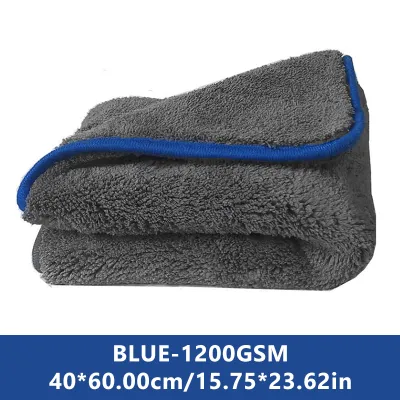
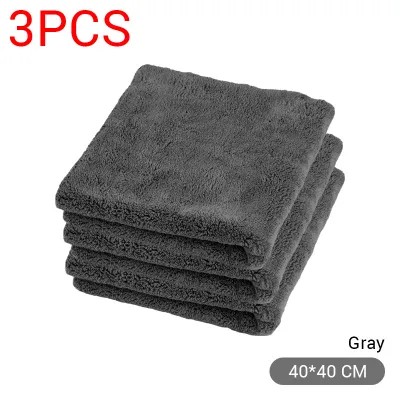
![[SG Seller]Car Wash Cloth Car Wash Double-Sided Microfiber Car Cloth Car Wash Accessories Microfiber Towel Coral Velvet](https://img.lazcdn.com/g/p/f9f25e9e99fc5d0afe3c436296506ae3.png_400x400q80.png_.webp)
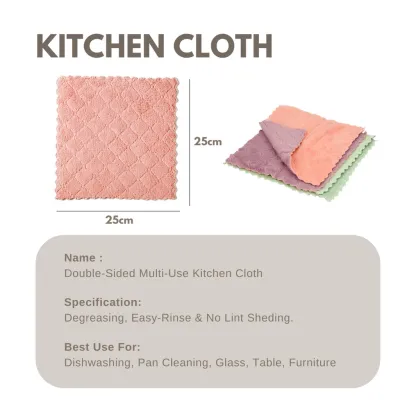
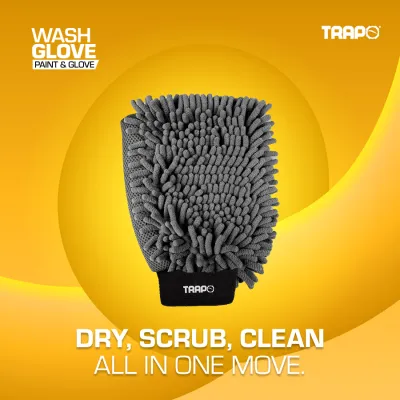
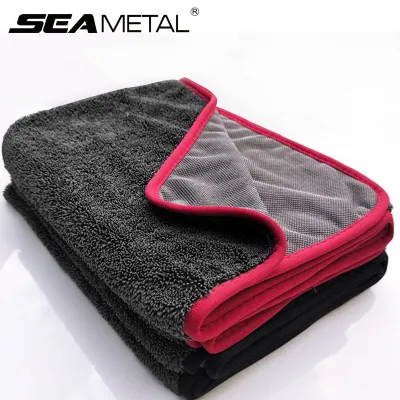
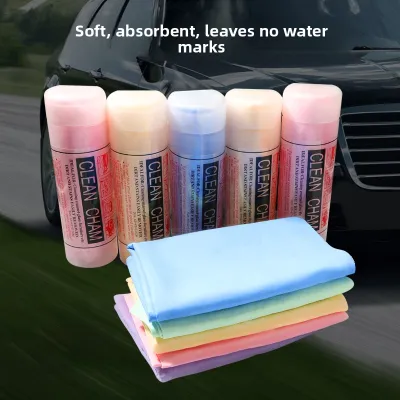
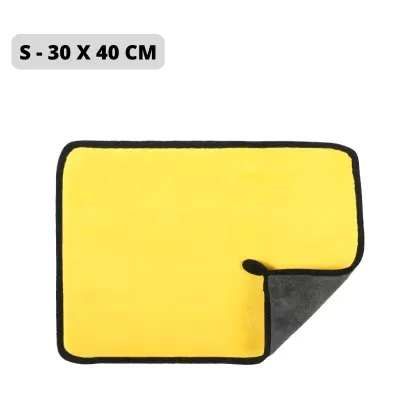
Prices are valid at publication and may change. Please refer to the product page for the latest price.
Main Types of Microfiber Car Wash Cloth Towels
Microfiber is a synthetic blend of polyester and polyamide, typically split in ratios like 70/30 or 80/20. The way these fibers are woven, their pile height, and how the edges are finished dictate the towel’s overall absorbency, dirt-trapping ability, and surface safety.

Plush and High-Pile Towels
Plush towels feature long, loose loops of microfiber that create a deep, soft cushion. This high-pile design is specifically engineered to pull light dust, moisture, and quick detailer sprays away from the paint surface, burying any stray particles deep within the fibers rather than letting them scrape against the clear coat.
These towels are highly effective for the final drying stages, applying spray waxes, or buffing away delicate quick detailers. Because the long fibers can easily become matted or clogged with dried product, always check the manufacturer’s label instructions for wash limits and care guidelines to maintain their signature fluffiness over time.
Waffle Weave Towels
Waffle weave towels do not have a traditional exposed pile. Instead, they are woven with a distinct grid pattern of raised and recessed squares that resemble a kitchen waffle. This unique texture allows the towel to glide effortlessly over smooth surfaces while the recessed pockets trap water and lift away light road film.
These towels excel at drying and cleaning automotive glass, side mirrors, and chrome trim, where a streak-free finish is the primary goal. However, because they lack a deep, cushioned pile to safely bury larger dirt particles, they are less suitable for wiping down delicate, dusty painted surfaces compared to plush variants.
Edgeless and Flat Weave Towels
Edgeless towels are laser-cut or ultrasonic-cut during manufacturing, leaving them completely free of stitched silk, polyester, or overlocked borders. Stitched edges can stiffen over time after multiple wash cycles, presenting a high risk of edge-induced marring on soft clear coats.
Flat weave towels feature a very short, dense pile that provides excellent surface bite. This makes them the perfect tool for removing stubborn polish, compound, and wax residues, as well as leveling ceramic coatings or applying paint sealants. Before purchasing, check the fabric density—often measured in grams per square meter (GSM)—to ensure the weight is appropriate for the specific chemical or residue you need to remove.
Chenille and Noodle Towels
Chenille towels and wash mitts are easily recognized by their deep-pile, finger-like “noodle” structure. These thick, woven microfiber fingers dramatically increase the overall surface area of the tool, allowing it to hold a massive amount of soapy water.
As you glide a chenille towel over the vehicle, the spaces between the noodles safely lift and channel heavy dirt, road grime, and grit away from the paint, holding them deep within the glove until rinsed in a clean bucket. These tools are designed exclusively for the initial wet contact wash phase; using them for drying or polishing will result in heavy linting, streaks, and potential paint damage.
How to Choose the Right Towel for Your Detailing Routine
Building a functional detailing kit requires a systematic approach rather than relying on a single utility cloth. In tropical climates where fine dust and road grime accumulate rapidly on vehicles parked in open-air or multi-storey car parks, using a task-specific towel is essential to preserve your paint’s gloss.
To establish a safe routine, follow this conditional decision framework:
- Choose chenille noodle towels or mitts for the initial soapy wash phase to safely lift heavy grit.
- Choose plush, high-pile towels for drying the paintwork and applying quick detailers.
- Choose waffle weave towels for cleaning glass, mirrors, and chrome trim to prevent streaks.
- Choose edgeless, low-pile flat weave towels for removing polish, wax, or ceramic coatings.
Before making a purchase, always check the product labels for material composition and edge construction. A 70/30 polyester-to-polyamide ratio is generally softer and more absorbent than an 80/20 blend, making it safer for delicate clear coats.
Additionally, implement a strict color-coding system to separate your towels by task. For example, reserve blue towels exclusively for glass, yellow for paint buffing, and grey for dirty areas like door jambs, engine bays, or wheels. This visual separation prevents cross-contamination, ensuring that a towel contaminated with greasy residue or heavy brake dust never accidentally touches your exterior paint.
Washing and Maintaining Your Microfiber Towels
Microfiber is highly durable, but its synthetic fibers require specific laundering practices to maintain their electrostatic charge and soft texture. Always wash your microfiber towels separately from cotton towels, clothing, or any lint-producing fabrics, as cotton fibers will clog the microfiber hooks and render them abrasive.
When washing, check your detergent labels and use a dedicated microfiber wash or a mild, liquid detergent free of perfumes, dyes, and fabric softeners. Absolutely avoid fabric softeners and bleach; softeners coat the synthetic fibers with a water-repellent layer that destroys absorbency, while bleach degrades the delicate polyamide structure over time.
Drying requires equal care to prevent melting the synthetic fibers. Because microfiber is made of polyester and polyamide, high heat will melt the microscopic tips of the fibers, turning them hard and scratchy. Air dry your towels in a clean, dust-free indoor space, or tumble dry them on a no-heat or very low-heat setting based on the manufacturer’s care tag.
Frequently Asked Questions (FAQ)
Can I use the same microfiber towel for washing and drying?
No, using the same towel for both washing and drying is highly discouraged. During the wash phase, towels accumulate heavy road grit, brake dust, and environmental contaminants. Even after rinsing, microscopic particles can remain trapped in the fibers. If you use that same towel to dry the vehicle, you risk grinding those abrasive particles back into the clean clear coat, causing severe swirl marks and scratches. Always maintain dedicated chenille towels or mitts for the soapy wash phase, and use separate, pristine plush or waffle weave towels exclusively for drying and polishing.
How do I know when a microfiber towel needs to be replaced?
You can determine if a microfiber towel needs retirement by observing its physical condition and performance. If the fibers remain matted, stiff, or rough to the touch even after a proper wash, the synthetic fibers have likely melted or become clogged with dried wax or polish. Another clear indicator is a sudden loss of absorbency, where the towel pushes water around rather than lifting it. When a towel exhibits these signs, or if it has been dropped on a dirty floor, retire it from paintwork duty. You can safely repurpose these degraded towels for less sensitive tasks, such as cleaning engine bays, exhaust tips, wheels, or interior plastics.
Community discussion
Share your experience or ask a question. Comments are reviewed before publication.