
The best lorry mobile holder mounting style depends on your cabin’s specific layout—choose a dashboard adhesive or weighted mount for textured surfaces, a heavy-duty windshield suction mount for steep glass, or a robust hook-style vent mount if your HVAC slats are sturdy enough. Standard passenger car mounts often fail in commercial vehicles due to the unique physical demands of a lorry cabin environment.
Lorries experience intense, low-frequency chassis vibrations, especially when unladen or navigating construction sites and industrial zones. These vibrations travel directly through the chassis, causing lightweight car mounts to shake loose, sag, or detach entirely while driving.
Furthermore, the physical geometry of a lorry cabin is fundamentally different from a passenger vehicle. Windshields are nearly vertical to maximize forward visibility, which puts extra downward leverage on suction cups. Dashboards are also deeper, placing the windshield further out of the driver’s comfortable reach, while the elevated seating position alters the driver’s natural line of sight.
Products mentioned in this guide
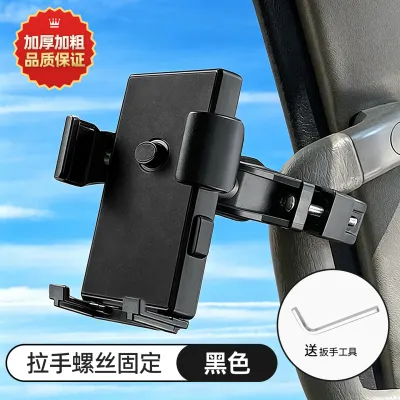
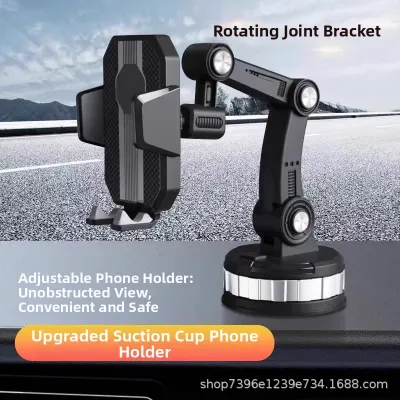
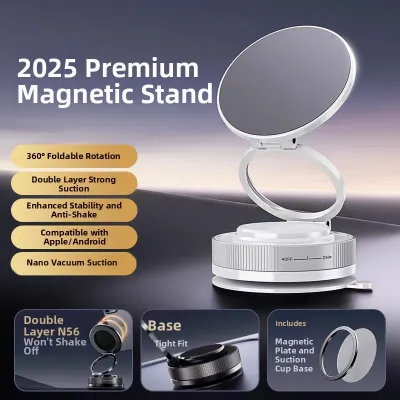
Prices are valid at publication and may change. Please refer to the product page for the latest price.
Common dashboard materials in commercial vehicles are rugged, heavily textured, ribbed, or made of soft-touch plastics designed for durability rather than adhesion. These textured surfaces prevent standard suction cups from forming an airtight seal, leading to frequent mount failures.
Keeping the driver’s line of sight clear is critical. Lorries have larger blind spots, and drivers must maintain maximum forward visual attention. Selecting the right mounting style—whether dashboard, windshield, air vent, or seat back—is essential to keep your device secure and your view unobstructed.
Dashboard and Windshield Mounts: Best for Flat or Smooth Surfaces
Suction cup mounts are highly versatile but require a perfectly non-porous surface like glass to function reliably. On the steep windshields of commercial lorries, the weight of a heavy smartphone acts as a lever, pulling downward on the suction pad. To counter this, look for industrial-grade suction cups that use a mechanical gel pad combined with a locking vacuum lever.
For textured dashboards where suction cups fail, heavy-duty adhesive mounts are the standard alternative. These typically use high-bond double-sided acrylic foam tape. However, because these adhesives are semi-permanent, you must plan the mounting position carefully.
Always verify your vehicle’s specific model documentation and dashboard layout to identify safe mounting zones. Never place an adhesive mount over passenger airbag deployment zones, steering wheel covers, or critical instrument clusters. Avoid mounting on highly curved dashboard edges where adhesion is compromised.
Before applying any adhesive, consult your vehicle manufacturer’s care instructions regarding dashboard materials. To ensure a lasting bond in Singapore’s hot, humid climate—where cabin temperatures can easily exceed 50 degrees Celsius when parked outdoors—proper surface preparation is mandatory. Clean the target area thoroughly using a clean microfiber cloth and isopropyl alcohol (if authorized by the vehicle’s material care guide) to strip away dust, grease, and silicone-based dashboard polishes. Allow the surface to dry completely before applying the adhesive pad, and let the adhesive cure for at least 24 hours before attaching the weight of the phone holder.
If you prefer not to use permanent adhesives on a leased or fleet-owned lorry, a weighted friction mount (often called a bean-bag mount) is an excellent alternative. These heavy, non-slip bases contour to the shape of textured or sloped dashboards. They rely on gravity and high-friction silicone undersides to stay in place, allowing you to easily remove the entire assembly at the end of your shift.
Air Vent Mounts: Navigating Commercial HVAC Designs
Air vent mounts offer the advantage of keeping your mobile device within easy reach and below the windshield line, preserving your forward view. However, commercial lorry HVAC designs differ significantly from standard passenger cars. Many light and medium lorries feature thick, heavy-duty vent slats designed to withstand rugged use, while others use circular, rotating vents that spin freely under weight.

Standard spring-loaded claw clips often lack the jaw capacity to grip thick commercial vent slats securely. For these configurations, a metal hook-style tension mount is highly recommended. These mounts feature an extendable hook that loops behind the vent slat and tightens via a mechanical screw mechanism, providing a rock-solid mechanical connection that resists heavy cabin vibrations.
Despite their stability, vent mounts carry inherent risks. The constant vibration of a heavy lorry, combined with the weight of a large-screen smartphone, places immense stress on fragile plastic slats. Over time, this can lead to cracked or broken vent mechanisms, which are costly and difficult to repair. Always perform a physical check before installing: gently press against the vent slats with your finger to assess their stiffness and structural integrity. If the slats bend easily or feel brittle from UV exposure, avoid using a vent mount.
Another major consideration is climate control and device health. In Singapore’s hot and humid tropical weather, the cabin’s air conditioning is essential for driver comfort. Blocking a primary vent with a large mobile phone restricts airflow, making the cabin feel warmer. More importantly, directing cold air directly onto the back of an operating smartphone can cause internal condensation to form as the warm electronics meet the chilled air. Conversely, during rainy periods when you might run the defroster or heater, blowing hot air directly onto your phone can cause it to overheat and shut down. If you must use a vent mount, choose one with an extended arm that offsets the phone away from the direct path of the airflow.
Seat Back and Headrest Mounts: Niche Uses in Commercial Cabs
While dashboard, windshield, and vent mounts are designed to assist the driver with navigation and communication, seat back and headrest mounts serve highly specific, niche roles within commercial lorry cabins. In a standard single-cab lorry, the driver and passenger seats are positioned directly against the rear bulkhead of the cabin. Because there is no rear seating row, mounting a holder to the back of these seats is physically impractical for active driving tasks.
However, these mounts become invaluable in crew-cab lorries, which are commonly used in Singapore to transport logistics crews, construction teams, or utility workers between job sites. Mounting a tablet or mobile device to the front headrest poles allows rear-seat passengers to view route schedules, update delivery manifests, or monitor job dispatches hands-free while on the move.
Additionally, even in single-cab lorries, a passenger-side headrest mount can be utilized by the driver during mandatory rest breaks. By mounting a tablet or phone to the passenger seat headrest, the driver can comfortably view training videos, log digital paperwork, or rest without having to hold the device.
Before purchasing a headrest mount, inspect your lorry’s seating configuration. Many commercial vehicle seats feature integrated headrests with no exposed metal support poles, or they utilize exceptionally thick, non-standard poles that standard plastic clamps cannot accommodate. If your vehicle lacks exposed metal poles, look for heavy-duty, adjustable strap-based mounts that wrap securely around the entire headrest structure. Always ensure that any rear-facing mount is securely tightened and does not interfere with the driver’s rearward visibility or the deployment of seat-integrated safety systems.
Quick Guide: Matching Mount Types to Cabin Features
To help you quickly identify the most suitable mounting style for your lorry’s specific cabin layout, refer to the decision matrix below. This guide focuses on physical cabin attributes and practical outcomes to streamline your choice.
| Mount Type | Best Cabin Feature | Potential Drawback | Ideal Lorry Scenario |
|---|---|---|---|
| Dashboard (Adhesive/Weighted) | Textured or flat dashboard surfaces | Adhesive can degrade in hot cabins; weighted mounts require flat space | Fleet vehicles where windshield mounting is restricted |
| Windshield (Suction) | Smooth glass surfaces | Can block forward vision; steep glass angles reduce suction over time | Long-haul driving where high-level navigation is preferred |
| Air Vent (Clip/Hook) | Sturdy, accessible HVAC vents | Can block airflow; risk of breaking fragile plastic slats | Compact cabins with limited dashboard space |
| Headrest (Clamp/Strap) | Exposed metal headrest poles or adjustable seats | Impractical for driver use; requires rear passenger space | Crew-cab logistics transport or driver rest-break entertainment |
Safety and Visibility Rules for Lorry Drivers in Singapore
Operating a commercial vehicle in Singapore requires strict adherence to safety standards to protect both the driver and other road users. The Land Transport Authority (LTA) emphasizes that drivers must maintain a completely unobstructed view of the road ahead and all mirrors. When installing a lorry mobile holder, position it so that it does not block your direct line of sight through the windshield or obscure your view of the side-view mirrors. Avoid placing mounts in the central sweep of the windshield wipers or high up on the glass where they can create dangerous blind spots.
To minimize cognitive load and eye diversion while driving on busy expressways like the Pan Island Expressway (PIE) or East Coast Parkway (ECP), place your mobile device within your natural forward field of vision. The ideal placement is just below the dashboard line, allowing you to glance at navigation prompts using your peripheral vision without fully taking your eyes off the road.
Proper cable management is another critical safety factor. Running a charging cable from a dashboard mount to a 12V auxiliary outlet can create loose, dangling wires. Use adhesive cable clips to route charging cords neatly along the dashboard seams, keeping them completely clear of the steering column, gear shift lever, and foot pedals. A loose cable that becomes entangled with your hands or feet during an emergency maneuver poses a severe safety hazard.
Finally, establish a pre-drive safety routine. Before starting your engine, perform a quick physical check of the mobile holder. Ensure the clamping arms are tight, the suction cup lever is fully engaged, or the vent clip is secure. Singapore’s tropical heat can weaken adhesives and suction seals over time, so verifying mechanical stability before setting off prevents your phone from detaching and becoming a dangerous projectile during sudden braking or sharp turns.
Frequently Asked Questions (FAQ)
Can I use a standard magnetic mount in a heavy-duty lorry?
Standard magnetic mounts designed for passenger cars are generally inadequate for heavy-duty lorries. The intense chassis vibrations, combined with speed bumps and uneven industrial roads, can easily cause your phone to slide off. If you prefer the convenience of magnetic mounting, look for specialized holders equipped with heavy-duty N52 neodymium magnets or those that combine magnetic alignment with a mechanical locking cradle for maximum security.
How do I safely remove adhesive residue from a textured lorry dashboard?
To remove stubborn adhesive residue without damaging your lorry’s interior, first check the adhesive remover product’s label and your vehicle manufacturer’s care instructions. If the instructions conflict, or if your dashboard material is unidentified, stop and consult a qualified automotive detailing professional. If safe to proceed, apply a mild, automotive-safe adhesive remover or warm soapy water to a clean microfiber cloth and gently rub the residue. Never use sharp metal scrapers, razor blades, or harsh chemical solvents like acetone or paint thinner, as these can permanently melt, discolor, or strip the texture from your plastic dashboard.
Community discussion
Share your experience or ask a question. Comments are reviewed before publication.