
Keeping your car clean in Singapore’s demanding tropical climate can be a constant battle against road grime, intense UV radiation, and high humidity. Many car owners mistakenly assume that a single multi-purpose cleaning spray can safely handle every surface inside and outside their vehicle, only to end up with faded leather, cloudy plastic trims, or scratched clear coats. Selecting the correct Liqui Moly cleaner requires matching the specific formulation—such as dedicated leather care, fabric cleaners, plastic deep cleaners, glass cleaners, or paint-safe shampoos—to the exact material of the surface while strictly verifying the product label’s compatibility instructions. By understanding the distinct chemical properties of these different cleaners, you can effectively preserve your vehicle’s appearance and protect its resale value without risking accidental chemical damage.
Which Liqui Moly cleaner type is right for leather, fabric, and plastic interiors?
Choosing the right interior cleaner depends on whether you are treating porous organic materials like leather, absorbent synthetic textiles like fabric, or non-porous synthetic polymers like dashboard plastics. Each of these materials reacts differently to moisture, pH levels, and chemical solvents, making specialized formulations essential for safe maintenance.
Caring for Leather and Sensitive Materials
Leather is a natural, porous material that requires gentle, pH-balanced cleaning agents to prevent it from drying out, cracking, or losing its natural oils. Standard multi-purpose cleaners are often too alkaline for leather, stripping away its protective topcoat and leaving it vulnerable to wear. When selecting a Liqui Moly leather cleaner, look for formulations that combine mild cleaning agents with conditioning ingredients like beeswax or silicone emulsions. These ingredients help maintain the leather’s elasticity and soft texture. For highly sensitive materials such as Alcantara, suede, or untreated aniline leather, standard wet leather cleaners are generally unsuitable. These materials have a delicate nap that can easily mat or stain when exposed to liquid cleaners. Always check the product label to verify if the formulation is explicitly rated safe for Alcantara, and consider using dry-cleaning foams or specialized soft brushes designed to lift dirt without oversaturating the fibers.
Products mentioned in this guide
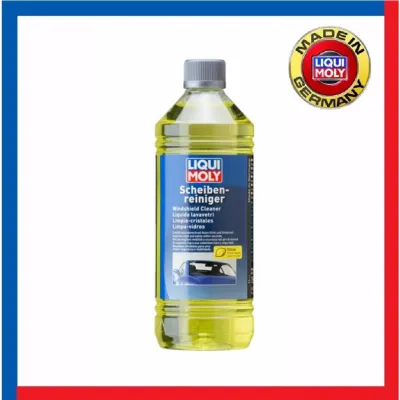
27 Lazada user ratings
Well protected. Yet to try, but liqui moly product are of good quality. Have tried their liqui moly ceratec, valve cleaner and injection cle…Read full reviewShow less
Well protected. Yet to try, but liqui moly product are of good quality. Have tried their liqui moly ceratec, valve cleaner and injection cleaner. All works good. Highly recommended. Comes with free pens. Thank u
Leaves no streaks or residue, A must-have for car/motorcycle owners, Provides optimum protection for your vehicle,
received the item well packed! haven try out but I assume this will be 100x better than normal car shampoo.
Quality: good Appearance: good Performance: I have been using this product for ages. Highly recommended.
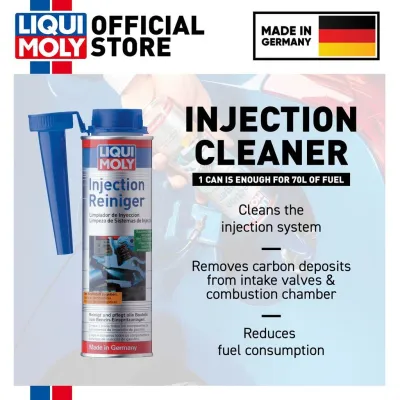
115 Lazada user ratings
Quality: excellent Appearance: excellent Performance: excellent Third purchase. It get rid of the engine vibration at low rpm. Engine perfor…Read full reviewShow less
Quality: excellent Appearance: excellent Performance: excellent Third purchase. It get rid of the engine vibration at low rpm. Engine performance is also significantly improved.
Good quality product. one bottle mfg date is in 2022 while the other can is in 2024. hope the older can is as effective as the newer one.
Product came very fast and without dents unlike other buyers. Well packaged and definitely would buy again after use👌
Quality: excellent Performance: excellent Appearance: delivered in good condition It is 2nd purchase. Good stuff
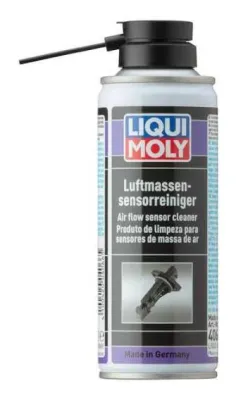
46 Lazada user ratings
I'm really impressed with this air flow sensor cleaner! ✨ It's perfect for both gasoline and diesel engines, making it super versatile. My c…Read full reviewShow less
I'm really impressed with this air flow sensor cleaner! ✨ It's perfect for both gasoline and diesel engines, making it super versatile. My car's performance has noticeably improved since I started using it. Definitely helps maintain accurate sensor readings. Highly recommend! 💯🚗💨
🔧Durability:Looks like a gd set 👌Ease of Use:so far so gd. yet to.try but looks promising 🔒Safety:safe tools. very good
Very very very accurate and fast delivery from seller. well packaged and product secured inside outer packaging.
Safely wrap and bubble wrap in the box. Just connect the tube and spray, let it dry out and it is done.
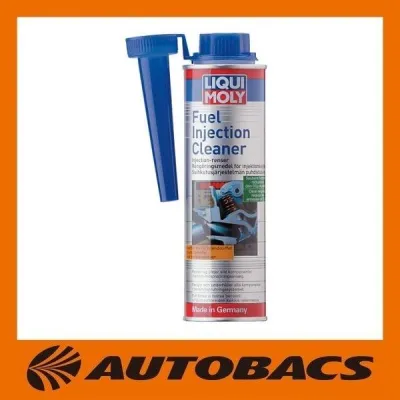
81 Lazada user ratings
Got it during flash sale. Good price and as usual well packed by autobac. No dents at all on the can. I've been using Liqui Moly Ceratec for…Read full reviewShow less
Got it during flash sale. Good price and as usual well packed by autobac. No dents at all on the can. I've been using Liqui Moly Ceratec for every servicing and find it quite good. Now trying this Injection Cleaner, think can use after every servicing, though indicated for every 2k. Used on my Mitsubishi Attrage, some slight improvement in acceleration lighter and engine smoother, not very significant though compare to their Ceratec. Good for maintenance purpose.
Fast shipping by seller and well protected. No leak. Have used this before. Good for maintenance purposes. Listed as each bottle can treat 7…Read full reviewShow less
Fast shipping by seller and well protected. No leak. Have used this before. Good for maintenance purposes. Listed as each bottle can treat 70l of fuel. Usually I'll add half after each 10k servicing and another half at half way point. Can feel acceleration is better and lighter. Recommened to try.
Fast shipping and well protected. Use this every 10k with Liqui Moly valve cleaner for maintenance. Good product. Can feel accelerator is mu…Read full reviewShow less
Fast shipping and well protected. Use this every 10k with Liqui Moly valve cleaner for maintenance. Good product. Can feel accelerator is much lighter and better.
Fast Delivery...received in 4days Properly packed in a carton box with bubble wrap packaging to prevent dent to container
Quality: very good Performance: very good Engine is less noisy and pickup speed has increased.
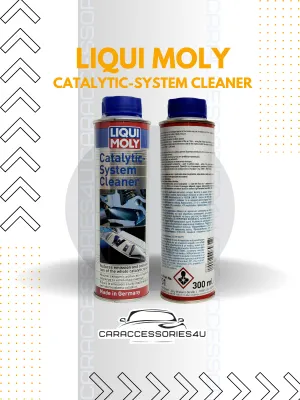
15 Lazada user ratings
Thought was a simple add to fuel like Cataclean but was otherwise. If you r not a DIY Guy than better to get a mechanic to help out.
Received relatively fast. 💪Effectiveness:hope this works to help the engine. hope this works well. havenot try yet.
👌Ease of Use:item well packed and as advertised. delivery also fast. receive within 4days. value for money.
Well packed and Fast delivery!
tight packing , fast delivery
Prices are valid at publication and may change. Please refer to the product page for the latest price.
Fabric and Carpet Maintenance
Automotive fabrics, seat upholstery, and carpets are prone to absorbing liquid spills, sweat, and deep-seated dirt. To address these surfaces, Liqui Moly offers fabric-specific cleaners, often packaged as active foams or liquid sprays. These formulations are engineered to penetrate deep into the textile fibers, encapsulate dirt particles, and lift them to the surface for easy removal. When dealing with fabric upholstery, it is crucial to avoid over-wetting the seats, as excess moisture can seep into the underlying foam cushions, leading to mold, mildew, and unpleasant odors—a common issue in Singapore’s humid climate. Fabric cleaners should dry relatively quickly and leave behind a clean scent without leaving sticky residues that attract more dirt over time.
Plastic Trim and Dashboard Care
The plastic components of your car’s interior, such as the dashboard, door panels, and center console, are constantly exposed to sunlight and heat. Over time, this exposure can cause the plasticizers in the material to degrade, leading to fading, cracking, or a sticky surface texture. When choosing a Liqui Moly plastic cleaner or cockpit care spray, look for formulations that offer anti-static properties and UV protection. Anti-static agents help repel dust, keeping your interior cleaner for longer, while UV blockers act as a sunscreen for your dashboard. Additionally, pay attention to the desired finish specified on the label; some products provide a matte finish that reduces windshield glare, while others offer a high-gloss shine. Avoid using gloss-enhancing plastic cleaners on functional surfaces like the steering wheel, gear shifter, or pedals, as these products can leave a slippery residue that compromises your grip and driving safety.
How do you choose a Liqui Moly cleaner for exterior glass and painted surfaces?
Selecting an exterior cleaner requires separating products designed to lift road grime from delicate clear coats from those formulated to dissolve oils on glass without leaving a residue. Using an incorrect formulation on these highly visible surfaces can lead to unsightly streaks, chemical etching, or micro-scratching.
Glass Cleaning and Tint Safety
Automotive glass requires a highly specialized cleaning formulation that can dissolve stubborn road film, insect residues, and oily outgassing from interior plastics without leaving streaks or haze. Standard household glass cleaners often contain ammonia, which is highly damaging to automotive surfaces. Ammonia can dry out rubber window seals, cause them to crack over time, and chemically degrade aftermarket window tint films, leading to bubbling or purple discoloration. When selecting a Liqui Moly glass cleaner, ensure the label explicitly states that the formula is ammonia-free and safe for tinted windows. A proper automotive glass cleaner should evaporate quickly and cleanly, leaving a crystal-clear surface that ensures optimal visibility during heavy rainstorms or night driving.
Paintwork and Clear Coat Protection
Your car’s paintwork is protected by a thin layer of clear coat that is highly susceptible to scratching, swirling, and chemical etching. To maintain this surface, you must choose between dedicated car wash shampoos, quick detailers, and chemical paint cleaners. Standard car wash shampoos are formulated to provide high lubrication, allowing your wash mitt to glide smoothly over the paint and lift dirt particles without dragging them across the clear coat. For light dust, fingerprints, or water spots between washes, a quick detailer spray provides light cleaning action along with a protective gloss layer. However, if your paint has embedded contaminants like industrial fallout, tree sap, or overspray, a dedicated paint cleaner or clay bar system may be required. Never use harsh household detergents, dish soaps, or abrasive household scrubbing creams on your car’s paint, as these will strip away protective waxes and scratch the clear coat. Always verify that the Liqui Moly paint care product you select is rated safe for your specific paint type, whether it is a standard clear coat, a matte finish, or a ceramic-coated surface.
How can you verify surface compatibility and avoid damage before applying any cleaner?
To prevent costly damage to your vehicle’s surfaces, always perform a systematic compatibility check by reading the manufacturer’s label instructions and executing a localized spot test. This precautionary protocol is especially critical when working with older vehicles, aftermarket modifications, or unfamiliar chemical formulations.
Reading the Product Label
Before opening any bottle of Liqui Moly cleaner, take the time to thoroughly read the manufacturer’s instructions on the back label. Pay close attention to recommended dilution ratios, as concentrated formulas must be mixed precisely with water to avoid surface damage. Note the specified dwell time—the maximum duration the chemical is allowed to remain on the surface before being wiped or rinsed away. Allowing a strong cleaner to sit too long can lead to chemical burns or permanent staining, particularly on warm surfaces or under direct sunlight. Additionally, look for specific material exclusions, such as warnings against using the product on polycarbonate plastics, chrome, or polished aluminum.
Executing a Safe Spot Test
Even if a product claims to be safe for a general material category, variations in manufacturing, age, and wear can affect how your specific vehicle responds. To perform a spot test, select a small, hidden area of the surface you intend to clean. For interior plastics, this could be the lower edge of the door panel or inside the glove box; for leather seats, choose the underside of the headrest or a seam near the seat base; for exterior paint, use the lower rocker panel or inside the door jamb. Apply a tiny amount of the cleaner to a microfiber cloth and gently wipe the test area. Allow the product to sit for the recommended dwell time, then wipe it clean. Inspect the area under good lighting for any signs of color transfer onto the cloth, changes in surface texture, bubbling, tackiness, or localized loss of gloss. If any of these adverse reactions occur, stop using the product immediately, rinse the area with clean water, and consult a professional automotive detailer or the vehicle manufacturer for alternative cleaning solutions.
What application methods and tools work best for each car surface type?
Achieving a professional, damage-free finish depends as much on your application tools and techniques as it does on choosing the correct chemical cleaner. Using the wrong tool can introduce scratches, leave lint behind, or result in uneven product distribution.
Interior Agitation and Wiping
When cleaning delicate interior surfaces, avoid spraying chemical cleaners directly onto the dashboard or electronics, as overspray can seep into sensitive switches and cause electrical malfunctions. Instead, spray the Liqui Moly cleaner directly onto a clean, high-quality microfiber towel or applicator pad, then gently wipe the surface. For textured plastics or leather pores, a soft-bristled detailing brush can be used to gently agitate the cleaner and lift embedded dirt. Avoid applying excessive pressure; let the chemical formulation do the work. Once the dirt is loosened, immediately wipe the area dry with a separate, clean microfiber towel to prevent the suspended grime from settling back into the material.
Streak-Free Glass Techniques
To achieve perfectly clear glass without streaks or residue, employ the two-towel method. Spray your chosen glass cleaner onto a low-pile microfiber towel or a waffle-weave glass towel. Wipe the glass surface thoroughly, working in a grid pattern (up-and-down, then left-to-right) to ensure complete coverage and prevent edge buildup along the window seals. Immediately follow up with a second, completely dry microfiber towel to buff the glass to a streak-free finish. This second wipe removes any remaining chemical residue before it has a chance to dry and form spots.
Safe Exterior Washing Protocols
For exterior painted panels, always use the two-bucket wash method to minimize the risk of wash-induced swirl marks. Fill one bucket with your diluted Liqui Moly car wash shampoo and a second bucket with clean water for rinsing. Dip your high-quality microfiber wash mitt into the soapy water, wash a section of the vehicle starting from the top and working down, and then rinse the dirty mitt in the clean water bucket before reloading it with fresh shampoo. This process prevents dirt particles from being transferred back onto the paint. Never wash your car in direct sunlight or when the body panels are hot to the touch, as the heat will cause the soapy water to dry prematurely, leaving stubborn water spots and chemical etching on your clear coat. Once washed, dry the vehicle immediately using a dedicated, plush microfiber drying towel to prevent mineral spots from forming as the water evaporates.
Community discussion
Share your experience or ask a question. Comments are reviewed before publication.