
For parents driving from Singapore to Johor Bahru (JB), navigating the unpredictable traffic on the Causeway or Tuas Second Link is a familiar challenge. When traveling with an infant or toddler, this journey requires meticulous planning, especially regarding diaper choices. The ideal diaper must withstand hours of sitting in a car seat without leaking, remain comfortable across sudden temperature shifts, and be easy to change in tight spaces.
The most reliable diaper variant for a long JB road trip is Huggies Platinum Nature Care Pants for active toddlers, or Huggies Overnight Pants if you anticipate traveling during nap times or facing severe checkpoint delays. While tape diapers are excellent for younger, stationary infants, the convenience of pull-up pants makes them the superior choice for quick, fuss-free changes inside a cramped car cabin or at busy Malaysian petrol stations.
The Unique Diaper Challenges of a JB Road Trip
Driving across the border is rarely a straightforward journey. Traffic congestion at the Singapore and Johor Bahru checkpoints can fluctuate wildly due to peak hours, school holidays, or unexpected custom delays. A trip that typically takes less than an hour can easily stretch into a three- or four-hour ordeal, leaving you stuck on the bridge with limited opportunities to stop. During these extended periods, your baby remains buckled into their car seat, placing constant pressure on the diaper’s wetness zone and increasing the risk of compression leaks.
Products mentioned in this guide



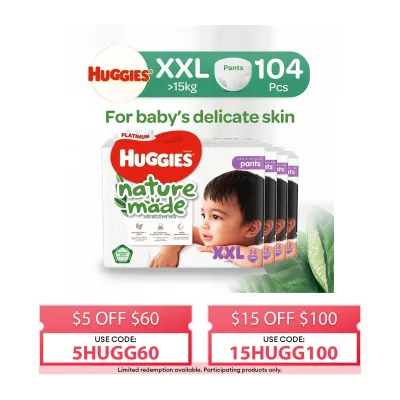
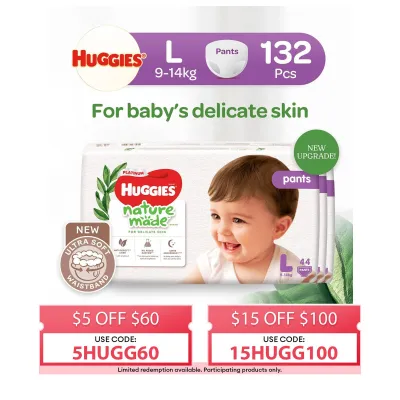
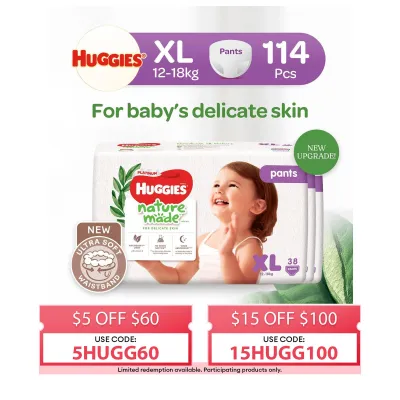
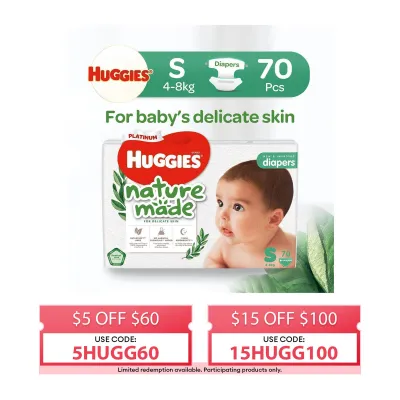
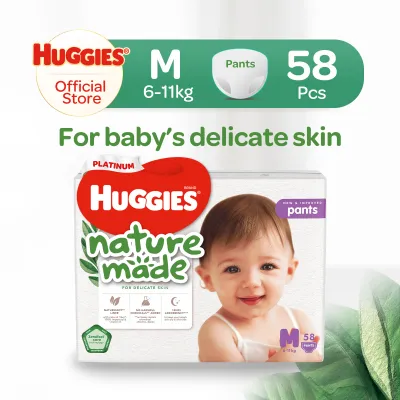
Prices are valid at publication and may change. Please refer to the product page for the latest price.
Changing a diaper in a vehicle presents its own set of logistical hurdles. Unlike a fully equipped shopping mall parenting room in Singapore, a car cabin offers highly confined physical spaces. You may have to perform a change on the backseat or in the front passenger seat while parked, which requires a diaper that can be swapped quickly and with minimal maneuvering.
Additionally, the microclimate inside the car differs significantly from the outdoor environment. The car’s air conditioning system creates a cool, dry atmosphere, but the moment you step out into the tropical heat of Johor Bahru, the temperature and humidity spike. This rapid transition can trap sweat and moisture within the diaper’s waistband and leg cuffs, leading to skin irritation if the material lacks sufficient breathability.
Huggies Pants vs. Tape: Which is Easier for Car Changes?
Choosing between tape diapers and pull-up pants depends largely on your baby’s developmental stage and where you plan to perform changes. Tape diapers, such as Huggies Platinum Nature Care Tape, are highly adjustable and allow you to customize the fit around your baby’s waist. They are ideal for younger infants who are content to lie flat on a changing mat spread across the car’s backseat. However, if your baby has reached the crawling or standing stage, fastening tape tabs in a restricted space can become a frustrating struggle.

Pull-up pants, like Huggies Platinum Nature Care Pants, offer unmatched convenience for older babies and active toddlers. They can be slipped on quickly while your child stands on the car floorboard, eliminating the need to clear off a flat surface for them to lie down. When it is time to remove them, you simply tear the side seams, wipe the baby, and pull a fresh pair up. This speed is invaluable when you are parked in a temporary holding zone or a busy rest stop where time is limited.
The transition from tape to pants is highly recommended once your baby begins to wriggle, roll over, or resist lying down during changes. For a road trip, having at least one pack of pants in your vehicle’s cabin can save significant effort, even if you still use tape diapers at home.
Before setting off, always check the specific fit and leg cuff design on the Huggies packaging. The diaper must fit snugly around the thighs without leaving red marks, yet remain secure enough to prevent gaps when the baby’s legs are bent in the car seat. Properly flaring out the double leak guards after putting the diaper on is a simple but critical step to ensure maximum leak protection during long stretches of sitting.
Regular vs. Overnight Huggies: Managing Long Traffic Jams
When preparing for potential multi-hour traffic jams on the Causeway, absorbency becomes your primary defense against leaks and diaper rash. Standard daytime diapers, such as the Huggies Platinum or Nature Care lines, are designed for lightweight comfort and high breathability during active play. They are excellent for the destination itself but may reach their capacity limit during an unexpectedly long border crossing where stopping is not an option.
In contrast, Huggies Overnight Pants are engineered specifically for extended wear, featuring a higher concentration of superabsorbent polymers (SAP) and specialized distribution layers. These overnight variants are designed to lock away moisture for up to 12 hours, making them highly effective at handling multiple wetting cycles while keeping the baby’s skin dry. If you plan to cross the border during your baby’s usual nap time, using an overnight diaper ensures they can sleep undisturbed by wetness, even if the car is idling in a customs queue.
Parents should always consult the manufacturer’s packaging labels for specific guidelines on recommended wear times and absorbency capacities. While some variants are rated for up to 10 or 12 hours of dry comfort, these figures are tested under standard conditions and may vary based on your baby’s unique patterns.
It is essential to adjust your diaper strategy based on your baby’s actual fluid intake during the trip. If you are feeding your baby frequently to keep them hydrated in the warm climate, their urine output will naturally increase. Monitor their feeding schedule and choose a diaper variant that offers a generous absorbency buffer, ensuring you do not have to make emergency stops in heavy traffic.
Managing Skin Comfort Between Car AC and Outdoor Heat
The dynamic climate shifts of a cross-border road trip can take a toll on your baby’s sensitive skin. Inside the car, the air conditioning keeps the cabin cool but also strips moisture from the air, which can dry out exposed skin. However, the diaper area remains a high-humidity zone due to body heat and trapped wetness. Once you arrive in Johor Bahru, the intense outdoor heat causes your baby to sweat, further increasing the humidity inside the diaper.
To combat this, it is crucial to select Huggies variants that feature advanced breathable back sheets. Huggies Platinum diapers, for example, are designed with microscopic pores that allow hot air and moisture vapor to escape while keeping liquid safely contained. This continuous airflow is vital for maintaining a balanced microclimate next to your baby’s skin, significantly reducing the risk of diaper rash and heat rash.
When purchasing diapers for the trip, verify the breathability features and material compositions directly on the product packaging. Look for labels indicating cotton-like softness, hypoallergenic materials, and clinically proven liner designs that promote air circulation.
Chafing is another common issue during long car rides, as the friction from the car seat harness can press the diaper’s edges against your baby’s thighs and waist. To prevent this, ensure that the diaper is pulled up fully and that the elastic waistband sits flat against the skin without bunching. Before buckling your baby into the car seat, run your finger along the inner leg cuffs to flare them outward, which distributes pressure evenly and prevents the harness straps from digging into the diaper material. Always refer to your car seat manufacturer’s manual to ensure the harness is adjusted correctly over the diapered area.
Packing and Changing Strategies for the Causeway Crossing
A successful road trip to Johor Bahru relies as much on your organization as it does on the quality of your diapers. Instead of packing all your baby supplies in the main luggage trunk—which is difficult to access while waiting in checkpoint lanes—keep a dedicated diaper caddy inside the car cabin. This caddy should be placed within arm’s reach, containing several Huggies diapers, sensitive baby wipes, a compact changing mat, disposal bags, and a change of clothes.
Safety must always be your top priority when changing your baby on the road. Never attempt to change a diaper while the vehicle is in motion, as sudden braking can cause severe injury. Wait until you can pull over safely at a designated highway rest area, a petrol station, or a designated holding zone near the checkpoints. Ensure the car is parked, the handbrake is engaged, and the hazard lights are on if necessary before unbuckling your baby from their car seat.
Maintaining cleanliness and odor control inside the car is essential, especially when stuck in traffic with closed windows. Always pack biodegradable, scented disposal bags to seal away dirty diapers immediately. Store the sealed bag in a designated trash container inside the car until you reach a public waste bin.
Finally, never leave your baby unattended on a car seat, boot ledge, or any temporary changing surface, even for a split second. A sudden movement or roll can lead to a dangerous fall. Always keep one hand securely on your baby during the entire changing process to ensure their safety.
Frequently Asked Questions (FAQ)
How many diapers should I pack for a day trip to Johor Bahru?
For a standard day trip, start by calculating your baby’s average diaper usage for a typical twelve-hour period, which is usually around four to six diapers. Next, add a generous buffer of at least three to four extra diapers to account for severe checkpoint delays, unexpected bowel movements, or spilled liquids. It is always safer to return to Singapore with unused diapers than to run out while stuck in a long customs queue on the Causeway.
Can I apply diaper rash cream before a long car ride?
Yes, applying a thin layer of barrier cream before you set off is an excellent way to protect your baby’s skin from prolonged contact with moisture during a long drive. However, you should always check the cream’s product label for specific application instructions and compatibility with disposable diapers. Avoid applying excessively thick layers of petroleum-based creams, as they can transfer to the diaper’s inner lining, clog the micro-pores, and significantly reduce the diaper’s overall absorbency.
Community discussion
Share your experience or ask a question. Comments are reviewed before publication.