
Finding the right HJC motorcycle helmet in Singapore requires balancing your personal riding habits, safety requirements, and financial limits. Because HJC offers a vast range of helmets—spanning daily commuter lids to high-performance track gear—the ideal choice is not simply the most expensive model, but the one that matches your specific riding environment. Whether you navigate the daily stop-and-go traffic on the Central Expressway (CTE) or enjoy weekend touring, understanding how HJC structures its lineup helps you maximize the value of every dollar spent.
To make an informed decision, you must evaluate how shell materials, ventilation systems, and safety certifications align with your budget. While premium models offer lightweight composite shells and advanced aerodynamics, entry-level options provide robust, certified protection at a fraction of the cost. By focusing on your primary riding style and verifying key physical features, you can select a helmet that keeps you safe, comfortable, and compliant with local road regulations without overspending.
Understanding HJC's Helmet Lineup and Budget Tiers
HJC categorizes its motorcycle helmets into distinct tiers based on manufacturing complexity, shell materials, and intended usage. At the entry-level tier, helmets typically feature polycarbonate shells. Polycarbonate is a highly durable, impact-resistant plastic that is cost-effective to manufacture. While these helmets provide excellent impact protection, they tend to be slightly heavier because more material is required to achieve the necessary structural strength. For short daily commutes or city riding, an entry-level polycarbonate helmet offers practical, budget-friendly safety.
Products mentioned in this guide
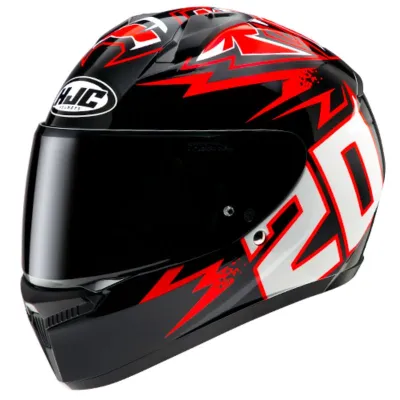
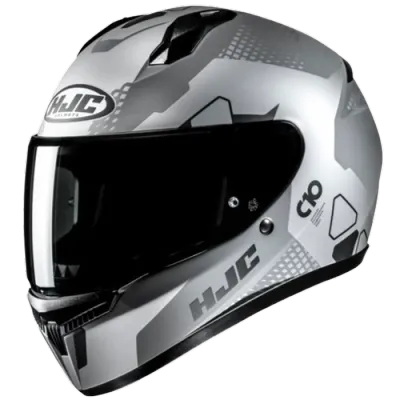
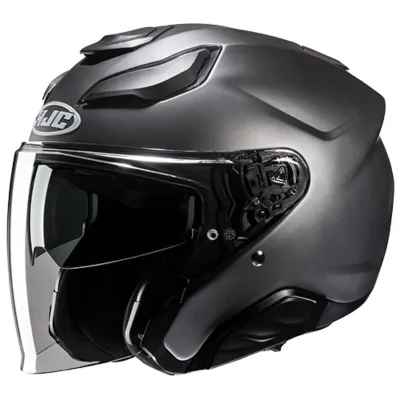
Prices are valid at publication and may change. Please refer to the product page for the latest price.
As you move into the mid-range tier, HJC introduces advanced polycarbonate blends or fiberglass composite shells. These materials allow manufacturers to design thinner, lighter shells without compromising structural integrity. Mid-range helmets often incorporate more sophisticated aerodynamic shapes, improved wind noise reduction, and integrated drop-down sun visors. This tier is highly popular among sport-touring riders and daily commuters who spend significant time on fast-flowing expressways and require a balance of comfort, weight distribution, and versatile features.
At the premium end of the spectrum, HJC utilizes advanced composite materials, such as carbon fiber, aramid, and high-performance fiberglass weaves. These premium shells are exceptionally lightweight, which significantly reduces neck fatigue during long rides or high-speed track sessions. Premium helmets also feature highly refined ventilation channels, specialized aerodynamic spoilers, and emergency quick-release cheek pads. These models are engineered for maximum performance, high-speed stability, and track-level safety compliance.
Setting realistic expectations for each budget tier prevents disappointment at checkout. An entry-level helmet will keep you safe but may exhibit higher wind noise at highway speeds and offer basic, manually operated ventilation. Conversely, a premium helmet prioritizes lightweight performance and high-speed stability, but it may lack convenient commuter features like an integrated sun visor to keep the overall weight as low as possible. Recognizing these design priorities allows you to choose a tier that matches your actual riding conditions rather than paying for features you do not need.
Essential Safety, Fit, and Climate Checks
Regardless of your budget, safety and fitment must remain your top priorities when purchasing an HJC motorcycle helmet. In Singapore, all helmets used on public roads must comply with local traffic regulations, which require testing and approval from local standards authorities, often indicated by a physical PSB test label. Additionally, you should look for internationally recognized safety standards, such as the latest ECE 22.06 certification or DOT standards. The ECE 22.06 standard is particularly rigorous, testing helmets for rotational impacts and various angled forces, ensuring a high level of modern protection.

A helmet’s safety is directly tied to how well it fits your head. Even the most expensive premium carbon-fiber helmet cannot protect you effectively if it is too loose or shifts during an impact. Conversely, a budget-friendly entry-level helmet that fits snugly and matches your head shape provides superior protection. When trying on a helmet, ensure there are no painful pressure points on your forehead or temples, and verify that your cheeks are firmly supported by the interior pads. The helmet should not rotate or slide when you shake your head from side to side.
Singapore’s hot and humid climate demands careful evaluation of a helmet’s ventilation efficiency. High humidity and sudden tropical downpours make adequate airflow and fog resistance essential for clear vision and rider comfort. Look for helmets with adjustable chin and forehead vents that actively channel air through the EPS liner to cool your scalp. For rainy days, a high-quality visor seal and compatibility with anti-fog inserts are critical. Without proper ventilation, your visor will fog up rapidly in a sudden downpour, creating a severe safety hazard on the road.
Never compromise on core safety features to save money. Every helmet you consider must feature a secure, undamaged retention system—such as a double D-ring or a high-quality micro-metric buckle—and an intact, energy-absorbing EPS inner liner. Avoid purchasing used helmets, as invisible structural damage from a previous drop can completely compromise their protective capabilities. By prioritizing fit, ventilation, and certified safety standards, you ensure your investment provides reliable protection on every journey.
Hidden Costs and Checkout Verifications
The price tag on the helmet box is rarely the final cost of ownership. When planning your budget, you must account for essential accessories that enhance safety and usability in Singapore’s climate. For example, a Pinlock anti-fog insert is highly recommended to prevent visor fogging during heavy rain, but it is not always included with entry-level models. If you must purchase the insert separately, this can add S$40 to S$80 to your total expense. Similarly, if you prefer a tinted or mirrored visor for daytime riding, you will need to factor in the cost of an additional official HJC visor.
Where you buy your helmet also impacts the total cost and your overall buying experience. Purchasing from an authorized local dealer in Singapore offers several distinct advantages, including the ability to physically try on different sizes, receive professional fitment advice, and access immediate warranty support. Local dealers also ensure that the helmets carry the necessary local compliance markings. On the other hand, buying from international e-commerce platforms might offer lower initial prices, but you must calculate potential shipping fees, import duties, and the Goods and Services Tax (GST) applicable at checkout.
Furthermore, international purchases carry significant risks regarding return and exchange policies. Helmets are highly subject to hygiene restrictions; many retailers will not accept returns once a helmet has been tried on or if the protective visor film has been removed. If you order the wrong size online, returning the item internationally can incur high shipping fees that quickly wipe out any initial savings. Always verify the seller’s return policy and calculate the complete landed cost—including delivery and handling fees—before finalizing your purchase online.
Evaluating Value and Feature Trade-offs by Budget
To get the best value for your money, you should evaluate which features are essential for your daily riding style and which ones you can comfortably live without. For entry-level budgets, your primary focus should be on solid safety compliance, a fully removable and washable comfort liner, and basic, functional ventilation. At this level, you are paying for reliable impact protection and straightforward utility. These helmets are ideal for short-distance city commuting, delivery riders, or those keeping a secondary helmet for pillion passengers.
If you decide to step up to a mid-range budget, you are primarily investing in rider comfort and convenience. Upgrades in this tier include significantly reduced wind noise, lighter shell weights that reduce neck strain on longer rides, and integrated drop-down sun visors that eliminate the need to swap visors when the sun goes down. Many mid-range HJC helmets also feature pre-cut speaker pockets designed to accommodate Bluetooth communication systems seamlessly. This tier represents the sweet spot for daily expressway commuters and weekend touring enthusiasts who value versatility.
Premium budgets are reserved for riders who demand specialized performance, track-ready safety, and cutting-edge materials. When you invest in a premium HJC helmet, you are paying for advanced composite shells that offer maximum strength with minimal weight, highly optimized aerodynamics that prevent helmet lift at high speeds, and an expanded field of vision tailored for tucked-in sportbike riding positions. These models also feature emergency quick-release cheek pads, which allow medical personnel to safely remove the helmet in the event of an accident.
To decide which tier is right for you, consider a simple decision framework. If your daily ride consists of short, low-speed trips under thirty minutes, an entry-level helmet offers excellent protection without unnecessary financial strain. If your commute involves high-speed expressway riding or long hours on the road, upgrading to a mid-range model is highly justified for the noise reduction and lighter weight. Reserve premium investments for track days, high-performance sportbikes, or long-distance touring where every gram of weight saved and every decibel of noise reduced directly impacts your safety and endurance.
Frequently Asked Questions (FAQ)
How can I verify the authenticity of an HJC helmet bought online?
To verify that an HJC helmet is authentic, start by inspecting the physical security markings. Genuine HJC helmets feature official holographic stickers, clear brand logos, and intact serial number labels located under the comfort liner or on the chin strap. You should cross-reference the seller against HJC’s official list of authorized distributors and dealers for Singapore to ensure they are a legitimate source. Additionally, examine the packaging and documentation; authentic helmets arrive in a high-quality, branded box with a custom-fit helmet bag, a detailed user manual, and official warranty registration cards.
Do I need a different HJC helmet for scooter commuting versus sportbike riding?
Your riding posture and typical speeds heavily influence which helmet design is most suitable and safe. Scooter commuting generally involves an upright riding position and lower speeds, making open-face or modular HJC helmets highly practical due to their wide field of view, ease of putting on, and excellent low-speed ventilation. Conversely, sportbike riding involves a forward-leaning, tucked posture and higher speeds, which require a dedicated full-face helmet. Full-face models offer superior chin protection, aerodynamic stability that prevents the helmet from lifting at high speeds, and visor designs optimized for a forward-tilted field of vision. Aligning these functional needs with your budget ensures you do not compromise on safety or comfort.
Community discussion
Share your experience or ask a question. Comments are reviewed before publication.