
When selecting a car anti slip mat for your vehicle in Singapore, finding a product that remains firmly anchored underfoot is paramount for both safety and cleanliness. The ideal anti-slip performance does not belong to a single brand name; rather, it is determined by three critical factors: material rigidity, underside friction design, and exact, vehicle-specific fitment. Custom-molded Thermoplastic Elastomer (TPE) mats that feature dedicated, factory-compatible anchor clips generally offer the most secure and stable grip on the market.
Conversely, multi-layer leather, polyvinyl chloride (PVC), or cross-linked polyethylene (XPE) foam mats can provide excellent coverage but require a rigorous assessment of their Velcro, side clips, or retention systems to prevent dangerous sliding. Ultimately, a mat’s ability to stay in place depends on how precisely it conforms to your car’s footwell floor pan and whether it utilizes the vehicle’s built-in locking mechanisms.
Why Anti-Slip Grip is Critical for Full-Surround Mats
The physics of pedal interference make floor mat stability an absolute safety priority. In Singapore, drivers frequently navigate highly congested expressways like the Pan Island Expressway (PIE) or Central Expressway (CTE), where sudden braking and rapid acceleration are common. A floor mat that slides forward even by a few centimeters can bunch up behind or over the accelerator, brake, or clutch pedals.
Products mentioned in this guide
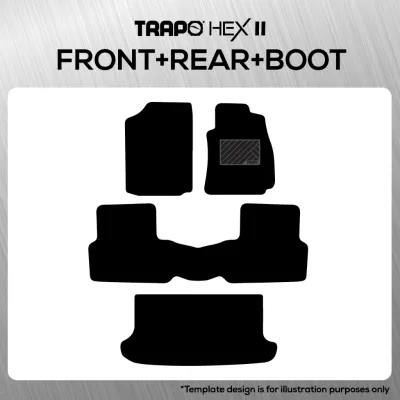
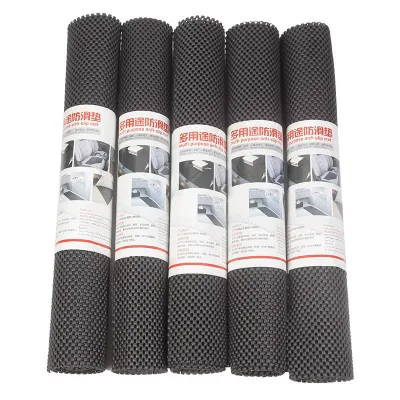
Prices are valid at publication and may change. Please refer to the product page for the latest price.
If a mat shifts forward, it can trap the accelerator pedal in a depressed position, leading to unintended acceleration. Alternatively, it can slide underneath the brake pedal, physically restricting its travel and preventing you from applying full braking force during an emergency. This risk is amplified in wet weather when shoes are slippery and drivers must apply decisive pedal pressure.
Full-surround mats feature high, vertical walls designed to protect the side carpets from dirt, mud, and water. However, these raised edges increase the structural surface area of the mat. If the material is too soft or lacks secure anchoring, these high edges can fold inward or catch on the pedal arms as they move through their natural arcs. This makes robust anti-slip performance not just a matter of interior neatness, but a critical safety requirement for every journey.
Core Dimensions for Comparing Car Anti Slip Mat Performance
Underside Friction and Anti-Slip Patterns
The contact interface between the underside of the mat and the vehicle’s original carpet is the first line of defense against shifting. High-quality molded mats, particularly those made of rubber or TPE, utilize integrated anti-slip nibs or engineered friction patterns on their bottom surface. These nibs are small, pointed protrusions that bite gently into the carpet fibers, creating mechanical resistance against lateral forces.

On the other hand, multi-layer synthetic leather or PVC mats often feature a smooth bottom layer or rely on Velcro (hook-and-loop) strips and foam backing. While Velcro can provide a strong grip, its effectiveness is entirely dependent on the texture of your vehicle’s original carpet. Some modern vehicles use tight, synthetic carpet loops that do not bond well with standard hook fasteners, causing the mat to slide freely. Additionally, repeated removal of Velcro-backed mats for cleaning can fray and damage the factory carpet over time, gradually reducing the system’s holding power.
Factory Anchor Point Integration
Most modern vehicles come equipped with floor mat retention systems, such as twist-locks, hooks, or snap-in clips built directly into the floor pan. A premium car anti slip mat must feature matching, precision-located eyelets or locking rings that align perfectly with these factory anchors. Different vehicle manufacturers utilize distinct retention designs—such as the twist-lock oval pegs found in many European models or the simple floor hooks common in Japanese vehicles.
Bypassing these anchor points is a major safety hazard. Some generic or poorly designed full-surround mats cover these floor mounts entirely, relying solely on surface friction or heavy weight to stay in place. Without a mechanical lock, the forces exerted by a driver’s heels—especially during ingress, egress, or heavy braking—can easily overcome surface friction, causing the mat to slide forward. When evaluating any brand, you must verify that the mat design includes secure, injection-molded locking mechanisms that click firmly onto your car’s specific factory pegs.
Material Rigidity and Edge Retention
The structural integrity of the material plays a massive role in long-term anti-slip safety. Rigid, custom-molded materials like high-grade TPE or heavy-duty rubber maintain their three-dimensional shape under extreme conditions. Even when subjected to intense foot pressure, these mats resist bending, curling, or collapsing.
In contrast, softer and highly flexible materials, such as cheap PVC or low-density foam, tend to deform over time. Under the humid and hot climate of Singapore, where cabin temperatures can soar when parked outdoors, soft plastics and adhesives can soften further. As a driver repeatedly drags their heels or applies pressure, a soft mat can sag, buckle, or crease. Once a mat loses its structural rigidity, the edges can collapse inward toward the pedals, creating a physical obstruction that no amount of underside friction can fully mitigate.
Evaluating Popular Full-Surround Mat Materials for Grip
TPE (Thermoplastic Elastomer) and Custom-Molded Rubber
Thermoplastic Elastomer (TPE) has become a popular choice for high-performance car floor protection. These mats are manufactured using advanced 3D laser-scanning technology to map the exact contours of a vehicle’s footwell. This precise fitment ensures that the mat fits snugly against every corner, leaving zero room for lateral or longitudinal movement.
TPE is a highly durable material that combines the chemical resistance and flexibility of rubber with the structural rigidity of traditional plastics. Because they are molded as a single, solid piece, TPE mats do not have stitched seams, glued layers, or fabric edges that can fray or separate. Their substantial weight, combined with molded-in underside nibs and direct integration with factory anchor points, ensures they remain completely stationary. For drivers seeking a reliable car anti slip mat that requires zero adjustment and offers maximum pedal clearance, custom-molded TPE or heavy-duty rubber is a structurally sound choice.
Multi-Layer PVC, PU Leather, and XPE Foam
Multi-layer mats, often marketed as luxury or ‘3D/5D/7D’ mats, typically consist of a polyurethane (PU) leather top layer, a soft XPE foam middle layer for cushioning, and a non-slip bottom fabric or Velcro backing. These mats are favored by car owners who want a premium, upholstered look that matches luxury leather interiors while providing excellent sound dampening.
However, from an anti-slip perspective, these mats present unique challenges. Because they are constructed from multiple bonded layers, they are inherently more flexible and less rigid than solid TPE. To keep their high-reaching side walls upright, manufacturers often rely on plastic clips that tuck under the car’s plastic trim panels, or adhesive Velcro strips that stick to the carpet. Over time, Singapore’s intense heat and humidity can degrade the adhesives holding the Velcro to the mat, or cause the plastic side clips to warp and lose their tension. If these fasteners fail, the high side walls can sag inward, potentially interfering with pedal operation. Regular inspection of these fasteners is mandatory to maintain safety.
Universal vs. Vehicle-Specific Fitment
When shopping for a car anti slip mat, you will encounter cheap, universal ‘trim-to-fit’ options. While these mats promise a lower price point and broad compatibility, they represent a significant compromise in safety and anti-slip performance.
Universal mats are designed to fit a wide range of cabin shapes, meaning they will never perfectly match the unique contours, angles, and footwell dimensions of your specific car model. They lack the precise edge-to-edge locking fit of custom-scanned mats, leaving gaps where dirt can accumulate and allowing the mat to slide around. Furthermore, universal mats rarely align with your vehicle’s factory floor anchors. Relying on manual trimming with scissors often results in jagged edges that can catch on the pedal arms or fail to cover critical areas under the pedals. To ensure absolute safety on the road, vehicle-specific, custom-molded fitment is an indispensable requirement.
How to Verify Anti-Slip Safety Before and After Installation
To guarantee the safety of your vehicle’s cabin, you must perform a systematic check of your floor mats before and after installation. Never assume that a mat is safe simply because it is marketed as a custom fit.
Pre-Installation Verification
Before purchasing or installing any floor mat, consult your vehicle’s owner’s manual to locate the original floor mat retention points and understand their locking mechanism (such as twist-locks, push-clips, or hooks). Carefully inspect the product specifications of the new mats to verify that they are designed specifically for your exact car make, model, and manufacturing year. Ensure the mats feature built-in, factory-compatible locking eyelets that match your vehicle’s floor anchors perfectly. If the mat’s instructions conflict with your vehicle’s manual, or if the mounting system appears incompatible, do not attempt to force the installation; instead, consult the manufacturer or a qualified automotive professional.
Post-Installation Physical Testing
Once the mats are installed and locked onto the factory anchors, perform a physical ‘pull test’ while the vehicle is parked. Grab the edges of the mat near the driver’s seat and pull firmly in multiple directions—forward, backward, and diagonally. The mat should remain completely locked in place, with zero detachment from the floor anchors and no noticeable sliding. If the mat uses auxiliary Velcro or side clips, check that they are firmly engaged with the carpet and side trim, and that the vertical walls do not sag.
Pedal Clearance and Travel Check
This is the most critical safety step. With the engine turned off and the car securely parked, sit in the driver’s seat and depress the accelerator, brake, and clutch pedals slowly and completely to the floor. Verify that there is ample clearance between the pedal arms, pads, and the mat’s surface or raised edges. The pedals must move smoothly through their entire range of travel without scraping, catching, or experiencing any resistance from the mat. Release the pedals quickly and ensure they return to their resting positions instantly without any lag or interference. If you detect any contact, restriction, or resistance, remove the mat immediately and do not drive the vehicle with it installed.
Decision Framework: Choosing the Right Mat for Your Drive
Selecting the right car anti slip mat involves balancing your aesthetic preferences, maintenance habits, and driving conditions against the physical properties of the mat materials. Use this structured framework to make an informed, safety-first decision:
Choose Custom-Molded TPE or Heavy-Duty Rubber Mats If:
- Your absolute priority is uncompromising anti-slip safety, structural stability, and zero risk of pedal interference.
- You want a low-maintenance, waterproof solution that can be easily hosed down and dried in minutes.
- You frequently drive in wet weather or carry passengers who bring dirt and moisture into the cabin.
- You prefer a clean, modern, and utilitarian aesthetic that integrates seamlessly with your vehicle's factory floor layout.
Choose Multi-Layer PU Leather or PVC Mats If:
- You prioritize a luxurious, premium interior appearance with plush, cushioned textures and custom stitching colors.
- You want enhanced sound insulation and cabin noise reduction.
- You are committed to performing regular safety inspections, checking the integrity of the Velcro, adhesive backings, and side clips at least once a month to ensure they have not degraded under Singapore's hot climate.
Avoid Any Full-Surround Mat If:
- The mat uses a universal 'one-size-fits-all' design or requires manual trimming to fit your footwell.
- The design covers or bypasses your vehicle's factory floor anchor points instead of locking directly into them.
- The material is overly soft, sags easily, or shows any signs of curling or bunching near the pedal arms during physical testing.
- The vertical side walls do not stay upright and rigid, creating a potential risk of folding inward under foot pressure.
Frequently Asked Questions (FAQ)
Can I use double-sided tape to improve the anti-slip grip of my car mat?
No, using aftermarket double-sided tape or household adhesives is highly discouraged for securing car mats. Singapore’s tropical climate causes cabin temperatures to rise significantly when parked in the sun. This heat melts the adhesive backing of standard tapes, turning it into a sticky, messy residue that can permanently ruin your vehicle’s original carpet. More importantly, these adhesives degrade rapidly and fail without warning under the friction of your feet, allowing the mat to slip suddenly while driving. For reliable safety, rely exclusively on factory-compatible anchor points and high-quality, manufacturer-provided mechanical fasteners.
Do full-surround mats with a 'diamond stitch' pattern offer better anti-slip performance?
It is crucial to distinguish between surface grip and underside grip. A ‘diamond stitch’ or heavily textured pattern on the top surface of a PU leather mat improves the friction between the soles of your shoes and the mat, preventing your feet from slipping when wet. However, this surface pattern does absolutely nothing to prevent the mat itself from sliding against the car floor. The overall anti-slip safety of the mat is determined entirely by its underside friction design, its material rigidity, its precise fitment to the footwell contours, and its mechanical integration with the vehicle’s original floor anchor points.
Community discussion
Share your experience or ask a question. Comments are reviewed before publication.