
Finding the perfect ducktail spoiler for your vehicle is more complex than simply matching a brand name or a general car category. A ducktail spoiler is designed to sit flush against the trailing edge of your trunk lid, creating a seamless, upturned lip that alters both the vehicle’s aesthetic profile and its aerodynamic behavior. Because this accessory relies on a tight, contour-matching fit, achieving a flawless installation requires verifying your vehicle’s exact chassis code, measuring trunk curvature, and understanding the physical mounting constraints of your specific car model.
Failing to perform these checks before purchasing often leads to costly return shipping fees, permanent trunk damage, or accessories that detach at highway speeds. By taking a systematic approach to compatibility, material selection, and installation methods, you can ensure your new spoiler looks factory-installed while remaining safe and legally compliant.
Why "Universal" Ducktail Spoilers Rarely Fit Perfectly
The appeal of a “universal” ducktail spoiler lies in its broad marketing claims and lower price point, but these products rarely deliver a clean, factory-like finish. A ducktail spoiler features a low-profile design that sweeps upward from the trunk lid, relying on an exact physical match to the underlying sheet metal to look cohesive. Even a millimeter of variance in the trunk’s trailing edge can prevent the spoiler from seating properly, leading to structural instability or unsightly gaps.
Products mentioned in this guide
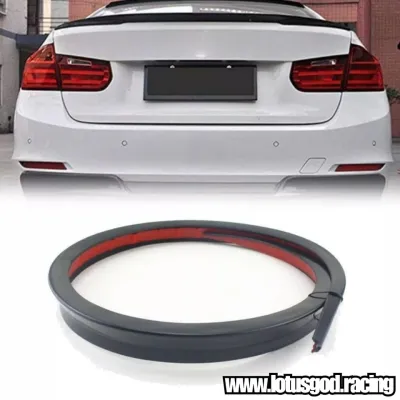
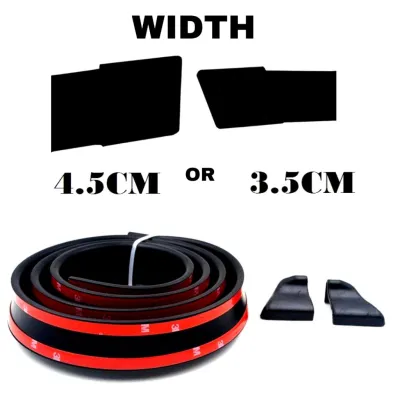
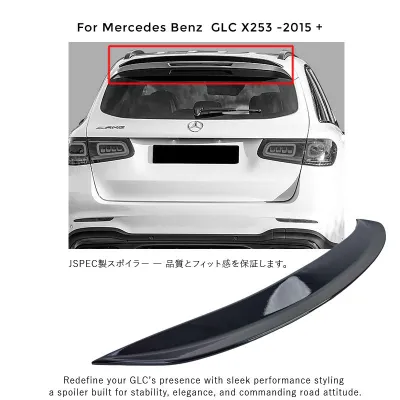
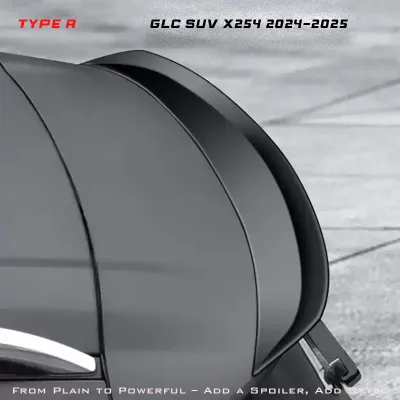
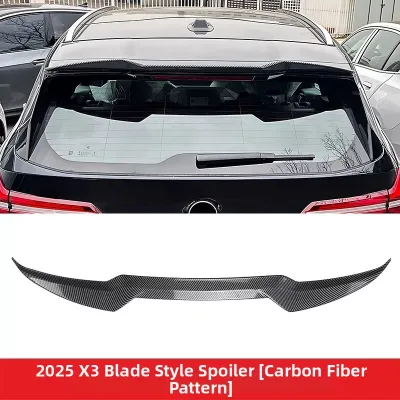
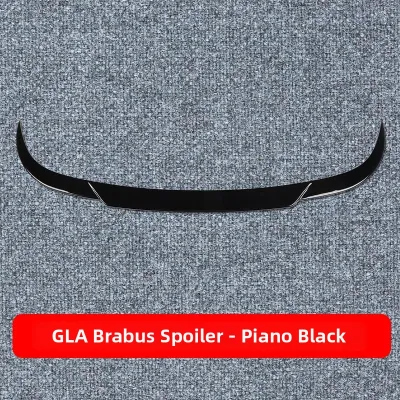
Prices are valid at publication and may change. Please refer to the product page for the latest price.
Vehicle manufacturers frequently introduce subtle design updates that alter trunk geometry without changing the model’s name. A mid-cycle facelift can introduce a slightly sharper crease or a different curve to the trunk lid. Similarly, different trim levels or regional variants may feature unique trunk configurations, and sedan, coupe, and hatchback body styles always require completely distinct spoiler shapes.
Relying on broad model names like “Honda Civic” or “BMW 3 Series” is a common pitfall that often results in purchasing incompatible parts. To guarantee a perfect fit, you must identify your vehicle’s exact chassis code and the precise production year. Checking your vehicle log card or the manufacturer plate inside the driver’s door jamb is the most reliable way to confirm these details before browsing aftermarket exterior accessories.
Essential Physical Compatibility Checks Before You Buy
Before committing to a purchase, conducting a thorough physical inspection of your vehicle’s rear deck is essential. This step ensures that the aftermarket spoiler you select aligns perfectly with the structural realities of your car, preventing costly installation errors or permanent damage to your paintwork and sheet metal.

Trunk Lid Dimensions and Curvature
The defining characteristic of a high-quality ducktail installation is how seamlessly the base of the spoiler matches the contour and curvature of the trunk lid. If the spoiler’s underside does not match the curve of your trunk, you will face significant issues during installation. A mismatch forces the ends of the spoiler to flare upward, or causes the middle section to bow, creating visible gaps that ruin the vehicle’s lines.
Beyond aesthetics, these gaps allow water, dirt, and road debris to pool underneath the accessory, which degrades adhesives and can eventually lead to rust on steel trunk lids. Over time, forcing an ill-fitting spoiler onto a mismatched curve introduces constant tension, resulting in stress cracks along the spoiler’s base or paint damage to the vehicle.
To verify compatibility, do not rely on visual estimates. Use a flexible sewing measuring tape to map the exact length and depth of the usable flat surface area along the trailing edge of your trunk. Compare these physical measurements directly with the manufacturer’s technical drawings or stated base dimensions to ensure the spoiler does not overhang the sides or interfere with the trunk’s shut lines.
Mounting Points and Hardware Requirements
How the spoiler attaches to your vehicle dictates the amount of preparation and modification required. You must first inspect your trunk lid’s underside, paying close attention to pre-existing holes, sheet metal thickness, and internal structural bracing. If your car came with a factory lip spoiler, you may have pre-existing mounting holes that can either be reused or must be completely sealed to prevent water leaks.
Bolt-on ducktail spoilers offer the most secure connection but require drilling directly into the trunk lid. Before choosing this route, verify that the drill points do not intersect with critical internal trunk mechanisms, such as electrical wiring harnesses for the license plate lights, rear camera cables, or the trunk latch release mechanism. Always refer to your vehicle’s official workshop manual or consult a qualified professional technician to map out these internal components safely.
For adhesive-only installations using high-grade double-sided automotive tape or polyurethane adhesive sealants, the mounting surface must be perfectly flat, smooth, and clean. Inspect the trunk lid to ensure there is a sufficiently wide, uninterrupted surface area for the tape to establish a complete bond. Any deep body lines, badges, or complex curves directly underneath the spoiler’s contact patch will compromise the adhesive’s integrity, risking the spoiler detaching at highway speeds.
Choosing the Right Design for Your Driving Scenarios
Selecting a ducktail spoiler involves balancing your aesthetic goals with how you actually use your vehicle on a daily basis. Different driving environments place unique physical demands on exterior modifications, making it important to match the spoiler’s design and mounting style to your driving habits.
For daily commuting and street aesthetics in urban environments, a subtle lip-style or tape-on ducktail is often the most practical choice. These designs provide a clean, sporty enhancement to the vehicle’s silhouette without requiring permanent modifications like drilling, which helps preserve the car’s resale value. Because urban driving speeds rarely subject the vehicle to extreme aerodynamic forces, a properly prepped tape-on installation provides more than enough security while keeping the vehicle easy to clean and maintain.
If you regularly participate in track days or high-speed driving, a rigid, bolt-on ducktail spoiler designed for functional aerodynamics is highly recommended. At higher speeds, a spoiler must withstand significant downward air pressure and drag forces. A bolt-on spoiler anchored directly into the trunk’s internal structural bracing ensures that these aerodynamic loads are distributed evenly across the chassis, preventing the trunk lid from flexing or the spoiler from tearing away under high aerodynamic loads.
For drivers seeking cross-scenario compatibility—balancing daily driving comfort with occasional track performance—a lightweight, low-profile bolt-on option is an excellent compromise. This approach provides the structural safety and peace of mind needed for high-speed tracking while maintaining a refined, non-aggressive appearance that blends in seamlessly during daily commutes. When selecting this option, ensure the mounting hardware includes rubber gaskets to seal the drill holes against heavy tropical downpours.
How Material and Weight Affect Fitment and Trunk Hinges
The material composition of a ducktail spoiler directly influences its weight, rigidity, surface finish, and how it interacts with your vehicle’s mechanical components over time. Understanding these material properties is crucial for selecting an accessory that is both durable and compatible with your car’s existing hardware.
Acrylonitrile Butadiene Styrene (ABS) plastic is a highly popular material for street spoilers due to its excellent impact resistance, flexibility, and relatively low cost. Polyurethane (PU) is even more flexible, making it highly resistant to cracking upon impact, though it is heavier and requires careful painting preparation. Fiberglass (FRP) is rigid and lightweight but can be brittle and often requires professional sanding and prep work to achieve a smooth finish. Carbon fiber represents the premium tier, offering exceptional rigidity and an extremely low weight-to-strength ratio, though it comes at a much higher price point.
The weight of your chosen spoiler has a direct mechanical impact on your vehicle’s trunk hinges and gas struts. Heavier spoilers, such as those made from thick fiberglass or polyurethane, add significant weight to the rear deck. This added mass can cause standard trunk hinges to sag, prevent the trunk from popping open automatically, or cause gas-charged struts to fail prematurely, creating a safety hazard when loading cargo. If you install a heavier spoiler, you may need to upgrade to stiffer trunk tension bars or heavy-duty gas struts to support the extra weight.
Conversely, lightweight materials like carbon fiber or thin ABS plastic are ideal for tape-on applications because they place minimal strain on the adhesive bond. When relying solely on double-sided tape, minimizing the weight of the spoiler reduces the constant shear stress on the adhesive, ensuring a long-lasting hold. Always verify the manufacturer’s specified weight of the spoiler rather than trying to estimate it from product images, and ensure the material is rated for high UV resistance to withstand prolonged exposure to intense sunlight.
The Final Pre-Purchase Verification Checklist
To ensure a smooth purchasing process and avoid the frustration of returning an incompatible part, complete this essential checklist before finalizing your order:
- Confirm Chassis Code: Send your exact vehicle model year, chassis code, and photos of your trunk lid to the seller to verify compatibility.
- Verify Mounting Hardware: Check whether the spoiler comes with a drilling template, high-grade automotive adhesive tape, or necessary bolts, and confirm if professional installation is recommended.
- Review Return Policy: Ensure the seller offers a clear return or exchange policy for fitment issues or manufacturing defects, especially when ordering custom-painted parts.
- Check Local Regulations: Verify that the spoiler complies with local vehicle modification guidelines, such as Singapore's Land Transport Authority (LTA) regulations. The spoiler must be securely mounted, must not have sharp edges or corners, must not obstruct your rearward field of vision, and must not extend beyond the widest point of the vehicle's bodywork.
Frequently Asked Questions (FAQ)
Can I install a ducktail spoiler without drilling holes?
Yes, many lip-style and lightweight ducktail spoilers are designed specifically for tape-on installation using high-strength, automotive-grade double-sided acrylic foam tape. To ensure a secure bond, the trunk surface must be meticulously cleaned and prepped in accordance with the adhesive manufacturer’s instructions in a dust-free environment. However, larger, high-downforce spoilers designed for track use must be bolted down securely to handle high-speed aerodynamic forces safely.
Will adding a ducktail spoiler affect my car's rear visibility?
Most ducktail spoilers feature a low-profile design that does not significantly obstruct your rearward view. However, excessively tall or aggressively angled designs can block a portion of the rear window, particularly on vehicles with narrow glass profiles or high parcel shelves. Before purchasing, measure the height of the spoiler and check if it will intrude into your rearview mirror’s line of sight, ensuring your installation remains safe and compliant with local traffic safety standards.
Community discussion
Share your experience or ask a question. Comments are reviewed before publication.