
Selecting the right chain lubricant for your motorcycle maintenance toolkit is not a one-size-fits-all decision. The ideal product must match your specific chain construction, withstand your local riding environment, and fit seamlessly into your maintenance routine without causing excessive fling-off or attracting abrasive road grime. By understanding how different formulations interact with your drivetrain, you can prevent premature wear, maintain smooth power delivery, and ensure your motorcycle remains safe and reliable on every journey.
Identify Your Motorcycle Chain Type and Seal Compatibility
Before adding any lubricant to your toolkit, you must determine the exact construction of your motorcycle’s drive chain. Modern motorcycles typically use one of two primary categories: sealed chains (which include O-ring, X-ring, and modified-profile ring designs) or unsealed (standard) chains. Sealed chains feature small rubber rings sandwiched between the inner and outer link plates to lock in factory-applied grease and keep out dirt and water. Unsealed chains lack these rubber barriers, meaning every moving part relies entirely on external lubrication.
To identify your chain type, perform a close visual inspection of the links. Clean a small section of the chain with a dedicated, safe cleaner and look closely at the gaps between the inner and outer side plates. If you see tiny, flexible rubber rings nestled between the metal plates, you are dealing with a sealed chain. If the connection is purely metal-on-metal with no visible rubber inserts, your motorcycle uses a standard unsealed chain. This distinction is critical because the wrong chemical formula can permanently ruin a sealed chain.
Products mentioned in this guide
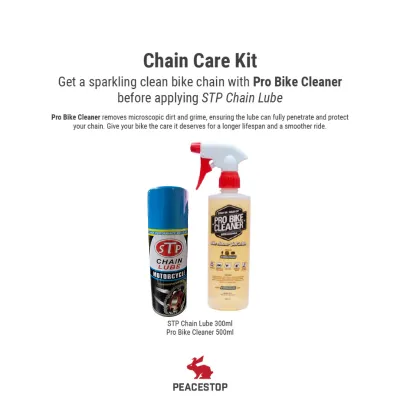
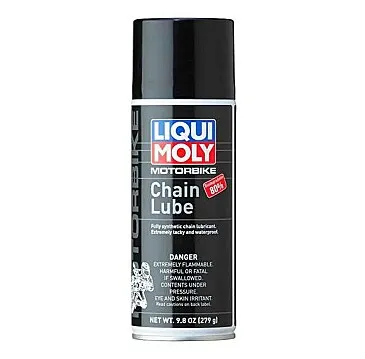
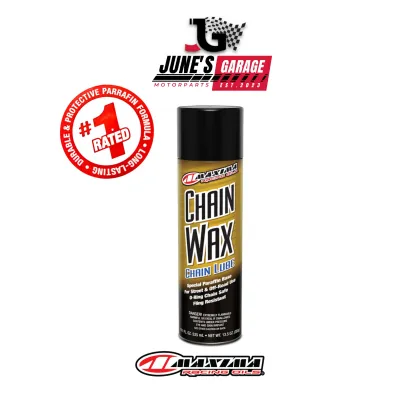
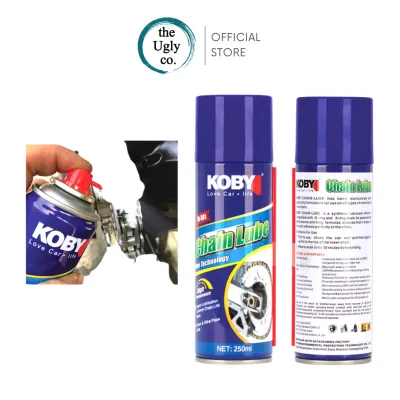
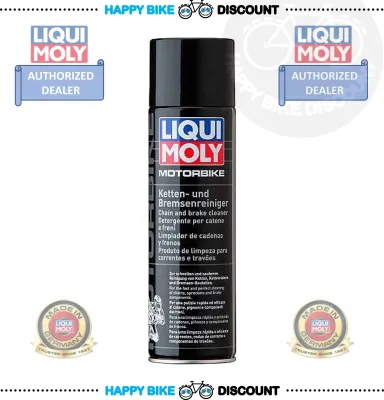
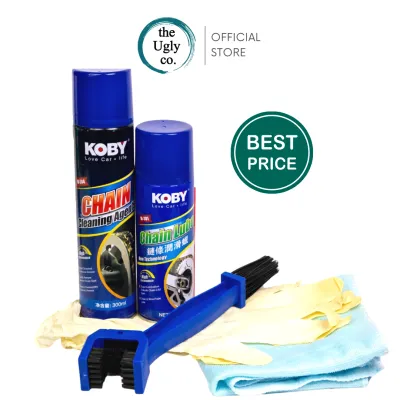
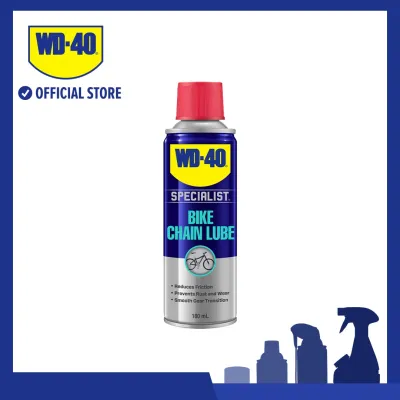
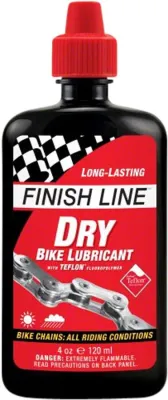
Prices are valid at publication and may change. Please refer to the product page for the latest price.
Using petroleum-based solvents, harsh degreasers, or incompatible lubricants on O-ring or X-ring chains poses a severe risk. These aggressive chemicals can penetrate, swell, degrade, or dissolve the delicate rubber seals. Once a seal fails, the factory-installed grease escapes, and road grit enters the internal pin-and-bushing assembly. This leads to rapid, uneven wear, tight spots, and eventual chain failure, which can be highly dangerous if the chain snaps at high speeds.
Always consult your motorcycle owner’s manual before purchasing any chain care product. Manufacturers specify the approved lubricant types and outline cleaning restrictions necessary to maintain your warranty. Some manuals explicitly forbid certain types of synthetic or heavy wax lubricants, while others mandate specific cleaning agents. Adhering to these guidelines ensures you do not inadvertently void your vehicle’s warranty or compromise the structural integrity of your drivetrain.
Match Chain Lube Formulations to Your Riding Environment
Your local climate and typical riding routes dictate which lubricant formulation will perform best on your chain. Chain lubricants generally fall into three main categories: dry lubricants, wet lubricants, and waxes or pastes. Each formulation is engineered to address specific environmental challenges, and choosing the wrong one can result in either a dry, rusty chain or a sticky mess that attracts destructive road debris.

Dry lubricants typically use a volatile solvent carrier that evaporates after application, leaving behind a dry lubricating film such as PTFE or ceramic particles. These products are highly effective in dusty, sandy, or arid environments because they do not attract dirt or grit. By keeping the drivetrain clean, dry lubes minimize the abrasive grinding paste effect that accelerates sprocket wear. However, they offer limited water resistance and can wash away quickly when exposed to moisture.
Wet lubricants remain fluid after application, providing a thick, durable barrier against moisture and road salt. This makes them highly suitable for wet weather and high-humidity environments, such as Singapore’s tropical climate, where sudden downpours are common. The persistent wet film prevents water from contacting the metal surfaces, offering robust protection against rust. The trade-off is that wet lubes naturally attract road grime, requiring more frequent cleaning to prevent buildup.
Chain waxes and pastes represent a middle ground, designed to go on wet to penetrate deep into the chain rollers before curing into a tacky, semi-solid protective barrier. These formulations offer excellent resistance to fling-off—the tendency of wet lubricants to fly off the chain at high speeds and coat your rear wheel, swingarm, and riding gear. Applying a paste or wax requires more physical effort, often involving a brush or precise manual application, but the resulting protective layer is highly durable.
When selecting a formulation for your toolkit, evaluate how often you are willing to perform maintenance. Dry lubes and lighter sprays require frequent reapplication, sometimes after every few hundred kilometers or after any ride through wet conditions. Heavy wet lubes and waxes last significantly longer between applications but demand a more thorough cleaning process when it is time to remove the old, dirty layer. Balancing your environmental conditions with your maintenance habits is key to a reliable setup.
Evaluate Practical Application Features for Your Toolkit
A lubricant’s performance on the road is only half the equation; it must also be practical and safe to apply in your garage or driveway. The physical design of the product packaging and the application method directly influence how easy it is to maintain your motorcycle without creating unnecessary mess or safety hazards.
Consider the applicator type provided with the product, such as a precision straw, an integrated brush, or a standard aerosol spray nozzle. Aerosol cans with fine-tip straws allow you to direct the lubricant precisely onto the inner plates and rollers where it is needed most. This precision is vital for safety; overspray can easily drift onto your rear brake rotor, brake pads, or tire tread, severely reducing braking efficiency and traction. If you use an aerosol spray, always place a piece of cardboard behind the chain to catch overspray and protect your braking components.
Fling-off resistance is another critical factor for keeping your motorcycle clean and safe. A lubricant that flings off easily will quickly coat your rear wheel rim, swingarm, license plate, and rear suspension. Over time, this sticky residue accumulates road dirt, making future maintenance much more difficult and potentially degrading plastic or painted surfaces. Look for formulations that emphasize high tackiness or require a short curing time to bond firmly to the metal before you ride.
Rust and corrosion inhibition are essential properties, particularly if you park your motorcycle in humid outdoor environments or store it for extended periods. The lubricant must leave a continuous, microscopic barrier that prevents oxygen and moisture from reacting with the steel links. This is especially important for the outer plates of the chain, which do not experience internal friction but are highly susceptible to surface rust from atmospheric moisture.
Finally, evaluate the storage safety and shelf-life of the product within your toolkit. Aerosol cans are pressurized and contain flammable propellants, requiring safe storage away from direct sunlight, heat sources, or open flames. If your toolkit is stored in a hot garage or a vehicle utility box, a liquid squeeze bottle or a paste tub may be a safer, more stable alternative. Always follow local environmental regulations for disposing of empty aerosol cans and contaminated cleaning rags.
Verify Product Labels and Safety Specifications Before Buying
Before finalizing your purchase, carefully read the product label to verify that the lubricant is safe for your specific motorcycle and that you can apply it safely. Manufacturers print critical compatibility warnings and chemical safety information on the packaging that should never be ignored.
Look for explicit statements such as “O-ring safe,” “X-ring compatible,” or “safe for all sealed chains” on the front or back of the container. If a product does not clearly state that it is safe for sealed chains, do not assume it is. Using an unapproved lubricant on a sealed chain can cause the rubber rings to degrade rapidly, leading to premature chain failure and potential loss of vehicle control.
If the label is ambiguous, check the ingredient list for harmful compounds. Avoid products containing chlorinated solvents, acetone, or heavy petroleum distillates, as these chemicals are known to attack rubber and synthetic seals. If you cannot find clear compatibility information on the packaging or the manufacturer’s official website, it is safest to choose an alternative product that explicitly guarantees seal safety.
Pay close attention to the required personal protective equipment (PPE) and ventilation instructions. Many chain lubricants release volatile organic compounds (VOCs) during application, requiring use in a well-ventilated area or outdoors. Wear chemical-resistant gloves to protect your skin from irritation and safety glasses to guard against accidental splashes or overspray. If the label instructions conflict with your motorcycle owner’s manual, always defer to the vehicle manufacturer’s recommendations or consult a qualified professional.
Frequently Asked Questions (FAQ)
Can I use general-purpose penetrating oil as a chain lube?
No, general-purpose penetrating oils are not suitable as primary motorcycle chain lubricants. These products are designed to penetrate tight spaces and loosen rusted fasteners, meaning they have a very low viscosity and contain highly volatile solvents. They lack the necessary tackiness, film strength, and load-bearing capacity to withstand the extreme centrifugal forces and high-speed friction of a motorcycle drivetrain. Additionally, the aggressive solvents in many penetrating oils can quickly degrade the rubber seals of O-ring and X-ring chains, causing permanent damage.
How often should I reapply chain lube in a humid climate?
In a humid or tropical climate, you should determine your reapplication interval through regular visual and tactile inspections rather than relying solely on a fixed mileage schedule. High humidity and frequent rain accelerate lubricant wash-off and promote rust formation. Inspect your chain before every ride; if the rollers appear dry, shiny, or show signs of light surface rust, or if the chain makes a dry clicking sound when rolling, it requires immediate lubrication. Always reapply lubricant after riding through heavy rain, washing your motorcycle, or traversing deep puddles, as water exposure quickly strips away protective coatings.
Community discussion
Share your experience or ask a question. Comments are reviewed before publication.