
Choosing the right car wash sponge is one of the most critical decisions you can make for your vehicle’s exterior maintenance. While washing your car seems like a straightforward weekend chore, using the wrong material can quickly cover your clear coat in a web of fine scratches and unsightly swirl marks.
High-quality microfiber, particularly when designed as a plush wash mitt or a deep-pile sponge, is widely considered the safest material for car paint. The unique split-fiber structure of microfiber acts like a microscopic net, lifting and trapping dirt particles deep within the pile rather than dragging them across the paintwork. While other materials like polyvinyl alcohol (PVA), natural sea sponges, and traditional synthetic foam have specific uses in automotive care, they carry a significantly higher risk of inflicting paint defects if your washing technique is not absolutely flawless.
Before purchasing any car wash tool, always check your vehicle manufacturer’s care guidelines, especially if your car features aftermarket paint, matte finishes, paint protection film (PPF), or specialized ceramic coatings. Different finishes have unique tolerances, and a material that is safe for standard clear coats might require alternative care on delicate surfaces.
Products mentioned in this guide
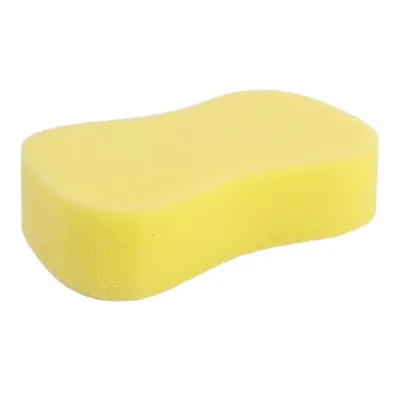
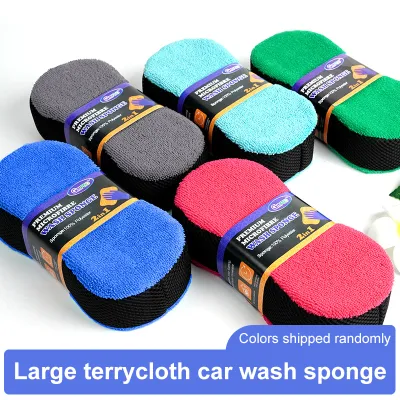
![[Bundle of 3] 3M Car Wash Sponge - Durable and Effective with Wave Design Texture](https://img.lazcdn.com/g/p/2048fec0614bd2abffa51d61d94074b4.png_400x400q80.png_.webp)
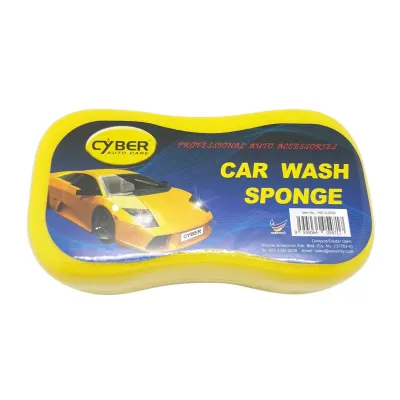
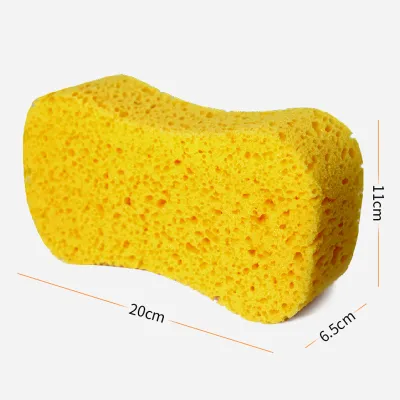
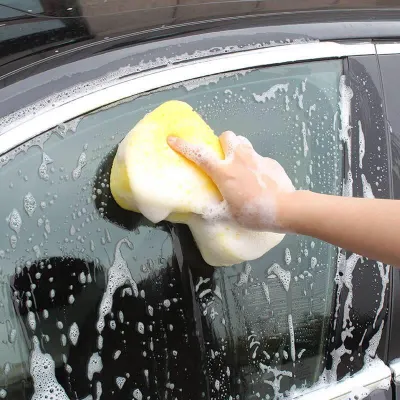
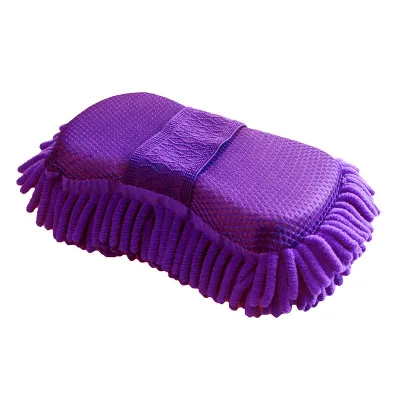
Prices are valid at publication and may change. Please refer to the product page for the latest price.
How Sponge Materials Interact with Your Car's Clear Coat
To understand why material choice is so critical, it helps to understand the physical mechanism of wash-induced paint damage. The clear coat on modern vehicles is surprisingly thin and delicate. Scratches and swirl marks are rarely caused by the soft fibers or foam of the washing tool itself. Instead, they are caused by road grit, dust, and microscopic debris that become trapped between the tool and the paint surface.
When you press a wash tool against your car, you are either trapping the dirt or dragging it. A safe washing material relies on “dirt trapping” or capillary suspension, pulling the abrasive particles away from the contact zone and holding them deep within its structure. Conversely, flat or dense materials cause “surface dragging,” pushing the abrasive grit along the surface of your paint like sandpaper.
Lubricity plays a vital role in this interaction. A safe car wash sponge must be paired with a high-quality, high-lubricity car wash shampoo. The soap creates a slick barrier that minimizes friction, allowing the sponge to glide effortlessly while helping to encapsulate dirt particles. Without this lubrication, even the softest material can cause marring.
Comparing Car Wash Sponge Materials for Paint Safety
Different materials offer vastly different levels of protection for your vehicle’s finish. Evaluating these options based on their physical structures helps clarify which tools belong on your paint and which should be relegated to other tasks.

Microfiber Wash Mitts and Sponges
Microfiber is the gold standard for automotive paint safety due to its engineered physical structure. The synthetic fibers, typically a blend of polyester and polyamide, are split during manufacturing to create millions of tiny hooks and channels. This structure allows the material to absorb up to eight times its weight in water while actively pulling dirt away from the paint surface.
- Dirt Suspension: The deep, plush pile of a microfiber wash mitt or sponge provides a safe zone for dirt particles. Once lifted, the grit remains suspended in the lower layers of the fibers, far away from the clear coat.
- Suds and Absorbency: Microfiber holds a massive volume of soapy water, ensuring constant lubrication as you move across the vehicle panels.
- Design Variations: Plush mitts are generally safer than flat microfiber pads because the longer fibers offer more depth for dirt storage, and the mitt design prevents the tool from slipping out of your hand and falling onto a dirty driveway.
PVA (Polyvinyl Alcohol) Sponges
PVA is a synthetic material known for its extreme absorbency and smooth, rubber-like texture when wet. While it is highly valued in the detailing world, its physical properties make it unsuitable for the active washing phase.
- Surface Characteristics: PVA has a highly dense, flat surface structure with virtually no pile. If you use it to scrub a dirty car, any grit on the paint will be trapped directly between the flat PVA surface and your clear coat, leading to immediate scratching.
- Best Use Cases: Because it excels at streak-free water absorption, PVA is highly effective for drying clean glass or wiping down interior surfaces. However, it should never be used as a primary wash sponge on painted panels.
- Handling Requirements: PVA hardens completely when dry. It must be thoroughly soaked and softened in water before use, as dry PVA is stiff enough to damage delicate surfaces.
Natural Sea Sponges
Natural sea sponges have been used by automotive enthusiasts for decades. When fully saturated, they are incredibly soft, pliable, and hold a significant volume of soapy water.
- Pore Structure: The complex, irregular pore structure of a natural sponge allows it to swallow up larger dirt particles, keeping them away from the paint during the wash stroke.
- The Hidden Risk: Because the internal chambers of a natural sponge are so complex, flushing out trapped grit can be exceptionally difficult. A tiny piece of sharp road debris can remain lodged deep inside the sponge, ready to scratch your paint during the next wash.
- Quality Control and Durability: Natural sponges can contain organic residues, such as sand or tiny shell fragments, when first purchased. They must be meticulously inspected and washed before their first use. Over time, they also degrade much faster than synthetic alternatives, shedding pieces of material during use.
Traditional Synthetic (Cellulose/Polyurethane) Sponges
Standard household sponges made of cellulose or low-grade polyurethane are the most common cause of severe paint marring. These tools are cheap and widely available, but they pose a severe threat to automotive finishes.
- Flat Surface Hazard: Standard synthetic sponges have flat faces or very shallow pores. Dirt cannot escape into the material, meaning it remains trapped on the surface of the sponge, acting as an abrasive block as you wipe down your vehicle.
- Abrasive Backings: Many household sponges feature a green or blue abrasive scouring pad on one side. These pads are designed to scrub baked-on grease from cookware and will instantly destroy a car's clear coat, leaving deep, permanent scratches that require professional machine polishing to correct.
- Automotive-Grade Foam: If you prefer a foam sponge, ensure it is specifically labeled as an automotive-grade, open-cell detailing sponge. These specialized foam blocks feature deeply cut channels or large, soft cells designed to allow dirt to migrate away from the face of the sponge.
Beyond Material: Design Features That Protect Your Paint
Selecting the right material is only the first step. The physical design of your car wash sponge or mitt plays an equally important role in preventing accidental damage.
- Pile Depth and Fiber Length: Look for tools with a deep, plush pile. Longer fibers (often referred to as "chenille caterpillars" or high-GSM plush microfiber) provide a larger physical buffer zone, allowing more dirt to be safely stored away from the paint surface during a wash cycle.
- Scratch-Free Edging: Inspect the perimeter of the sponge or mitt. Cheap options often feature hard nylon stitching or stiff polyester piping along the seams. These hard edges can easily scratch paint if dragged sideways. Opt for designs with soft silk or microfiber edges, or seamless construction.
- Ergonomics and Fit: A wash mitt that fits securely over your hand or a sponge with an ergonomic, contoured center grip is much easier to control. This prevents you from dropping the tool onto the ground—where it would instantly pick up highly abrasive dirt and gravel—and allows you to apply light, even pressure rather than heavy-handed scrubbing.
Washing Techniques That Matter Just as Much as Your Sponge
Even the safest microfiber wash mitt will scratch your paint if your washing technique is poor. To achieve a truly scratch-free wash, you must combine the right tool with a safe, methodical process.
- The Pre-Wash Rinse: Never touch your paint with a sponge while the car is covered in loose dirt. Always perform a thorough pre-wash rinse using a pressure washer or a garden hose. Applying a layer of snow foam beforehand helps loosen and slide away the heaviest road grime before any physical contact occurs.
- The Two-Bucket Method: Use two separate buckets during your wash. Fill one bucket with clean, soapy water and the other with plain rinse water. Place a grit guard at the bottom of both buckets. After wiping a panel of your car, submerge the dirty wash mitt into the rinse bucket, rubbing it against the grit guard to release trapped dirt. Wring it out, then dunk it back into the soapy water bucket to reload with fresh, clean lubrication.
- Straight-Line Passes: Wash your vehicle using straight, overlapping lines rather than circular motions. If a stray piece of grit does cause a minor scratch, a straight-line scratch is far less visible in direct sunlight than a circular swirl mark.
- Work from Top to Bottom: The lowest portions of your vehicle—such as the rocker panels, bumpers, and wheel arches—accumulate the heaviest road grime and abrasive grit. Always wash the roof, hood, and upper panels first, saving the dirtiest areas for last to minimize the risk of cross-contaminating your wash mitt.
- Environmental Conditions: Avoid washing your car in direct sunlight or when the body panels are hot to the touch. This is particularly important in hot, tropical climates like Singapore, where water and soap can dry rapidly on the surface, leaving behind mineral spots and soap residue that are difficult to remove safely.
How to Clean and Store Your Sponge to Prevent Future Scratches
Post-wash care is critical to maintaining the paint-safe properties of your cleaning tools. If you store a dirty or damp sponge, it will degrade, harden, or collect airborne dust that will scratch your car during the next wash.
- Rinsing and Washing: After completing your wash, thoroughly rinse your sponges or mitts under clean running water until the water runs completely clear. For microfiber tools, machine wash them separately from other household laundry using a dedicated microfiber restorer or a mild, liquid detergent free of perfumes and dyes.
- Avoid Fabric Softeners: Never use fabric softeners or dryer sheets when washing microfiber. These products coat the fibers in a water-repellent chemical layer, clogging the split-fiber structure and destroying both its absorbency and its ability to trap dirt.
- Drying and Storage: Air-dry your wash tools in a clean, dust-free indoor environment. In humid climates, ensuring complete drying is essential to prevent the growth of mold, mildew, and bacteria, which can break down synthetic materials over time. Once completely dry, store your tools in a clean, sealed plastic container or a zip-top bag to protect them from settling garage dust and airborne grit.
Frequently Asked Questions (FAQ)
Can I use a regular kitchen sponge to wash my car?
You should never use a regular kitchen sponge on automotive paint. Kitchen sponges are designed for flat household surfaces and lack the deep, plush fiber structure required to lift and suspend abrasive road grit. Furthermore, many kitchen sponges feature an abrasive green or blue scrubbing side designed to scour pots and pans. Using this side on your car will instantly strip your clear coat, leaving deep, hazy scratches that require extensive professional paint correction to repair.
How often should I replace my car wash sponge or mitt?
Replacement should be based on the physical condition of the tool rather than a strict calendar schedule. Inspect your wash mitt or sponge before every use. You should replace it immediately if you notice flattened or matted fibers that no longer fluff up after washing, permanent dark stains or embedded grit that cannot be rinsed out, a stiff or crunchy texture when dry, or any tearing in the seams or backing material. Using a worn-out or contaminated tool significantly increases the risk of scratching your clear coat.
Community discussion
Share your experience or ask a question. Comments are reviewed before publication.