
To keep your vehicle’s paintwork pristine and its interior spotless, you must match your car towel to the specific detailing task at hand. Using a single, generic cloth for every surface is one of the quickest ways to introduce swirl marks, scratches, and unsightly streaks. For drying, a highly absorbent twisted-loop or waffle-weave towel is essential to lift water safely. Polishing requires a plush, high-pile microfiber to gently buff away wax residue without scratching the clear coat. Meanwhile, interior surfaces demand a balance of gentle agitation for textured plastics and soft, low-lint weaves for delicate screens and leather.
Quick Match Guide: Car Towel Types by Detailing Task
Selecting the correct car towel prevents surface damage and ensures an efficient detailing process. Each task requires specific physical characteristics to perform safely:
- Drying: Requires high-absorbency weaves, such as twisted loops or waffle textures, to lift standing water away from the clear coat rapidly.
- Polishing & Buffing: Demands ultra-plush, high-pile fibers with tagless or soft-banded edges to collect wax residue without scratching.
- Interior Cleaning: Utilizes low-pile or flat-weave towels for scrubbing textured plastics, and soft, medium-pile towels for delicate leather and screens.
Using a single universal towel for all these tasks risks severe cross-contamination. A towel that has wiped down greasy door hinges or dusty dashboard plastics will carry abrasive particles and chemical residues. If you then use that same cloth to dry your exterior paint, those trapped particles act like sandpaper, leaving fine scratches known as swirl marks.
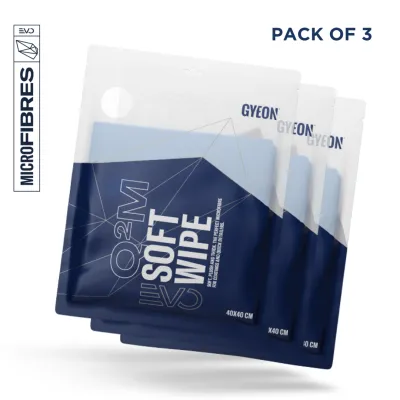
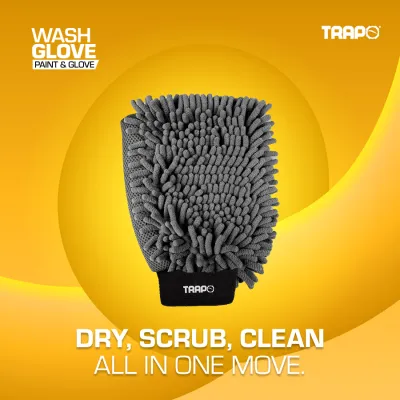
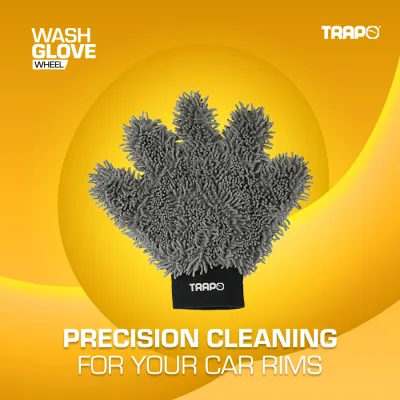
Products mentioned in this guide
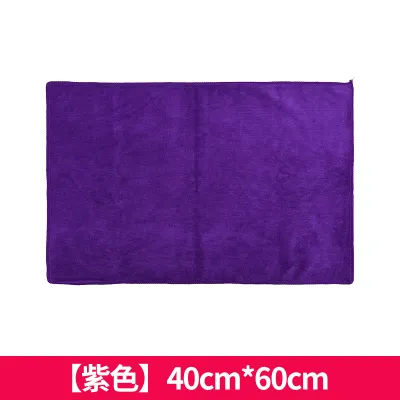
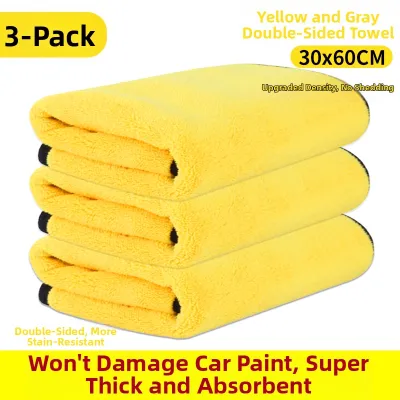
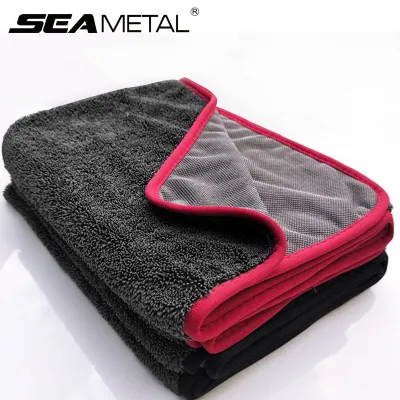
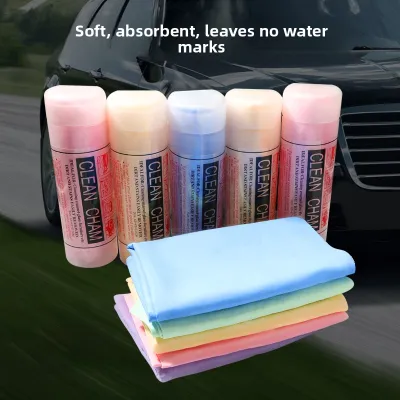
![[SG] Microfiber Cleaning Cloth ✨ Home Cloth Car Cloth Carwash Cleaning Cloth Washing](https://img.lazcdn.com/g/p/ffe687ddef7e3bd8839d43c8eeecd032.jpg_400x400q80.jpg_.webp)
Prices are valid at publication and may change. Please refer to the product page for the latest price.
Drying Towels: Maximizing Absorbency and Preventing Swirls
When water sits on your car’s exterior, it can quickly dry into stubborn mineral spots, especially under the intense heat of the sun. To prevent this, you need a dedicated drying car towel designed to trap and hold large volumes of water.

Look for specific weave patterns. Twisted-loop microfibers feature long, dense loops of fiber twisted together, which dramatically increases surface area and allows the towel to glide effortlessly over the paint while sucking up moisture. Waffle-weave towels, with their characteristic grid-like pockets, are also excellent for glass and paint as they lift water away from the surface, reducing friction.
Edge design is another critical factor. Always inspect the borders of a drying towel before purchasing. Look for edgeless designs or those finished with soft silk or suede banding. Rough, overlocked polyester stitching along the edges can easily scratch delicate clear coats as you pull the towel across the bodywork.
For the safest drying technique, avoid scrubbing or applying heavy downward pressure. Instead, lay the towel flat across a section of the car and gently drag it toward you by its corners, or pat the surface dry. This minimizes friction and ensures the towel’s fibers do the work of absorbing water without grinding any missed dust particles into the paint.
Polishing and Buffing Towels: Achieving a Streak-Free Finish
Removing cured wax, sealants, or polishing compounds requires a car towel that can handle friction without marring the freshly polished paint. This is where plush, high-pile microfiber towels excel.
A high-pile towel features long, loose fibers on both sides. This depth is crucial because it provides a safe zone: as you buff away wax residue, the excess compound is pulled deep into the towel’s valley-like fibers, away from the paint surface. This prevents the residue from turning into an abrasive paste that scratches the clear coat.
Lint-free construction is non-negotiable for buffing. Cheap towels often shed tiny synthetic fibers, leaving a dusty mess on a freshly waxed surface. Ensure your polishing towels are tagless—or have easily removable sticker tags—and feature soft-banded or ultrasonic-cut edges to eliminate any hard points of contact during vigorous buffing.
Before you begin any polishing session, perform a thorough pre-use inspection. Shake the towel out vigorously and run your hand over the fibers to check for embedded debris, twigs, or hardened compound residue from previous detailing sessions. Even a tiny piece of grit trapped in a plush towel can cause deep scratches during the buffing process.
Interior Cleaning Towels: Balancing Agitation and Surface Safety
The interior of a modern vehicle is a complex mix of materials, including textured vinyl, soft leather, high-gloss piano black trim, and sensitive infotainment screens. A one-size-fits-all approach here will either fail to clean effectively or cause permanent damage.
For textured plastics, vinyl dashboards, and door panels, opt for a lower-pile or flat-weave microfiber towel. These towels have shorter, tighter loops that provide the necessary mechanical agitation to scrub dirt and grime out of textured grain patterns. Because they have less loft, they are also less likely to leave behind loose fibers in tight crevices.
Delicate surfaces like leather upholstery and infotainment screens require a gentler touch. Use a soft, medium-pile towel for these areas. Leather can be easily abraded by stiff fibers, and modern touchscreens often have anti-glare coatings that scratch under rough contact. Always check the manufacturer’s instructions for both the vehicle and any cleaning fluids to ensure compatibility before wiping down electronic displays.
To keep your detailing workflow organized and safe, implement a strict color-coding system. For example, reserve yellow towels for exterior paint, green for interior plastics, blue for glass, and black or grey for dirty areas like door jambs and wheels. This simple visual cue prevents you from accidentally wiping greasy dashboard dressing onto your windshield or transferring abrasive brake dust to your leather seats.
Reading the Label: Key Specifications to Verify
When shopping for a car towel on online marketplaces or at local automotive shops, understanding the technical specifications on the packaging will help you make an informed decision.
Grams per Square Meter (GSM) is a standard measure of a towel’s density and weight. While not a universal guarantee of quality, GSM serves as a helpful guide for intended use. Generally, lower-weight towels (200 to 300 GSM) are thin and ideal for glass cleaning or light interior dusting. Medium-weight towels (300 to 400 GSM) are versatile all-rounders suitable for interior cleaning and light buffing. Heavyweight towels (400 to 600+ GSM) are thick, plush, and highly absorbent, making them perfect for drying and final buffing. Always check the manufacturer’s specific guidelines to verify the recommended application.
Pay close attention to the material blend ratio, which is typically expressed as a percentage of polyester to polyamide (such as 80/20 or 70/30). Polyester provides the structural strength and scrubbing power, while polyamide adds softness and water absorbency. A 70/30 blend is generally softer and more absorbent than an 80/20 blend, making it highly desirable for delicate paintwork and drying tasks.
Finally, examine the edge construction. Overlocked stitching with nylon thread is common on cheap utility towels but is too abrasive for automotive clear coats. For paint-safe tasks, look for laser-cut edgeless towels, ultrasonic-cut edges, or borders wrapped in soft silk or microfiber satin. These designs ensure that every part of the towel that touches your car is completely safe.
Washing and Maintenance: Preserving Microfiber Performance
Investing in high-quality car towels is only half the battle; you must also maintain them properly to preserve their performance and longevity. Microfiber is a synthetic material that requires specific care to keep its unique dirt-trapping properties intact.
Wash your detailing towels in warm water using a dedicated microfiber wash or a mild, liquid detergent that is completely free of dyes, perfumes, and fabric softeners. Avoid powder detergents, as undissolved powder particles can become trapped in the fibers and scratch your paint during the next use.
Never use fabric softeners or chlorine bleach. Fabric softeners work by coating fibers with a thin layer of lubricating chemicals, which clogs the microscopic wedge-shaped fibers of the microfiber, completely destroying its ability to absorb water and trap dust. Bleach will degrade the synthetic polyester and polyamide fibers over time, causing the towel to shed and lose its softness.
When drying your towels, the safest method is to air dry them in a clean, dust-free indoor area. If you use a dryer, select a no-heat or very low-heat setting. High heat will literally melt the microscopic plastic tips of the fibers, turning a soft towel into a stiff, scratchy cloth that is unsafe for automotive surfaces. Once dry, store your towels in clean, closed plastic storage bins to prevent them from collecting airborne dust, pollen, or garage grime.
Frequently Asked Questions (FAQ)
Can I use the same microfiber towel for both the exterior and interior?
No, you should avoid using the same towel for both tasks. Doing so introduces a high risk of cross-contamination. Harsh interior chemicals, such as leather conditioners or vinyl protectants, can leave greasy, hard-to-remove streaks on your exterior paint and glass. Conversely, road grime, brake dust, or wax residue picked up from the exterior can easily transfer to your interior, potentially scratching delicate infotainment screens or staining light-colored leather upholstery.
How do I know when a car towel needs to be replaced?
You can determine if a car towel needs replacement by observing its physical condition and performance. If a towel feels stiff or scratchy even after a proper wash, it has likely suffered heat damage or is clogged with hardened product residue. Other clear signs include a noticeable drop in water absorbency, excessive linting on glass, or fraying edges. When a towel is no longer safe for delicate paintwork, do not throw it away; demote it to dirty utility tasks like cleaning engine bays, exhaust tips, or wheels.
Community discussion
Share your experience or ask a question. Comments are reviewed before publication.