
The ideal car sunglasses holder depends on your vehicle’s dashboard material, available space, and how you prioritize accessibility versus preserving your interior trim. There is no single universal winner. Adhesive mounts offer a highly integrated, low-profile look but carry a risk of surface residue or permanent damage upon removal. Air vent clips provide a non-destructive alternative that is easy to relocate, though they can block airflow and expose your eyewear to air conditioning condensation. CD slot mounts are exceptionally secure and rattle-free, but they render your media slot unusable and are incompatible with most modern, screen-heavy dashboard layouts. Windshield suction mounts keep your dashboard completely untouched but are subject to heat-induced failure and strict local visibility laws. Matching the mounting mechanism to your specific dashboard layout is the key to a secure, safe, and convenient setup.
Assessing Your Dashboard Layout and Constraints
Before purchasing any accessory, a thorough inspection of your vehicle’s front cabin is essential to prevent physical damage and safety hazards. Start by identifying the materials used in your dashboard construction. Modern vehicles feature a mix of textured plastics, soft-touch synthetic compounds, genuine leather, and high-gloss acrylic panels. Each material reacts differently to physical stress and chemical adhesives. For instance, soft-touch coatings and leather are highly susceptible to tearing or discoloration when subjected to strong adhesives or tight-fitting mechanical clamps.
Next, measure the available flat surface area. Many contemporary cars feature sweeping, curved console designs that offer very little flat space for traditional stick-on mounts. You must also locate the passenger airbag deployment zones. Consult your vehicle’s owner manual to identify these boundaries; placing any hard plastic accessory within or near an airbag deployment path can turn a minor collision into a severe safety hazard.
Products mentioned in this guide
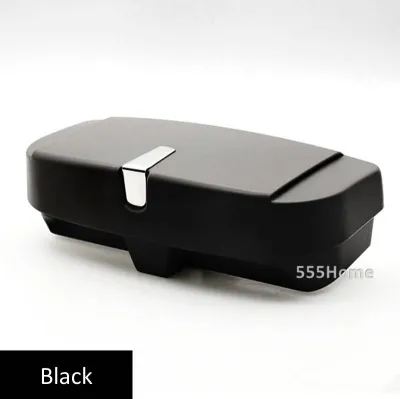
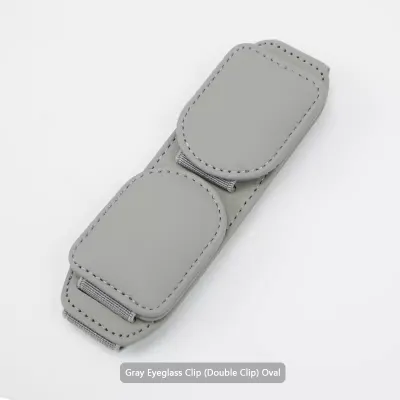
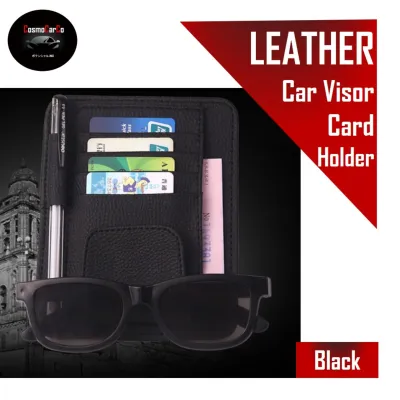
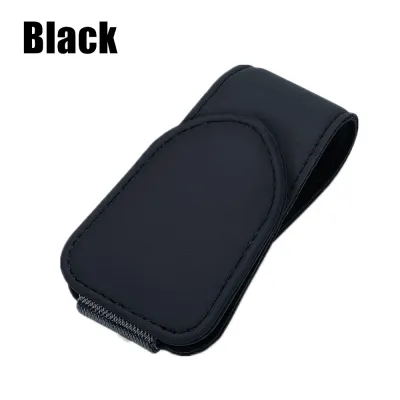
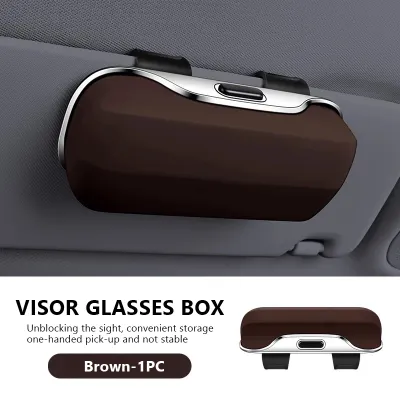
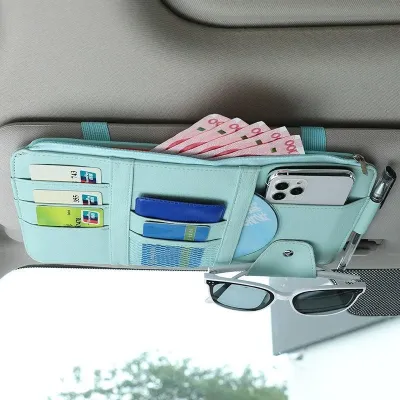
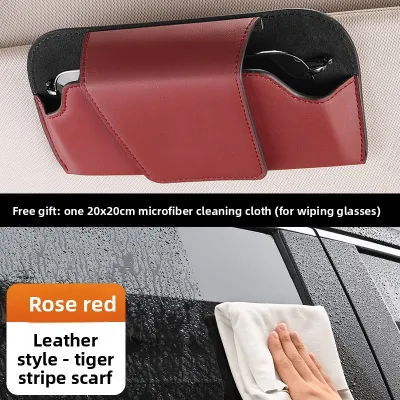
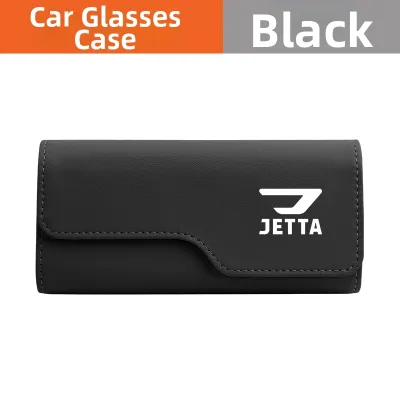
Prices are valid at publication and may change. Please refer to the product page for the latest price.
Finally, evaluate your personal line of sight and physical controls. Sit in the driver’s seat in your normal driving position and map out potential mounting locations. The holder must not obstruct your view of the road, side mirrors, or digital instrument cluster. It should also remain clear of the central infotainment screen, climate control dials, and physical gear selectors. Ensuring your sunglasses remain easily reachable without requiring you to stretch or divert your eyes from the road is the primary goal of this assessment.
Comparing Common Dashboard Area Mounting Styles
Selecting the right accessory requires understanding the physical mechanisms that keep your eyewear secure. The front cockpit area offers several distinct mounting locations, each utilizing a different method of attachment. These variations directly influence how stable your sunglasses remain during transit, how difficult the installation process is, and whether the accessory will leave lasting marks on your vehicle’s cabin.

The four primary mounting styles designed for the dashboard and central console area are adhesive or magnetic surface mounts, air vent clips, CD slot inserts, and windshield suction cups. Each style addresses a specific cabin layout and driver preference, presenting unique trade-offs in terms of stability, aesthetic integration, and long-term durability under demanding driving conditions.
Adhesive and Magnetic Dash Mounts
Adhesive and magnetic mounts are favored for their minimalist design and seamless integration into the vehicle’s interior. These holders typically feature a small base that sticks directly to a flat section of the dashboard, using a magnetic clip or a padded clamp to secure the sunglasses. This low-profile setup allows for effortless, one-handed retrieval and storage, making it highly convenient during busy commutes.
However, the primary drawback of this style lies in the semi-permanent nature of the attachment. High-strength adhesives, such as those utilizing acrylic foam tapes, can cause permanent damage to soft-touch plastics, vinyl, or leather dashboards when removed. Over time, the bond can pull up the top layer of delicate cabin materials, leading to costly repairs.
Furthermore, environmental factors play a major role in their performance. In tropical climates with intense sun exposure, such as Singapore, cabin temperatures can easily exceed 60 degrees Celsius when parked outdoors. This extreme heat can soften and degrade adhesive compounds, causing the mount to slip, sag, or fail entirely. Before purchasing, check the manufacturer’s product label to verify the maximum temperature limits and ensure compatibility with your specific dashboard material.
Air Vent Clip Holders
Air vent clip holders offer a completely non-destructive mounting alternative by attaching directly to the horizontal or vertical louvers of your vehicle’s air conditioning vents. They typically use a spring-loaded clamp or a rubberized fork that slides onto an individual vent blade. This design leaves zero sticky residue on your dashboard and allows you to reposition or transfer the holder between different vehicles instantly.
Despite their convenience, vent clips introduce several practical challenges. First, they partially block the directed airflow from your climate control system, which can be a significant drawback in warm climates where rapid cabin cooling is essential. Second, the weight of the holder combined with heavy sunglasses can put mechanical stress on fragile vent louvers, potentially cracking or misaligning the plastic blades if forced or adjusted roughly.
Additionally, the constant flow of cold air from the air conditioning system can chill the metal or plastic frames of your sunglasses. When you exit the vehicle into a warm, humid environment, this temperature differential can cause immediate condensation to form on the lenses, temporarily obscuring your vision when you put them on. Finally, you must verify your vent blade configuration before buying, as highly contoured, circular, or deeply recessed vents often cannot accommodate standard clip-on mechanisms.
CD Slot and Console Insert Mounts
For vehicles equipped with a physical CD player or accessible console gaps, CD slot and console insert mounts provide an incredibly stable and secure storage solution. These holders feature an expandable wedge or a series of tension blades that insert directly into the unused CD slot, locking into place with a mechanical thumb screw or a spring lever.
The primary benefit of this mounting style is its superior mechanical stability. Because it anchors into a rigid, internal structural component of the dashboard, it is virtually immune to vibrations, speed bumps, and sudden braking. It also keeps your dashboard surfaces, windshield, and air vents completely clear of obstructions and potential damage.
The limitations of this design are largely dictated by modern automotive trends. Most contemporary vehicles manufactured in recent years have phased out physical CD players entirely in favor of digital infotainment systems, rendering this option obsolete for newer cars. If your vehicle does have a slot, you must verify the exact slot width and clearance requirements specified by the accessory manufacturer. Forcing an oversized mount into a narrow slot can scratch the surrounding high-gloss trim or damage the internal dust-guard felt of the CD player.
Windshield Suction Cup Mounts
Windshield suction cup mounts position your sunglasses holder on the glass surface of your front windshield, typically near the bottom edge or adjacent to the A-pillar. These mounts use a flexible polyurethane or silicone suction cup, often paired with a mechanical vacuum lever, to create a tight seal against the smooth glass.
The main advantage of this style is the complete preservation of your car’s interior trim. By mounting the accessory directly to the glass, you eliminate any risk of scratching plastic, tearing leather, or leaving sticky adhesive residue on your dashboard. It also keeps your air vents fully functional and unblocked.
However, windshield mounts are highly sensitive to thermal fluctuations. Intense sunlight and UV radiation can cause the suction cup material to dry out, warp, or lose its vacuum seal over time, leading to the holder falling unexpectedly while driving. More importantly, you must strictly adhere to local traffic regulations regarding driver visibility. In many jurisdictions, mounting any accessory on the windshield is illegal if it obstructs the driver’s forward line of sight. Ensure you place the mount only in designated legal zones, such as the extreme lower corners of the glass, and verify that the physical size of the holder and your sunglasses does not create a dangerous blind spot.
Key Decision Factors for Daily Driving
To determine which mounting style best fits your lifestyle, it is helpful to compare them across the key practical dimensions encountered during daily ownership.
| Mounting Style | Accessibility & Ergonomics | Stability & Vibration | Trim & Resale Value Impact | Climate Resilience |
|---|---|---|---|---|
| Adhesive / Magnetic | Excellent (One-handed, flexible placement) | Moderate (Depends on adhesive quality) | High Risk (Residue, surface peeling) | Poor (Adhesives degrade in high heat) |
| Air Vent Clip | Good (Within easy reach on center stack) | Moderate (May sway on loose vent blades) | Low Risk (Potential scratch on blades if forced) | Moderate (Exposed to AC cold and condensation) |
| CD Slot / Console | Excellent (Centrally located, easy reach) | High (Rigid mechanical lock) | Low Risk (Safe if sized correctly for slot) | High (No adhesive or suction to degrade) |
| Windshield Suction | Moderate (Requires reaching forward to glass) | High (When vacuum seal is fully intact) | Zero Risk (Attaches only to glass) | Moderate (Suction can fail under direct sun) |
- Accessibility and Ergonomics: Drivers who frequently navigate heavy traffic need an accessory that allows for quick, one-handed operation. Adhesive and CD slot mounts excel here because they can be placed exactly where your hand naturally falls. Suction mounts often require you to lean forward, which can be distracting while driving.
- Stability and Vibration: A loose or rattling holder is both annoying and distracting. CD slot mounts offer the highest rigidity, while vent clips can occasionally rattle or sag if your vehicle's vent blades are loose or highly flexible.
- Interior Aesthetics and Resale Value: If you lease your vehicle or plan to sell it in the future, preserving the cabin's pristine condition is paramount. Suction cups and vent clips pose the lowest risk to your dashboard materials, whereas adhesive mounts carry a high risk of leaving permanent marks or tearing delicate soft-touch coatings.
- Climate Resilience: In regions with persistent high temperatures and humidity, adhesive and suction-based mounts require regular inspection. The heat can cause adhesives to melt and slide, leaving a gooey residue, while suction cups may drop off unexpectedly. Mechanical options like vent clips and CD slot mounts perform much more reliably under extreme thermal stress.
How to Choose: A Conditional Decision Guide
Your final choice should be guided by a systematic evaluation of your vehicle’s specific design and your personal driving environment.
- Choose an Adhesive or Magnetic Mount if: Your dashboard features a wide, flat, hard plastic or metal surface, you prefer a clean and minimalist look, and you are comfortable with the long-term risk of adhesive residue. This option is ideal for older vehicles with durable dashboard materials or custom console setups.
- Choose an Air Vent Clip if: You want a completely non-destructive, budget-friendly holder that can be easily removed or swapped between cars. This is the best choice for rental car users, leased vehicles, or drivers who want to keep their dashboard and windshield entirely clear of accessories.
- Choose a CD Slot Mount if: Your vehicle is equipped with an older infotainment system that includes a physical CD player slot that you no longer use. This setup provides the absolute best stability and completely avoids the risks associated with adhesives, suction cups, or blocked air vents.
- Choose a Windshield Suction Mount if: You prioritize protecting your dashboard trim above all else, your local traffic laws permit lower-windshield accessories, and you do not mind reaching slightly forward to retrieve your glasses.
- Verify First: Before making any purchase, carefully run your fingers over your dashboard surface. If the material feels soft, spongy, or has a distinct leather grain, avoid standard adhesive mounts entirely. Furthermore, always cross-reference the physical dimensions of your sunglasses with the holder's specifications. Oversized aviators or thick-framed sports sunglasses may not fit into compact, clip-style holders, regardless of how securely the mount attaches to your car.
Safe Installation and Dashboard Protection
Proper installation is critical to ensuring your sunglasses holder remains secure without causing damage to your vehicle’s interior. For any mount utilizing an adhesive backing, begin by thoroughly cleaning the target area. Use a lint-free microfiber cloth dampened with isopropyl alcohol to remove dust, oils, and dashboard protectants. Allow the surface to dry completely before applying the adhesive.
Warning: Never apply isopropyl alcohol or high-strength adhesives to genuine leather, suede, or delicate soft-touch painted plastics, as this can instantly strip the color or dissolve the protective coating. If your dashboard is made of these materials, consult your vehicle’s care instructions or opt for a non-adhesive mounting style.
When installing an air vent clip, inspect the thickness of your vent blades first. Gently slide the clip onto the middle portion of a blade, avoiding the thin outer edges where the plastic is most fragile. Never force a tight clip onto a thick blade; if it does not slide on smoothly, stop and check if the clip has an adjustable tension setting or if a different mounting style is required.
For windshield suction mounts, clean both the glass and the suction pad with a mild glass cleaner. Press the cup firmly against the glass to expel all air before engaging the vacuum locking lever. Finally, consult your vehicle’s owner manual to ensure your chosen mounting location does not interfere with side-curtain airbags, automatic dimming sensors, or built-in camera systems near the rearview mirror. When it comes time to remove the holder, use a plastic trim removal tool or a piece of dental floss to gently saw through adhesive bonds, rather than pulling directly, to protect your dashboard from tearing.
Frequently Asked Questions (FAQ)
Can I mount a sunglasses holder on a textured or curved dashboard?
Standard flat adhesive mounts are highly likely to fail on heavily textured or curved dashboard surfaces. This is because the textured grain or curve prevents the adhesive pad from making full contact, leaving tiny air gaps that weaken the bond. If your dashboard lacks a flat, smooth zone, you should look for specialized mounts that feature highly flexible, semi-rigid adhesive bases designed to contour to curved surfaces. Alternatively, pivoting to a non-adhesive option like an air vent clip or a CD slot mount will bypass this surface limitation entirely and provide a much more secure attachment.
Do magnetic holders scratch the lenses or frames?
High-quality magnetic sunglasses holders are designed with protective barriers, such as silicone sleeves, soft leather wrapping, or recessed magnets, to prevent direct metal-to-eyewear contact. However, risk remains if you use a low-cost or poorly designed holder with exposed metal surfaces. Sliding metal-framed sunglasses against an unprotected magnet or a hard plastic edge can lead to micro-scratches on both the frames and the lenses over time. To protect your eyewear, always verify that the contact points of the holder are lined with soft padding, flocking, or premium silicone before placing your glasses inside.
Community discussion
Share your experience or ask a question. Comments are reviewed before publication.