
Finding the right spot to store your sunglasses in a car can be surprisingly challenging. While some vehicles feature built-in overhead compartments, many modern cars omit this feature to make room for panoramic sunroof controls, advanced sensor arrays, or streamlined headliners. Leaving your eyewear loose in the center console or glove box risks scratching the lenses, while placing them on the passenger seat makes them prone to sliding off during sudden stops. A dedicated car sunglasses clip solves this issue, but choosing the wrong style can damage your vehicle’s interior or make your glasses difficult to access while driving.
To determine which type of car sunglasses clip works best for your vehicle, you must evaluate three primary factors: your car’s physical interior layout, the materials used on your dashboard and sun visors, and your personal driving habits. Traditional sun visor clips are highly effective for standard setups but can interfere with vanity mirrors or electronic components in modern visors. Dashboard mounts offer an alternative that keeps your overhead space clear, though they require a suitable, heat-resistant surface for mounting. Magnetic holders provide a sleek, low-profile aesthetic but are limited by the material and weight of your eyewear. By analyzing these constraints, you can select a mounting style that keeps your sunglasses secure and within easy reach.
Evaluate Your Vehicle's Interior Constraints
Before purchasing any interior accessory, you must thoroughly assess the physical limitations and surface materials of your vehicle’s cabin. Every car model features a unique combination of visor thicknesses, dashboard textures, and overhead clearances that directly impact how an aftermarket clip will fit. Failing to perform these initial checks can lead to loose mounts, damaged upholstery, or obstructed controls that compromise your driving safety.
Products mentioned in this guide
![Baseus Car Sunglasses Holder Sun Visor Glasses Clip Auto Interior Organizer Car Accessories Glasses Storage Clip Eyeglass Holder [Clip Design]](https://img.lazcdn.com/g/p/93d02dd57031efcc46d885427d56d6e9.jpg_400x400q80.jpg_.webp)
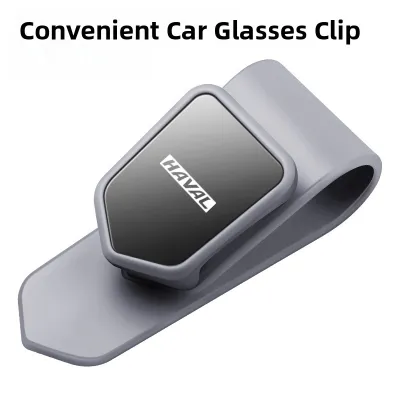
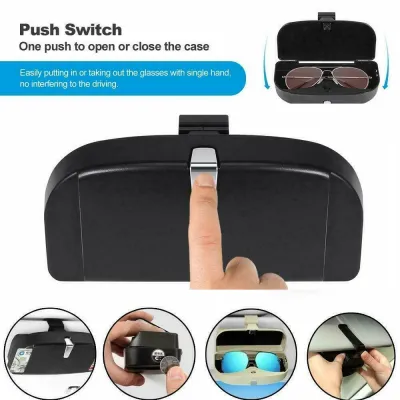
Prices are valid at publication and may change. Please refer to the product page for the latest price.
Start by measuring the thickness of your sun visor. Standard visors are typically thin and uniform, allowing basic spring-loaded clips to slide on easily. However, many modern vehicles feature heavily padded visors, integrated vanity mirror assemblies, built-in garage door openers, or electronic toll payment units that significantly increase their thickness. If your visor is thicker than average, a standard clip may stretch out of shape, slip off, or leave permanent indentations in the fabric or leather wrapping. Additionally, check for any airbag warning labels or integrated wiring harnesses inside the visor, as high-tension clips can pinch internal electronics or cover critical safety information.
Next, inspect your dashboard’s surface texture, curvature, and material composition. Adhesive and suction-based mounts require a completely flat, non-porous surface to establish a secure bond. If your dashboard is covered in textured vinyl, open-pore wood, soft-touch leather, or features a highly curved design, adhesives may fail to stick properly, leading to the mount falling off while you are driving. Furthermore, you must identify the exact locations of your vehicle’s passenger airbag deployment zones, which are typically marked on the dashboard panel. Mounting any accessory within these zones is extremely dangerous, as a deploying airbag can turn a plastic clip into a high-velocity projectile.
Finally, verify the clearance around your headliner and overhead console. If your vehicle features a low roofline, a panoramic sunroof, or a complex overhead console housing map lights and driver-assist cameras, a bulky visor clip may obstruct your line of sight or interfere with physical controls. Ensure that when the visor is fully folded back against the headliner, there is sufficient clearance to accommodate both the clip and your sunglasses without pressing against the roof fabric. This is particularly important in vehicles with delicate Alcantara or microfiber headliners, where constant friction can cause premature wear and pilling of the material.
Sun Visor Clips: Ideal for Standard Setups
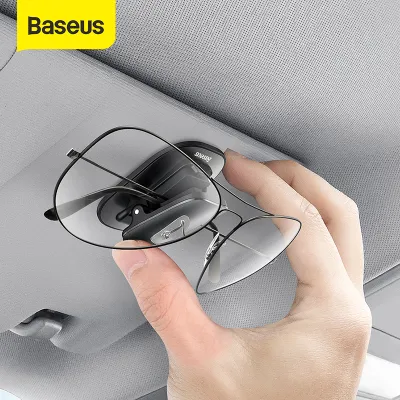
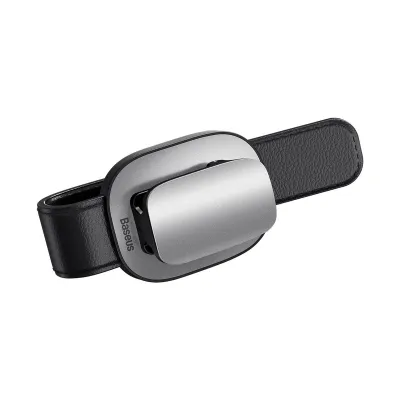
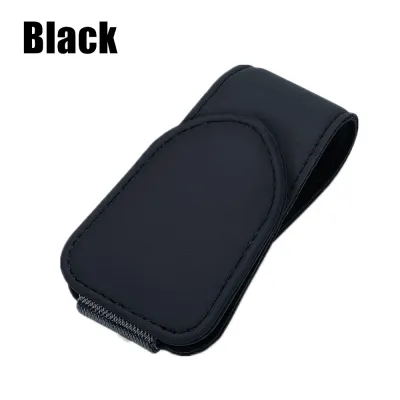
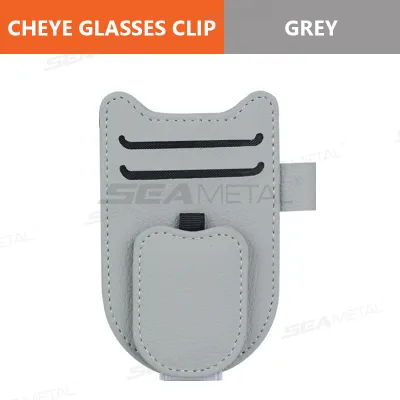
Sun visor clips are a common and traditional solution for storing eyewear in a vehicle. These accessories typically slide over the side or front edge of the sun visor, holding your glasses securely against the visor’s surface using a spring-loaded arm or a padded clamp. For vehicles with standard interior layouts, this mounting style keeps your sunglasses out of your forward field of view while keeping them within arm’s reach.

The ideal conditions for a sun visor clip include a standard-thickness visor with a flat, uniform profile and an unobstructed folding mechanism. In these setups, the clip can be positioned near the outer edge of the visor, allowing you to flip the visor down to block the sun without the clip or sunglasses falling off. Because they utilize the existing structure of the visor, these clips do not require any adhesives or permanent modifications to your vehicle’s interior, making them an excellent option for leased vehicles or drivers who prefer a non-invasive installation.
However, visor clips do have potential drawbacks that you must consider. If your vehicle’s visor features an integrated vanity mirror with a sliding cover or built-in LED lighting, a clip can block the cover from opening or put pressure on the delicate plastic frame of the mirror. In some cars, the visor also houses toll card holders or document clips; adding an aftermarket sunglasses holder can clutter this space and make it difficult to access your cards quickly. Furthermore, if the clip is too heavy or has excessive tension, it can cause the visor’s internal hinge to wear out prematurely, leading to a sagging visor that will not stay flush against the headliner.
To prevent long-term damage to your vehicle’s interior, perform a few verification steps before finalizing your choice. Inspect the internal padding of the clip’s mounting bracket; high-quality options should feature soft foam, silicone, or microfiber lining to protect your visor’s fabric or leather from scuffs and tears. Avoid clips with bare metal or hard plastic edges that can dig into the upholstery. Additionally, test the tension of the clip with your hands before installing it; it should feel secure enough to hold its position during bumpy drives without requiring excessive force to slide onto the visor.
Dashboard Mounts: Solving Thick Visor Issues
When your vehicle’s sun visors are too thick, heavily padded, or packed with integrated electronics, a dashboard-mounted sunglasses holder offers an effective alternative. These mounts typically secure to the top or face of the dashboard using automotive-grade double-sided adhesive or a suction cup mechanism. By moving the storage location to the dashboard, you eliminate the risk of damaging your visors while keeping your eyewear in a highly visible and accessible location.
Dashboard mounts are particularly well-suited for modern vehicles equipped with advanced driver-assistance systems (ADAS) that utilize cameras and sensors mounted near the rearview mirror. In these vehicles, bulky visor clips can sometimes interfere with the camera’s field of view or block the ambient light sensors that control automatic headlights and dimming mirrors. A dashboard mount keeps the overhead area clear, ensuring that your vehicle’s safety systems operate without obstruction. This style is also ideal for drivers who find reaching overhead uncomfortable or distracting while operating the vehicle.
To ensure a successful installation, your dashboard must meet specific surface requirements. The mounting area must be smooth, clean, and free of any textured grain or protective dressings like silicone-based interior polishes, which can prevent adhesives from bonding. If your dashboard is wrapped in genuine leather or soft-touch synthetic materials, you should avoid adhesive mounts entirely. The constant tension, combined with the weight of the sunglasses, can stretch or tear the leather, and removing the adhesive later can strip away the material’s top finish, leaving an unsightly, permanent mark.
Additionally, you must account for environmental factors, particularly if you park your vehicle outdoors in hot climates. The interior of a car parked in direct sunlight can reach extreme temperatures, which can soften adhesive backings and cause the mount to slide or fall off, leaving a sticky residue on your dashboard. When selecting a dashboard mount, look for products that specify the use of high-temperature, automotive-grade adhesives designed to withstand cabin heat. Always position the mount safely away from any passenger airbag deployment zones and ensure it does not block your view of the road or your vehicle’s instrument cluster.
Magnetic Holders: Achieving a Minimalist Layout
For drivers who prioritize a clean, modern aesthetic, magnetic sunglasses holders offer a highly minimalist storage solution. These holders typically consist of a small, low-profile base that clips onto the sun visor or adheres to the dashboard, paired with a magnetic clasp that holds the sunglasses in place. Because they do not rely on bulky mechanical clamps or spring-loaded arms, magnetic holders blend seamlessly into the vehicle’s interior design when not in use.
The primary advantage of a magnetic holder is its ease of use. In most cases, you can secure or retrieve your sunglasses with a simple, one-handed motion, as the magnetic force pulls the clasp shut automatically. This setup is ideal for metal-framed glasses, such as classic aviators or wire-frame prescription lenses, where the metal frame can interact directly with the magnet or a small metal plate attached to the glasses. The result is a secure, rattle-free hold that keeps your eyewear securely positioned even when driving over rough road surfaces.
Despite their convenience, magnetic holders have distinct physical limitations. They are generally incompatible with thick plastic, acetate, or wooden frames, as these materials do not respond to magnetic forces. While some magnetic holders include adhesive metal strips that you can apply to your glasses, many drivers find this solution unsightly or uncomfortable, especially if the strip contacts their skin. Furthermore, heavy or oversized eyewear styles may exceed the holding capacity of the magnet, causing the glasses to slip off during sudden braking or sharp turns.
Safety is another critical consideration when installing a magnetic accessory in your vehicle’s cabin. Strong magnetic fields can potentially interfere with built-in electronic components, such as digital compass sensors in your rearview mirror, keyless entry receivers, or electronic toll collection tags (such as local ERP or OBU units) mounted on your windshield. To prevent interference, ensure that the magnetic holder is positioned several inches away from these electronic devices. Additionally, check that the magnet does not affect any polarized lens coatings on your sunglasses, as prolonged exposure to strong magnetic fields can sometimes cause minor optical distortion in certain specialized lens materials.
Match the Mounting Style to Your Driving Habits
Selecting the right car sunglasses clip is not just about physical compatibility; it is also about how you interact with your vehicle on a daily basis. Your driving habits, the frequency with which you wear sunglasses, and your preference for interior organization should guide your final decision. By matching the mounting style to your specific routine, you can ensure that your eyewear is always accessible when you need it and safely stored when you do not.
If your daily commute involves frequent transitions between bright sunlight and shaded areas—such as driving through tunnels or under heavy tree canopies—you need a solution that allows for rapid, one-handed operation. Visor clips with magnetic closures or simple tension arms are excellent for this scenario, as they allow you to grab or store your glasses without taking your eyes off the road. This setup works best if your vehicle has standard, unobstructed visors and you do not mind having your glasses stored overhead.
Conversely, if you prefer to keep your overhead line of sight clear, or if your vehicle features thick, electronic-laden visors, a dashboard mount is the logical choice. This option is highly convenient for drivers who wear prescription sunglasses and need to swap between their regular glasses and sunglasses quickly. By placing the mount on the dashboard, both pairs of glasses remain within your natural field of view, making the transition smoother and safer. However, you must ensure that the dashboard surface is suitable for mounting and that the accessory does not block your view of the road.
For those who drive premium vehicles with delicate interior finishes, such as Alcantara headliners or hand-stitched leather dashboards, a cautious approach is required. In these environments, high-tension visor clips can leave permanent indentations, while adhesive dashboard mounts can ruin expensive leather surfaces. If you own a vehicle with these materials, look for specialized, low-tension magnetic holders designed specifically for delicate surfaces, or consider using a non-slip console tray instead of a clip-on accessory. Always prioritize protecting your vehicle’s original finishes over the convenience of a quick-mount accessory.
Install and Remove Clips Without Interior Damage
Proper installation and removal are crucial to ensuring that your car sunglasses clip does not leave lasting damage on your vehicle’s interior. Whether you are using a simple visor clip or an adhesive dashboard mount, taking a few precautionary steps during the installation process will protect your cabin’s surfaces and ensure the accessory remains securely in place.
Before installing any clip, always read the manufacturer’s instructions and check your vehicle’s owner’s manual for any warnings regarding aftermarket accessories. If you are installing a visor clip, gently slide it onto the visor rather than forcing it, which can tear the fabric or stretch the internal frame. For adhesive dashboard mounts, clean the mounting surface thoroughly with a mild, non-greasy cleaner to remove dust, oils, and interior dressings. Avoid using harsh chemical solvents like acetone or high-concentration rubbing alcohol on soft-touch plastics or leather, as these can strip away protective coatings and cause permanent discoloration.
When positioning your mount, strictly avoid any areas that could compromise safety. Never place a mount on or near airbag deployment covers, sensor arrays, or touchscreens. If you are using an adhesive mount, allow the adhesive to cure for the manufacturer-recommended time—typically 24 hours—before hanging your sunglasses on it. This curing period ensures a strong, heat-resistant bond that is less likely to fail when the vehicle’s cabin heats up in the sun.
If you eventually need to remove an adhesive mount, do not attempt to pry it off with force, as this can tear the dashboard material or leave a stubborn residue. Instead, apply gentle heat to the adhesive pad using a hair dryer on a low setting to soften the glue. Once the adhesive is warm, slowly peel the mount away from the surface, using a plastic trim removal tool or a piece of dental floss slipped underneath the pad to slice through the softened adhesive. Any remaining residue can be cleaned using a mild, surface-safe adhesive remover, followed by a damp microfiber cloth to restore the dashboard’s original appearance.
Community discussion
Share your experience or ask a question. Comments are reviewed before publication.