
Finding a secure spot for your sunglasses or prescription eyewear in a vehicle can be surprisingly challenging. While some modern vehicles come equipped with built-in overhead console compartments, many cars lack a dedicated space, leaving drivers to rest their expensive eyewear in open cup holders, door pockets, or on the passenger seat where they risk getting scratched or crushed. Selecting the right aftermarket car spectacle holder requires balancing quick accessibility with the physical layout of your cabin. The three primary options—visor clips, dashboard mounts, and sun visor pockets—each offer distinct advantages depending on your daily driving habits and your vehicle’s interior materials.
In tropical climates like Singapore, where parked cars can experience extreme cabin temperatures, material durability and adhesive stability become critical factors in your decision. A holder that relies on low-grade adhesives might fail under direct sunlight, while a mechanical clip might warp if made of low-quality plastics. By evaluating how each mounting style interacts with your car’s sun visors, dashboard textures, and safety systems, you can select a secure storage solution that keeps your eyewear protected and within arm’s reach.
Understanding the Three Main Mounting Styles
To make an informed decision, it is essential to understand how these three mounting styles differ in their physical design, installation methods, and daily usability. Each style targets a specific area of the car’s cabin, altering how you interact with your eyewear while driving.
Products mentioned in this guide
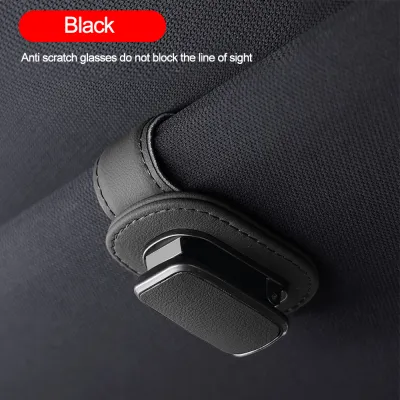
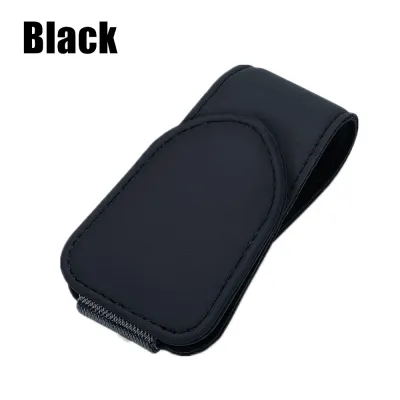
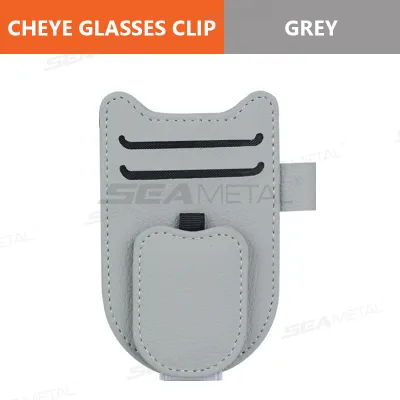
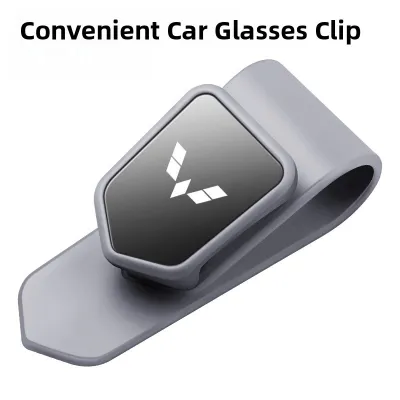
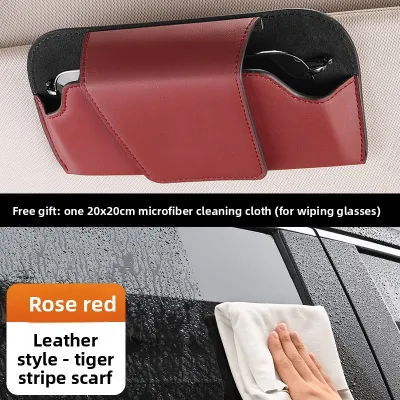
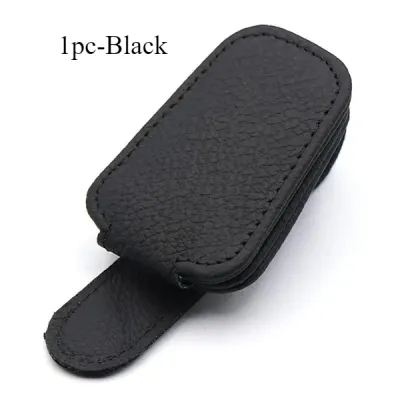
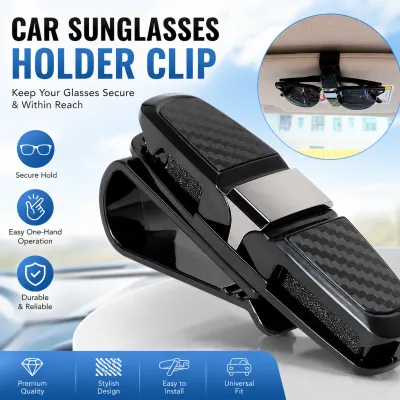
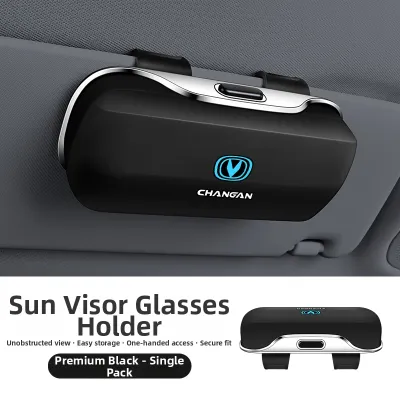
Prices are valid at publication and may change. Please refer to the product page for the latest price.
Visor clips are compact, minimalist accessories designed to slide directly onto the edge of your driver-side or passenger-side sun visor. They typically feature a mechanical spring clamp or a magnetic clasp that holds the temples of your glasses flat against the visor surface. This design prioritizes immediate, one-handed access, making it highly popular for drivers who frequently transition between indoor spectacles and outdoor sunglasses.
Dashboard mounts, on the other hand, utilize the flat surfaces of your center console or dashboard. These holders often resemble small cradles, hard-shell cases, or magnetic pads that secure to the vehicle using double-sided adhesive tape, suction cups, or specialized clips that attach to the air conditioning vents. This style centralizes your storage, keeping your glasses in the same visual plane as your infotainment screen or instrument cluster.
Sun visor pockets offer a high-capacity, multi-functional alternative. Instead of holding a single pair of glasses with a clip, these are fabric or leather sleeves that wrap around the entire sun visor, secured by thick elastic bands. They feature multiple slots, zippered compartments, and mesh pockets designed to hold not only your spectacles but also parking cards, fuel cards, pens, and small documents. While they offer excellent organization, they add noticeable bulk to your overhead space.
Visor Clip Holders: Evaluating Quick Access and Grip Security
Visor clips are favored for simplicity, but their effectiveness depends on your sun visor and eyewear. Before choosing, evaluate whether your visor can accommodate a mechanical clip without suffering structural damage.

Visors vary significantly; some are thin plastic panels, while others are thick, padded units wrapped in delicate leather or Alcantara. A rigid metal clip with high spring tension can crush padded materials or leave permanent indentations on leather. Conversely, if the clip’s opening is too narrow, forcing it onto a thick visor can bend the clip or crack the visor’s internal frame.
Consider how the clip’s position affects your driving. When mounted, the clip and glasses should not block your vanity mirror, cover vanity lights, or interfere with built-in sensors. For taller drivers, a bulky holder hanging from the visor can intrude into upper peripheral vision, creating a distraction.
Finally, assess the weight and frame style of your glasses. Oversized sunglasses with thick acetate frames require a clip with a wide jaw. Magnetic visor clips are convenient but may struggle to hold heavy frames securely when driving over speed bumps. Mechanical spring clips offer a tighter lock but require more effort to operate with one hand.
Dashboard Mounts: Assessing Central Placement and Surface Compatibility
If you prefer to keep your overhead space clear, a dashboard mount offers a centralized solution. However, mounting accessories on the dashboard introduces challenges regarding surface textures, adhesive longevity, and cabin safety.
The primary concern with adhesive-based mounts is surface compatibility. Modern dashboards feature textured plastics, soft-touch synthetic leather, or curved contours. Standard double-sided adhesives require a clean, flat, non-porous surface. If your dashboard has been treated with silicone-based protectants, the adhesive may fail to stick, leading to the holder sliding off during sharp turns.
In warm climates like Singapore, the air inside a parked car can heat up rapidly. This extreme heat can soften adhesive backings, causing them to slip, peel, or melt, leaving a sticky residue on your dashboard. If you choose an adhesive mount, look for high-temperature acrylic adhesives or consider suction-cup mounts designed for windshield glass.
For dashboards that are heavily textured, air vent clips provide a practical alternative. These holders clip directly onto the vent slats. While this avoids adhesive issues, it does block a portion of your cabin’s airflow. Additionally, exposing spectacles to cold air from the air conditioning can chill the lenses, leading to sudden condensation when you step out into humid air.
Sun Visor Pockets: Checking Capacity and Flush Fitment
Sun visor pockets are the go-to choice for drivers who need to store more than just a single pair of glasses. These slip-on sleeves act as an overhead organizer, but achieving a flush, secure fit requires careful measurement.
Before purchasing, measure the length and width of your car’s sun visor. Because these organizers are held in place by elastic straps, a sleeve designed for a large SUV visor will sag or slide around if installed on a compact car’s smaller visor. A loose-fitting pocket can slide back and forth when you swing the visor down, which can be distracting.
The internal depth and elasticity of the pockets are also critical. If you wear thick-framed sunglasses, ensure the dedicated glasses slot is wide and flexible enough to accommodate them. If the pocket is too tight, inserting and removing your glasses will require two hands, defeating the purpose of convenient storage.
Weight management is another vital consideration. Overloading the organizer with cards, pens, and multiple pairs of glasses adds significant weight. Over time, this excess weight can wear out the visor’s internal hinge mechanism, causing the visor to sag permanently or droop down while you are driving, blocking your forward view.
How to Choose the Right Holder for Your Car and Habits
To help you decide which style best fits your vehicle and lifestyle, apply this practical decision framework:
- Choose a visor clip if you only carry one pair of sunglasses, value instant one-handed access, and have a firm, standard-thickness sun visor that will not be easily creased by mechanical pressure.
- Choose a dashboard mount if your sun visor is wrapped in delicate leather, contains sensitive electronics, or if you prefer keeping your overhead space completely clear of visual clutter.
- Choose a sun visor pocket if you need to organize multiple items—such as prescription glasses, sunglasses, parking cards, and fuel cards—and do not mind a slightly bulkier overhead profile.
- Neither may fit if your vehicle features highly irregular, deeply curved dashboard designs combined with thick, heavily padded, or oddly shaped sun visors that prevent clips or straps from securing properly.
- Verify first if your vehicle's manufacturer warns against placing accessories near the windshield pillars, overhead console, or dashboard seams where advanced driver-assistance system (ADAS) cameras or airbags are housed.
The following comparison table outlines the key operational requirements and ideal use cases for each mounting style:
| Holder Type | Ideal Visor Type | Dashboard Requirement | Best Use Case |
|---|---|---|---|
| Visor Clip | Thin to medium, firm material | None (overhead mounting) | Single-pair users seeking rapid, one-handed access |
| Dashboard Mount | Any type (not utilized) | Flat, smooth, non-textured surface | Drivers with delicate visors who prefer central storage |
| Visor Pocket | Standard rectangular, firm fit | None (overhead mounting) | Multi-item storage (glasses, cards, pens) |
Critical Safety Checks and Installation Boundaries
Regardless of which car spectacle holder you choose, safety must remain your primary concern during installation. Aftermarket accessories should never compromise the operation of your vehicle’s safety systems or obstruct your control of the car.
First, ensure that the holder does not block your forward or peripheral vision. When installing a visor clip or pocket, test it in both the stowed (flipped up) and deployed (flipped down) positions. The accessory must not hang down so low that it obscures your view of the road, side mirrors, or oncoming traffic.
For dashboard mounts, keep the installation zone completely clear of passenger airbag deployment paths. Airbag deployment zones are typically marked with “SRS Airbag” lettering on the dashboard. Placing a hard plastic spectacle holder on or near these seams can turn the accessory into a dangerous projectile if the airbag deploys during a collision.
Before placing your expensive eyewear into any new holder, perform a basic load test. Place a dummy object of similar weight into the holder. Drive over speed bumps, make normal turns, and perform controlled stops to verify that the holder remains securely attached. If the holder shifts, rattles, or loses its grip, adjust the mounting position or consider a different style. If you encounter any interference with your vehicle’s built-in electronics, vanity lights, or visor hinges, consult your vehicle’s owner manual for approved accessory mounting zones.
Frequently Asked Questions (FAQ)
Will a visor clip damage a leather-wrapped or padded sun visor?
Yes, rigid metal or tight plastic clips can leave permanent indentations, creases, or even tear soft leather and padded vinyl visors over time. To prevent this, check the clip tension before installation and choose models that feature soft silicone grips or foam padding on the inner clamping surfaces. If you notice deep indentations after a few days of use, remove the clip immediately and switch to a slip-on fabric visor pocket or a dashboard mount to protect your car’s interior finish.
Community discussion
Share your experience or ask a question. Comments are reviewed before publication.