
Choosing the right car rear view mirror depends on identifying whether your primary issue is physical damage, nighttime glare, or a restricted field of view. Upgrading this simple component can dramatically improve your spatial awareness and driving comfort on busy roads.
Diagnose Your Current Driving Visibility Issues
Nighttime glare from trailing vehicles is a common issue, especially when taller sports utility vehicles or commercial vans reflect high-intensity headlights directly into your eyes. This causes temporary flash blindness and eye strain during late-night commutes.
Blind spots present another major hazard when changing lanes on multi-lane expressways. Standard factory mirrors offer a limited horizontal field of view, which can easily hide a vehicle traveling in your adjacent quarter-panel area.
Products mentioned in this guide
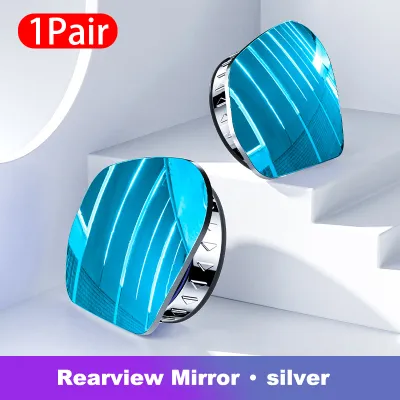
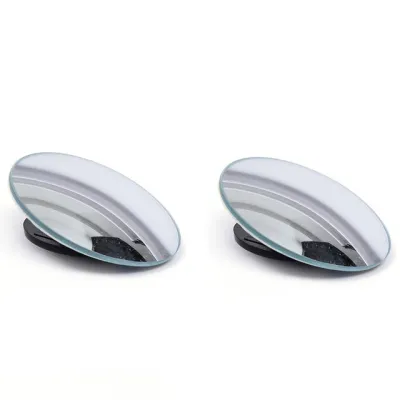
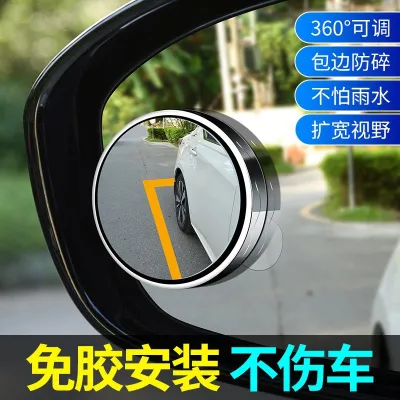
Prices are valid at publication and may change. Please refer to the product page for the latest price.
Physical wear and tear can also compromise your safety. Exposure to high cabin temperatures and humidity can cause the reflective silver backing of the mirror to peel or delaminate, resulting in dark spots, hazy reflections, or a loose mounting bracket that vibrates constantly while driving.
Cabin obstructions often render standard mirrors ineffective. High rear headrests, passenger heads, or bulky cargo stacked in the boot can completely block your line of sight through the rear windscreen, making an upgrade necessary to maintain a clear view of traffic behind you.
Match Your Diagnosed Needs to the Right Mirror Type
OEM Replacement If your current mirror is physically damaged but you were otherwise satisfied with its performance, an Original Equipment Manufacturer (OEM) replacement is the most straightforward choice. This option restores your vehicle to its factory specifications without altering the interior aesthetics or functionality. When sourcing an OEM replacement, you must verify the exact make, model, and production year of your vehicle. Many modern mirrors house advanced driver assistance systems sensors, rain sensors, or automatic high-beam cameras, meaning a mismatched unit could disable critical safety features.

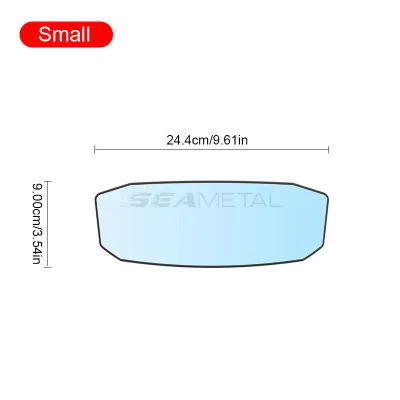
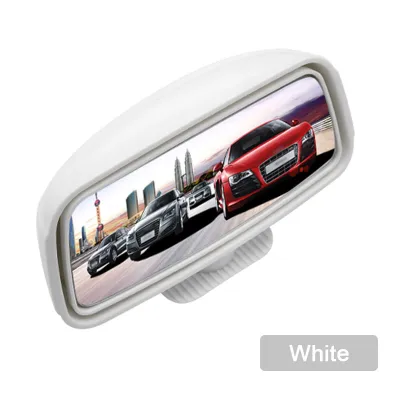
Wide-Angle (Panoramic) Drivers seeking to eliminate blind spots without adding external side mirrors often turn to wide-angle or panoramic mirrors. These units feature a curved, convex glass design that significantly expands your horizontal field of view, allowing you to see both rear quarter windows. However, this expanded view comes with a trade-off in depth perception. Convex glass makes trailing vehicles appear further away than they actually are, which requires a period of mental adjustment to judge safe lane-merging distances accurately.
Auto-Dimming (Electrochromic) For those plagued by nighttime glare, an auto-dimming mirror offers a highly effective technological solution. These mirrors utilize forward-facing and rear-facing light sensors to detect the difference in light levels between the road ahead and the headlights behind you. When a high-glare situation is detected, an electrical charge is applied to an electrochromic gel layer sandwiched within the glass, causing it to darken proportionally. This process happens automatically, eliminating the need to manually flip a tab under the mirror while driving.
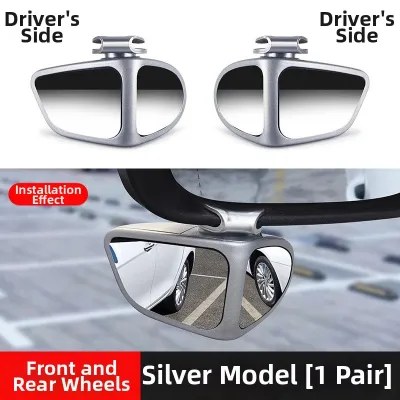
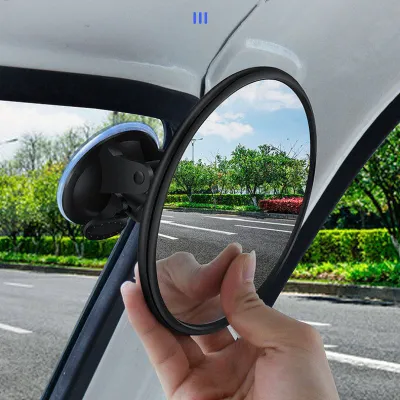
Clip-On Blind Spot Mirrors If you want to target specific blind spots without replacing your entire mirror assembly, a clip-on blind spot mirror is a practical, low-cost accessory. These units typically clip directly over your existing housing, providing a secondary, highly curved mirror surface. Before choosing this option, you must inspect the physical clamping mechanism to ensure it can grip your factory mirror securely. A loose clip-on mirror can vibrate excessively at high speeds or slip off entirely, creating a sudden distraction inside the cabin.
Verify Compatibility, Safety, and Installation Requirements
Mounting Mechanisms Before purchasing any replacement mirror, you must identify how your current mirror attaches to the windshield. Common mounting styles include wedge mounts, cam-lock buttons, or screw-on brackets that attach to a metal button glued directly to the glass. Measuring the dimensions of your existing mount is essential, as universal mirrors often require specific adapter brackets to fit securely onto your vehicle’s factory button.
Electrical Safety Installing an active accessory like an auto-dimming mirror or a mirror with an integrated dashcam requires tapping into your vehicle’s electrical system. This usually involves routing wires behind the headliner and down the A-pillar to the fuse box. To prevent electrical shorts, battery drain, or voiding your vehicle’s warranty, always consult your owner’s manual or hire a qualified automotive electrician. They can ensure the circuit is properly fused and that wires do not interfere with the deployment path of side curtain airbags.
Physical Clearance Larger panoramic mirrors or bulky clip-on units can easily interfere with other components mounted near your windshield. You must ensure the new mirror does not block the operation of sun visors, rain sensors, or forward-facing driver assistance cameras. Measure the clearance between your current mirror and the sun visors when they are flipped down to ensure a wider mirror will not prevent them from shading your eyes.
Adhesive and Glass Integrity If you need to glue a new mounting button to your windshield, proper surface preparation is critical. Old adhesive must be completely removed using specialized solvents to ensure the new glass-to-metal bond can withstand the weight of the mirror and cabin heat. Applying excessive force or using the wrong type of adhesive can cause localized stress on the windshield, potentially leading to cracks that require a costly windshield replacement.
Frequently Asked Questions (FAQ)
Can I retrofit an auto-dimming mirror in a car that lacks the factory wiring?
Yes, retrofitting is entirely possible using aftermarket auto-dimming mirror kits. These kits typically require a three-wire connection: a ground wire, a switched 12V power source that turns on with the ignition, and occasionally a reverse-gear trigger wire that temporarily disables the dimming effect when backing up. Because routing these wires safely behind the interior trim panels requires some technical skill, consulting a professional installer is highly recommended.
How to check if a modified rear view mirror complies with Singapore traffic regulations?
To ensure your modified rear view mirror is road-legal in Singapore, you should consult the Land Transport Authority guidelines or visit an authorized vehicle inspection center. Generally, any aftermarket mirror must not obstruct the driver’s forward field of vision through the windscreen, must be securely mounted to prevent detachment during an accident, and must provide a clear, undistorted view of the traffic behind without creating hazardous blind spots.
What should I check before buying a universal clip-on blind spot mirror?
Before purchasing a universal clip-on mirror, measure the height, thickness, and rear curvature of your factory mirror housing. Ensure the spring-loaded clips or screw clamps on the aftermarket unit can accommodate these dimensions without scratching the plastic or glass. Additionally, check that the added weight of the clip-on unit will not cause your factory mirror joint to sag or droop when driving over uneven road surfaces.
Community discussion
Share your experience or ask a question. Comments are reviewed before publication.