
Choosing the right car rear view mirror depends entirely on which area of visibility is compromised. If you cannot see directly behind your vehicle inside the cabin, you need an interior rear view mirror replacement or upgrade. If your lateral vision is blocked or the outer housing is damaged, you require a side mirror assembly or replacement glass. For drivers struggling with fast-merging traffic or highway lane changes, a blind spot add-on mirror provides the necessary wide-angle coverage.
Maintaining clear 360-degree visibility is a fundamental requirement for safe driving. Each mirror on your vehicle serves a distinct optical purpose, and a failure in one cannot be safely compensated for by the others. Understanding the specific triggers for replacement or enhancement ensures you select the correct component for your vehicle’s make and model.
Quick Diagnosis: Which Mirror Solves Your Visibility Problem?
Identifying the exact source of your visibility limitation is the first step toward restoring safety on the road. Different driving scenarios and physical symptoms point directly to the specific mirror type you need to address.
Products mentioned in this guide
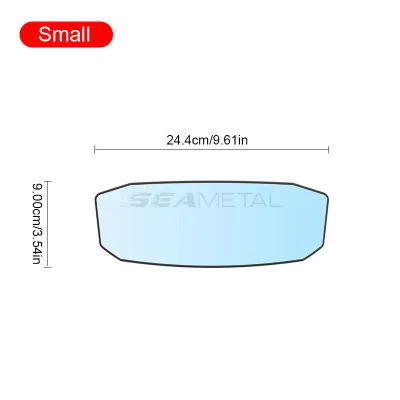
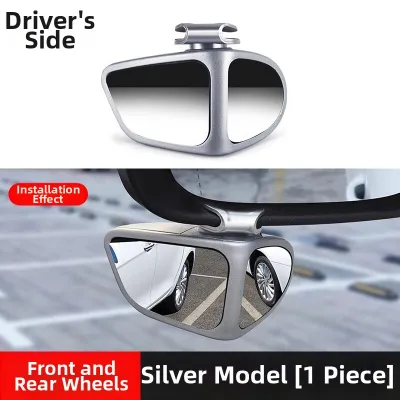
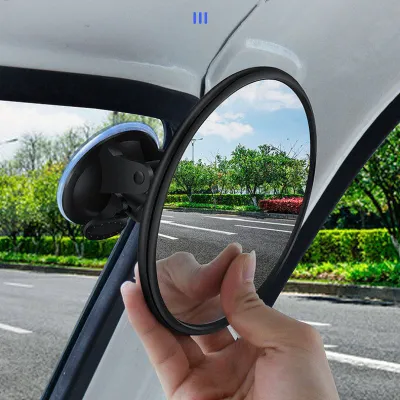

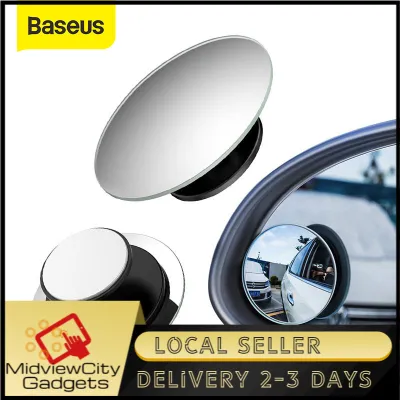
Prices are valid at publication and may change. Please refer to the product page for the latest price.
- Interior Mirror Triggers: You should look for an interior mirror solution if your view directly behind the vehicle is blocked by tall passengers, rear headrests, or bulky cargo. Physical signs like cracked glass, a loose mounting bracket that vibrates while driving, or a failing anti-glare toggle also indicate it is time for a replacement or an upgrade.
- Side Mirror Triggers: A side mirror replacement is necessary if the exterior housing is cracked, the glass is shattered, or the integrated turn signals have stopped functioning. If your vehicle has power-folding mirrors that no longer respond to controls, or if you struggle to see adjacent lanes even after adjusting the glass, your side mirrors require attention.
- Blind Spot Add-On Triggers: If you frequently struggle to spot motorcycles or low-profile vehicles when merging onto busy expressways, a blind spot add-on is the ideal solution. These are especially useful for drivers of larger vehicles like SUVs or station wagons, where thick rear pillars naturally create larger visual obstructions.
Assessing Your Interior Rear View Mirror
The interior mirror is your primary tool for monitoring traffic directly behind your vehicle. Over time, environmental factors and physical wear can degrade its performance, requiring either a direct replacement or a functional upgrade.

Physical degradation often starts subtly. High cabin temperatures and humidity can cause desilvering, a process where the reflective silver backing peels away from the glass, leaving dark, cloudy patches around the edges. Additionally, constant adjustment can wear down the ball joint behind the mirror, leading to a loose bracket that droops or vibrates excessively when driving over uneven road surfaces.
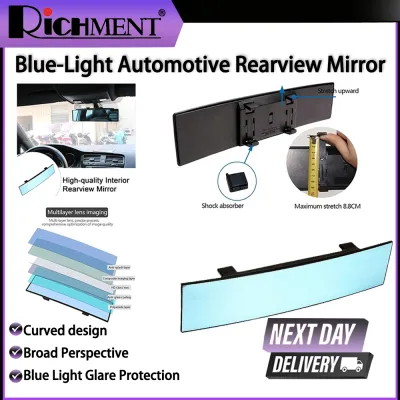
Cabin obstructions also dictate whether a standard mirror is still sufficient for your needs. If you regularly carry rear passengers, transport tall cargo, or have dark window tinting installed, a standard glass mirror may no longer provide a clear view. In these situations, upgrading to a wider clip-on mirror or a digital dashcam-integrated mirror can bypass these physical barriers entirely.
When considering an upgrade, evaluate your daily driving conditions to choose the right technology:
- Auto-Dimming Mirrors: These units use electrochromic sensors to detect headlight glare from vehicles behind you, automatically darkening the glass to prevent temporary blindness during night driving.
- Dashcam-Integrated Mirrors: These high-tech replacements clip over or replace your existing mirror, displaying a continuous high-definition video feed from a rear-mounted camera, completely unaffected by interior obstructions.
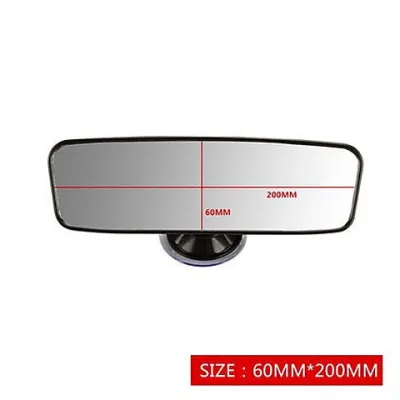
- Wide-Angle Clip-On Mirrors: A budget-friendly, non-electronic option that physically clips over your factory mirror to expand your field of view into the rear cabin corners.
Evaluating Side and Exterior Mirror Condition
Side mirrors are highly vulnerable to physical damage due to their position on the widest points of your vehicle. Navigating tight multi-storey car parks or parking along narrow streets increases the risk of impacts that compromise these critical safety components.
Begin your assessment with a thorough physical inspection. Check the outer plastic housing for deep cracks or structural damage that could allow rainwater to seep into the internal electronics. Inspect the mirror glass for cracks, chips, or discoloration, and verify if the integrated LED turn signals—common on modern vehicles—flash correctly when the indicators are active.
Next, perform a functional check of all motorized features. Sit in the driver’s seat and test the power-adjustment switch to ensure the glass moves smoothly in all four directions. If your vehicle is equipped with heated side mirrors, turn on the rear defogger to verify if the glass clears condensation or water spots during wet weather. For models with power-folding mechanisms, operate the folding switch to check for grinding noises or hesitation, which indicate motor wear.
Maintaining fully functional side mirrors is not just a matter of convenience; it is a strict legal and safety requirement. Driving with cracked exterior glass or a missing side mirror housing can fail vehicle roadworthiness inspections and significantly increases the risk of side-impact collisions due to compromised lateral visibility.
Determining if You Need a Blind Spot Add-On
Even perfectly adjusted side mirrors have inherent physical limits. Blind spots exist on both sides of every vehicle, and understanding how to mitigate them with auxiliary mirrors can prevent dangerous lane-change incidents.
Your vehicle’s body shape determines the size of your blind zones. Standard sedans generally have smaller blind spots, but their low ride height can make it difficult to spot smaller road users. Taller vehicles, such as SUVs, crossovers, and commercial vans, have much larger blind zones due to wider structural pillars (B and C-pillars) and elevated beltlines, making auxiliary mirrors highly beneficial.
If you decide to enhance your lateral view, you can choose from several types of blind spot add-ons:
- Convex Stick-On Mirrors: Small, curved glass or plastic mirrors that adhere directly to your existing side mirror glass. They provide a wide-angle, fish-eye view of the adjacent lanes.
- Wide-Angle Replacement Glass: Custom-cut, slightly convex mirror glass designed to replace your factory side mirror glass entirely, offering an expanded field of view without the cluttered look of stick-on units.
- Electronic Blind Spot Systems: Aftermarket sensor kits that use radar or ultrasonic sensors mounted on the rear bumper to alert you with visual or audible indicators when a vehicle enters your blind zone.
For physical add-ons, optimal placement is crucial. Stick-on mirrors should generally be positioned on the outermost, lower corner of your side mirror housing. This placement ensures you capture the blind spot area while preserving the flat, undistorted view of the main mirror glass for distance judgment.
Essential Maintenance and Adjustment Before Buying
Before purchasing a replacement mirror, it is worth verifying if your current visibility issues can be resolved through proper maintenance and precise adjustment.
Cleaning your mirrors correctly can dramatically improve clarity. Use a dedicated automotive glass cleaner and a clean microfiber towel to remove road grime, water spots, and oily film. If your mirrors have specialized anti-glare or hydrophobic coatings, avoid using harsh ammonia-based household cleaners or abrasive scrubbing pads, as these can permanently scratch or strip the protective layers.
Once clean, use the Blind Spot and Glare Elimination (BGE) method to adjust your mirrors and minimize blind spots:
- Interior Mirror: Adjust this mirror first so that it frames the entire rear window without requiring you to move your head.
- Driver's Side Mirror: Lean your head to the right until it almost touches the driver's side window, then adjust the mirror until you can just see the rear corner of your car.
- Passenger's Side Mirror: Lean your head to the left toward the center console, then adjust the passenger mirror until you can just see the rear passenger-side corner of your car.
When adjusting your mirrors using this method, you should not see the sides of your own car when sitting in a normal, upright driving position. This setup maximizes your lateral coverage and reduces overlap with the interior mirror.
However, there are clear stop conditions where DIY adjustments or cleaning will not suffice. If you encounter electrical faults—such as a power mirror motor that hums but does not move the glass, or a heating element that fails to warm up—you should halt DIY troubleshooting. Complex electrical issues, integrated camera calibrations, and structural housing damage require professional diagnostic tools and qualified installation to ensure safety systems remain fully operational.
Frequently Asked Questions (FAQ)
Can I stick a blind spot mirror on a heated side mirror?
Yes, you can physically attach an adhesive blind spot mirror to a heated side mirror, but there are important trade-offs to consider. The heat generated by the glass can gradually degrade the adhesive backing over time, potentially causing the stick-on mirror to fall off during heavy rain or car washes. Additionally, the thick plastic or glass of the add-on mirror will block the heat from reaching its outer surface, meaning the blind spot mirror itself will still accumulate condensation. If you rely heavily on heated mirrors, upgrading to a custom-fit, wide-angle replacement glass with integrated heating elements is a more reliable and durable alternative.
Are panoramic interior clip-on mirrors safe for my car?
Panoramic interior clip-on mirrors are generally safe, but they present specific physical and visual challenges. Standard windshield mounting brackets are engineered to support the weight of the factory mirror; adding a heavy, oversized panoramic mirror can cause the bracket to vibrate excessively or even detach from the glass over time. Furthermore, these wide mirrors can physically block the sun visors from folding down completely. Optically, the extreme curvature of a panoramic mirror distorts distances, making vehicles behind you appear much farther away than they actually are. Always verify that the clip-on unit does not obstruct built-in safety sensors, forward-facing cameras, or auto-dimming light sensors located on your original mirror housing.
When does a side mirror replacement require professional recalibration?
A side mirror replacement requires professional recalibration if your vehicle is equipped with Advanced Driver Assistance Systems (ADAS). Modern side mirrors often house critical components such as blind spot monitoring sensors, lane-departure warning cameras, and 360-degree surround-view cameras. If you replace the entire mirror assembly or even just the glass on a vehicle with these integrated technologies, the sensors must be precisely calibrated using specialized diagnostic equipment. Failing to perform this professional recalibration can cause your safety systems to malfunction, provide false warnings, or fail to detect hazards entirely. Always consult your vehicle’s manual or a qualified technician if your side mirrors contain active electronic sensors.
Community discussion
Share your experience or ask a question. Comments are reviewed before publication.