
Choosing the right car polish is the difference between restoring a brilliant, mirror-like shine and permanently damaging your vehicle’s clear coat. The ideal product depends entirely on the current state of your paintwork, ranging from light surface dullness to deep, physical scratches. By diagnosing your paint’s condition first, you can select a product with the precise level of abrasiveness required to correct defects without stripping away precious protective layers.
Assess Your Paint Condition Before Choosing a Product
Before purchasing any car polish, you must accurately diagnose the state of your vehicle’s paint. Surface contaminants like road grime, tree sap, and industrial fallout often mimic physical scratches. Begin by thoroughly washing and decontaminating the vehicle using a dedicated car shampoo and a clay bar to ensure you are inspecting the actual clear coat.
Once clean and dry, inspect the paint under direct sunlight or using a high-intensity LED inspection light. If you are working in a multi-storey car park, a dedicated detailing light is essential to reveal swirl marks, holograms, and micro-marring that appear as fine, spiderweb-like circular scratches under concentrated light. These superficial defects sit on the very top layer of the clear coat and require minimal effort to correct.
Products mentioned in this guide
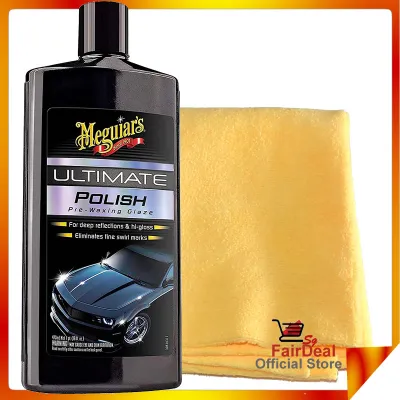
55 Lazada user ratings
Quality:As Meguiar's quality Appearance:Well packed Fast delivery. Satisfied
quick delivery and product in good condition.
Quality:good Appearance:good Performance:good
Repeat order
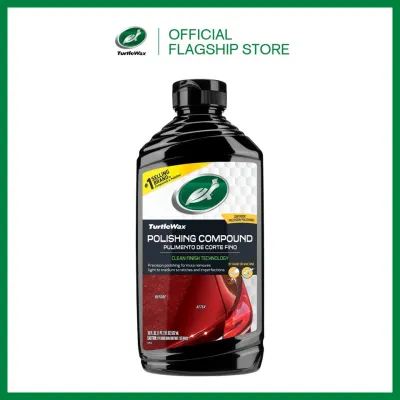
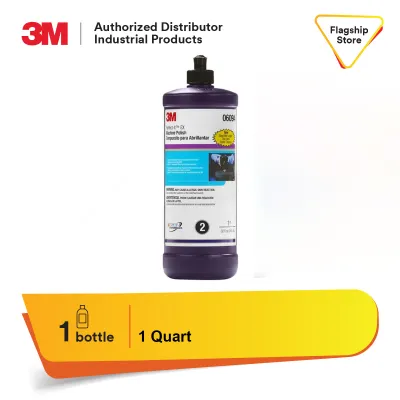
1 Lazada user ratings
Good products looks genuine and fresh but packaging could be improved!
![[SG SELLER]EELHOE Car Scratch Repair Polishing Wax Anti Scratch Cream Paint Auto Scratch Remover Car Cleaning Retreading Tools Car Styling Wax Scratch Repair Polishing Kit Auto Body Grinding Compound Anti Scratch Cream Paint Care Car Polish Cleaning Tools](https://img.lazcdn.com/g/p/c2095d5590478ee25af4ea43ccff1d69.jpg_400x400q80.jpg_.webp)
19 Lazada user ratings
Thank you seller for the speedy delivery. You can see the before and after photo . The marks all gone . Recommended for sure.
still trying out to see if scratch can be removed
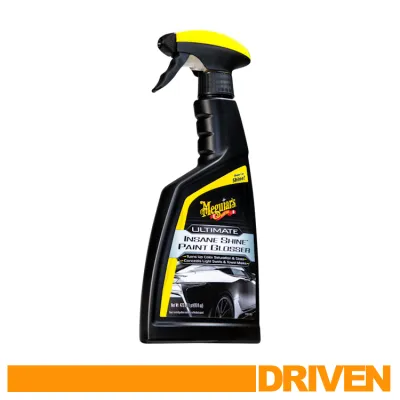
15 Lazada user ratings
Repeated order for thim item. Easy to use and high gloss effect. Thanks seller for fast delivery.
Very easy to use and effective results. Good protection. thanks seller.
The product was packed and delivered in excellent condition
Mirror-like finish, Polishing oils for depth,
Prices are valid at publication and may change. Please refer to the product page for the latest price.
For deeper scratches, perform the fingernail test by gently running your fingernail across the defect. If your nail catches in the groove, the scratch has penetrated through the clear coat and into the base coat or primer. These deep physical defects cannot be safely polished out at home and require professional touch-up paint or wet sanding.
It is also crucial to distinguish between visual defects and physical clear coat damage. Paint oxidation presents as a dull, chalky haze caused by prolonged exposure to harsh tropical sunlight and intense UV rays. Water spots, which are mineral deposits left behind after rainwater evaporates on hot panels, can often be chemically removed before resorting to abrasive polishing.
Compare Cutting Compounds, Finishing Polishes, and Glazes
Car paint correction products exist on a spectrum of abrasiveness, each designed for a specific stage of restoration. Understanding the mechanical differences between cutting compounds, finishing polishes, and glazes prevents you from using an overly aggressive product that could thin your clear coat unnecessarily. Always check the manufacturer’s label for specific cut and gloss ratings before application.

Cutting Compounds for Heavy Defect Removal
Cutting compounds represent the most aggressive category of paint correction products, formulated with hard, microscopic abrasives designed to rapidly level the paint surface. They are specifically engineered to remove deep scratches, severe oxidation, and heavy water spot etching by intentionally stripping away a thin layer of the clear coat. Because they leave behind a slightly hazy or micro-marred finish, you must always follow up compounding with a finer finishing polish to restore clarity. When shopping, look for labels indicating a high cut rating and use them only when milder alternatives fail to resolve the damage.
Finishing Polishes for Refining and Gloss
Finishing polishes feature low to moderate abrasiveness and are designed to refine the paint surface after compounding or to correct minor everyday wear. These products excel at removing light swirl marks, holograms, and micro-marring while maximizing light reflection to create a deep, glossy finish. Because they remove an incredibly minute amount of clear coat, finishing polishes are the safest choice for regular paint maintenance and annual detail work. They restore the paint’s optical clarity without compromising the structural integrity of the protective clear coat.
Glazes for Filling and Temporary Enhancement
Unlike compounds and polishes, a paint glaze contains no abrasive particles and does not remove any clear coat material. Instead, glazes utilize specialized oils, acrylics, or fillers to flow into fine swirl marks and micro-scratches, hiding them from view by mimicking a perfectly flat surface. While a glaze provides an immediate, dramatic boost in gloss and depth, the effect is temporary and will wash away after a few rain cycles or car washes. This makes glazes ideal for quick visual enhancement before an event, though they must be sealed with a wax or paint sealant to prolong their appearance.
Match Your Diagnostic Findings to the Right Car Polish
To preserve your vehicle’s clear coat for the long term, always practice the “least aggressive method first” rule. This detailing philosophy dictates that you should start with the mildest polish and pad combination capable of fixing the defect, only stepping up to a stronger compound if the initial attempt proves insufficient. Preserving as much original clear coat as possible ensures your paint remains protected against UV damage and environmental etching.
Your diagnostic findings map directly to specific product choices. If your inspection reveals deep scratches that do not catch your fingernail, start with a cutting compound on a firm foam or microfiber cutting pad. For light swirl marks, holograms, or general dullness, opt for a finishing polish paired with a medium-soft polishing pad. If the paint is structurally sound but lacks depth, or if you want to hide fine swirls without removing clear coat, a glaze applied with a soft finishing pad is the correct path.
Before committing to polishing an entire vehicle, always perform a test spot on a small, inconspicuous area, such as the lower portion of a rear fender. Apply your chosen product and pad combination to a small section, work it according to the manufacturer’s instructions, and wipe away the residue to inspect the results. This step verifies whether your chosen combination is effective on your specific paint type, as some vehicle manufacturers use exceptionally hard or soft clear coats.
If your initial test spot does not deliver the desired level of defect removal, plan a multi-step correction process. You may need to perform an initial pass with a cutting compound to level the deep defects, followed by a thorough wipe-down with an isopropyl alcohol solution to remove polishing oils. Once the surface is clean, complete a second pass with a finishing polish to remove any compounding haze and restore a high-gloss finish.
Identify Safety Limits and When to Seek Professional Help
Polishing car paint carries inherent risks, and recognizing the physical limits of your clear coat is essential to avoid irreversible damage. Clear coat failure, which manifests as peeling, flaking, or a cloudy white delamination of the top paint layer, cannot be fixed with polish. Attempting to polish areas experiencing clear coat failure will only accelerate the peeling process, as the paint has already lost its structural bond with the underlying color coat.
Extreme caution is required when working near sharp body lines, panel edges, and complex curves. The paint on these raised areas is naturally thinner due to how paint flows during the manufacturing process, and machine polishers apply concentrated pressure on high points. It is incredibly easy to “burn through” the clear coat on an edge, exposing the dull primer underneath in a matter of seconds. When polishing near these areas, tape off the edges with automotive masking tape or polish them gently by hand.
Stop the polishing process immediately if you observe any signs of paint thinning or if the polishing pad begins to take on the color of the vehicle’s paint. On modern clear-coated vehicles, a colored residue on your pad indicates that you have completely worn through the clear coat and are now abrading the base color coat. Once the clear coat is breached, the only permanent remedy is a costly professional respray of the affected panel.
Certain paint conditions require the expertise and specialized equipment of a professional detailer. If your vehicle has deep scratches that fail the fingernail test, severe oxidation on older single-stage paint systems, or if you lack a dual-action orbital polisher, seeking professional help is the safest course of action. Professional detailers utilize digital paint depth gauges to measure the exact thickness of the clear coat before starting, ensuring there is enough material to safely correct the paint without risking burn-through.
Frequently Asked Questions (FAQ)
Can I use a cutting compound and a finishing polish together?
Yes, using a cutting compound followed by a finishing polish is the standard two-step paint correction process for severe defects. The cutting compound levels deep scratches but leaves behind a hazy finish, which the finishing polish then refines to a high-gloss shine. Ensure you completely wipe away all compound residue and polishing oils with a microfiber cloth and a panel prep spray before applying the finishing polish to prevent the coarser abrasives from contaminating your finishing pad.
How often should I polish my car paint?
Abrasive polishing should only be performed when visible defects are present, typically no more than once or twice a year. Because every abrasive polishing step removes a microscopic layer of clear coat, frequent polishing will eventually thin the paint to dangerous levels. For regular maintenance between polishing sessions, focus on non-abrasive steps like washing, claying, and applying protective waxes, sealants, or ceramic coatings. If you plan to polish your vehicle frequently, consider investing in a digital paint thickness gauge to monitor the remaining clear coat.
Will polishing my car remove the clear coat?
Yes, any polish containing abrasives will remove a microscopic layer of your vehicle’s clear coat to level out scratches and defects. This material removal is necessary to restore a flat, reflective surface, but it must be managed carefully. To minimize clear coat loss, always use the least aggressive polish and pad combination that gets the job done, and avoid aggressive compounding unless the paint defects are severe.
Community discussion
Share your experience or ask a question. Comments are reviewed before publication.