
A car pillow can make or break your daily drive, especially when navigating Singapore’s congested roads during peak hours. In a climate where ambient temperatures regularly hover above 30°C and relative humidity frequently exceeds 80%, selecting the wrong material can turn your headrest into a heat trap.
To stay cool during your daily commute, the optimal choice is a car pillow featuring a breathable 3D mesh cover paired with a ventilated, gel-infused memory foam core. This combination actively facilitates heat dissipation and moisture management, preventing the uncomfortable, sticky sensation that standard pillows cause.
Why Singapore's Tropical Climate Changes Car Pillow Requirements
Singapore’s tropical climate presents a unique challenge for automotive interior accessories. When a vehicle is parked outdoors, solar radiation quickly heats the cabin, with surface temperatures on seats and dashboards often soaring far beyond the ambient air temperature.
Products mentioned in this guide
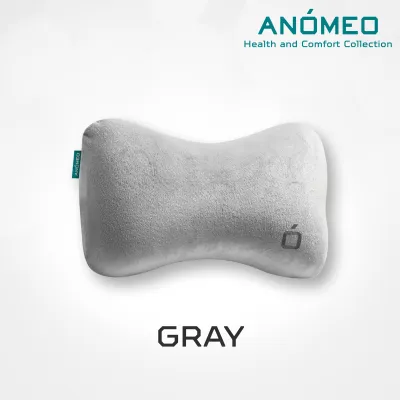
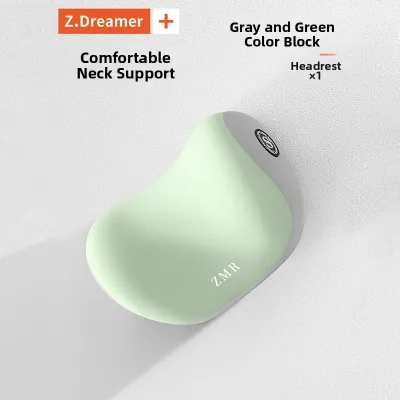
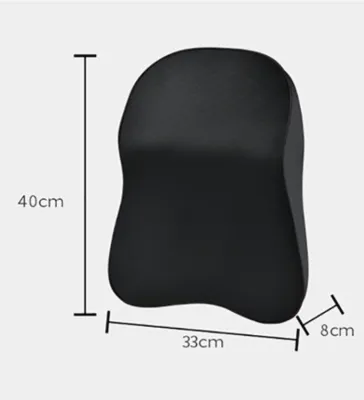
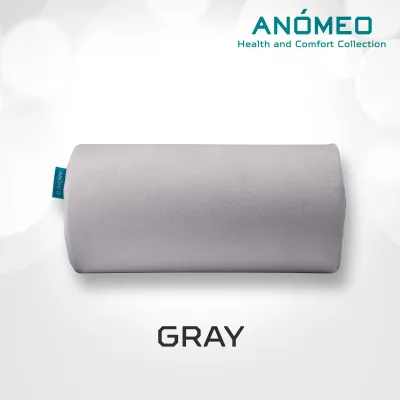

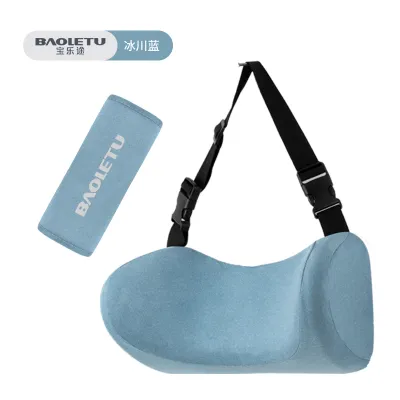
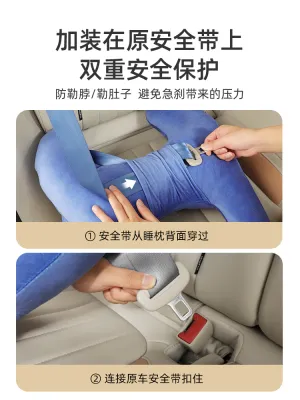
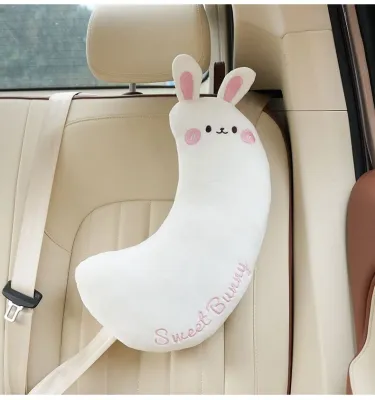
Prices are valid at publication and may change. Please refer to the product page for the latest price.
Once you enter the vehicle and turn on the air conditioning, the air temperature drops, but the physical contact points between your body and the car seat remain insulated. Standard car pillows, designed primarily for temperate climates, focus heavily on plush cushioning rather than thermal regulation, which quickly leads to localized heat buildup behind your neck and head.
High humidity further compounds this discomfort. In humid conditions, the rate at which sweat evaporates from your skin is significantly reduced. If your car pillow is made of a non-breathable material, sweat becomes trapped against your skin, leading to a damp, sticky feeling within minutes of driving.
This trapped moisture does more than cause immediate physical discomfort; it also creates an ideal environment for bacteria, mold, and mildew to thrive within the pillow’s fibers. Consequently, “cooling” in the context of a tropical commute does not refer to active refrigeration, but rather to the pillow’s ability to continuously dissipate heat and manage moisture through passive airflow.
Comparing Car Pillow Materials for Heat Dissipation and Moisture Control
Selecting the right car pillow requires evaluating both the outer cover fabric and the inner core material. While the core provides the necessary ergonomic support for your neck and spine, the cover dictates the initial heat transfer and moisture absorption. A mismatch between these two components can completely compromise the pillow’s cooling performance.

Breathable Mesh and 3D Air Fabrics
Three-dimensional (3D) spacer fabrics and open-mesh structures represent the pinnacle of passive cooling technology for automotive accessories. Unlike traditional flat fabrics, 3D mesh is constructed using a double-needle bar warp-knitting process that creates a distinct physical air gap between the outer layers.
This structural gap is maintained by thousands of resilient polyester micro-filaments that resist collapsing under pressure. When you rest your neck against a 3D mesh car pillow, this open structure allows air to circulate freely beneath your skin.
As you move, air is naturally pumped through the mesh, carrying away the warm, humid air generated by your body and replacing it with cooler cabin air. This continuous ventilation prevents sweat from accumulating on the surface, making 3D mesh highly effective for long, humid drives along the CTE or PIE.
Gel-Infused and Ventilated Memory Foam
Memory foam is highly favored for its ability to contour to the shape of your neck, reducing pressure points and muscle strain during long drives. However, standard polyurethane memory foam is inherently dense and features a closed-cell structure that acts as an insulator, trapping and retaining body heat.
To make memory foam viable for Singapore’s tropical climate, manufacturers introduce specific structural modifications. Gel-infused memory foam incorporates conductive gel beads or liquid gel layers directly into the foam mixture. This gel absorbs initial body heat and distributes it across a larger surface area, delaying the rate at which the pillow warms up.
However, gel alone cannot provide sustained cooling without physical ventilation. High-quality cooling car pillows must feature physical perforations—vertical or horizontal ventilation holes molded into the foam core. These channels allow trapped warm air to escape when the foam is compressed, ensuring that the core does not become a heat reservoir.
Natural Fibers: Bamboo, Linen, and Cotton Covers
For those who prefer a softer, more traditional fabric texture over synthetic mesh, natural fiber covers offer excellent moisture management. Bamboo-derived viscose is highly regarded for its natural breathability and moisture-wicking properties.
The microscopic structure of bamboo fibers contains numerous micro-gaps, which allow it to absorb and evaporate moisture much faster than standard synthetic fabrics, leaving a dry, cool-to-the-touch sensation.
Linen is another highly breathable option, characterized by its loose, open weave and high heat conductivity, which allows heat to escape rapidly from the skin’s surface. High-quality cotton weaves, such as waffle or pique, can also provide a comfortable, dry contact surface.
When compared to standard polyester blends commonly found in budget car pillows, these natural fibers significantly reduce heat retention and prevent the sticky feeling associated with synthetic fabrics.
Materials to Avoid: Standard Foam and Synthetic Leather
To maintain comfort during your commute, it is best to avoid standard, unventilated foam cores and non-porous outer covers. Cheap, solid polyurethane foam cores lack any form of ventilation or gel infusion, meaning they will rapidly match your body temperature and retain that heat for the duration of your drive.
Similarly, synthetic leather (such as polyurethane or polyvinyl chloride) should be avoided for contact surfaces. Although synthetic leather covers are popular because they match the premium look of leather car interiors, they are completely non-porous.
They block all airflow and prevent sweat evaporation, leading to rapid heat buildup and causing your skin or clothing to stick uncomfortably to the pillow. Even if your car seats are leather, choosing a fabric or mesh pillow for your neck is a much more practical choice for thermal comfort.
How to Verify Cooling Claims and Safety Compatibility Before Buying
When shopping for a cooling car pillow, it is important to look beyond marketing buzzwords like “ice silk” or “instant cooling technology.” Instead, focus on verifying the physical construction of the product.
Check if the pillow features a zippered, removable cover, which allows you to inspect the inner core. Look for visible ventilation holes in the foam core and ensure that the side panels of the cover utilize 3D mesh to facilitate lateral airflow. Review the product specifications to confirm if the cover fabric uses moisture-wicking materials like bamboo viscose or specialized cool-touch nylon blends.
Beyond thermal comfort, safety and compatibility must be your primary considerations before purchasing any car accessory. Before installing a car pillow, you must consult your vehicle’s owner manual and inspect the design of your car seats.
Many modern vehicles are equipped with active head restraints or headrests designed to move forward in a rear-end collision to mitigate whiplash injuries. Installing a thick, poorly positioned car pillow can interfere with this safety geometry, preventing the headrest from protecting your neck during an impact.
Additionally, you must ensure that the pillow’s mounting straps do not obstruct or wrap around seat-integrated side airbags. The pillow’s thickness should support your neck in a neutral, natural driving posture without forcing your head too far forward, which can strain your neck muscles and compromise your field of vision. Always verify that the mounting mechanism allows for secure attachment to your specific seat model without slipping or shifting during sudden braking.
Maintaining Hygiene and Material Integrity in High Humidity
Singapore’s high humidity and warm temperatures accelerate the accumulation of sweat, skin oils, and dust mites on car accessories, making regular maintenance essential for hygiene and material longevity. To preserve the cooling properties and structural integrity of your car pillow, establish a consistent, low-risk cleaning routine.
Start by removing the outer cover and machine-washing it on a gentle cycle with cold water, strictly adhering to the manufacturer’s care label. Use a mild, liquid detergent and avoid using chlorine bleach or fabric softeners.
Fabric softeners leave a thin chemical residue on fibers that can clog the micro-gaps in moisture-wicking fabrics, permanently reducing their breathability. The inner foam core requires completely different care.
You must never submerge a memory foam core in water or place it in a washing machine, as water will break down the delicate cellular structure of the foam and ruin its supportive properties. Instead, spot-clean any stains on the core using a damp cloth and a very small amount of mild soap, then wipe it clean with a dry towel.
Drying is the most critical step in preventing mold and mildew growth in a humid environment. Always air-dry both the cover and the foam core in a well-ventilated, shaded indoor area.
Avoid placing them under direct, intense sunlight, as ultraviolet radiation can degrade polyurethane foam, causing it to become brittle, and can break down the elastic fibers in the mounting straps. Ensure the pillow is completely dry throughout its core before reattaching it to your car seat.
Frequently Asked Questions (FAQ)
Can a cooling cover fix a standard memory foam pillow?
While a high-quality, breathable cover made of bamboo or 3D mesh will improve surface airflow and reduce initial sweat buildup, it cannot fully compensate for a dense, solid memory foam core. Standard memory foam acts as a thermal insulator, trapping your body heat and gradually warming up.
Over the course of a longer commute, this trapped heat will eventually transfer back to the cover, neutralizing its cooling benefits. For sustained thermal comfort, both the cover and the core must be designed for ventilation.
How often should I wash the pillow cover in a humid climate?
For daily commuters in Singapore, it is recommended to wash the removable outer cover once every two weeks to prevent the buildup of sweat, oils, and odors. If you sweat heavily, drive frequently during the hottest parts of the day, or park your vehicle outdoors, washing the cover weekly is ideal.
Always check the manufacturer’s care label before washing to ensure you do not use water temperatures or drying settings that could shrink the cover or degrade its specialized cooling treatments.
Community discussion
Share your experience or ask a question. Comments are reviewed before publication.