
Quick Answer: Choosing a Heat-Resistant Car Perfume Format
In Singapore’s tropical climate, where parked car cabins can easily exceed 60°C, choosing the right car perfume format is essential to prevent rapid evaporation, melting, or interior damage. Solid waxes, ceramic diffusers, and specialized vent clips generally offer the highest resistance to extreme heat. Liquid and soft gel formats present a higher risk of rapid scent depletion and leakage due to thermal expansion.
When selecting a format, prioritize three main criteria: cabin temperature exposure, reliance on active air conditioning airflow, and the physical risk of spills. If you are considering specific options like a car perfume Kathwi or other popular market brands, always check the manufacturer’s product label for maximum temperature limits and material safety guidelines before installation.
How Tropical Heat and Humidity Degrade Car Fragrances
High cabin temperatures act as a catalyst for rapid evaporation. Liquid and gel-based air fresheners rely on the gradual release of volatile organic compounds. When exposed to intense heat, these molecules vaporize at an accelerated rate, turning a product designed to last a month into one that depletes in a matter of days.
Products mentioned in this guide
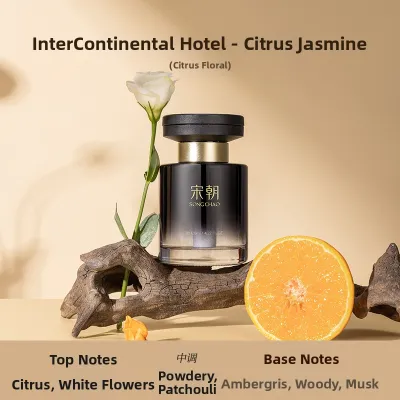
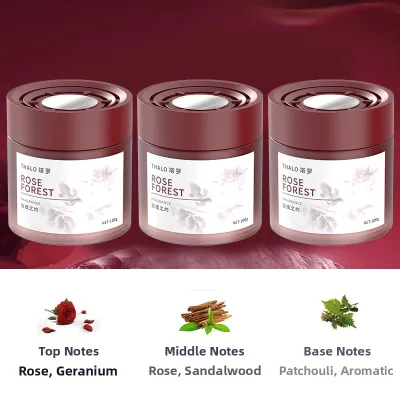
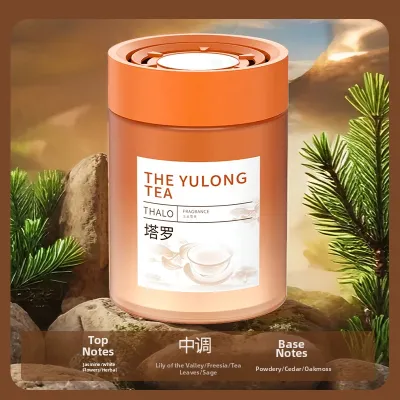
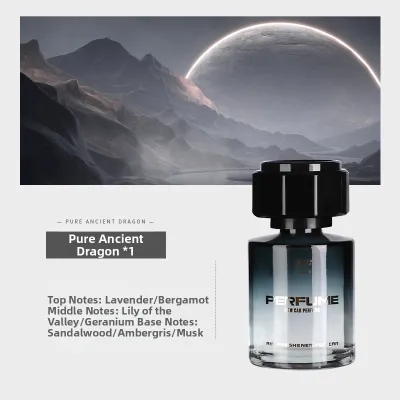
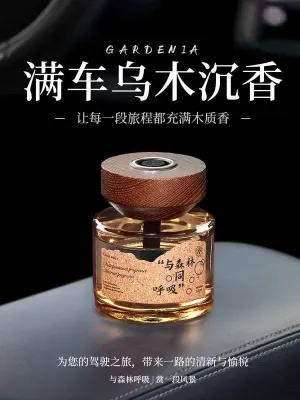
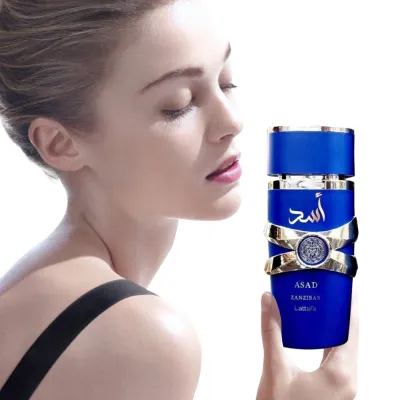
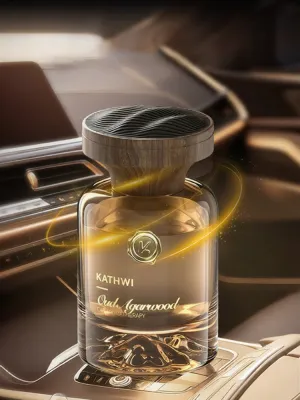
Prices are valid at publication and may change. Please refer to the product page for the latest price.

Direct solar radiation poses severe physical risks to solid and hanging formats. Hanging paper cards or soft gel pads can warp, melt, or leak oil when suspended near windows or rearview mirrors. This heat exposure can cause the carrier materials to break down, potentially dripping concentrated fragrance oils onto sensitive dashboard plastics or leather upholstery.
Singapore’s high ambient humidity further complicates scent delivery. High moisture levels in the air can alter the perceived scent throw, making fragrances feel heavy or cloying. Humidity can also saturate porous carrier materials, such as wood or paper wicks, preventing them from absorbing and dispersing the fragrance oil efficiently. This can trap stale odors inside the cabin rather than neutralizing them.
Evaluating Car Perfume Formats for Hot Climates
Solid and Gel Formats
Solid car perfumes, such as those utilizing polymer clays, ceramic blocks, or hard waxes, offer excellent structural integrity under high temperatures. Because they do not contain free-flowing liquids, they present virtually zero spill risks even if the vehicle travels over rough roads or sits in direct sunlight. However, the rate of scent release in solid formats is highly dependent on the exposed surface area. In extreme heat, the outer layer of a solid perfume can dry out quickly, forming a crust that seals in the remaining fragrance. Gel formats, while initially offering a consistent scent release, tend to shrink rapidly in tropical heat. As the water or solvent content evaporates, the gel contracts, often losing its aesthetic appeal and scent throw simultaneously.
Liquid Formats
Liquid car perfumes, including traditional glass bottles with wooden diffusers or adjustable wicks, operate on capillary action. While they provide a strong and immediate fragrance, their evaporation mechanics are highly sensitive to temperature fluctuations. When a parked car heats up, the air inside a liquid perfume bottle expands. This pressure buildup can force excess liquid up through the wick or cap, leading to leaks and drips. Because concentrated fragrance oils can permanently stain or degrade dashboard plastics, leather, and console finishes, liquid formats require highly reliable adjustable wick or cap mechanisms. Always refer to the product label for authorized mounting positions to prevent contact with sensitive interior materials, and regularly inspect these seals to ensure they remain airtight under thermal stress.
Vent Clips and Hanging Diffusers
Vent clips are highly popular because they rely on active air conditioning airflow rather than passive heat to disperse scent. This design allows you to control the fragrance intensity by adjusting the fan speed or closing the vent entirely when the car is parked. Before mounting a vent clip, verify your vehicle’s vent blade dimensions and design in your owner’s manual to ensure a secure fit that does not interfere with air direction controls or damage the vent mechanism. The plastic housing of vent clips must also be checked for heat resistance, as low-grade plastics can become brittle or warp when exposed to hot air. Hanging diffusers, often made of absorbent paper, wood, or felt, are highly exposed to passive heat and solar radiation when hung from the rearview mirror. This constant exposure accelerates material degradation, causing paper to yellow and wood to crack, which ultimately ruins the aesthetic and shortens the fragrance lifespan.
Placement and Maintenance to Prevent Melting and Rapid Evaporation
To maximize the lifespan of your car perfume, avoid placing any format in high-risk zones that receive direct solar radiation. The dashboard and the rear parcel shelf are the most vulnerable areas in a vehicle. Surface temperatures in these spots can climb significantly higher than the ambient cabin air, leading to immediate melting, rapid evaporation, or container warping.
Instead, opt for shaded, lower-cabin placements or indirect airflow zones. Placing a solid or gel perfume under the front seats, inside a door pocket, or within the center console cup holder helps stabilize evaporation rates. These shaded areas protect the fragrance carrier from direct sunlight, ensuring a more gradual and consistent scent release while safeguarding your interior surfaces from accidental leaks.
Establish a routine of visual and olfactory checks to determine when your car perfume has degraded or become unsafe. Inspect liquid bottles for signs of pressure leaks, cracks, or loose caps. For gels and solids, look for extreme shrinkage, discoloration, or a sticky residue on the container’s exterior. If the fragrance suddenly smells sour, excessively chemical, or has a harsh alcohol-like undertone, the heat has likely broken down the chemical composition of the perfume. In such cases, replace the unit immediately to maintain a pleasant and safe cabin environment.
Frequently Asked Questions (FAQ)
Is it safe to leave liquid car perfume in a parked car under the sun?
Leaving liquid car perfume in a parked car exposed to direct tropical sunlight carries notable risks. The intense heat inside a sealed vehicle causes the liquid and the air inside the bottle to expand, creating internal pressure. This pressure can force the liquid to leak through the cap, wick, or seams. If these concentrated oils drip onto your dashboard, console, or upholstery, they can cause permanent chemical damage, peeling, or discoloration to plastics and leather. Always check the manufacturer’s safety warnings on the packaging regarding maximum storage temperatures and volatile organic compound (VOC) limits. If you must use a liquid format, consider removing it from the dashboard or placing it in a shaded glove compartment when parking outdoors for extended periods.
Do vent clips release scent when the air conditioning is off?
Vent clips rely primarily on active airflow from your vehicle’s air conditioning system to disperse fragrance throughout the cabin. When the air conditioning is turned off, the scent throw becomes highly passive and localized to the immediate area around the vent. In hot and humid conditions, the lack of moving air prevents the fragrance molecules from circulating effectively. Furthermore, high ambient humidity can make the air feel heavy, which limits the natural diffusion of the scent. It is also important to note that leaving a vent clip in a hot, uncooled cabin can cause the carrier medium to dry out prematurely, even without active airflow. To prevent this, some drivers choose vent clips with adjustable shutters that can be closed when the vehicle is not in use.
What are the signs that heat has degraded my car perfume?
Recognizing the signs of heat degradation can help you replace your car perfume before it damages your vehicle’s interior or becomes unpleasant. Visual cues are often the most immediate indicators. Look for distinct color changes, such as a clear liquid turning yellow or cloudy, separation of oil and water layers, or crystallization around the nozzle or wick. For solid or gel formats, physical warping of the plastic container, extreme shrinkage, or a melted, gooey texture are clear signs of failure. Olfactory changes are equally telling. If the perfume begins to emit a sour, rancid, or overly harsh chemical scent instead of its original fragrance profile, the heat has altered its chemical structure. When these signs appear, discard the product safely and install a fresh replacement.

Community discussion
Share your experience or ask a question. Comments are reviewed before publication.