
In Singapore’s relentless heat and humidity, solid polymer membranes and specialized heat-resistant gel car perfumes generally last the longest. Unlike liquid diffusers that evaporate rapidly or standard water-based gels that can liquefy under direct sunlight, these stable formats control fragrance release through physical barriers. Choosing the right format requires balancing how you park, how often you run your air conditioning, and where you place the scent inside your vehicle.
How Singapore's Tropical Climate Changes Your Car Perfume Choice
When parked outdoors in Singapore—such as in open-air surface car parks or uncovered commercial lots—interior cabin temperatures can rise rapidly. The greenhouse effect inside a sealed vehicle intensifies solar radiation, turning the cabin into an oven where surfaces can easily exceed high temperatures. This extreme heat accelerates the kinetic energy of fragrance molecules, causing them to escape their carrier materials at an unsustainable rate.
High relative humidity, which frequently hovers around eighty percent or higher in Singapore, further complicates how fragrances behave. Water-based or moisture-absorbing fragrance formats can struggle in these damp conditions. High humidity can slow down the evaporation of water-based carriers while causing cardboard or porous wood formats to absorb ambient moisture, altering the scent profile and structural integrity.
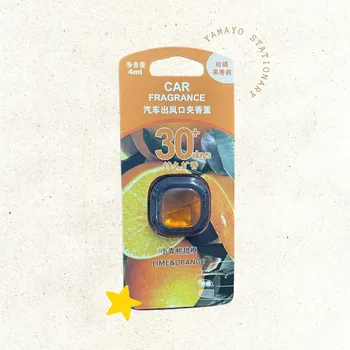
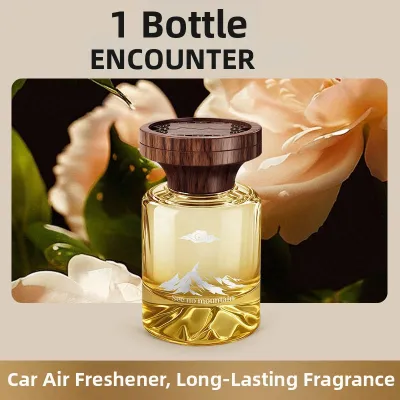
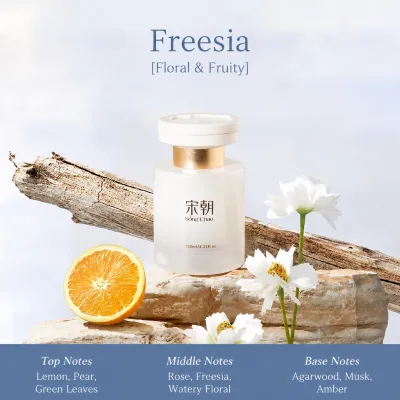
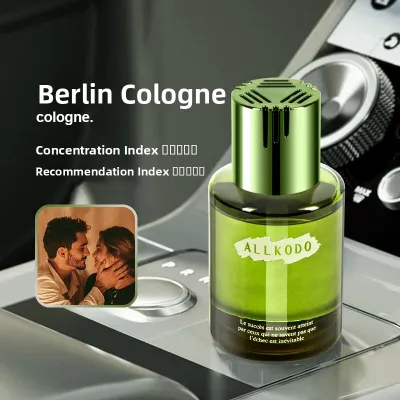
Products mentioned in this guide
![[KIRONA SCENT] Mori Car Hanging Aroma Diffuser | Air Freshener & Perfume for Cars Wardrobes Gifts | Hotel Mall & Perfume Scents](https://img.lazcdn.com/g/p/3523ad18c693917ba7a5dc689ede283f.png_400x400q80.png_.webp)
![[NEW LAUNCH] Trapo Scented Pod - Air Freshener - Car Accessories - Car Fragrance](https://img.lazcdn.com/g/p/d37b2c3d5ea17f5b724712e177ed293b.jpg_400x400q80.jpg_.webp)
Prices are valid at publication and may change. Please refer to the product page for the latest price.
Consequently, drivers must shift their focus from maximum scent throw to physical stability and safety. A perfume that smells incredibly strong but melts onto your dashboard within a week is a liability. Ensuring the product remains physically stable under extreme heat prevents costly interior damage and maintains a consistent, pleasant driving environment.
Comparing Car Perfume Formats for Tropical Heat
The core challenge in a tropical climate is managing how a fragrance transitions from liquid or solid to gas. High heat accelerates molecular movement, causing volatile fragrance oils to escape much faster than intended. At the same time, some solid or semi-solid carriers can undergo physical state changes, melting back into liquids and risking messy spills.

In Singapore, driving without the air conditioning on is rare. When you start your car and blast the AC, the sudden drop in temperature and humidity temporarily slows down fragrance evaporation. However, once you park and turn off the engine, the rapid temperature spike restarts aggressive evaporation. This constant thermal cycling puts immense stress on the fragrance carrier.
Your daily parking routine should dictate your choice. If you primarily park in sheltered multi-storey car parks or basement lots, you have more flexibility to use liquid diffusers or standard gels. If your car sits in an open-air lot during work hours, you must prioritize highly stable, heat-resistant formats like solid polymers or vent clips that are shielded from direct sunlight.
Gel and Solid Air Fresheners
Gel-based air fresheners are popular for their consistent scent release, but they behave differently under extreme heat. Standard water-based gels can liquefy when cabin temperatures soar. As they melt, they shrink rapidly and can leak through the ventilation holes of their containers, leaving a sticky residue that is difficult to clean.
When placed on the dashboard or in cup holders exposed to direct sunlight, the solar load accelerates the drying process. The gel block can dry out, warp, and lose its scent-carrying capacity within a fraction of its rated lifespan.
Before purchasing a gel or solid air freshener, inspect the packaging for temperature limits. Look for products explicitly rated for high-temperature environments. If the label warns against exposing the product to temperatures above forty degrees Celsius, it is highly likely to degrade quickly in a car parked under the sun.
Liquid Diffusers and Sprays
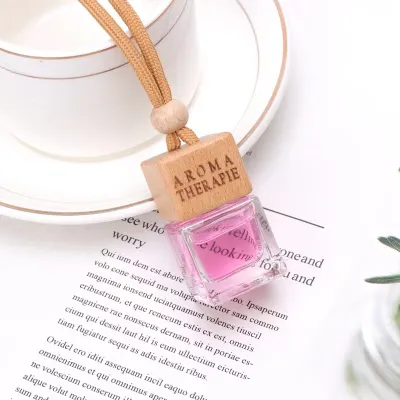
Liquid car perfumes, especially those in glass bottles with wooden screw-on tops or hanging cords, present a significant spill risk. If the bottle tips over or the liquid seeps through the wooden cap too quickly, it can drip onto your dashboard, infotainment screen, or leather upholstery. The concentrated solvents and oils in these perfumes can permanently stain plastics, melt synthetic leather, or damage sensitive electronics.
Liquid formats rely on the evaporation of a carrier solvent, which is often alcohol-based or water-based. In high heat, these solvents evaporate at an exponential rate. A liquid diffuser rated for temperate climates can deplete in a fraction of that time when subjected to tropical cabin temperatures.
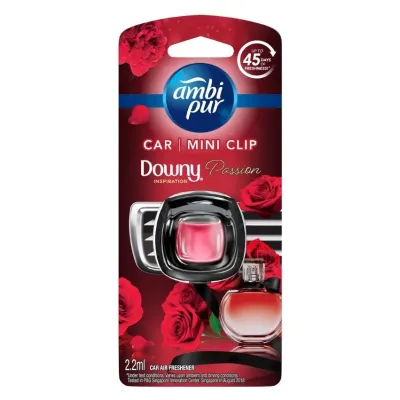
Enclosed liquid vent clips offer better evaporation control than open-bottle hanging diffusers. They typically feature a membrane that regulates the release of the liquid, preventing sudden spills even if the car bounces over speed bumps. However, they are still susceptible to rapid depletion if positioned directly in the path of hot air when the car is parked.
Vent Clips and Hanging Formats
Vent clips are designed to utilize the car’s ventilation system to distribute scent. While this provides an efficient scent throw when driving, the direct blast of cold air—and the subsequent hot air when parked—can cause the fragrance refill to deplete unevenly. Some vent clips allow you to adjust the opening size, which is a crucial feature for throttling evaporation in hot weather.
Hanging cardboard, wood, or felt air fresheners are highly susceptible to the drying effects of tropical heat. Because they are completely exposed to the cabin air, their volatile oils evaporate rapidly. Within a few days of parking in the sun, the material can dry out completely, warp, or fade in color, leaving you with an unscented piece of hanging material.
Hanging diffusers, particularly those with heavy glass bottles or decorative wooden elements, pose physical risks. During sudden braking, sharp turns, or when driving over speed bumps, these heavy items can swing violently. This movement can scratch your rearview mirror, distract you while driving, or even impact the windscreen.
Safe Placement and Maintenance in Hot Cabins
Proper placement is essential for safety and longevity. Never place car perfumes in direct sunlight on the dashboard, as this maximizes heat exposure and accelerates degradation. Keep them clear of airbag deployment zones—such as the steering wheel hub and passenger-side dashboard—and ensure they do not obstruct your line of sight through the windscreen.
If you choose to use liquid or gel formats, employ spill-proof mounting techniques. Use high-quality, heat-resistant double-sided tape to secure containers in stable, upright positions. Consider placing liquid diffusers inside a secondary containment cup or holder to catch any accidental leaks before they reach your car’s interior surfaces.
Make it a habit to inspect your car perfume weekly. Check for signs of melting, cracking plastic housings, or leaking liquid. In Singapore’s climate, plastic housings can become brittle over time due to UV exposure and heat, increasing the risk of structural failure.
If you notice any deformation, leakage, or discoloration of the fragrance container, stop using it immediately. Safely dispose of the compromised product by wrapping it in a plastic bag to prevent any residual chemicals from contacting your hands or car interior, and throw it into a waste bin.
What to Check on Product Labels Before Buying
When shopping for a car perfume, look for explicit temperature ratings on the product label. High-quality manufacturers often specify the maximum temperature their product can safely withstand. Prioritize products that state they are stable at high temperatures.
Many liquid and spray car perfumes contain alcohol or other flammable solvents. Check the label for flammability warnings and storage instructions. Avoid leaving aerosol sprays or highly flammable liquid bottles in areas of the car that experience the highest heat buildup, such as the dashboard or rear parcel shelf.
Look for labels that verify compatibility with common automotive interior materials like polyurethane, leather, and polycarbonate plastics. If a product label lacks clear instructions or material safety warnings, do not assume it is safe to place directly on your dashboard or seats.
Always follow the manufacturer’s specific installation and usage instructions. Do not rely solely on the material name (such as “natural wood” or “organic gel”) to assume safety or heat resistance. The chemical formulation of the fragrance carrier is what ultimately determines its performance and safety in hot weather.
Frequently Asked Questions (FAQ)
Can I leave my car perfume in the glove compartment when not in use?
No, it is not advisable to store active or unused car perfumes in the glove compartment during hot weather. Enclosed spaces like the glove box or center console trap heat and can reach temperatures even higher than the open cabin. This extreme heat buildup increases the risk of gel liquefaction, container warping, and liquid leakage in an unventilated area, which can damage your vehicle’s registration documents or manual.
Do natural or essential oil car perfumes last longer in the heat?
Generally, natural essential oils do not last longer in high heat compared to synthetic formulations. Essential oils are highly volatile organic compounds that evaporate rapidly when exposed to elevated temperatures. Without synthetic stabilizers or controlled-release carriers, pure essential oils will dissipate quickly in Singapore’s climate, requiring frequent replenishment to maintain a consistent scent.

Community discussion
Share your experience or ask a question. Comments are reviewed before publication.