
GYEON interior cleaners are highly regarded in the car detailing community for their advanced formulations and surface-safe performance. If you are looking to maintain your vehicle’s cabin in pristine condition, understanding which surfaces are safe to clean with GYEON’s pH-formulated products is essential. Generally, GYEON’s interior lineup—including Q²M InteriorDetailer, Q²M VinylCleaner, and their specialized leather cleaners—is safe for most automotive surfaces, provided you match the specific product to the correct material and follow proper application protocols. However, because modern car cabins feature a complex mix of delicate materials, a single product is rarely a one-size-fits-all solution.
Choosing the wrong cleaner or misinterpreting a product’s chemical properties can lead to irreversible damage, such as faded plastics, stripped leather coatings, or matted Alcantara. In regions with intense climates like Singapore, where high cabin temperatures and humidity can accelerate chemical reactions, understanding the limits of your detailing products is even more critical. By matching GYEON’s specific formulations to your car’s unique material profile, you can achieve a spotless, factory-fresh finish without compromising the integrity of your interior.
Why pH Formulation Matters for Car Interiors
The pH scale, ranging from 0 to 14, measures how acidic or alkaline a chemical solution is, with 7 being completely neutral. In professional car detailing, the pH level of a cleaning agent dictates how it interacts with different automotive materials. Acidic cleaners (pH below 7) are highly effective at dissolving inorganic mineral deposits, while alkaline cleaners (pH above 7) excel at breaking down organic substances like body oils, grease, and food stains. However, both extremes carry inherent risks when applied to sensitive car interiors.
Products mentioned in this guide
Prices are valid at publication and may change. Please refer to the product page for the latest price.
Extreme pH levels can easily strip dyes, degrade factory protective coatings, or dry out organic materials like leather. For instance, modern automotive leather is treated with a thin, protective polyurethane topcoat designed to resist abrasion and UV damage. Using a highly alkaline cleaner can chemically dissolve this clear barrier, leaving the underlying dyed leather vulnerable to premature cracking, fading, and wear. Similarly, harsh chemicals can cause soft-touch plastics to become sticky or peel, and turn delicate fabrics brittle.
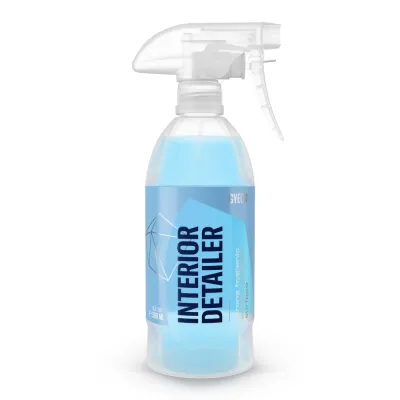
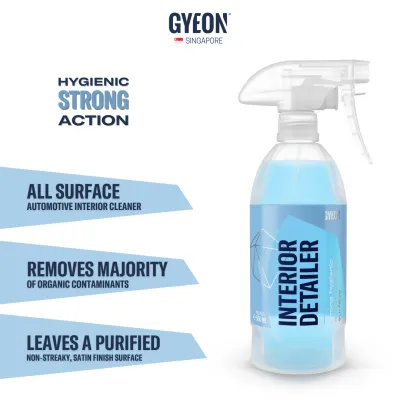
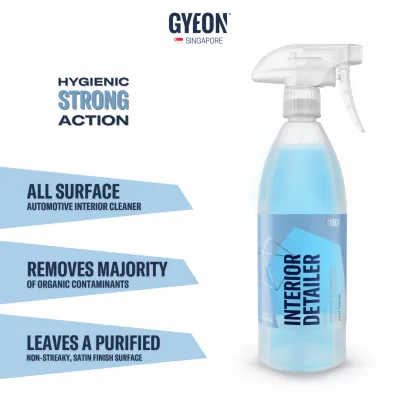
To prevent such damage, it is vital to check the specific GYEON product label for its pH rating and intended use before application. GYEON offers a diverse range of interior maintenance products, and their formulations are engineered for distinct tasks. For example, Q²M InteriorDetailer is a mild, alcohol-based formula designed for light cleaning and sanitization across multiple surfaces, whereas Q²M VinylCleaner is formulated specifically for plastics and vinyl. Dilution ratios also play a critical role, as concentrates must be mixed precisely with distilled water to achieve the intended, safe pH level.
Ultimately, the safety of any cleaning process is relative to both the chemical’s inherent pH and your dilution accuracy. A product that is perfectly safe when diluted 1:10 can become highly aggressive and damaging if applied at full strength. Always consult both the GYEON product documentation and your vehicle manufacturer’s care instructions to ensure the chemical properties of the cleaner align with the tolerances of your cabin materials.
Material-by-Material Compatibility Guide
Every car interior is a mosaic of different textures, synthetics, and natural materials, each requiring a tailored approach to cleaning. Understanding how these individual surfaces react to GYEON’s formulations ensures you can detail your vehicle safely and effectively.

Leather and Synthetic Leather
Modern automotive leather, whether natural top-grain or synthetic alternatives like vinyl-based leatherette, relies on a delicate balance of moisture and protective coatings. High-pH, aggressive alkaline cleaners pose a significant risk to these surfaces by stripping away the natural oils and factory-applied polyurethane sealants that keep the material pliable. Once this protective barrier is compromised, the leather is highly susceptible to drying out, which inevitably leads to premature creasing, cracking, and dye transfer from clothing.
Before applying any product, verify if the specific GYEON cleaner is explicitly labeled as leather-safe or pH-neutral. GYEON addresses this material sensitivity by offering targeted solutions: Q²M LeatherCleaner Mild is a pH-neutral formula designed for regular maintenance on delicate or lightly soiled leather, while Q²M LeatherCleaner Strong is a slightly stronger, low-foaming formula meant for heavy grime removal on resilient surfaces. Always check your vehicle manufacturer’s specific care manual first, as some premium leathers have unique coatings that forbid the use of any chemical cleaners. If instructions conflict, stop and consult the manufacturer or a qualified professional.
To maintain the longevity of your leather seats, cleaning should never be the final step. After using a safe, pH-balanced cleaner to remove surface dirt, it is essential to follow up with a dedicated leather conditioner or protective sealant, such as GYEON Q²M LeatherCoat. This step restores necessary moisture, reinstates a barrier against friction and UV rays, and prevents future staining without altering the natural matte look of the leather.
Alcantara and Suede
Alcantara and genuine suede are highly sensitive, premium materials that require extreme caution during detailing. Alcantara is a synthetic micro-suede blend composed of polyester and polyurethane, known for its soft, tactile feel and grip. Because of its open-fiber structure, it is incredibly easy to ruin; using the wrong chemical or applying too much liquid can cause the delicate fibers to mat together permanently, lose their soft texture, or develop unsightly water rings.
To clean Alcantara safely, you must use a specialized, low-foaming, and strictly pH-neutral cleaner. High-foaming or alkaline products leave behind chemical residues that act as adhesives, trapping dirt and causing the fibers to clump. When cleaning, avoid over-wetting the material at all costs. Instead of spraying the product directly onto the Alcantara, apply a small amount of a dedicated fabric cleaner, like GYEON Q²M FabricCleaner, to a soft-bristled horsehair brush or a clean microfiber towel, and gently agitate the surface using light, circular motions.
If the specific GYEON product label does not explicitly state that it is safe for Alcantara or suede, do not use it on these surfaces. Using an unapproved general interior cleaner can dissolve the synthetic binders in Alcantara, leading to permanent bald spots or discoloration. When in doubt, always default to a dedicated Alcantara cleaner or seek professional assistance to preserve this high-maintenance material.
Fabric Upholstery
Standard cloth seats, woven fabric door inserts, and carpets are generally more resilient than leather or Alcantara. They can tolerate mild alkaline cleaners, which are highly effective at lifting organic stains such as spilled coffee, sweat, and outdoor dirt. However, even durable fabrics have their limits; repeated exposure to excessively high pH levels can weaken the synthetic or natural fibers over time, causing them to fray, pill, or fade.
The primary risk when cleaning fabric upholstery is the accumulation of chemical residue. If a cleaner is sprayed onto a seat and simply left to dry, the active cleaning agents remain embedded in the fibers. This sticky residue acts like a magnet for dirt, attracting dust and grime from your clothes and causing the fabric to re-soil much faster than before. To prevent this, always perform a thorough wipe-down with a clean, damp microfiber towel to extract the cleaner, or use a dedicated carpet extraction machine for deep cleaning.
Furthermore, in Singapore’s highly humid equatorial climate, moisture management is critical. If fabric seats or carpets are left damp after cleaning, they can easily trap moisture in the foam padding underneath, leading to the growth of mold, mildew, and persistent musty odors. After cleaning, ensure the vehicle is parked in a well-ventilated area with the windows down, or run the car’s air conditioning on a high setting to dry the interior completely before use.
Plastic, Vinyl, and Trim
Hard plastics, textured vinyl dashboards, and synthetic trim panels make up the bulk of most modern car interiors. These materials are highly durable and generally resistant to a wide pH range, making them the safest surfaces to clean with general-purpose interior detailers like GYEON Q²M InteriorDetailer or Q²M VinylCleaner. However, even these resilient surfaces require careful product selection to maintain their factory appearance.
One of the main pitfalls of cleaning plastic and vinyl is the use of products that leave behind greasy, high-gloss residues. Not only does an artificial shine look cheap, but it can also create a dangerous driving hazard. A shiny dashboard reflects intense sunlight directly onto the inside of the windshield, causing severe glare that compromises your forward visibility, especially under the bright Singapore sun. Additionally, sticky residues attract airborne dust and pollen, making your cabin dirty again within days.
To achieve a clean, professional finish, always use a clean, dry microfiber towel to buff away any remaining product after cleaning. This removes excess chemical residue and leaves a clean, anti-static, matte finish that matches the original factory look. For sensitive trim pieces, such as piano black plastic or carbon fiber overlays, use ultra-soft microfiber towels and light pressure, as these surfaces scratch incredibly easily under mechanical friction.
How to Safely Test and Apply the Cleaner
Before embarking on a full interior detail, it is essential to establish a safe, systematic workflow. This minimizes the risk of accidental chemical damage and ensures that you achieve consistent, professional results across all cabin surfaces. Always start by consulting your car’s owner’s manual for any specific cleaning restrictions or warnings regarding interior materials.
To verify that your chosen GYEON cleaner is fully compatible with your interior surfaces, you must perform a spot test in an inconspicuous area. Suitable locations include the underside of a headrest, the lower portion of a door panel, or the carpet inside the trunk. Apply a small amount of the cleaner to a microfiber towel, gently wipe the test area, and allow it to dry completely. Once dry, inspect the area under direct, bright light for any signs of color bleeding, texture changes, or persistent white residue; if any adverse reactions occur, discontinue use immediately.
Proper dilution is another critical factor in safe application. If you are using a concentrated GYEON product, such as their multi-purpose cleaners, always follow the manufacturer’s exact dilution ratios printed on the bottle. Use distilled water for diluting concentrates, as tap water contains minerals that can leave water spots or alter the chemical balance of the cleaner. Prepare separate spray bottles for light maintenance cleaning and heavier spot cleaning to avoid using a stronger solution than necessary.
When applying the cleaner, never spray the product directly onto the interior surfaces. Direct spraying can cause overspray to land on sensitive components, such as the instrument cluster, infotainment screen, or steering wheel buttons, where liquid can seep into electrical contacts and cause costly short circuits. Instead, spray the cleaner directly onto a high-quality microfiber towel or a soft detailing brush. Work the product into the surface in small, controlled sections, and immediately follow up with a secondary, dry microfiber towel to wipe away any lifted dirt and excess moisture.
When to Stop and Seek Professional Detailing
While DIY detailing can be highly rewarding, it is important to recognize your limits and know when to step away from a project. Some interior issues require specialized equipment, controlled environments, or chemical knowledge that goes beyond standard consumer products. Attempting to force a clean on a compromised surface can turn a minor blemish into an expensive replacement bill.
During the cleaning process, you must monitor the surface constantly for immediate warning signs of chemical incompatibility. If you notice rapid color transfer onto your microfiber towel (indicating dye is being stripped), if leather surfaces feel unusually stiff or tacky as they dry, or if Alcantara fibers begin to pill and mat, stop immediately. Do not attempt to scrub the area further. Instead, gently blot the spot with a clean, damp microfiber cloth soaked in plain water to dilute and neutralize the active cleaning agents, then let it air dry.
For complex detailing challenges, consulting a professional detailing studio is the safest course of action. You should seek professional help if you are dealing with severe, deeply set stains (such as ink, dye transfer from raw denim, or deep oil spills), extensive mold or mildew infestation, or if you are detailing a vintage vehicle with fragile, dried-out materials. Professional detailers have access to specialized tools, such as steam extractors and ozone generators, as well as the expertise to safely restore sensitive surfaces without causing further degradation.
Frequently Asked Questions (FAQ)
Can I use GYEON interior cleaner on my car's touchscreen and infotainment display?
No, you should avoid using standard GYEON interior cleaners or general-purpose detailers on your car’s touchscreens and infotainment displays. These modern screens are coated with delicate anti-glare, anti-reflective, or oleophobic (oil-repellent) coatings that can be easily stripped or clouded by alcohol-based or surfactant-heavy cleaners. To clean these sensitive electronic displays safely, use a dedicated screen cleaner formulated specifically for automotive electronics, or simply wipe the screen gently with a clean, dry, or slightly damp microfiber cloth reserved solely for this purpose.
Do I need to dilute GYEON interior cleaner before use?
Whether you need to dilute a GYEON interior cleaner depends entirely on the specific product variant you are using and the level of contamination you are tackling. Some products, such as GYEON Q²M InteriorDetailer, are formulated as ready-to-use (RTU) solutions and should be sprayed directly from the bottle without any dilution. Other products, like concentrated all-purpose cleaners, require precise dilution with water according to the manufacturer’s instructions on the back label. Always read the product packaging carefully before application to ensure you are using the correct strength for your specific cleaning task.
Will a pH-neutral cleaner remove heavy grease and food stains?
A pH-neutral cleaner is highly effective for regular maintenance and light-to-medium soil removal, but it may struggle against heavy, baked-on grease or deeply set food stains. Because pH-neutral formulations lack the aggressive chemical action of strong alkaline degreasers, they rely more on physical agitation and surfactant technology to lift grime. For severe grease buildup, you may need to perform multiple gentle passes, use a soft detailing brush to agitate the cleaner, or transition to a stronger, material-safe alkaline cleaner while carefully monitoring the surface for any adverse reactions.
Community discussion
Share your experience or ask a question. Comments are reviewed before publication.