
Selecting the right car glasses holder is an essential step in maintaining both road safety and the longevity of your eyewear. The ideal mounting style depends on your vehicle’s specific cabin geometry, dashboard materials, and your personal driving habits. While some drivers prefer having their sunglasses at eye level for immediate access, others prioritize a clean dashboard and protection from direct sunlight. In hot climates like Singapore’s, high cabin temperatures also play a major role in how well certain mounts perform over time.
Assess Your Cabin Layout and Daily Driving Habits
Before purchasing any car glasses holder, take a close look at your vehicle’s interior architecture. Every car model features distinct design elements, from the thickness of the sun visors to the texture of the dashboard and the spacing around the center console. Standardizing your selection begins with a physical inspection of these surfaces. Look for flat, unobstructed areas that can accommodate an aftermarket accessory without blocking your view of the road or the instrument cluster.
Your daily driving habits should dictate the accessibility level of the holder. If you frequently transition between prescription glasses and sunglasses while driving, you will need a mounting style that allows for safe, one-handed operation. Conversely, if you only wear your sunglasses during bright midday trips, a secure storage option that keeps them out of sight when parked is a safer and more practical choice.
Products mentioned in this guide
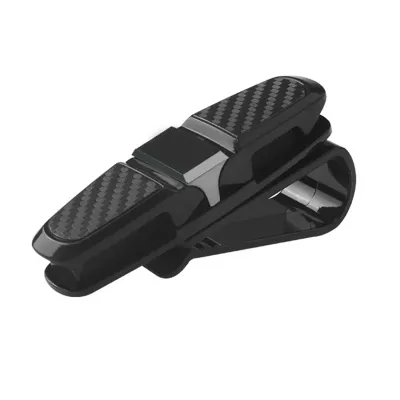
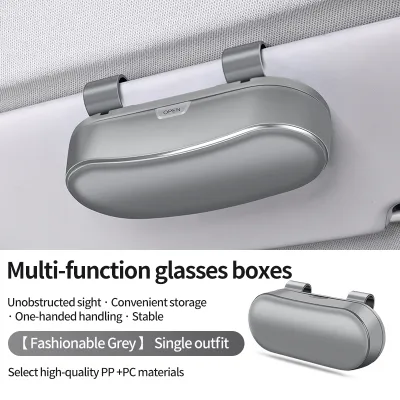
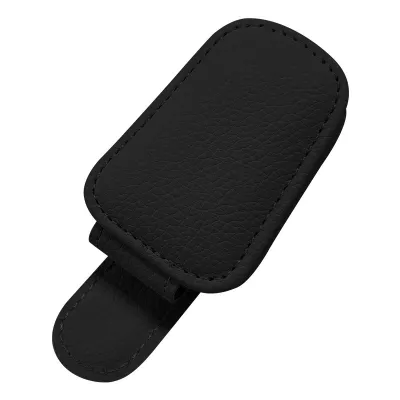
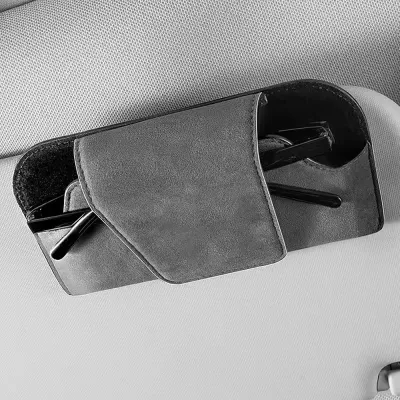
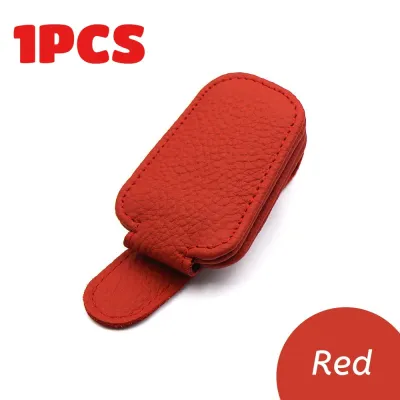
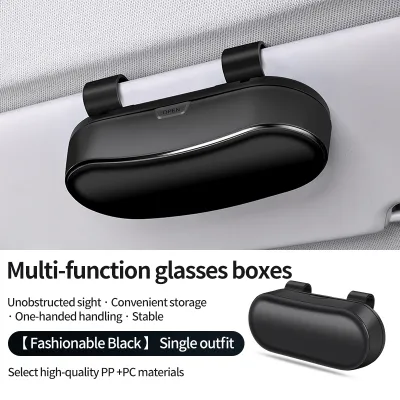
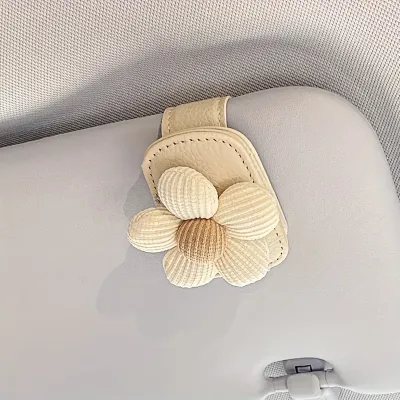
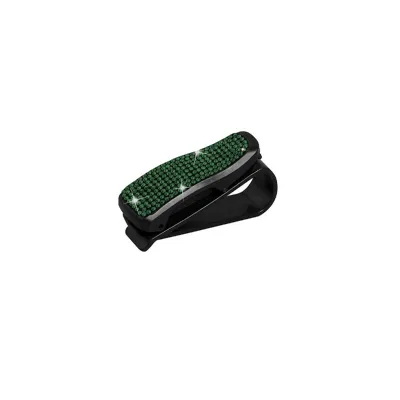
Prices are valid at publication and may change. Please refer to the product page for the latest price.
Safety must remain your primary constraint when planning any interior modification. You must strictly avoid mounting any accessory within the deployment zones of your vehicle’s airbags, including steering wheel, passenger-side dashboard, knee, and side-curtain airbags. Additionally, ensure the holder does not obstruct your forward line of sight through the windshield or block your view of the side mirrors and critical dashboard displays.
Visor Clip Holders: Check Sun Visor Thickness and Obstructions
Sun visor clip holders are among the most popular choices for drivers who prioritize rapid, eye-level access. These devices typically slide or clamp onto the edge of your driver-side or passenger-side sun visor, keeping your sunglasses within arm’s reach. They are particularly well-suited for standard, flat visors that do not feature complex built-in electronics or thick padding.

Before choosing this style, perform a thorough self-check of your sun visor’s physical characteristics. Measure the overall thickness of the visor using a standard ruler to ensure it falls within the clamp’s maximum opening width, which is typically between 1.5 to 2.5 centimeters. Inspect the visor for existing obstructions such as integrated vanity mirrors, sliding ticket holders, or built-in garage door openers. If your visor features a lighted mirror, check for internal wiring paths that could be pinched or damaged by a high-tension clip.
The primary risk boundary with visor clips involves physical damage and safety hazards. Forcing a rigid plastic or metal clip onto an excessively thick or heavily padded visor can permanently deform the fabric, leather, or internal foam structure. Furthermore, you must verify that the clip does not interfere with the movement of the visor when swinging it down or to the side. Most importantly, consult your vehicle’s owner’s manual to confirm that the clip does not block the deployment path of the side-curtain airbags, which often run along the roofline directly above the doors.
Dashboard Suction Cups: Assess Surface Texture and Heat Exposure
Dashboard suction cup mounts offer exceptional flexibility, allowing you to position your car glasses holder precisely where you want it. This style is ideal for drivers who want to keep their eyewear within their central field of vision without cluttering the sun visor or reaching down to the center console. Many of these mounts use a combination of a vacuum suction cup and a sticky polyurethane gel pad to adhere to the dashboard.
To determine if your dashboard can support a suction mount, carefully analyze its surface texture. These mounts require a completely smooth, flat, and non-porous surface to maintain a reliable vacuum seal. If your dashboard features textured plastic, decorative stitching, soft-touch vinyl, or leather wrapping, air will slowly seep under the suction cup, causing it to fail. If your dashboard is textured, look for products that include an adhesive mounting disk, which can be permanently attached to the dash to provide a smooth surface for the suction cup.
In tropical climates like Singapore’s, heat exposure is a critical factor that can compromise suction mounts. When parked under direct sunlight, cabin temperatures can rise rapidly, causing the air inside the suction cup to expand and the silicone gel to soften. This often leads to the mount falling off unexpectedly, which can damage your glasses or startle you while driving. Always verify the manufacturer’s heat resistance specifications before installation, and ensure the mount is positioned so that it does not obstruct your view of the road or block the passenger-side airbag deployment zone.
Console Slot Holders: Measure Center Console Gaps and Clearances
For drivers who prefer a clean, minimalist dashboard and want to keep their eyewear protected from direct sunlight, console slot holders are an excellent alternative. These organizers are designed to slide into the gaps between your front seats and the center console, or fit directly into auxiliary storage slots, cup holders, or side door pockets. They keep your glasses secure, vibration-free, and completely out of sight from potential thieves.
To assess whether your vehicle can accommodate a console slot holder, measure the physical clearance of your center console area. Use a tape measure to determine the width and depth of the gap between your seat cushion and the console plastic. You must ensure that the holder’s dimensions will not interfere with essential driving controls, such as the gear shifter, handbrake lever, electronic parking brake switch, or climate control buttons.
The risk boundary for console slot holders centers on physical wear and safety clearances. Forcing a bulky, rigid holder into a tight console gap can scratch delicate leather upholstery, vinyl trim, or gloss-black plastic panels. Additionally, you must verify that the holder does not restrict the movement of the front seats when adjusting them for different drivers. Lastly, ensure that the holder does not block or impede the deployment of any knee airbags or side-impact airbags that may be integrated into the sides of the front seats.
Overhead and Sunroof Mounts: Verify Roof Panel and Headliner Limits
Overhead and sunroof mounts represent a highly specialized category of car glasses holders. These are typically designed to attach to the overhead console, the area surrounding your sunroof controls, or the roof liner itself. They are ideal for vehicles that lack built-in overhead glasses compartments but have flat, rigid roof panels that can support an aftermarket storage box.
Before opting for an overhead mount, you must verify the structural limits of your vehicle’s headliner. Roof linings are made from delicate materials such as fabric, Alcantara, or thin molded fiberglass, which can easily sag, tear, or stain under stress. Inspect the area near your rearview mirror or sunroof controls to see if there is a solid, flat plastic panel that can safely accept an adhesive or clip-on mount.
Under no circumstances should you ever drill or screw into your vehicle’s roof panel, as this can cause permanent structural damage, water leaks, and safety hazards. If you choose an adhesive-backed overhead holder, be aware that high cabin temperatures can weaken the adhesive, potentially causing the holder to fall. Moreover, removing strong adhesives can permanently tear or discolor fabric headliners. Ensure the mounted holder does not block your rearview mirror adjustment, obstruct your upward line of sight, or interfere with the mechanical operation of your sunroof.
Match Your Diagnosis to the Right Mounting Style
Selecting the perfect car glasses holder requires matching your vehicle’s specific interior limitations with the strengths of each mounting style. By performing the self-checks outlined above, you can eliminate incompatible designs and focus on the style that offers the best balance of safety, accessibility, and durability.
To help finalize your decision, consider the following quick-reference matrix based on common cabin conditions:
- Thick or padded visors + textured dashboard: Choose a Console slot holder to avoid damaging delicate surfaces and ensure a secure fit.
- Standard, thin visors + clear roofline: Choose a Visor clip holder for immediate, eye-level access without dashboard clutter.
- Smooth, flat dashboard + desire for eye-level view: Choose a Dashboard suction cup (with a heat-resistant gel pad) for flexible positioning.
- Flat overhead plastic panel + sunroof controls: Choose an Overhead adhesive mount to mimic a factory-installed glasses compartment.
Once you have selected and purchased your holder, perform a gentle test fit before committing to a permanent installation. Install the mount without your glasses inside and observe its stability over a few days of normal driving. Pay close attention to how it handles road vibrations, sharp turns, and daily temperature fluctuations. This trial period ensures the holder remains secure and does not pose a distraction or safety hazard on the road.
Frequently Asked Questions (FAQ)
Will a visor clip damage my sun visor's internal structure?
Yes, using an incompatible or overly tight clip can cause lasting damage. Excessive clamping pressure can crack internal plastic frames, crush protective foam padding, or pinch the delicate wiring assemblies used for illuminated vanity mirrors. To prevent this, always measure your visor’s thickness before buying, choose a holder with soft silicone or foam padding on the clamp, and avoid forcing a tight clip onto a heavily padded visor.
How do I prevent suction cups from failing in hot weather?
To maximize the lifespan of a dashboard suction cup in hot climates, prepare the mounting surface thoroughly. Clean both the dashboard area and the suction cup’s gel pad with isopropyl alcohol to remove invisible oils, dust, and dashboard protectants. Avoid mounting the holder in spots that receive constant, direct sunlight through the windshield. Periodically release the suction lever, clean the surface, and reapply the mount to prevent the silicone from permanently bonding to or warping your dashboard trim.
Community discussion
Share your experience or ask a question. Comments are reviewed before publication.