
Finding the right balance of scent and durability in a car freshener is a unique challenge for drivers in Singapore. With outdoor temperatures regularly hovering between 30°C and 34°C, and closed-cabin temperatures soaring past 60°C when parked in open-air HDB car parks or rooftop lots, standard air fresheners often fail within days. The combination of intense tropical heat and high relative humidity accelerates chemical evaporation, warps plastic housings, and can even turn liquid perfumes into hazardous, interior-damaging spills.
To maintain a pleasant cabin atmosphere without constant replacements or risks to your vehicle’s interior, you must choose the right format. Solid polymer gels, ceramic or stone diffusers, and membrane-controlled vent clips stand out as the most resilient options for Singapore’s climate. These formats provide a controlled scent release, resist rapid thermal breakdown, and eliminate the high spill risks associated with traditional liquid bottles.
How Singapore's Tropical Climate Affects Car Fresheners
When you park your vehicle under the direct midday sun in Singapore, it acts like a greenhouse. Shortwave solar radiation passes through the windshield and windows, heating up the dark surfaces of the dashboard, seats, and steering wheel. This trapped heat raises the cabin’s ambient temperature to extreme levels. For a typical car freshener, this thermal energy dramatically increases the kinetic energy of the fragrance molecules, causing them to volatilize and evaporate at an exponential rate.
Products mentioned in this guide


![[NEW LAUNCH] Trapo Scented Pod - Air Freshener - Car Accessories - Car Fragrance](https://img.lazcdn.com/g/p/d37b2c3d5ea17f5b724712e177ed293b.jpg_400x400q80.jpg_.webp)
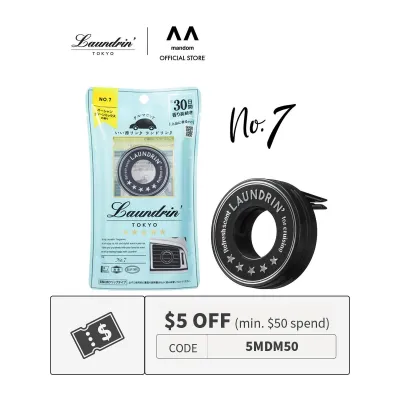
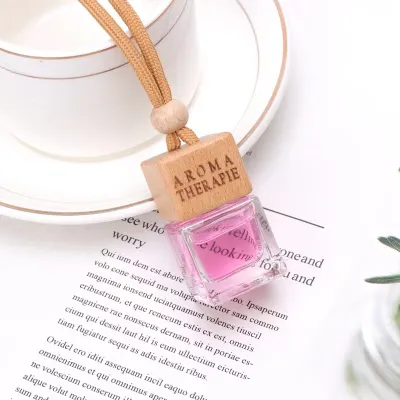
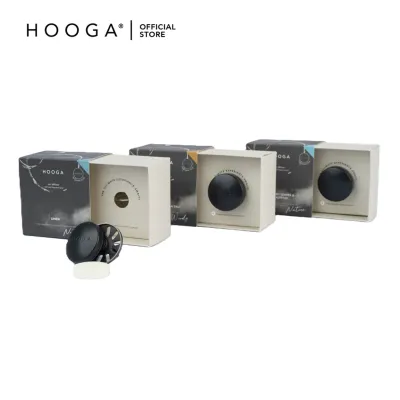
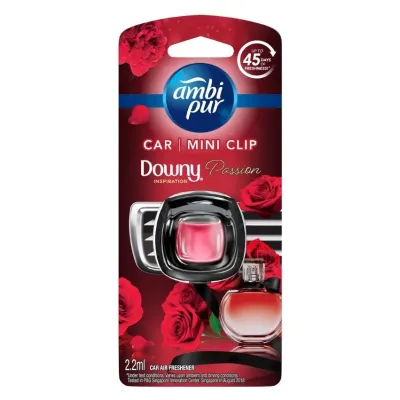
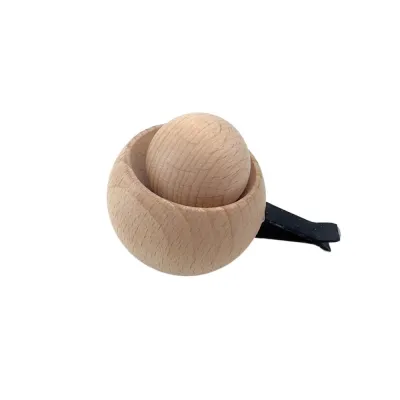
Prices are valid at publication and may change. Please refer to the product page for the latest price.
At the same time, Singapore’s high relative humidity, which regularly averages above 80%, changes how we perceive and experience scents. Moisture-laden air is dense, which can compress the scent profile and make heavy, synthetic perfumes feel cloying or overwhelming in a confined cabin. Furthermore, high humidity can saturate porous carrier materials like cardboard or untreated wood. When these materials remain damp in a warm, unventilated car, they lose their structural integrity and can eventually promote the growth of mold or mildew.
Different states of matter react uniquely to this intense combination of heat and humidity. Liquids expand and vaporize rapidly, sometimes building up pressure inside sealed glass or plastic containers. Water-based gels shrink and dry out within a fraction of their intended lifespan as their water content evaporates. Solid polymers and non-aqueous resins, by contrast, maintain their physical shape much better, releasing fragrance slowly through diffusion rather than rapid evaporation.
Comparing Car Freshener Formats for Hot and Humid Weather
Gel and Solid Fresheners
Solid polymer gels and resin-based fresheners are among the most reliable choices for tropical climates because they offer a very low spill risk. Unlike liquid alternatives, these solid matrices do not flow, meaning they will not leak if your vehicle travels over speed bumps or parks on a steep incline. High-quality polymer options are engineered to release scent steadily, even when exposed to elevated cabin temperatures.

However, you must distinguish between high-quality polymer resins and cheap water-based gels. Water-based gels are highly susceptible to Singapore’s heat; they tend to melt back into a liquid state, shrink rapidly into a tiny, hardened block, or leave a sticky, difficult-to-clean residue on the inside of their containers. When selecting a gel, always opt for dry polymer or silicone-based structures that retain their shape under high temperatures.
Liquid Fresheners (Hanging Bottles and Cans)
Liquid car fresheners, including hanging glass bottles with wooden diffusers and liquid cans, are popular for their strong, immediate scent throw. They utilize volatile fragrance oils that disperse quickly throughout the cabin, making them highly effective at masking stubborn odors. For drivers who prefer a prominent, continuous fragrance, these products deliver consistent performance.
Despite their strong performance, liquid fresheners carry a significant risk of leaking in hot weather. As the temperature inside the car rises, the liquid expands, and the air pressure inside the bottle increases, which can force the liquid out through the cap or seals. Fragrance oils often contain chemical solvents that can melt dashboard plastics, dissolve the painted markings on buttons, or permanently stain leather upholstery. If an accidental spill occurs, check the freshener’s product label and your vehicle manufacturer’s interior care instructions immediately. If instructions conflict, the interior material is unidentified, or the specific use is not covered, stop and consult a professional vehicle detailer to prevent further damage.
Vent Clips
Vent clips are highly efficient because their scent dispersion is directly tied to your vehicle’s air conditioning system. When the fan is running, air flows over the clip’s membrane or cartridge, distributing the fragrance evenly throughout the cabin. When the car is turned off and parked, the lack of active airflow helps preserve the remaining fragrance, extending the product’s overall lifespan.
Nevertheless, you must consider that the dashboard area remains one of the hottest zones in a parked car. Direct sunlight streaming through the windshield can still bake a vent clip, causing the liquid or gel refill inside to degrade or deplete even when the air conditioning is off. Additionally, before purchasing any vent clip, verify your vehicle’s specific vent dimensions, blade thickness, and mounting position from your vehicle’s documentation; never infer compatibility simply from a generic category term.
Hanging Cardboard and Paper
Hanging cardboard air fresheners are highly accessible, affordable, and come in a vast array of scents. They are incredibly easy to hang from a rear-view mirror or grab handle, making them a convenient option for quick odor control. Because they are inexpensive, replacing them frequently is a low-cost task.
However, cardboard is highly vulnerable to Singapore’s humidity and heat. The paper fibers rapidly absorb moisture from the humid air, which degrades the cardboard and causes it to warp or sag. Furthermore, the fragrance oils infused into the paper evaporate very quickly under direct sunlight, often leaving the freshener completely scentless within a single week of use.
Ceramic, Stone, and Wood Diffusers
Ceramic, volcanic stone, and natural wood diffusers represent a premium, highly stable category of car fresheners. These materials are completely heat-resistant and will not melt, warp, or release harmful chemical fumes when exposed to extreme temperatures. Because they do not contain free-flowing liquids, they carry absolutely zero risk of spilling or leaking onto your car’s interior surfaces.
These diffusers work by absorbing concentrated fragrance or essential oils directly into their porous structures and releasing them slowly over time. The main trade-off is that they require manual reapplication of the oils every few weeks, and their scent throw tends to be more subtle and localized. This makes them ideal for drivers who prefer a mild, natural aroma rather than an intense, synthetic fragrance.
What to Look for on Product Labels for Heat Resistance
To ensure your chosen car freshener can withstand Singapore’s harsh climate, look for explicit temperature tolerance ratings on the packaging. High-quality manufacturers often print maximum operating or storage temperatures (such as “stable up to 70°C” or “heat-resistant”). Products that have undergone thermal testing are far less likely to melt, leak, or fail when left in a car parked under the sun.
Prioritize products that feature true spill-proof or leak-proof designs. Look for labels indicating a “sealed membrane,” “solid polymer matrix,” or “dry scent technology.” These designs ensure that the fragrance oil is locked within a protective barrier or a solid compound, preventing any liquid from escaping even if the container is tipped upside down, shaken, or subjected to extreme cabin heat.
UV protection is another critical feature to look for on product labels. Direct sunlight and ultraviolet (UV) rays break down fragrance oils, causing them to discolor, lose their scent profile, or develop an unpleasant, sour chemical smell. Choose fresheners housed in opaque, metallic, or UV-resistant casings that shield the active fragrance ingredients from direct sun exposure.
Finally, pay close attention to the formula composition. Avoid products that list alcohol or high concentrations of volatile organic solvents near the top of their ingredient list, as alcohol-based formulas evaporate incredibly fast in hot weather. Instead, look for oil-based formulas, solid polymer resins, or natural wax-free blocks, which offer superior thermal stability and a much longer, more controlled scent release.
Safe Placement and Maintenance to Prevent Interior Damage
Proper placement is critical to maximizing the lifespan of your car freshener and protecting your vehicle’s interior. Avoid placing liquid or gel fresheners directly on the dashboard, as this area receives the most intense heat and direct sunlight, accelerating evaporation and increasing the risk of chemical melting. Furthermore, placing items on the dashboard can block air vents or create distracting reflections on the windshield.
When installing any accessory, you must prioritize automotive safety boundaries. Ensure that hanging fresheners do not obstruct your forward line of sight, which is a safety hazard and a traffic violation. Additionally, vent clips or hanging items must be positioned completely clear of your steering wheel, passenger dashboard, side pillars, and curtain airbag deployment zones. Always consult your vehicle’s owner manual to locate these safety boundaries before mounting or hanging any product.
To protect your vehicle’s materials from accidental chemical damage, consider using a small protective barrier. Placing a silicone coaster, a small non-slip mat, or a dedicated holder under console-mounted or cup-holder fresheners can catch any minor leaks, sweat, or condensation before they reach your leather, synthetic, or plastic surfaces. This simple precaution prevents permanent chemical stains and costly interior repairs.
Establish a routine of checking your car freshener every week, especially after your vehicle has been parked outdoors for an extended period. Look closely for any signs of container warping, plastic cracking, membrane degradation, or sudden fluid level changes. If you notice any structural compromises, leakage, or unusual residue, discard the freshener immediately and replace it to keep your cabin safe and clean.
Frequently Asked Questions (FAQ)
Do car fresheners expire faster in hot weather?
Yes, car fresheners expire significantly faster in hot weather. High temperatures increase the kinetic energy and evaporation rate of the fragrance compounds, causing them to release into the air much quicker than they would in cooler climates. A product rated to last 60 days in a temperate climate may only last 15 to 30 days under Singapore’s intense tropical heat.
Can I leave my car freshener in the car when parked under the sun?
It depends entirely on the freshener format. Solid polymers, ceramic diffusers, and high-quality sealed membranes are safe to leave in a car parked under the sun. However, open liquid bottles, pressurized aerosol cans, and cheap water-based gels should be kept out of direct sunlight or removed entirely, as extreme heat can cause them to leak, melt, or experience pressure build-up.
Are essential oil car fresheners safe for hot climates?
Pure essential oils are highly volatile and can oxidize rapidly when exposed to high heat and direct UV light, which can alter their scent profile and cause them to degrade. If you choose to use essential oils in your car, use a dark glass bottle, apply them to a stable ceramic or stone diffuser, and ensure they are properly diluted. Always check the manufacturer’s instructions for both your vehicle’s interior materials and the diffuser before use.

Community discussion
Share your experience or ask a question. Comments are reviewed before publication.