
When you park your car under the blazing Singapore sun, cabin temperatures can quickly skyrocket, turning your vehicle into a high-heat testing ground for any interior accessory. If you are searching for a car fragrance diffuser that can actually survive these extreme tropical conditions, the physical design and material formulation of the product make all the difference. Solid polymer, baked clay, and ceramic diffusers housed in shaded, non-electronic casings are the most resilient formats for hot and humid climates.
In contrast, liquid-filled hanging bottles, water-based gels, and battery-powered electric units carry significant risks. High temperatures accelerate liquid evaporation to a point where a typical month-long scent disappears in days, while humidity can degrade gel structures or encourage mold. Furthermore, leaving active electronic diffusers with lithium batteries on a hot dashboard presents genuine safety hazards. Choosing the right format is not just about making your car smell pleasant; it is about protecting your vehicle’s interior surfaces and electrical components from chemical leaks and heat damage.
How Heat and Humidity Degrade Car Fragrances
To understand why certain diffusers fail, it helps to look at the microclimate inside a locked car. When parked outdoors in areas like open-air HDB carparks, solar radiation passes through the windshield and windows, heating up the dark surfaces of the dashboard, steering wheel, and seats. This greenhouse effect traps thermal energy, driving cabin temperatures far above the ambient outdoor temperature. For any fragrance product, this intense heat acts as an accelerator.
Products mentioned in this guide
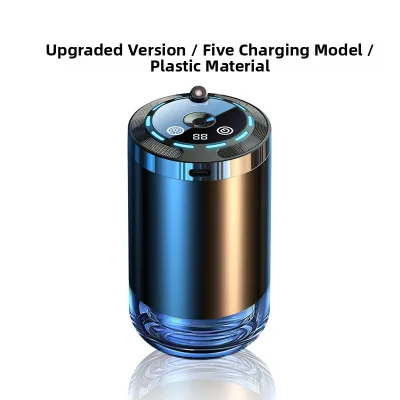
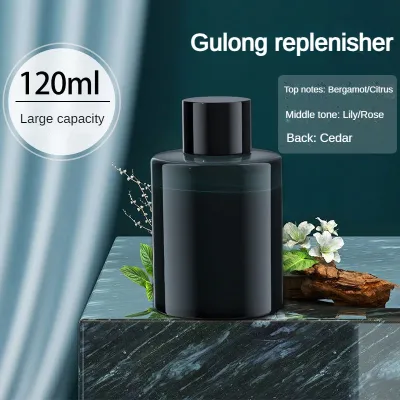
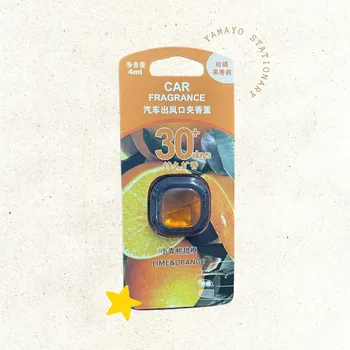
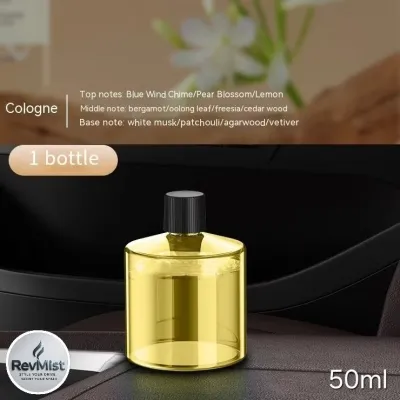

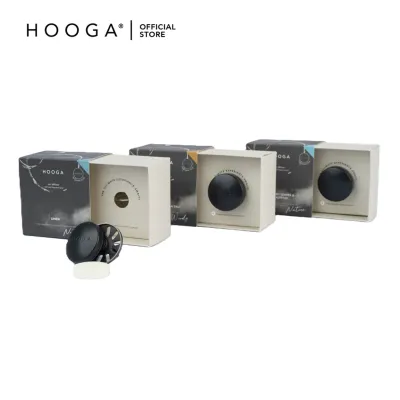
Prices are valid at publication and may change. Please refer to the product page for the latest price.
Most traditional car scents rely on volatile organic compounds (VOCs) that are formulated to evaporate slowly at room temperature. In extreme heat, the kinetic energy of these molecules increases dramatically, forcing them to vaporize at an uncontrolled rate. A liquid diffuser that is rated to last for six weeks under temperate conditions might dry out completely in less than a week when subjected to daily tropical heat spikes.
Humidity adds another layer of complication to interior air care. High moisture levels in the air can interfere with how water-based gel diffusers release their scent. Instead of shrinking uniformly as they dry, some gels can absorb ambient moisture, leading to structural breakdown, liquefaction, or even localized mold growth on the carrier medium. Additionally, ultraviolet (UV) radiation from direct sunlight breaks down the chemical bonds of synthetic fragrance molecules, altering the intended scent profile and causing plastic housings to become brittle, fade, or crack over time.
Evaluating Diffuser Formats for Hot and Humid Conditions
Vent Clips and Dashboard Mounts
These are highly popular due to their convenience and visibility, but they respond very differently to tropical driving conditions. Vent clips are designed to slide onto the air conditioning louvers, utilizing the vehicle’s airflow to distribute the scent. During active driving, this format benefits from the cool AC air, which keeps the fragrance temperature low and regulates the evaporation rate. However, once the engine is switched off and the car is parked in the sun, the stagnant air inside the cabin heats up rapidly, causing any exposed gel or liquid inside the clip to vaporize aggressively.

Dashboard mounts face an even harsher environment because they sit directly in the path of incoming solar radiation. Liquid or gel-based dashboard diffusers are highly susceptible to melting, warping, or leaking under these conditions. If a liquid fragrance leaks onto the dashboard, the chemical solvents can react with the soft-touch plastics, leather, or synthetic materials, causing permanent bubbling, peeling, or discoloration. Before purchasing any dashboard-mounted accessory, always check the manufacturer’s warnings regarding surface contact and material compatibility. If your vehicle has a sensitive leather or premium soft-touch vinyl dash, avoiding direct-contact adhesive mounts is highly recommended.
Hanging and Rearview Mirror Diffusers
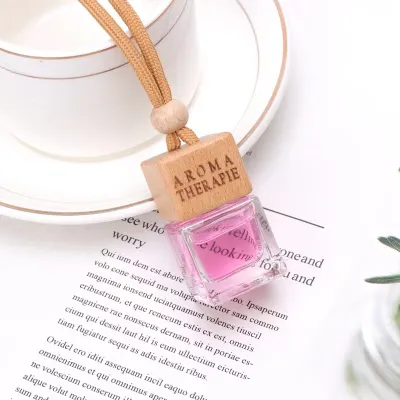
Hanging diffusers, often featuring small glass bottles with wooden caps or saturated cardboard cards, are a common sight hanging from rearview mirrors. While affordable, liquid-filled hanging bottles present a distinct physical risk in hot climates. As the temperature inside the cabin rises, the liquid fragrance and the air trapped inside the bottle expand. This thermal expansion can force the liquid upward through the wooden cap or seal, leading to active dripping.
If these highly concentrated oils drip onto the gear console, infotainment screen, or upholstery, they can cause immediate chemical damage that is difficult and expensive to repair. Additionally, a hanging bottle acts as a pendulum; during sudden stops, sharp turns, or speed bump crossings, the swinging unit can strike the windshield, risking glass chips or cracks. For drivers who prefer a suspended format, solid wood blocks, unglazed ceramic pendants, or plaster tablets infused with fragrance are much safer. These solid carriers do not contain free-flowing liquid, eliminating the risk of thermal expansion leaks while providing a more controlled, gradual scent release.
Electric and Smart Diffusers
The rise of smart car accessories has introduced active electronic diffusers that plug into USB ports or run on internal rechargeable batteries. While these devices offer precise control over scent intensity using ultrasonic nebulizers or built-in fans, they require careful safety considerations in tropical climates. The primary hazard stems from lithium-ion batteries. Leaving a battery-powered device on a hot dashboard or in a center console exposed to direct sunlight can cause the battery to swell, degrade, or experience thermal runaway.
Furthermore, high ambient humidity can introduce moisture to the internal circuitry of electronic diffusers, potentially leading to corrosion or short circuits over time. If you choose to use an electric diffuser, always verify the device’s maximum operating and storage temperature ranges on the product label or user manual. To ensure safety, select models that are powered solely via a direct USB connection without an internal battery, or make it a strict habit to remove battery-operated units from the vehicle whenever you park outdoors for extended periods.
Material and Formulation Checks for Tropical Driving
When shopping for a car fragrance diffuser that can withstand Singapore’s climate, reading the product specifications and material labels is essential. Prioritize solid-state carriers such as high-density polymers, baked clay, or unglazed ceramic. These materials hold the fragrance oils within a stable physical matrix, preventing the rapid dumping of scent molecules even when the cabin temperature climbs. Because there is no liquid to boil or expand, these solid formats remain structurally stable and leak-free.
Pay close attention to the chemical formulation of the scent itself. Look for alcohol-free or low-VOC formulations. Alcohol is highly volatile and acts as a rapid carrier, which is excellent for home diffusers but highly counterproductive in a hot car where it causes the scent to flash off almost instantly. Formulations utilizing natural wax bases or high-flashpoint synthetic oils tend to release their scent much more gradually under thermal stress.
Be realistic about longevity claims printed on product packaging. Most manufacturers test their “lasts up to 60 days” claims under standardized laboratory conditions, typically around 20°C to 22°C with moderate humidity. In a tropical climate where parked car cabins regularly exceed 50°C, you should expect the actual lifespan of any fragrance product to be reduced by at least half. Choosing UV-resistant housing materials, such as high-grade aluminum or UV-stabilized polycarbonate, will also prevent the diffuser container itself from degrading or releasing plastic odors under intense sunlight.
Safe Placement and Maintenance in High Heat
Strategic placement of your car fragrance diffuser can significantly extend its lifespan and protect your vehicle’s interior. Instead of mounting diffusers on top of the dashboard or hanging them directly under the windshield, utilize the shaded zones of your cabin. Placing a solid or gel diffuser in a cup holder, inside a lower center console compartment, or even secured in a door pocket shields it from direct UV rays and keeps it in a slightly cooler microclimate.
Under-seat placement is another highly effective tactic for solid-sheet or under-seat gel formats. The area beneath the front seats remains one of the coolest parts of the cabin because it is completely shielded from direct sunlight and benefits from the cool air flowing from the floor vents when the air conditioning is running. This shaded positioning allows the fragrance to disperse gently throughout the cabin without being forced into rapid evaporation by solar heat.
Establish a regular inspection routine for any air freshener in your vehicle. Once a week, check liquid or gel-based units for signs of bulging, structural cracking, or oil accumulation around the seals. If you detect any leakage, it is critical to act immediately. Wipe the affected area using a clean microfiber cloth and a cleaner approved by your vehicle manufacturer for that specific surface, whether it is leather, plastic, or fabric upholstery. Refer to your vehicle owner’s manual for proper interior care instructions, as using the wrong cleaning chemical can worsen the damage caused by the leaked fragrance oil.
Frequently Asked Questions (FAQ)
Can I use pure essential oils in my car diffuser during summer?
While pure essential oils are a popular choice for home aromatherapy, they are generally not suited for direct use in a car diffuser during hot weather. Essential oils are highly volatile natural compounds that evaporate very rapidly when exposed to high temperatures, meaning your scent will dissipate quickly. Furthermore, intense heat and UV exposure cause these oils to oxidize rapidly, which can alter their chemical structure, ruin their scent profile, and sometimes produce an unpleasant, sour smell.
Additionally, certain essential oils—particularly cold-pressed citrus oils like lemon, bergamot, or grapefruit—contain phototoxic compounds. If these oils leak or drip onto your skin, subsequent exposure to sunlight can cause severe skin irritation or chemical burns. For tropical driving, it is much safer to use specially formulated car-specific fragrance blends or solid, pre-infused ceramic carriers designed to release scent stably without the risks associated with pure, unrefined oils.

Community discussion
Share your experience or ask a question. Comments are reviewed before publication.