
In Singapore’s relentless tropical climate, finding a car air freshener that maintains its scent without evaporating in a matter of days is a common challenge for drivers. The combination of intense solar radiation, high ambient temperatures, and constant humidity creates a harsh cabin environment that accelerates chemical breakdown and evaporation. To get the longest-lasting fragrance, you must choose a format specifically engineered to withstand these extreme conditions.
Generally, solid blocks, membrane-based vent clips, and adjustable gel cans offer the best longevity in hot climates. These formats utilize physical barriers or dense carrier materials to slow down the release of fragrance oils. In contrast, traditional hanging paper cards and open liquid diffusers tend to deplete rapidly when exposed to high cabin heat. Understanding how different form factors interact with heat and humidity will help you make an informed purchase that delivers consistent performance over time.
How Tropical Heat and Humidity Change Air Freshener Performance
When you park your vehicle under the direct sun, the interior acts like a greenhouse, trapping solar radiation and causing cabin temperatures to climb significantly higher than the outside air. This intense heat directly impacts the volatile organic compounds that make up car fragrances. High temperatures increase the kinetic energy of these molecules, forcing them to transition from a liquid or solid state into a gas at an accelerated rate.
Products mentioned in this guide

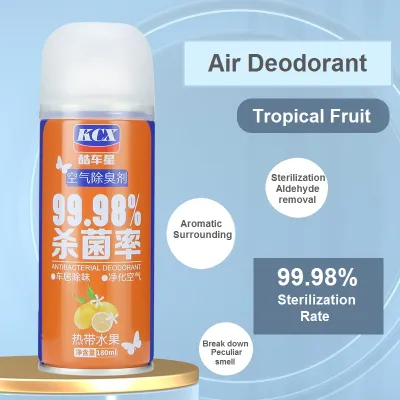
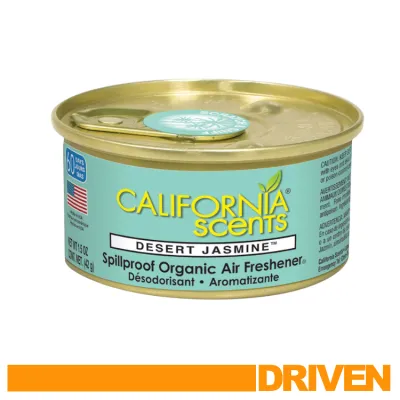
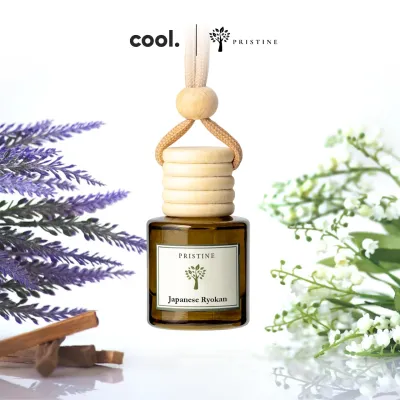
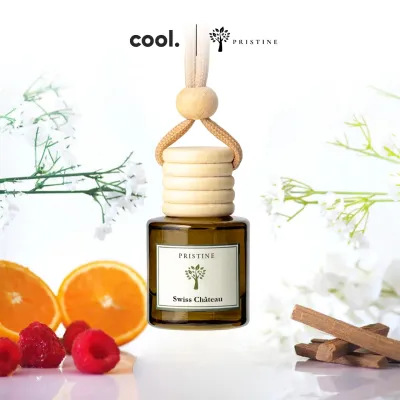
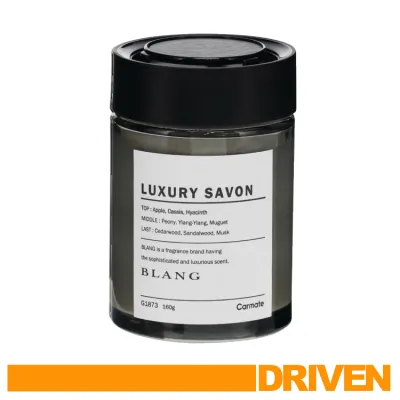
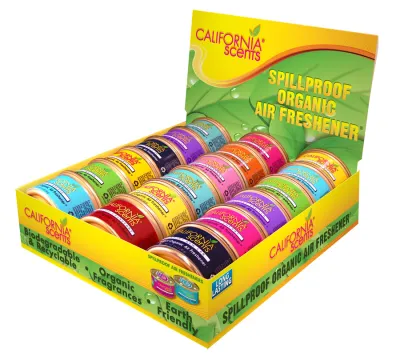
Prices are valid at publication and may change. Please refer to the product page for the latest price.
Humidity also plays a critical role in how we perceive and preserve car scents. Singapore’s high relative humidity means the air is already heavily saturated with water vapor, which can interfere with the evaporation dynamics of water-based or moisture-absorbing fresheners. In some cases, excessive moisture can cause gel-based products to swell, degrade structurally, or even develop mold if they remain in damp, unventilated areas of the cabin for extended periods.
Most standard car air fresheners are tested under controlled laboratory conditions, typically at standard room temperatures with moderate humidity levels. These standardized tests do not accurately reflect the real-world conditions of a car parked in an open-air carpark, where dashboard temperatures can rise dramatically. Consequently, a product rated to last several weeks in a temperate climate might only remain effective for a fraction of that time in a tropical environment.
Comparing Form Factors for Longevity in Hot Climates
To maximize the lifespan of your car air freshener, it is essential to compare how different form factors manage evaporation under thermal stress. Each design utilizes a distinct delivery mechanism, which behaves differently when subjected to high temperatures and varying airflow.

Vent Clips and Electronic Diffusers
Vent clips rely on the vehicle’s air conditioning system to disperse scent throughout the cabin. When the air conditioning is running, the cool airflow stabilizes the temperature of the fragrance reservoir, resulting in a controlled and steady release of scent. However, when the car is parked and the system is turned off, the stagnant, hot air inside the cabin can cause rapid, uncontrolled evaporation of the liquid or oil refill.
Electronic diffusers offer a more active approach by using ultrasonic waves or heat pads to atomize fragrance oils, but they require careful safety checks in tropical climates. If you use an electronic diffuser, always verify the manufacturer’s heat tolerance labels, especially if the device contains a built-in battery. Leaving battery-powered devices on a hot dashboard can pose safety risks, so it is best to store them in the glove compartment or center console when parked.
Additionally, high ambient heat can cause the plastic housings of liquid vent clips to warp, leading to leaks that can permanently damage your dashboard’s plastic or leather trim. To prevent this, regularly inspect the clip for structural integrity and ensure the liquid reservoir remains upright and securely sealed.
Gel Cans and Solid Blocks
Gel cans and solid polymer blocks are highly popular for their physical stability and slow-release characteristics. Gels typically consist of fragrance oils suspended in a water- or polymer-based matrix, which gradually shrinks as the scent evaporates. However, under extreme heat, some lower-quality gels can liquefy, melt, or undergo rapid sublimation, releasing a massive burst of scent before drying out completely.
Before purchasing a gel or solid freshener, check the product packaging for maximum operating temperature limits and heat-resistance warnings. High-quality solid blocks made from scented polymers or ceramic materials tend to hold their shape much better than water-based gels, making them highly resilient against melting.
To optimize their lifespan, avoid placing gel cans or solid blocks on the dashboard where they are exposed to direct UV rays and concentrated heat. Instead, place them in cooler areas of the vehicle, such as under the front seats, in the door pockets, or inside a cup holder, where they are shielded from direct sunlight.
Hanging Cards and Paper Fresheners
Hanging paper cards are made from porous cardboard infused with fragrance oils, offering an affordable and accessible option. However, because they lack a physical barrier or housing to regulate evaporation, high heat causes them to off-gas rapidly upon opening. This results in an intense, sometimes overwhelming scent during the first few days, followed by a swift decline in performance.
If you prefer hanging cards, always check that the packaging is completely sealed and intact before buying to ensure the oils have not started evaporating during storage. Many manufacturers design these cards to be pulled out of their plastic sleeves gradually over several weeks; ignoring these instructions and exposing the entire card at once in hot weather will drastically shorten its lifespan.
When hanging these fresheners, choose safe zones that avoid direct contact with the windshield, as the glass can magnify solar heat and accelerate scent depletion. Additionally, ensure the card does not obstruct your view of the road or interfere with the deployment paths of your vehicle’s airbags.
Key Label Specifications to Check Before Buying
When shopping for a car air freshener, reading the fine print on the packaging can save you from premature product failure. Look for specific manufacturer claims regarding temperature resistance, tropical climate testing, or heat-resistant formulations. Products that explicitly state they are tested for high-temperature environments are more likely to feature stable carrier materials that resist melting and rapid evaporation.
Pay close attention to the design of the delivery mechanism. Opt for products that feature adjustable vent controls, slow-release membrane technologies, or physical barriers that allow you to restrict airflow over the fragrance source. These features give you direct control over the evaporation rate, allowing you to dial down the intensity during the hottest months to preserve the product’s lifespan.
Finally, verify the ingredient safety and storage warnings printed on the label, particularly for pressurized aerosols or liquid-based formats. Look for non-flammable formulations and clear instructions on safe storage temperatures. If a product lacks clear safety warnings or temperature guidelines, it may not be suitable for prolonged exposure to the intense heat of a parked vehicle.
Practical Steps to Extend Freshener Lifespan in a Hot Car
Beyond choosing the right product format, adopting smart vehicle maintenance habits can significantly extend the life of your car air freshener. One of the most effective strategies is to reduce the peak cabin temperature when your vehicle is parked. Using a high-quality, reflective windshield sunshade can block a substantial amount of solar radiation, keeping your dashboard and interior significantly cooler. Whenever possible, park in shaded areas, such as multi-storey carparks or under building canopies, to shield your car from direct sunlight.
If you use adjustable vent clips, make it a habit to close the vents or turn the freshener’s adjustment dial to the lowest setting before leaving your car parked for the day. This simple action restricts the airflow around the fragrance membrane, preventing the stagnant, hot air inside the cabin from drawing out the scent while the vehicle is idle.
Lastly, monitor the physical state of your air freshener rather than relying strictly on a calendar schedule for replacement. If you notice a gel has shrunk completely, a solid block has hardened and lost its color, or a liquid clip has dried up, it is time for a replacement. Rotating your fresheners based on visual degradation ensures you maintain a consistent scent profile without wasting money on products that have ceased to function.
Frequently Asked Questions (FAQ)
Is it safe to leave aerosol air fresheners in a hot car?
No, it is generally unsafe to store pressurized aerosol cans inside a vehicle exposed to high tropical heat. Always check the manufacturer’s warning labels, which typically state the maximum safe storage temperature for the pressurized container. In a car parked under direct sunlight, dashboard temperatures can easily surpass standard safety thresholds, creating a risk of pressure buildup, valve failure, or propellant leakage. For drivers who frequently park in unshaded areas, solid polymer blocks or membrane-based vent clips are much safer alternatives that do not carry the risk of pressurized rupture.
Do essential oil diffusers work better than synthetic gels in the heat?
Essential oil diffusers and synthetic gels behave very differently under high temperatures, and neither is universally superior without proper management. Natural essential oils are highly volatile and can evaporate very quickly when exposed to heat, which may alter their scent profile or cause them to lose their aromatic properties. If you choose to use essential oils, check the product instructions for heat-specific dilution ratios or carrier oil recommendations that help stabilize the mixture. Additionally, keep an eye out for physical signs of heat degradation, such as oil separation, clouding, or sticky residue, which indicate that the heat is breaking down the carrier medium.

Community discussion
Share your experience or ask a question. Comments are reviewed before publication.