
Maintaining that crisp, clean “new car smell” inside a vehicle is a common goal for many drivers in Singapore. However, the local climate presents a unique challenge: intense tropical heat and high relative humidity. When a car is parked in the open under the midday sun, cabin temperatures can quickly escalate to levels that cause standard air fresheners to fail, evaporate prematurely, or even melt. To keep your vehicle smelling fresh without constantly replacing depleted products, you must understand how different air freshener formats interact with extreme heat and moisture. Choosing the right type involves balancing scent longevity, physical stability, and safety inside a hot cabin.
How Tropical Heat and Humidity Affect Car Air Fresheners
The interior of a parked vehicle acts like a greenhouse, trapping solar radiation and driving temperatures far above the ambient outdoor level. This extreme heat directly accelerates the evaporation of volatile organic compounds (VOCs), which are the primary chemical carriers of any fragrance. In a hot cabin, the liquid or oil carrier in an air freshener vaporizes at an uncontrolled rate, releasing a heavy burst of scent initially but leaving the product completely dry within a fraction of its expected lifespan.
Humidity adds another layer of complexity to this process. Singapore’s high moisture levels can saturate porous materials like paper or cardboard. When a hanging card air freshener absorbs atmospheric moisture, its structural integrity degrades, causing it to sag, warp, or lose its ability to hold fragrance oils effectively. The moisture essentially displaces the scent molecules, causing them to wash out or dissipate much faster than they would in a dry, climate-controlled environment.
Products mentioned in this guide
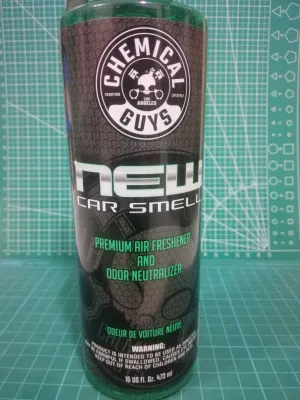

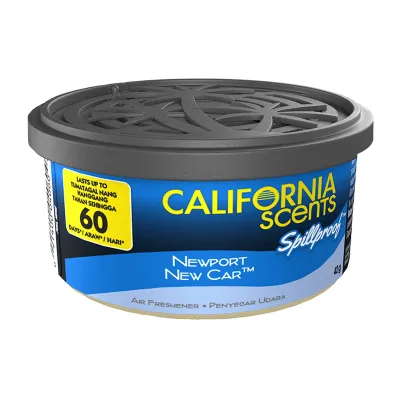
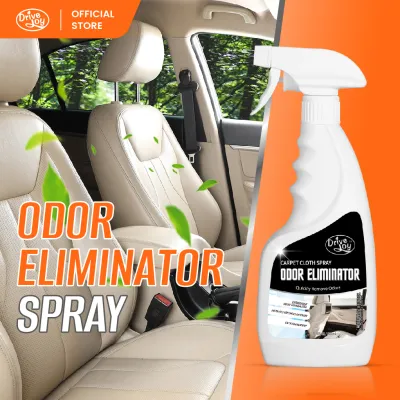
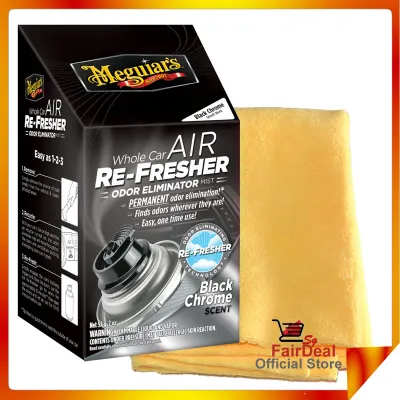

Prices are valid at publication and may change. Please refer to the product page for the latest price.
Furthermore, prolonged exposure to high temperatures can trigger thermal breakdown in synthetic scent profiles. Complex fragrances, such as those designed to mimic a genuine new car smell, rely on a delicate balance of different chemical notes. When subjected to intense heat, these compounds can break down or oxidize, altering the intended fragrance. What started as a clean, leather-and-wood-inspired aroma can quickly warp into a harsh, overly sweet, or chemical-heavy odor that makes the cabin uncomfortable.
Comparing Air Freshener Formats for Tropical Conditions
To find a solution that survives the tropical climate, you must evaluate how different air freshener formats are engineered. Fresheners generally fall into two categories: active systems that rely on vehicle systems to distribute scent, and passive systems that release fragrance continuously through natural evaporation.

Active systems, such as vent clips and electric diffusers, offer greater control because they only disperse fragrance when you are actively driving and using the climate control system. Passive systems, including hanging cards and gel canisters, work constantly, meaning they continue to deplete even when your car is parked empty in a sunny lot. Understanding these mechanisms helps you choose a format that matches your driving habits and parking situation.
Vent Clips and Electric Diffusers
Vent clips and electric diffusers are highly popular for their ability to deliver an immediate burst of fragrance. Because these devices rely on the car’s air conditioning system, their performance is directly tied to your fan speed and temperature settings. When the air conditioning is running, the cool airflow helps regulate the evaporation rate of the fragrance oil, ensuring a steady and pleasant distribution of the new car smell throughout the cabin.
However, these active formats face significant risks when the vehicle is parked. Dashboard-mounted electric diffusers and vent clips are often positioned in direct sunlight, right in the path of solar heat radiating through the windshield. This localized heat can cause the plastic housings of electric units to warp or crack over time. If you use a rechargeable or hardwired electric diffuser, consult your vehicle’s documentation and the manufacturer’s instructions to verify compatibility with your car’s electrical interface and mounting positions, as internal batteries can suffer from prolonged exposure to high cabin temperatures.
Refill mechanisms are another critical consideration. Many vent clips use liquid reservoirs or gel membranes. Under high ambient temperatures, the liquid inside these reservoirs can expand, increasing internal pressure. If the seal or membrane is not rated for high temperatures, this pressure can cause the liquid to leak out of the vent clip, dripping down onto your dashboard plastics, media screens, or air conditioning louvers, which can cause permanent cosmetic damage.
Hanging Cards and Gel-Based Fresheners
Passive air fresheners offer a simple, cost-effective way to scent a vehicle, but their physical stability is highly vulnerable to tropical conditions. Hanging paper cards, which are infused with fragrance oils, dry out exceptionally fast in hot cabins. The intense heat strips the oils from the cardboard substrate within days, while the high humidity can cause the paper to soften and droop, reducing its aesthetic appeal and scent throw.
Gel-based fresheners present a different set of physical challenges. Most gel air fresheners consist of water, gelling agents, and fragrance oils. As the temperature rises inside a parked car, the gel can undergo a physical state change, softening or even liquefying completely. This liquefaction poses a severe leakage risk if the canister is tipped over or placed on an uneven surface. As the gel dries out, it shrinks into a hard, concentrated block, often leaving behind a sticky residue that is difficult to clean if it spills.
Sun exposure is the primary enemy of hanging formats. Drivers frequently hang these cards from the rearview mirror, placing them directly behind the windshield. This spot receives the maximum amount of ultraviolet (UV) radiation and concentrated heat. The combination of UV exposure and heat not only accelerates fragrance evaporation but can also cause the dyes in the paper to fade, leaving unsightly marks if the card rests against any interior plastic or vinyl surfaces.
What to Check on the Label for Heat Resistance
When shopping for an air freshener that can withstand Singapore’s climate, you should carefully inspect the product packaging and manufacturer specifications. Look for products that explicitly state a maximum operating temperature threshold. High-quality automotive air fresheners are often tested to withstand temperatures up to 60°C or 70°C without leaking, melting, or degrading. If a product does not list any heat-resistance ratings, it may be designed for temperate climates and will likely fail quickly in a tropical environment.
Evaluate the physical design of the product to see how it controls evaporation. Sealed or adjustable designs are highly preferable for hot climates. Look for gel canisters with adjustable sliding lids or vent clips with manual flow-control levers. These features allow you to restrict the exposed surface area of the fragrance medium when the car is parked, preserving the scent for when you are actually in the vehicle. Membrane-controlled designs, which use a semi-permeable membrane to release vapor slowly, also offer excellent resistance to rapid, heat-induced evaporation.
Additionally, check the ingredient list or product description for the solvent base used in the fragrance formulation. Alcohol-free or oil-based formulations are generally much more stable under high heat than water- or alcohol-heavy bases. Alcohol evaporates at a very low temperature, leading to a rapid loss of scent and a higher risk of flammability in a hot cabin. Solid polymer or ceramic-based fresheners, which infuse fragrance directly into a heat-stable plastic or ceramic block, represent some of the most heat-resistant options available, as they contain no liquids or gels that can melt, leak, or evaporate prematurely.
Safe Placement and Maintenance in a Hot Cabin
Proper placement is essential to maximize the lifespan of your air freshener and protect your vehicle’s interior from heat-related damage. Avoid placing any air freshener in direct sunlight. Instead of hanging cards from the rearview mirror or mounting diffusers on top of the dashboard, consider placing passive fresheners in shaded areas. Under-seat brackets, door pockets, or the lower center console are excellent alternative locations that remain significantly cooler than the upper dashboard area.
Establish a routine for visual inspections of your air fresheners, especially during the hottest months of the year. Check liquid vent clips and gel canisters at least once a week for any signs of leaking, cracking, or container deformation. If you notice that a gel has liquefied or a plastic housing has begun to warp, remove the product immediately. Never allow leaking fragrance oils or liquefied gels to remain in contact with your car’s interior surfaces, as the concentrated solvents can quickly dissolve dashboard plastics, strip paint, or stain leather upholstery.
When removing or disposing of a compromised air freshener, handle it with care to avoid spills. Keep a plastic bag or paper towel handy to wrap the unit immediately upon removal. If a spill does occur, wipe it up instantly with a clean, damp microfiber cloth, and consult your vehicle’s manual or a professional detailer to determine the safest cleaning agent for the affected material, as standard household cleaners may cause further damage.
Frequently Asked Questions (FAQ)
Can any air freshener perfectly replicate a factory new car smell?
No air freshener can perfectly replicate a genuine factory new car smell because the authentic aroma is not a single fragrance. It is a complex mixture of volatile organic compounds off-gassing from brand-new materials, including leather upholstery, synthetic plastics, carpet adhesives, and sealants. Air fresheners designed to mimic this scent use synthetic chemical blends to approximate those clean, woody, and leathery notes. While they can create a pleasant, clean atmosphere that evokes the feeling of a new vehicle, they cannot duplicate the exact chemical profile of a freshly manufactured cabin. Managing your expectations is key; look for high-quality formulations that focus on neutralizing existing odors rather than simply masking them with heavy synthetic perfumes.
Are gel air fresheners safe to leave in a parked car under the sun?
Leaving gel air fresheners in a parked car under direct sunlight carries inherent risks due to the extreme temperatures that can build up inside the cabin. High heat can cause the gel to undergo thermal breakdown, leading to liquefaction, container warping, or structural failure of the packaging. If you must use a gel freshener, place it in a shaded area, such as under a seat or inside a cup holder that can be covered, rather than on the dashboard or in direct sunlight. Regularly inspect the container for signs of stress, such as bulging walls, cracking plastic, or liquid separation. If the gel shows signs of melting or leaking, remove it immediately to prevent permanent chemical damage to your vehicle’s interior surfaces.

Community discussion
Share your experience or ask a question. Comments are reviewed before publication.