
In Singapore’s intense heat and humidity, choosing an air freshener for your car requires looking beyond scent profiles to the physical format of the product. No single format universally outlasts the others without considering where you park and how often you drive. For vehicles frequently parked in direct sunlight, solid gel cans and membrane-based vent clips generally offer the most stable, long-lasting performance because they resist rapid evaporation better than open liquid bottles or paper-based hanging options. Ultimately, maximizing longevity is about matching the physical delivery system of the fragrance to your car’s daily exposure to heat and airflow.
How Singapore's Climate Changes Air Freshener Performance
Singapore’s tropical climate presents a dual challenge for car air fresheners: high ambient temperatures and persistent humidity. When a car is parked under the sun, cabin temperatures can quickly rise far above the outside temperature, turning the interior into a high-heat chamber. This extreme heat accelerates the kinetic energy of fragrance molecules, causing liquid- and gel-based fresheners to evaporate at an unsustainable rate. A product designed to last up to sixty days in temperate climates might dry out or lose its potency in less than three weeks when subjected to daily cabin heat spikes.
Humidity also plays a critical role in how we perceive and experience cabin fragrances. High moisture levels in the air can saturate porous materials, such as cardboard or paper-based hanging fresheners, causing them to sag, warp, or release their scent in a rapid, uncontrolled burst before fading completely. Furthermore, humid air can alter the scent throw, making heavy fragrances feel cloying and light fragrances almost imperceptible.
Products mentioned in this guide

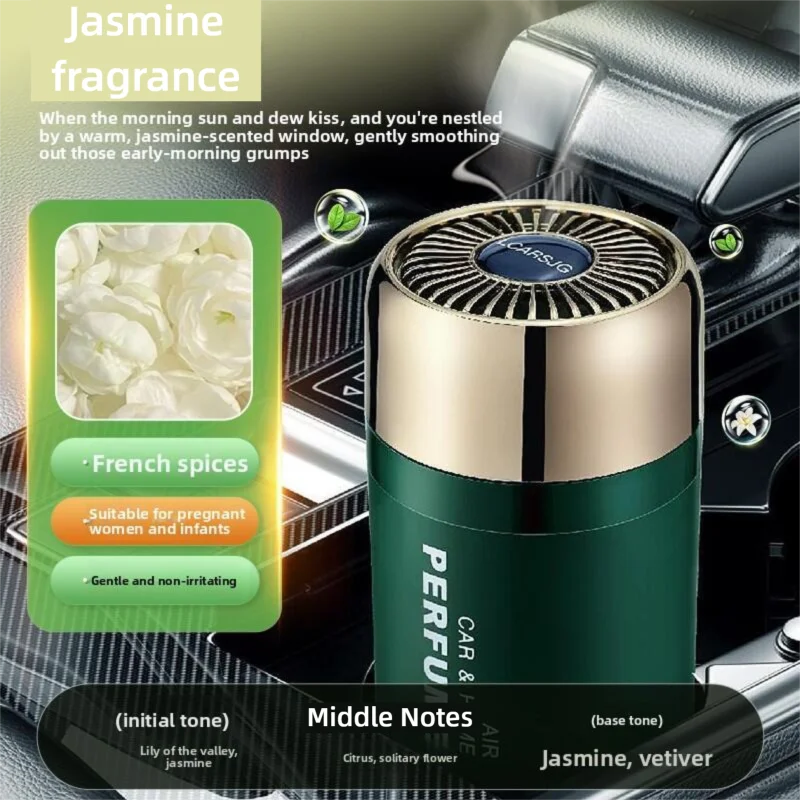
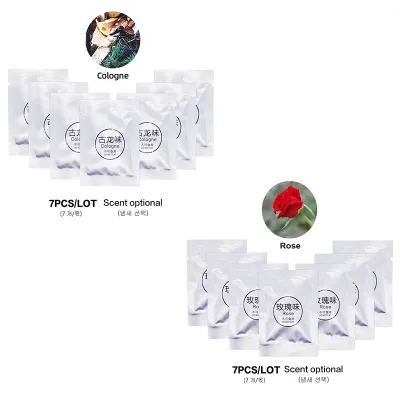

Prices are valid at publication and may change. Please refer to the product page for the latest price.
Beyond performance degradation, the combination of heat and humidity introduces safety and maintenance concerns. Pressurized aerosol cans stored in a hot glove box or door pocket run the risk of pressure buildup, which can lead to structural failure or leakage. Liquid-filled bottles can also experience pressure changes that force concentrated fragrance oils through seals, potentially dripping onto sensitive dashboard plastics or leather upholstery.
Comparing Car Air Freshener Formats for Hot and Humid Conditions
To find the most durable option, it helps to evaluate how different physical states—liquids, gels, solids, and active diffusers—interact with your car’s interior environment. Longevity is not a fixed calendar duration printed on a box; rather, it is a variable function of evaporation control, heat exposure, and cabin airflow. By analyzing where a freshener is placed and how its active ingredients are released, you can select a format that aligns with your driving habits and parking conditions.

The following sections break down the primary car air freshener formats available, detailing their structural pros, cons, and specific limitations when exposed to tropical conditions.
Vent Clips and Vent Sticks
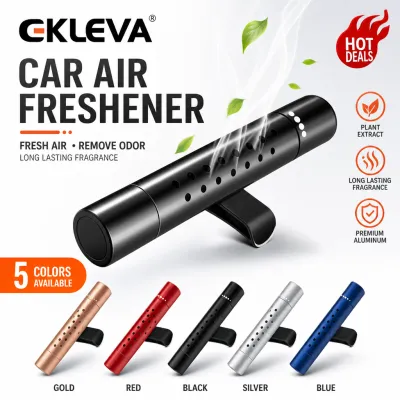
Vent clips and sticks rely directly on your vehicle’s climate control system to distribute scent throughout the cabin. Because they are positioned directly in the path of the air conditioning vents, their scent delivery is highly active when the fan is running but drops to a passive state when the car is turned off. This makes them highly efficient for daily commuters who want immediate fragrance control without wasting scent while the vehicle is parked.
However, their longevity is highly dependent on your air conditioning usage frequency and fan speed. In Singapore, where drivers typically run the air conditioning continuously, vent clips can deplete faster than expected if the vents are constantly blasting cold air across the fragrance membrane. Additionally, when the car is parked in the sun, the stagnant heat inside the dashboard can cause the liquid refills inside some vent clips to expand, increasing the risk of concentrated oil leaking onto the plastic louvers of your vents.
- Best suited for: Drivers who park in shaded or indoor lots and consistently use climate control during their daily commutes.
- Key limitation: Rapid depletion during long drives with high fan speeds, and potential leakage if exposed to extreme dashboard heat.
Gel Cans and Solid Fragrances
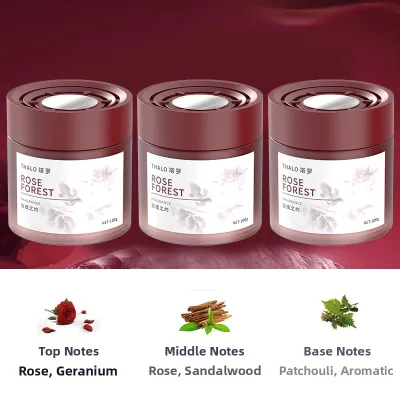
Gel cans and solid polymer blocks are among the most stable options for high-heat environments. These products typically use a solidifying agent or a polymer matrix to trap fragrance oils, releasing them slowly as the material exposed to the air gradually shrinks. Because they do not rely on a free-flowing liquid, they are inherently spill-proof, making them a safe choice for rough roads or angled console surfaces.
The primary challenge for gel-based formats in tropical climates is the physical transformation of the gel under sustained heat. High cabin temperatures can cause the gel to shrink, dry out, or even melt into a semi-liquid state, which drastically shortens its useful lifespan. To mitigate this, many manufacturers offer heat-resistant formulations designed specifically to maintain structural integrity at higher temperatures. When shopping, it is wise to check product labels for temperature thresholds to ensure the gel will not liquefy on a hot afternoon.
- Best suited for: Vehicles parked outdoors where a spill-proof, low-maintenance fragrance source is required.
- Key limitation: The gel can dry out rapidly and lose its scent throw if left in direct sunlight on the dashboard or rear parcel shelf.
Hanging Bottles and Cardboard Fresheners
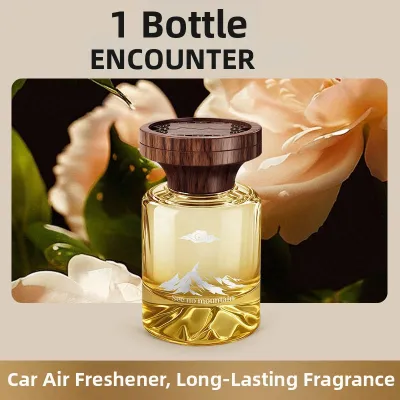
Hanging glass bottles with wooden diffusers and classic cardboard trees are popular due to their low cost and ease of placement. Hanging bottles work by allowing liquid fragrance oil to seep into a wooden cap, which then evaporates into the cabin air. Cardboard fresheners are simply porous paper sheets infused with scented oils that release fragrance immediately upon exposure to the air.
In a hot and humid climate, both formats face severe longevity issues. Direct sunlight hitting a hanging bottle suspended from the rearview mirror rapidly accelerates liquid evaporation, often causing the bottle to empty in a fraction of its rated lifespan. The swinging motion of the bottle also increases the risk of concentrated oil spilling onto the dashboard, which can dissolve plastics or stain leather. Cardboard options, while cheap, tend to release their entire scent payload in the first few days of high heat and humidity, leaving behind a scentless paper card that absorbs cabin moisture.
- Best suited for: Budget-conscious drivers who do not mind frequent replacements and can hang the product away from direct sunlight.
- Key limitation: Extremely short lifespan in high heat, high risk of liquid spills, and rapid degradation from humidity.
Electronic Diffusers and Smart Sprays
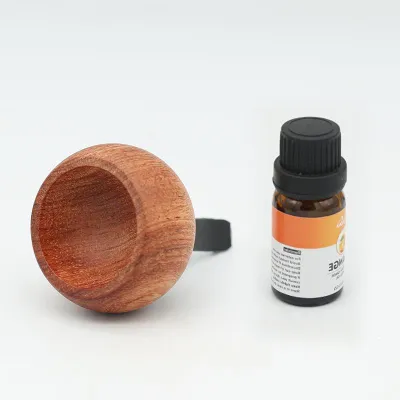
Electronic diffusers and smart plug-in sprays represent the high-tech end of cabin fragrance. These devices use ultrasonic vibration or small heating elements to turn liquid fragrance oils into a fine mist, often allowing you to adjust the frequency and intensity of the spray via physical buttons or a smartphone application. This level of control makes them highly efficient, as you can turn the device off completely when the car is unoccupied.
Despite their efficiency, electronic diffusers face unique challenges in tropical climates. High cabin humidity can interfere with the ultrasonic plates, causing moisture to accumulate around the nozzle and clog the spray mechanism. Furthermore, the lithium-ion batteries commonly used to power cordless diffusers are sensitive to extreme heat; leaving a battery-powered device on a hot dashboard can degrade battery health or pose a safety hazard. It is essential to verify the manufacturer’s specified operating and storage temperature ranges before leaving these devices in a parked car.
- Best suited for: Tech-savvy drivers who want precise control over scent intensity and do not mind charging or maintaining an electronic device.
- Key limitation: Sensitivity of electronic components and batteries to high cabin heat and moisture buildup.
What to Check on the Label Before Buying
When browsing for an air freshener for your car, reading the manufacturer’s packaging carefully can save you from premature product failure or interior damage. Look specifically for operating temperature ranges or heat warnings. High-quality automotive air fresheners often state whether they have been tested to withstand temperatures up to 60°C or 70°C, which are easily reached inside a closed vehicle parked under the Singapore sun.
Another critical factor is the ingredient list. Try to avoid formulations that rely heavily on alcohol or highly volatile solvents. Alcohol-heavy air fresheners evaporate at a much lower temperature, meaning they will disappear quickly in hot weather and can create an overpowering, chemical-heavy scent profile during the first few days of use. Instead, look for oil-based or solid polymer options that list slow-release carrier materials.
Finally, verify the physical safety features of the product. Look for terms like “spill-proof,” “leak-resistant,” or “membrane-protected.” If you are purchasing a liquid-based vent clip, ensure the housing has a secure locking mechanism that prevents the bottle from detaching when driving over speed bumps. For electronic diffusers, check for an automatic shut-off feature that deactivates the device when the vehicle is stationary, preserving both battery life and fragrance oil.
Practical Steps to Maximize Scent Longevity
Regardless of the format you choose, your daily habits play a massive role in how long your car air freshener remains effective. The single most impactful action you can take is to manage your cabin’s peak temperatures. Whenever possible, park in shaded multi-storey car parks or basement lots rather than open-air spaces. If parking in direct sunlight is unavoidable, use a high-quality reflective windshield sunshade to block solar radiation, which significantly lowers the temperature of the dashboard where many air fresheners are placed.
Another effective strategy is to adjust the placement of your freshener based on whether the car is active or parked. For example, if you use a hanging bottle or a vent clip, consider moving it to a lower, shaded area—such as a cup holder or under a seat—when parking the car for extended periods. This keeps the product out of the direct path of sunlight streaming through the windshield, slowing down passive evaporation.
Lastly, maintain a clean and dry cabin environment. High humidity in Singapore can cause moisture to settle into your car’s carpets, floor mats, and fabric seats, leading to musty odors that compete with your air freshener. Regularly vacuuming your interior, using a dedicated cabin dehumidifier bag, and cleaning up food spills promptly will ensure your air freshener does not have to work double-time to mask unpleasant smells, allowing you to use a lower, longer-lasting scent setting.
Frequently Asked Questions (FAQ)
Is it safe to leave aerosol air fresheners in a parked car?
Leaving pressurized aerosol cans in a parked car is not recommended due to safety risks. When a vehicle is parked in direct sunlight, internal temperatures can exceed the safe storage limits printed on pressurized containers, which is typically around 50°C. This extreme heat causes the gas inside the can to expand, increasing internal pressure and potentially leading to a rupture or explosion that can damage your car’s interior. For vehicles that are regularly parked outdoors, it is much safer to use non-pressurized formats such as solid gels, polymer clips, or passive diffusers.
Why does my car air freshener smell different when it rains?
When it rains, the relative humidity inside your car rises sharply, which changes how fragrance molecules behave and how your nose perceives them. High moisture levels in the air can trap volatile organic compounds, altering the rate at which different scent notes evaporate and sometimes making a fragrance smell heavier or damp. Additionally, high humidity can activate dormant odors trapped in your car’s fabric seats, floor mats, or air conditioning ducts. To maintain a consistent scent profile, consider placing a silica gel moisture absorber in your cabin to keep humidity levels stable.
Can heat damage my car interior if a liquid air freshener spills?
Yes, concentrated fragrance oils used in liquid air fresheners can cause severe damage to automotive plastics, vinyl, and leather. When these oils are exposed to high cabin heat, they can chemically react with interior surfaces, melting plastic trims, peeling paint finishes, or cracking leather upholstery. If a spill occurs, it is crucial to clean the area immediately using a damp microfiber cloth and a mild interior cleaner or specialized leather soap, avoiding harsh chemicals that could worsen the damage. To prevent this risk entirely, opt for spill-proof solid gels or secure membrane-based clips.

Community discussion
Share your experience or ask a question. Comments are reviewed before publication.