
Selecting the correct ArtDeShine interior cleaner for your car seats requires matching the chemical formulation of the product to the exact material of your upholstery—whether it is genuine leather, synthetic leather, or woven fabric. Using an incompatible cleaner can strip protective topcoats from leather, cause synthetic vinyl to crack, or leave sticky, dirt-attracting residues deep within fabric fibers. In Singapore’s hot and highly humid climate, choosing the right formula is also critical to prevent moisture retention and subsequent mold growth in fabric seats, or accelerated UV damage on dried-out leather surfaces.
Before purchasing any detailing product, you must verify your seat material and consult your vehicle owner’s manual for specific interior care guidelines. If the vehicle manufacturer’s instructions conflict with a cleaner’s label, or if you cannot identify the material, stop and consult a professional detailer.
How to Identify Your Car Seat Material: Leather, Synthetic, or Fabric
Accurately identifying your car seat material is the first step in avoiding permanent surface damage. Many modern vehicles use a mix of materials—such as genuine leather on the seating faces and synthetic vinyl on the sides and backrests—which complicates the cleaning process.
Products mentioned in this guide
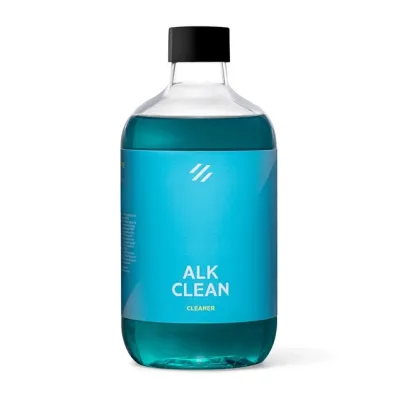
Prices are valid at publication and may change. Please refer to the product page for the latest price.
Genuine leather possesses natural pores, slight structural irregularities, and a distinct organic scent. When you press your thumb firmly into genuine leather, fine wrinkles will radiate outward from the point of pressure, and the material will gradually warm up in response to body heat. Genuine leather also absorbs microscopic amounts of moisture over time, meaning a tiny droplet of water placed on an uncoated section will eventually darken the area and soak in.
Synthetic leather, often referred to as vinyl, leatherette, or polyurethane (PU) leather, features a highly uniform texture with a repetitive grain pattern. It feels slightly more plastic-like or rubbery to the touch and does not wrinkle organically under localized pressure. Because synthetic leather is non-porous, liquids will pool on the surface indefinitely without absorbing, and the material remains relatively neutral in temperature when touched.
Fabric or cloth seats are easily distinguished by their woven thread construction, high breathability, and soft texture. Unlike leather or vinyl, fabric instantly absorbs liquids and is highly susceptible to staining from spilled beverages or sweat.
Common points of confusion often arise with premium synthetic materials like Alcantara or microsuede, which mimic the soft, napped texture of suede but are actually polyester blends. Additionally, perforated leather—which features tiny ventilation holes—can sometimes be mistaken for a woven fabric blend at a glance, though it retains all the chemical properties of leather and must be treated as such.
To eliminate any doubt, check your vehicle’s owner manual or the original manufacturer’s specification sheet. Visual and tactile inspections can sometimes be misleading, especially with high-end synthetic leathers designed to replicate natural grains perfectly.
Matching ArtDeShine Cleaners to Your Specific Seat Type
Matching your cleaner to the chemical profile of your seat material ensures effective soil removal without stripping protective coatings. Car interior surfaces are engineered with specific surface energies and protective barriers that react differently to surfactants, solvents, and pH levels.

Selecting the Right ArtDeShine Leather Cleaner
Genuine leather and modern synthetic leathers require mild, pH-balanced, non-stripping formulas. Most modern automotive leathers are finished with a thin, protective polyurethane clear coat to guard against abrasion and UV rays. Harsh household degreasers or highly alkaline cleaners will chemically degrade this protective layer, leading to premature fading, cracking, and a sticky or overly shiny surface finish.
When selecting an ArtDeShine product for these surfaces, look for formulas explicitly labeled for “Leather,” “Vinyl,” or “Interior Surfaces.” These products are designed to emulsify body oils, sweat, and surface dust without drying out the material underneath. A proper leather-safe cleaner lifts dirt from the grain while preserving the natural matte finish of the upholstery.
Always verify that the product label confirms safety for coated automotive leathers before application. Avoid using any cleaner that contains strong alcohols, heavy solvents, or abrasive agents, as these will permanently ruin the leather finish.
Choosing the Right ArtDeShine Fabric Cleaner
Woven fabric and cloth seats require a completely different chemical approach. Dirt and liquid spills penetrate deep into the woven fibers and the underlying seat foam, meaning a simple surface wipe-down is insufficient. Fabric upholstery demands cleaners formulated with deep-penetrating surfactants or foaming agents that break the bond between the fibers and the embedded grime.
For these seats, select an ArtDeShine variant specifically formulated for “Fabric,” “Cloth,” or “Carpet.” These formulas are engineered to encapsulate dirt particles, allowing them to be easily extracted or vacuumed away. Furthermore, fabric-specific cleaners are designed to dry rapidly, which is essential in Singapore’s humid climate to prevent trapped moisture from turning into mold, mildew, or musty odors.
Using a leather cleaner on fabric will typically leave a sticky, oily residue that acts as a magnet for future dirt, as leather formulas often contain conditioning agents that do not evaporate. Conversely, using a heavy-duty fabric extractor or high-foaming fabric cleaner on leather can strip its delicate dye and protective topcoat, leaving the leather vulnerable to rapid wear.
Pre-Cleaning Safety Checks and Spot Testing
Before applying any detailing product to your car’s interior, you must establish safe usage boundaries. Chemical formulations can vary, and unexpected reactions can occur on aged, damaged, or aftermarket-treated materials.
First, thoroughly read the ArtDeShine product label to identify specific material warnings, recommended dilution ratios, and application instructions. Some concentrates require precise dilution with distilled water, while ready-to-use formulas must not be diluted. Next, cross-reference the chemical label with your car manufacturer’s interior care instructions to ensure you do not void any material warranties or damage specialized factory coatings.
Always perform a spot test in an inconspicuous area before cleaning visible sections of the seat. Suitable testing locations include the lower seat bolster near the floor tracks, the underside of the headrest, or the lower rear backrest.
Follow these steps to conduct a proper spot test:
- Apply a small, dime-sized amount of the correctly diluted ArtDeShine cleaner to a clean, white microfiber towel.
- Gently press and wipe the towel onto the chosen inconspicuous test area for five to ten seconds.
- Allow the area to dry completely naturally, or assist with a dry microfiber cloth if specified by the product instructions.
- Inspect the test area under bright, natural light and examine the white microfiber towel for any changes.
During your inspection, watch closely for signs of adverse reactions. These include color transfer (dye bleeding onto the white microfiber towel), localized fading, physical stiffening of the material, or changes in the surface sheen, such as patchy matte and shiny spots.
If you observe any negative reaction, stop using the product immediately. Wipe the affected area gently with a clean microfiber cloth lightly dampened with pure water to neutralize the cleaner, and do not proceed with that specific product on any visible surfaces of the vehicle.
When to Skip DIY Cleaning and Seek Professional Detailing
While routine maintenance is highly manageable, certain interior materials and soil levels require specialized equipment and professional expertise to avoid costly damage.
Delicate or highly specialized materials should generally not be cleaned with standard DIY products. Alcantara, genuine suede, open-pore wood trim, and premium uncoated Nappa leather possess highly sensitive surface structures. Standard liquid cleaners can easily mat down Alcantara fibers, stain uncoated leather permanently, or swell raw wood veneers.
Additionally, deep-set stains, biological contamination (such as vomit or urine), severe mold infestations, or large liquid spills that have penetrated deep into the seat foam cushion cannot be resolved with surface spray cleaners. Attempting to scrub these out at home often pushes the contamination deeper, resulting in permanent odors or bacterial growth. Professional detailers utilize specialized hot-water extractors, ozone machines, and antimicrobial treatments to thoroughly sanitize the deep foam layers.
You must also avoid applying liquid cleaners or agitating surfaces that have existing physical damage. If your seats exhibit deep cracks, peeling synthetic leather, torn seams, or frayed fabric, applying moisture and rubbing the area will accelerate the tearing and cause the backing materials to degrade further. In these scenarios, seek a professional upholstery repair specialist before attempting any cleaning.
Frequently Asked Questions (FAQ)
Can I use an ArtDeShine multi-purpose interior cleaner on both leather and fabric?
Some ArtDeShine multi-purpose interior cleaners are formulated to be safe for light maintenance dusting across various surfaces, but they may not offer the specialized performance needed for deep cleaning. A multi-purpose formula often lacks the heavy surfactants required to lift stubborn stains out of porous woven fabric, and it may not contain the mild, pH-balanced properties necessary to protect delicate leather topcoats over long-term use. Always consult the specific product label to confirm if it is rated for both porous textiles and finished leathers before attempting dual-surface application.
How often should I clean my car's leather or fabric seats?
For daily drivers in humid environments like Singapore, perform a light cleaning—consisting of thorough vacuuming and a gentle wipe-down with a damp microfiber cloth—at least once a month to remove abrasive dust and acidic sweat. A deeper chemical clean using material-specific ArtDeShine formulas should be performed every three to six months. If you frequently transport pets, carry children, or exercise regularly, you may need to deep-clean your seats more frequently to prevent body oils and moisture from permanently staining the upholstery.
Community discussion
Share your experience or ask a question. Comments are reviewed before publication.