
Choosing between Acefast USB-A, Type-C, and wireless car chargers depends primarily on whether you prioritize maximum charging speed, legacy device compatibility, or cable-free convenience on your daily commute. For rapid power delivery to modern smartphones, a Type-C charger is the optimal choice. If you need to power older accessories like dashcams or legacy GPS units, a USB-A charger remains highly practical. For drivers who value a clean dashboard and seamless mounting, a wireless charger offers unmatched convenience, albeit at slower charging speeds.
Navigating daily traffic on busy expressways requires a reliable power source to keep navigation apps running without draining your device’s battery. Investing S$20 to S$50 in a high-quality car charger can safeguard your devices from electrical fluctuations while ensuring they remain fully charged. Understanding the technical differences between these three charging formats allows you to make an informed decision that matches your vehicle’s electrical capabilities and your personal device ecosystem.
Assessing Your Vehicle and Device Requirements
Before purchasing any car charger, you must evaluate your vehicle’s auxiliary power outlet, commonly known as the cigarette lighter socket. Most modern vehicles support a 12V or 24V electrical system, but the maximum wattage and amperage are governed by a specific fuse in your car’s fuse box. Overloading this circuit by plugging in a high-wattage multi-port charger can trip the fuse, disabling the outlet entirely. Always consult your vehicle’s owner’s manual to verify the maximum power rating of your auxiliary outlets before connecting high-draw electronics.
Products mentioned in this guide
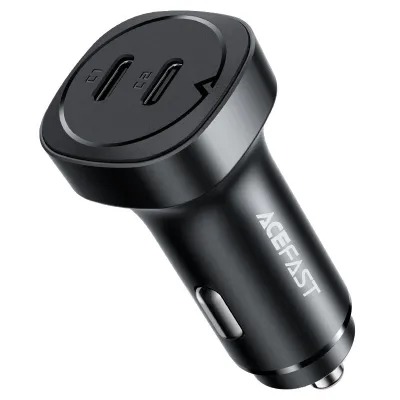
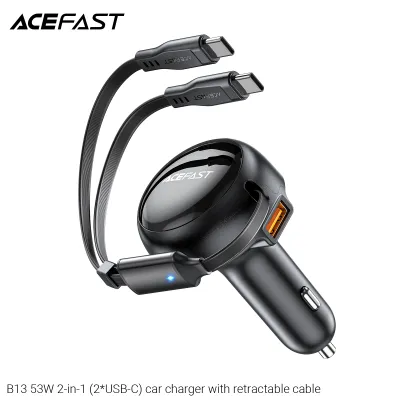
Prices are valid at publication and may change. Please refer to the product page for the latest price.
Next, identify the exact charging standards and port types of the devices you plan to power on the road. Modern smartphones, tablets, and laptops typically utilize USB-C ports that support advanced fast-charging protocols, whereas older accessories rely on micro-USB or proprietary connections. The receiving capability of your device’s battery management system dictates the maximum speed at which it can safely accept power, meaning a high-output charger will not benefit a device restricted to standard charging speeds.
It is crucial to understand that charging performance is limited by the weakest link in the electrical chain. This chain consists of your vehicle’s 12V socket, the car charger adapter, the charging cable, and the device’s internal battery management system. If you use a premium fast charger but pair it with a damaged or low-quality cable, the charging speed will drop significantly. Ensuring compatibility across all four components is essential for achieving safe and efficient power delivery.
Acefast USB-A Car Chargers: Evaluating Legacy Compatibility
USB-A car chargers represent the traditional standard for in-vehicle power delivery. These chargers are highly practical for drivers who need to power legacy devices, older smartphone models, or standard automotive accessories. Dashcams, portable cabin air purifiers, and older GPS navigation units almost exclusively utilize USB-A cables, making a dedicated USB-A port a necessity for keeping these essential tools running continuously.

However, USB-A ports generally support lower power outputs compared to modern Type-C standards. While some proprietary fast-charging protocols allow for higher wattage over USB-A, standard outputs are typically limited to 12W or 18W. This means that while a USB-A charger is perfectly adequate for maintaining your phone’s battery level while running navigation apps, it will take significantly longer to charge a depleted battery from zero to full compared to a Type-C connection.
When selecting an Acefast USB-A charger, drivers should carefully inspect the product packaging or label to verify the exact amperage, port configuration, and safety certifications. Ensure the charger features built-in protections against overcurrent and short circuits to protect your vehicle’s electrical system. Additionally, verify that the physical dimensions of the charger allow it to sit flush and secure within your vehicle’s specific 12V socket design to prevent accidental disconnections while driving over uneven roads.
Acefast Type-C Car Chargers: Prioritizing Wired Fast Charging
Type-C car chargers are engineered for drivers who prioritize rapid power delivery and need to charge modern, power-hungry devices quickly. These chargers utilize the Power Delivery (PD) protocol, which dynamically communicates with your connected device to negotiate the optimal voltage and current. This technology allows compatible smartphones, tablets, and even compact laptops to charge at their maximum safe speeds, making it ideal for short commutes where every minute of charging counts.
To achieve these rated fast-charging speeds, you must pair the Type-C charger with a high-quality, certified USB-C to USB-C or USB-C to Lightning cable. Using an uncertified or low-gauge cable can restrict the power flow, rendering the fast-charging capabilities of the adapter useless. It is highly recommended to use cables that are explicitly rated for the maximum wattage your charger can output to ensure safe and consistent performance.
Before purchasing, check the Acefast product label or specification sheet for the exact PD wattage output per port, as multi-port chargers often split their total power across multiple connections. Cross-reference this wattage with your device’s maximum charging input to ensure compatibility. If you plan to charge high-draw devices like laptops, verify that your vehicle’s 12V socket can handle the total combined power draw without overheating or tripping the vehicle’s auxiliary fuse.
Acefast Wireless Car Chargers: Weighing Cable-Free Convenience
Wireless car chargers combine a secure mounting bracket with inductive charging technology, offering a clean and convenient solution for your dashboard. This design eliminates the need to manually plug and unplug cables every time you enter or exit your vehicle, which is particularly useful for delivery drivers or those who make frequent short stops. Many wireless mounts feature automatic clamping mechanisms that secure your phone in place as soon as it detects physical contact.
Before choosing this option, you must confirm that your smartphone supports the Qi wireless charging standard. Wireless charging is inherently less efficient than wired charging, as energy is lost as heat during the inductive transfer process. Consequently, wireless chargers generally deliver slower charging speeds compared to Type-C wired connections, making them better suited for maintaining battery levels rather than rapidly reviving a dead phone.
Thermal management is a critical consideration when using a wireless charger, especially in warm tropical climates like Singapore. When a phone is mounted on the dashboard in direct sunlight while simultaneously running GPS navigation and charging wirelessly, it can generate substantial heat. This heat can trigger your phone’s internal thermal throttling, which slows down or temporarily halts charging to protect the battery. To mitigate this, check the specific Acefast wireless model for built-in cooling fans, active ventilation, or advanced thermal protection features.
Comparing Speed, Convenience, and Compatibility
To help you decide which form factor best aligns with your daily driving habits, it is helpful to compare their primary characteristics side by side. Each type of charger excels in different scenarios, and understanding these trade-offs ensures you select the right tool for your vehicle.
| Charger Type | Primary Use Case | Cable Requirement | Relative Speed | Key Limitations |
|---|---|---|---|---|
| USB-A | Legacy devices, dashcams, older accessories | Standard USB-A cables | Standard (Slower) | Limited fast-charging support for modern devices |
| Type-C | Rapid charging for modern phones and tablets | Certified USB-C cables | Maximum (Fastest) | Requires physical cable connection each time |
| Wireless | Clean dashboard, frequent stops, easy mounting | Qi-compatible device | Moderate | Higher heat generation, slower than wired charging |
Regardless of the form factor you choose, actual charging performance depends heavily on the specific Acefast model, the quality of your cables, and your device’s current battery health. Before finalizing your purchase, always inspect the product label for essential safety certifications. Look for recognized safety marks indicating overcurrent protection, overvoltage protection, short-circuit protection, and foreign object detection (FOD) for wireless models to ensure safe operation within your vehicle.
Final Decision: Which Acefast Charger Fits Your Daily Drive?
Select an Acefast USB-A charger if your primary goal is to power legacy devices, dashcams, or standard cabin accessories using your existing cable setup. This option provides a highly reliable, cost-effective connection for devices that do not require high-wattage power delivery, ensuring your essential driving tools remain powered without unnecessary complexity.
Opt for an Acefast Type-C charger if you prioritize maximum wired fast-charging speeds for modern smartphones or tablets. This is the best choice for drivers with short commutes who need to quickly boost their device’s battery life, as well as those who frequently charge power-intensive electronics on the go.
Choose an Acefast wireless car charger if you value a clean, cable-free dashboard and the convenience of a drop-in mount. This setup is ideal for drivers who prioritize ease of use and seamless mounting over raw charging speed, provided their devices support the Qi wireless standard and they can manage cabin heat effectively.
Before making your final purchase on any online marketplace or retail store, verify the physical condition of your vehicle’s 12V socket and check your device’s battery health. If you plan to perform any modifications to your vehicle’s electrical system or fuse box to accommodate high-power accessories, always consult a qualified automotive professional to ensure safety and road legality.
Frequently Asked Questions (FAQ)
Can I use an Acefast wireless charger if my phone case has a magnetic ring?
Standard magnetic rings or metal plates embedded in phone cases can interfere with the inductive coils of a wireless charger, potentially causing excessive heat buildup or preventing the charger from functioning entirely. If your phone case features a magnetic ring, you must verify that the specific Acefast wireless charger model is explicitly designed with magnetic alignment compatibility. Always check the product specifications and user manual before purchasing to ensure the charger can safely transmit power through your specific case design without triggering the foreign object detection safety feature.
Will an Acefast Type-C car charger drain my car battery when the engine is off?
Whether a car charger drains your battery when the engine is turned off depends entirely on how your vehicle’s electrical system manages the 12V auxiliary power outlet. In many modern vehicles, power to the 12V socket is automatically cut off immediately or shortly after the ignition is turned off, preventing any battery drain. However, some vehicles keep the auxiliary outlet constantly live, meaning a plugged-in charger could continue to draw a small amount of standby power. To prevent unexpected battery drain, consult your vehicle’s owner’s manual to understand your socket’s behavior, and consider unplugging the charger if you plan to leave the vehicle parked for an extended period.

Community discussion
Share your experience or ask a question. Comments are reviewed before publication.