
Choosing the right parking and maneuvering aids can mean the difference between a seamless parking experience and an expensive trip to the workshop. While many manufacturers advertise high-resolution sensors and advanced digital features, the real-world performance of these systems depends on how well several key specifications work together under pressure.
To find a system that truly assists your driving, you must look beyond marketing numbers. A reliable setup requires a precise balance of low-latency processing, optical clarity, robust physical build quality, and seamless software integration.
The Short Answer: Core Specs for a Reliable 360 Camera for Car Systems
When evaluating a 360 camera for car installations, the most critical specifications are processing latency, low-light sensor performance, and stitching accuracy. High megapixel counts on paper mean very little if the central processing unit cannot process the video feeds fast enough to display them in real time.
Products mentioned in this guide
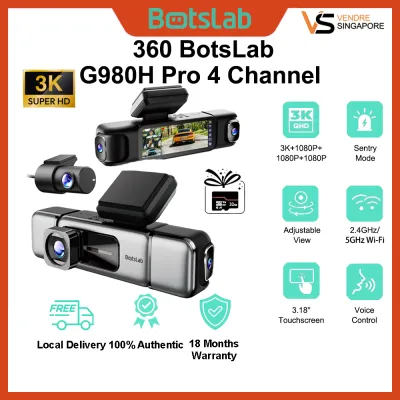
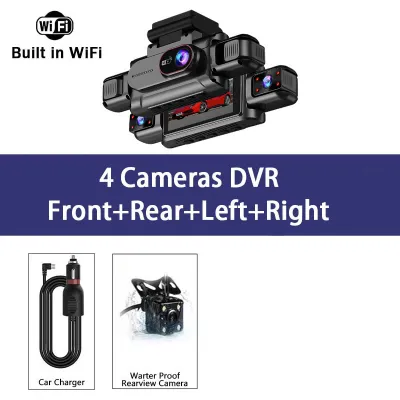
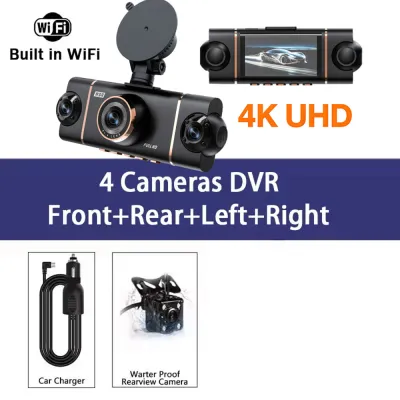
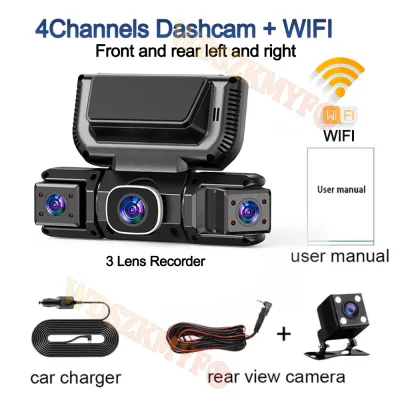
![[NEW] 70mai Omni X800 360° Dashcam 4K Resolution | 4G Connectivity | AI Motion Detection | Buffered Emergency Recording](https://img.lazcdn.com/g/p/809d6c6e1dd19fd39f20877b68d8e325.jpg_400x400q80.jpg_.webp)
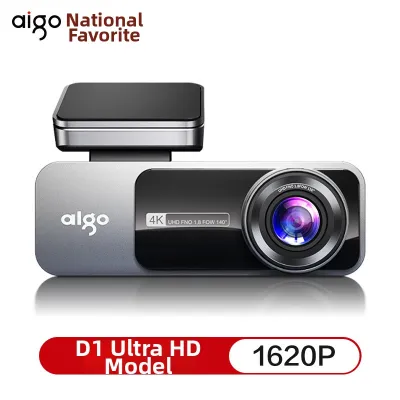
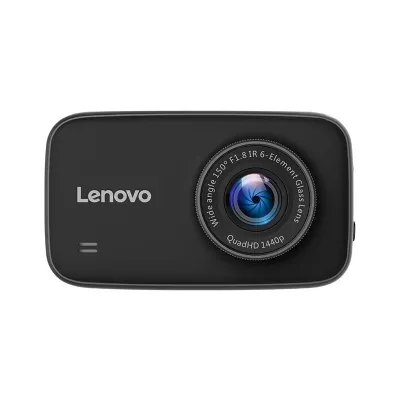
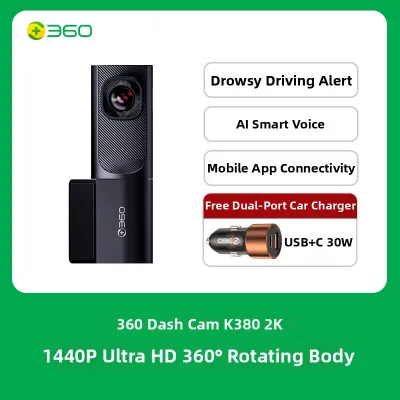
Prices are valid at publication and may change. Please refer to the product page for the latest price.
Before purchasing any aftermarket equipment, always verify your vehicle’s specific model, year, electrical interface, and mounting positions against the product documentation. Because installing these systems involves routing cables through door panels, mirrors, and bumpers, as well as tapping into the vehicle’s electrical loom, refer to your original-vehicle manufacturer instructions. Seeking qualified professional installation is highly recommended to protect your vehicle’s warranty and ensure road legality.
Resolution vs. Processing Power: Finding the Right Balance
Many buyers assume that higher resolution automatically translates to a clearer image, but this is only half the truth. In a multi-camera system, resolution is typically measured per individual lens, and processing four high-definition video streams simultaneously requires significant computing power.

If a system pairs high-resolution cameras with an underpowered central processor, the display will suffer from frame drops, extreme lag, or overheating. For practical parking assistance, such as identifying low curbs or reading nearby license plates, standard high-definition (720p or 1080p) per camera is more than sufficient.
When comparing systems, look for manufacturers that specify dedicated hardware acceleration or multi-core image signal processors (ISPs). A balanced system with moderate resolution and a fast processor will always outperform an unoptimized, high-resolution system that stutters when you shift into reverse.
Field of View (FOV) and Lens Distortion: Coverage vs. Clarity
To achieve a complete bird’s-eye view, each of the four cameras must utilize an ultra-wide fisheye lens, typically offering a field of view between 180 and 190 degrees. While a wider field of view minimizes blind spots around the bumpers, it also introduces significant optical distortion at the outer edges of the frame.
This distortion can cause straight lines to appear curved and make objects near the corners of your vehicle look much further away than they actually are. In tight spaces, such as narrow ramps and sharp corners in multi-storey car parks, this visual warping can easily lead to misjudged turns and scraped rims.
To counter this issue, prioritize systems that feature optical distortion correction or software-based de-warping. These technologies flatten the curved edges of the fisheye feed, ensuring that concrete pillars and adjacent vehicles are represented with realistic distances and proportions.
Image Stitching and Latency: The Most Critical "Invisible" Spec
Image stitching is the software algorithm that takes the four independent camera feeds and merges them into a single, seamless top-down perspective. A poorly calibrated stitching algorithm will create visible blind spots, misaligned lane markings, or double images where the camera views overlap.
If the stitching is inaccurate, a low obstacle like a bollard could completely disappear from view as it passes from the front camera’s field to the side camera’s field. Look for systems that offer user-adjustable calibration templates during installation to ensure the software matches your vehicle’s exact dimensions.
Latency, or the delay between the camera capturing an action and the image appearing on your dashboard screen, is equally critical. Even a fraction of a second of lag can cause you to hit an obstacle before you see it on the monitor. Because manufacturers rarely publish exact latency figures, verifying real-world responsiveness through user demonstrations or professional reviews is an essential step before buying.
Night Vision and Low-Light Performance: Driving After Dark
Many product listings advertise infrared night vision, but this technology is designed for security cameras and is ineffective for dynamic driving assistance. Instead, high-quality low-light performance relies on physical optical specifications: sensor size, lens aperture, and dynamic range processing.
Look for cameras with a wide aperture, indicated by a low f-stop number such as f/2.0 or f/1.8. A wider aperture allows more ambient light to reach the sensor, which is crucial when navigating dimly lit basement car parks or unlit suburban streets.
Additionally, verify that the system includes High Dynamic Range (HDR) or Wide Dynamic Range (WDR) processing. This technology prevents the cameras from being blinded by the glare of oncoming headlights or the sudden transition from bright outdoor sunlight to a dark underground parking structure.
Environmental Durability: Specs for Tropical Climates
Because three of the four cameras are mounted externally—on the front grille and beneath the side mirrors—they are constantly exposed to harsh environmental elements. In tropical climates like Singapore, these components must endure intense solar heat, high humidity, and sudden torrential downpours.
Ensure the external camera units carry an Ingress Protection rating of at least IP67, though IP68 is highly preferred for long-term water and dust resistance. This rating guarantees that the delicate internal sensors remain sealed against high-pressure road spray and heavy rain.
Furthermore, check the manufacturer’s specified operating temperature range to ensure the hardware can withstand prolonged exposure to direct sunlight when parked outdoors. Opting for cameras with premium glass lenses rather than cheap plastic alternatives will also prevent the lenses from yellowing, hazing, or fogging over time.
Overhyped Specs You Can Safely Ignore
Marketing materials often highlight combined megapixel ratings, such as “12-megapixel panoramic view,” which simply adds the resolutions of four low-quality sensors together. These inflated figures rarely translate to better image clarity and often serve as a distraction from poor processing hardware.
Digital zoom capabilities should also be deprioritize. Because wide-angle lenses distribute their pixels across a massive field of view, zooming in digitally only enlarges the pixels, resulting in a blurry, pixelated image that offers no practical safety benefit.
Finally, avoid paying a premium for continuous Wi-Fi streaming to your smartphone unless you have a specific security need. This feature requires constant power and can quickly drain your vehicle’s battery if the system lacks a properly configured hardware cutoff.
Frequently Asked Questions (FAQ)
Do I need a 3D 360 camera system instead of a standard 2D bird's-eye view?
A 3D system provides a virtual, rotatable model of your vehicle within its surroundings, which can help with spatial awareness. However, this feature demands significant processing power and can introduce lag on budget-grade hardware. For most drivers, a well-calibrated 2D bird’s-eye view is highly reliable, more responsive, and perfectly adequate for precise parking guidance.
Will an aftermarket 360 camera drain my car battery?
Because these systems run multiple cameras and a central processing unit, they draw more power than standard single-channel dash cams. If you plan to use parking monitoring features while the engine is off, you must use a hardwiring kit equipped with an integrated low-voltage cutoff. This safety device automatically disconnects the camera system if your car battery drops below a set threshold, ensuring you always have enough power to start your engine.
Community discussion
Share your experience or ask a question. Comments are reviewed before publication.