
You need to replace your tyre caps when they show visible physical damage like cracking, stripped internal threads, severe corrosion, or when they are completely missing. While these small components are often overlooked during routine vehicle maintenance, they play a vital role in protecting your tire’s valve stem from road debris, moisture, and dirt. Regularly checking their condition during your routine tire pressure checks ensures that your tire’s air retention system remains fully functional and prevents slow leaks.
In tropical climates like Singapore, where high humidity, heavy downpours, and road grime are constant factors, tyre caps face harsh environmental conditions. Plastic caps can degrade under intense UV exposure, while metal caps are highly susceptible to moisture-induced corrosion. Understanding when and how to replace these inexpensive parts can save you from unexpected tire pressure drops and costly repairs at a local workshop.
The Real Purpose of Tyre Valve Caps
A common misconception among drivers is that the tyre cap is the primary component holding the pressurized air inside the tire. In reality, the sealing duty belongs entirely to the internal valve core, typically a Schrader valve, which sits deep inside the valve stem. The valve core features a spring-loaded pin and a tiny rubber seal designed to keep high-pressure air contained.
Products mentioned in this guide
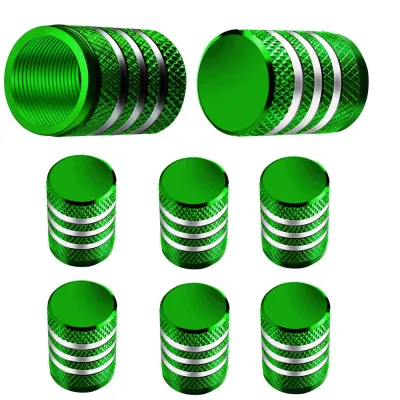
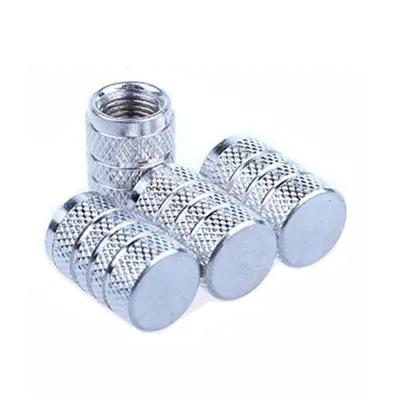
![[SG READY STOCK] Presta Tyre Valve Caps Aluminium Presta Air Valve Caps Bicycle Dust Covers MTB Road bike E-scooter](https://img.lazcdn.com/g/p/4fd0c23fa3a7a01454b3d77bfaf7ce55.png_400x400q80.png_.webp)
Prices are valid at publication and may change. Please refer to the product page for the latest price.
The tyre cap serves as the first line of defense for this delicate internal mechanism. Without a secure cap, the open valve stem acts as a funnel, collecting road dust, sand, mud, and rainwater. When you connect an air compressor chuck to inflate your tires, any accumulated debris inside the stem can be pushed directly into the valve core. This grit can lodge in the rubber seal, preventing the valve pin from closing fully and resulting in a persistent, slow air leak.
Furthermore, modern vehicles equipped with a Tire Pressure Monitoring System (TPMS) rely on highly sensitive electronic sensors integrated into the valve stems. If moisture and road grime penetrate the stem, they can corrode the sensor components or the delicate threads. Replacing a damaged TPMS sensor is significantly more expensive than replacing a simple cap, making regular valve stem protection a financial necessity.
Visible Signs Your Tyre Caps Need Replacing
Performing a quick visual and physical inspection of your tyre caps every time you check your tire pressure is the best way to catch wear before it leads to a flat tire. Look closely for these common indicators that your caps have reached the end of their service life.

First, check for cracked, brittle, or deformed plastic. Standard plastic caps are highly susceptible to UV degradation from prolonged exposure to sunlight. Over time, the plastic loses its flexibility, becomes brittle, and can easily crack or crumble when you attempt to unscrew it. If a cap feels rough, faded, or shows hairline fractures, it should be discarded immediately.
Second, inspect the internal threads of the cap. If you notice that a cap spins continuously without ever tightening, or if it sits at an angle on the valve stem, the internal threads are likely stripped or cross-threaded. Stripped threads prevent the cap from forming a secure seal, allowing moisture to seep in and making the cap highly likely to vibrate off while driving.
Third, look for signs of corrosion on metal caps. If your vehicle is fitted with aftermarket metal caps, inspect them for a white, powdery residue or a greenish crust. This is a clear sign of oxidation. When metal caps react with moisture and road grime, they can undergo galvanic corrosion, effectively fusing the cap to the metal valve stem. If left unchecked, you may not be able to remove the cap to inflate your tires without snapping the entire valve stem.
Finally, examine the inside of the cap for an internal rubber O-ring or gasket. High-quality caps feature a tiny rubber ring at the bottom of the internal threads to provide an airtight and watertight seal. If this gasket is missing, flattened, cracked, or dry-rotted, the cap can no longer effectively exclude moisture and dust, even if the outer shell looks perfectly fine.
What to Do When a Tyre Cap Goes Missing
It is incredibly common for tyre caps to go missing, whether they vibrate loose due to improper tightening, get misplaced during a routine pressure check, or are lost to minor road impacts. Driving without a cap exposes the valve core to immediate contamination from the road.
If you discover a missing cap, avoid the temptation to ignore it. Road debris, sand, and water can quickly accumulate inside the exposed stem. If you attempt to inflate the tire while the stem is dirty, you risk forcing that debris into the valve core seal. Before installing a replacement cap on an exposed stem, gently clean the area. You can use a can of compressed air or a soft-bristle brush to clear out any loose dirt. Avoid inserting sharp metal objects like paperclips or needles into the stem, as you risk damaging the delicate valve pin inside.
To minimize the time your valve stems spend exposed to the elements, it is highly recommended to keep a small kit of universal spare caps in your vehicle’s glove compartment. These kits are widely available at local automotive accessory shops or online marketplaces for just a few S$. Having a spare on hand allows you to replace a lost cap immediately, ensuring continuous protection for your tire’s inflation system.
Choosing the Right Replacement Tyre Caps
When shopping for replacement tyre caps, you will find a wide variety of materials, shapes, and designs. Selecting the right type depends on your vehicle’s valve stem material and your driving conditions.
The primary choice is between plastic and metal caps. For most daily drivers, high-quality plastic or nylon caps are the safest and most practical option. Plastic caps do not rust, degrade, or react chemically with metal valve stems, completely eliminating the risk of galvanic corrosion. Modern heavy-duty plastic caps are highly durable and designed to withstand extreme temperatures without becoming brittle prematurely.
If you prefer the aesthetic appeal of metal caps, you must exercise caution. Metal caps made of aluminum, brass, or chrome-plated steel can react with the metal of your valve stems. If your vehicle has aluminum TPMS valve stems, using brass or steel caps can lead to severe galvanic corrosion, fusing the parts together. If you choose metal, ensure they are specifically labeled as compatible with your valve stem material, or select caps that feature a protective plastic inner liner.
Regardless of the outer material, always prioritize caps that include an internal rubber O-ring. This small gasket provides superior moisture and dust exclusion compared to basic open-ended plastic caps. For vehicles with TPMS sensors, check your owner’s manual for any specific weight or material restrictions, as excessively heavy aftermarket caps can theoretically affect wheel balance or stress the sensor housing at high speeds.
How to Safely Inspect and Replace Tyre Caps
Replacing a tyre cap is a simple task, but doing it incorrectly can damage your valve stem and lead to an inconvenient trip to a tire shop. Following a careful, step-by-step method ensures a safe and secure fit.
If you encounter a stuck or corroded cap, do not attempt to force it off with heavy pliers. Applying excessive twisting force can easily twist, tear, or snap the rubber or metal valve stem, causing an immediate loss of tire pressure and requiring a professional replacement of the entire valve assembly. Instead, apply a small drop of an automotive-approved penetrating lubricant directly to the base of the cap. Let it sit for several minutes to break down any corrosion, then attempt to unscrew it gently with your fingers or a small wrench. If it remains completely seized, it is safest to visit a professional tire technician who can safely remove it or replace the valve stem.
Once the old cap is removed, wipe down the external threads of the valve stem with a clean, dry microfiber cloth to remove any accumulated road grime or debris that could prevent the new cap from seating properly. Inspect the threads on the stem to ensure they are clean and undamaged.
When installing the new cap, always tighten it by hand. Align the cap straight on the stem to avoid cross-threading, and spin it clockwise until you feel it sit flush against the stem. Hand-tightening provides more than enough torque to compress the internal rubber O-ring and secure the cap. Never use pliers or wrenches to tighten a tyre cap, as over-tightening can easily crack plastic caps, strip the threads, or damage the internal valve core seal.
Frequently Asked Questions (FAQ)
Do metal tyre caps cause more problems than plastic ones?
Yes, metal tyre caps can cause significant issues if they are not matched correctly to the valve stem material. When dissimilar metals—such as an aluminum cap on a brass valve stem, or a steel cap on an aluminum TPMS stem—come into contact in the presence of moisture, they undergo galvanic corrosion. This chemical reaction can fuse the cap to the stem, making it impossible to remove without damaging the valve. Plastic caps are generally recommended for daily driving because they are completely immune to this type of corrosion. If you choose to use metal caps, ensure they have a plastic inner lining and check them weekly to prevent seizing.
Can a loose tyre cap cause a flat tire?
A loose tyre cap will not cause an immediate flat tire because the cap itself does not hold the air pressure inside the tire; that is the job of the internal valve core. However, a loose cap fails to protect the valve core from environmental contaminants. Over time, road dust, sand, and moisture can enter the exposed valve stem, leading to corrosion or debris buildup. This contamination can eventually damage the valve core’s rubber seal or cause the valve pin to stick, resulting in a slow, hard-to-detect air leak that can eventually lead to a flat tire.
Community discussion
Share your experience or ask a question. Comments are reviewed before publication.