
Brake fluid is the hydraulic medium that transfers the force of your foot on the pedal directly to the brake calipers and pads. Unlike other automotive fluids that primarily lubricate moving parts, brake fluid operates under extreme pressure and temperature to ensure immediate deceleration. Over time, this vital fluid naturally degrades, primarily by absorbing moisture from the surrounding atmosphere. Failing to replace it at the correct interval can compromise your braking efficiency, increase stopping distances, and eventually lead to complete brake failure.
To maintain braking safety on the road, most vehicle manufacturers recommend replacing brake fluid every two to three years, regardless of the mileage driven. Waiting too long allows moisture to accumulate within the sealed hydraulic system, which lowers the fluid’s boiling point and promotes internal corrosion. This degradation can manifest as a spongy brake pedal, reduced stopping responsiveness, and expensive damage to critical components like the master cylinder and anti-lock braking system (ABS). Adhering to a strict maintenance schedule is one of the important aspects of vehicle ownership.
How to Determine Your Brake Fluid Replacement Interval
Identifying the correct service interval for your vehicle begins with a review of your owner’s manual. Manufacturers establish specific maintenance schedules based on the engineering requirements of their braking systems and the chemical properties of the recommended fluid. While some brands suggest a replacement every 24 months, others may extend this to 36 months or link the service to a specific mileage milestone. Always defer to the official vehicle documentation rather than generic advice or aftermarket service recommendations.
Products mentioned in this guide
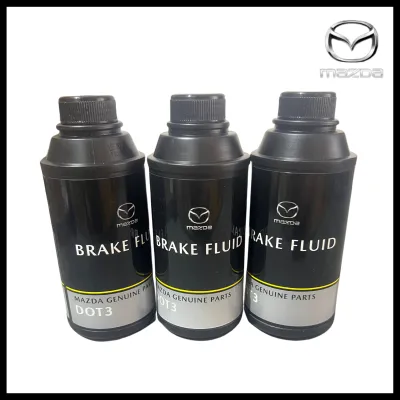
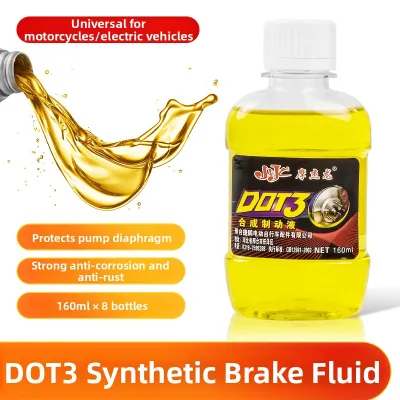
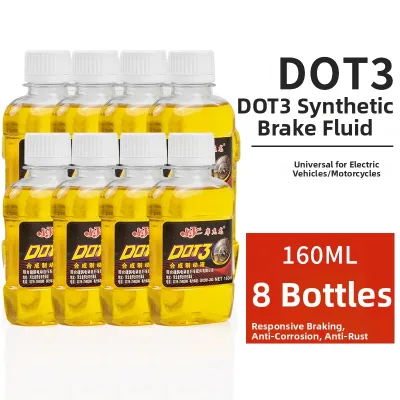
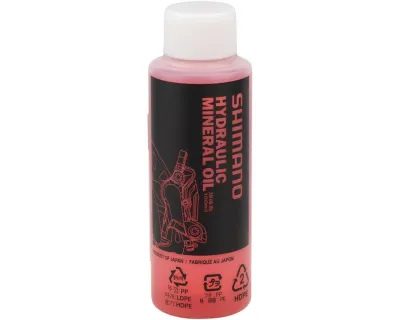
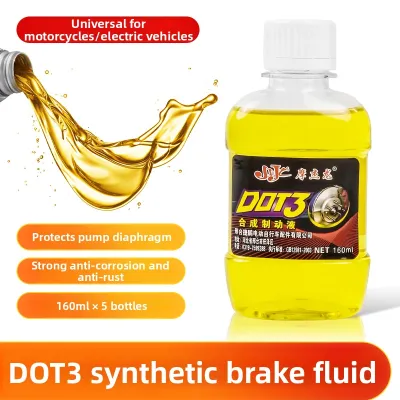
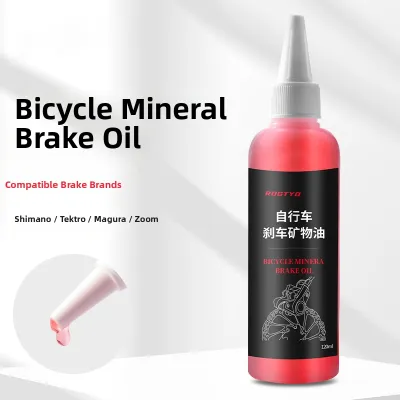
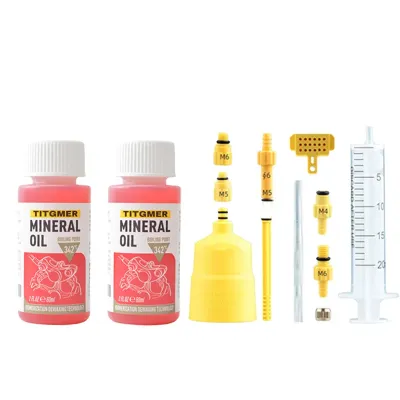
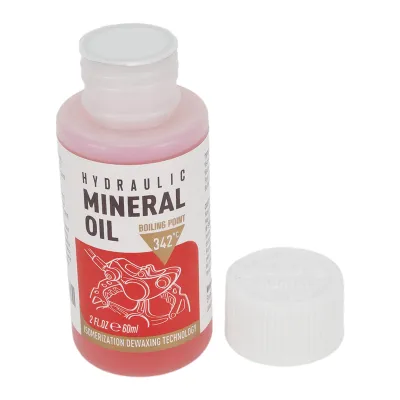
Prices are valid at publication and may change. Please refer to the product page for the latest price.
It is crucial to distinguish between time-based and mileage-based replacement triggers. Unlike engine oil, which degrades primarily through mechanical shear and combustion byproducts during engine operation, brake fluid degrades simply by existing in a real-world environment. Because glycol-based fluids are highly hygroscopic, they continuously draw moisture through microscopic pores in rubber hoses, seals, and the reservoir cap vent. This process occurs whether the vehicle is driven daily or parked in a garage, making the elapsed time since the last flush a reliable indicator for replacement.
Environmental factors and driving habits also play a significant role in how quickly your brake fluid degrades. Operating a vehicle in high-humidity regions, such as Singapore’s tropical climate, accelerates the rate of moisture absorption through the system’s seals. Similarly, severe driving conditions—such as frequent stop-and-go city traffic, towing heavy loads, or navigating steep, hilly terrain—subject the braking system to intense thermal stress. Under these demanding conditions, the fluid experiences rapid heating and cooling cycles that can accelerate chemical breakdown, necessitating more frequent inspections and potential early replacement.
What Happens When Brake Fluid Degrades Over Time
The primary driver of brake fluid degradation is its hygroscopic nature, meaning it actively attracts and absorbs water from the air. Standard glycol-based formulations, including DOT 3, DOT 4, and DOT 5.1, are chemically designed to absorb water rather than let it pool. While this prevents immediate localized rust, the overall water content steadily rises over time, eventually altering the fluid’s physical properties. Once the moisture level exceeds a safe threshold, the physical properties of the fluid change dramatically.

As moisture content increases, the boiling point of the brake fluid drops. New fluid has a high “dry boiling point” to withstand the extreme heat of braking friction. However, as water enters, the lower “wet boiling point” becomes the active limit. During heavy braking, the heat transferred to the calipers can exceed this limit, vaporizing the water into gas bubbles.
This vaporization leads to vapor lock. Because gas is highly compressible compared to liquid, pressing the pedal compresses the steam bubbles instead of transferring hydraulic force to the brake pads. This results in a sudden loss of braking power, known as brake fade, where the pedal sinks to the floor without slowing the vehicle. This phenomenon is particularly hazardous during emergency stops or when descending long declines where constant braking is required.
Beyond brake fade, accumulated moisture causes severe internal corrosion. Brake fluid contains chemical inhibitors to protect metal components, but these deplete over time. Once exhausted, water reacts with steel brake lines, aluminum calipers, and cast-iron master cylinders. The resulting rust and debris can clog tiny orifices, damage rubber seals, and ruin sensitive ABS modulators, leading to repairs that can cost hundreds of dollars (S$).
Warning Signs That Your Brake Fluid Needs Changing
A simple visual inspection of the master cylinder reservoir is a practical starting point to check your fluid’s condition. Fresh brake fluid is typically clear with a light amber tint. As it ages, absorbs moisture, and accumulates debris from wearing seals, it darkens to a deep brown or black color. Cloudy, muddy, or dark fluid indicates that a complete system flush is overdue.
For a more precise assessment, automotive technicians use specialized testing tools to measure the actual moisture content of the fluid. Electronic conductivity testers estimate water levels by measuring how easily an electrical current passes through the fluid, while chemical moisture test strips change color to indicate the percentage of water present. A moisture content of 1% to 2% is generally considered acceptable, but once the reading reaches 3% or higher, the fluid’s boiling point has degraded to a critical level, and immediate replacement is required.
Pay close attention to physical changes in how your vehicle responds when you apply the brakes. If the pedal feels unusually soft, spongy, or requires you to press it closer to the floorboard before the brakes engage, air or vapor is likely present. Any noticeable increase in stopping distance or a change in pedal resistance warrants an immediate inspection of the hydraulic system.
Safety Boundaries for Brake Fluid Maintenance and Replacement
Adhering to strict safety boundaries is paramount when selecting replacement fluids. Always verify the exact fluid specification required for your vehicle, typically stamped on the reservoir cap or detailed in the owner’s manual. Mixing incompatible fluid types, such as adding silicone-based DOT 5 to a system designed for glycol-based DOT 4, can destroy internal rubber seals, leading to rapid leaks and complete brake failure. Additionally, brake fluid is highly corrosive to painted surfaces and plastics; always handle it with care and clean any accidental spills immediately according to the product label instructions.
Replacing brake fluid—commonly referred to as bleeding the brakes—carries significant safety risks if performed incorrectly. Improper bleeding can introduce air pockets into the hydraulic lines, preventing the system from building the pressure needed to stop. Modern vehicles with complex ABS or electronic stability systems often require specialized scan tools to cycle internal valves and purge trapped air during a fluid change.
Because of these complexities, major hydraulic work should be approached with caution. While basic fluid level checks are simple, a complete system flush or any work involving the disassembly of calipers, lines, or the master cylinder should be performed by a qualified professional. If you observe leaks, warning lights, or a spongy pedal feel, consult a certified mechanic immediately to ensure the system is safe.
Frequently Asked Questions (FAQ)
Can I mix different types or brands of brake fluid?
You should never mix different types of brake fluid unless they are explicitly certified as compatible by the manufacturer. While glycol-based fluids like DOT 3, DOT 4, and DOT 5.1 can sometimes be mixed in emergencies, doing so can alter the boiling point and viscosity, potentially affecting your braking performance. Silicone-based DOT 5 must never be mixed with any other fluid type, as it will cause immediate chemical incompatibility and seal damage. Always check your vehicle documentation to match the exact specification required.
Does driving less mean I can wait longer to change the fluid?
No, driving less does not extend the life of your brake fluid. Moisture absorption is a continuous, time-dependent chemical process that occurs regardless of how often or how far the vehicle is driven. Even a car parked in a garage will steadily absorb humidity from the air through the system’s seals and vents. To protect your hydraulic components from internal corrosion and maintain safety, you must adhere to the manufacturer’s recommended time-based intervals, typically every two to three years.
Is a brake fluid flush different from a standard replacement?
Yes, a complete brake fluid flush is much more comprehensive than a simple reservoir replacement or top-up. A standard replacement or top-up only addresses the fluid inside the master cylinder reservoir, leaving old, contaminated fluid and moisture trapped inside the brake lines, calipers, and ABS components. A full flush involves forcing pressurized fresh fluid through the entire hydraulic circuit until all old fluid, air bubbles, and contaminants are completely purged from every wheel cylinder and caliper.
Community discussion
Share your experience or ask a question. Comments are reviewed before publication.