
Maintaining your vehicle’s braking system is fundamental to road safety, and the condition of your brake fluid plays a critical role in this system. Generally, automotive manufacturers recommend replacing brake fluid every two to three years, but this interval can vary significantly based on your vehicle’s make, model, and local driving conditions. Recognizing the physical and visual warning signs of degraded fluid is equally vital, as contaminated fluid directly compromises your stopping power.
Brake fluid operates under high pressure and extreme temperatures to transfer the force of your foot on the pedal directly to the brake pads. Over time, however, this vital fluid degrades, absorbs moisture, and becomes contaminated with microscopic debris. Understanding when to schedule a replacement ensures your vehicle remains safe, responsive, and reliable on the road.
How to Determine Your Brake Fluid Replacement Interval
To establish a reliable maintenance schedule, your primary resource should always be the vehicle owner’s manual. Manufacturers specify exact service intervals based on the engineering of the braking system and the specific type of fluid required, such as DOT 3, DOT 4, or DOT 5.1. Adhering to these original equipment manufacturer (OEM) guidelines prevents premature wear of internal components and maintains system compatibility.
Products mentioned in this guide
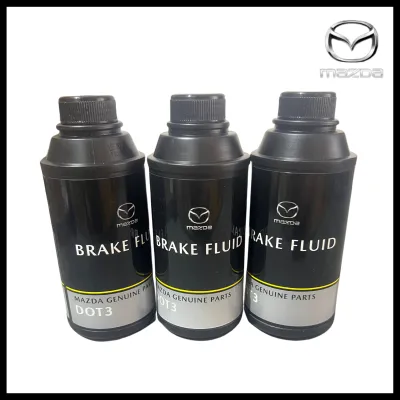
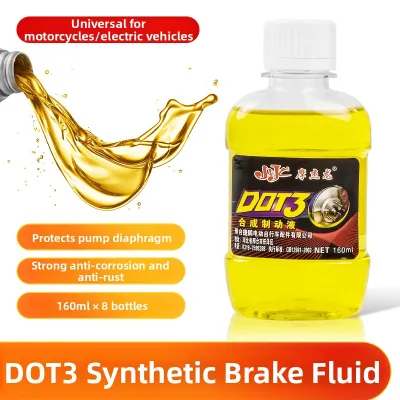
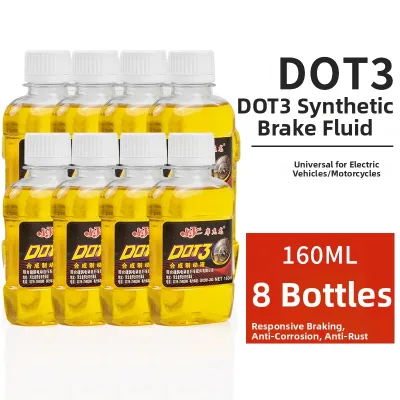
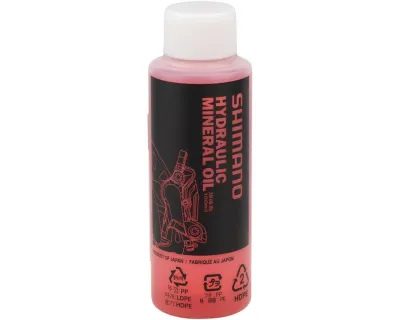
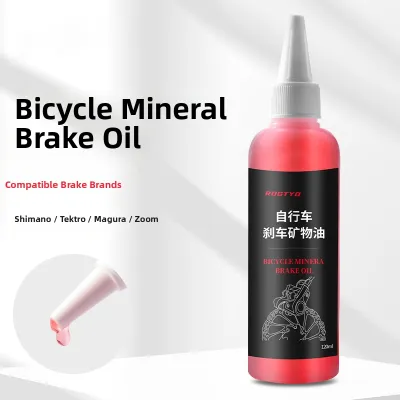
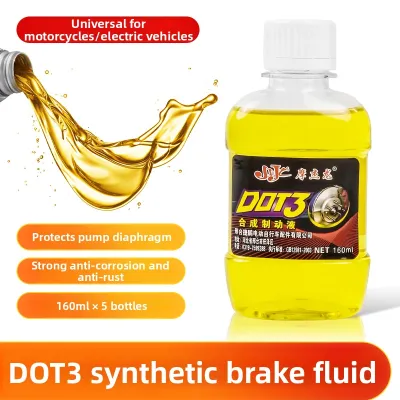
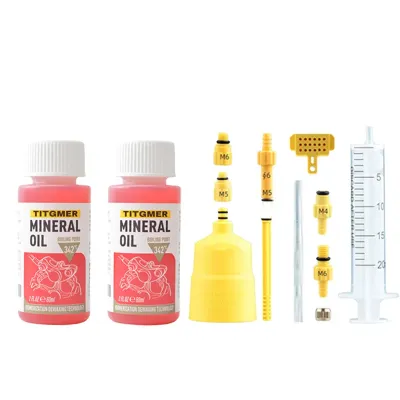
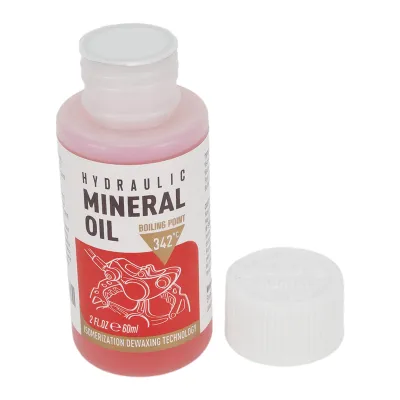
Prices are valid at publication and may change. Please refer to the product page for the latest price.
If you have recently purchased a pre-owned vehicle and lack a complete maintenance history, reviewing past service records is an essential first step. When records are unavailable or incomplete, establishing a new baseline by flushing and replacing the fluid is the safest course of action. This eliminates any uncertainty regarding the age and condition of the existing fluid.
Environmental factors and driving habits also play a significant role in how quickly your brake fluid degrades. In regions with high humidity, such as Singapore’s tropical climate, the rate of moisture absorption through rubber hoses and seals increases significantly. Similarly, frequent stop-and-go city driving or driving in hilly terrain subjects the braking system to higher operating temperatures, which can accelerate the breakdown of the fluid’s chemical properties. Adjusting your replacement schedule to account for these demanding conditions is a prudent safety measure.
Warning Signs That Your Brake Fluid Needs Immediate Replacement
One of the most immediate indicators of compromised brake fluid is a noticeable change in the feel of your brake pedal. If the pedal feels spongy, soft, or sinks slowly toward the floorboard when pressed, it often indicates that moisture or air has entered the brake lines. Because liquids do not compress but gases do, any moisture that has boiled into vapor within the lines will compress under pressure, resulting in a weak and unresponsive pedal.

Visual inspection of the fluid can also reveal significant degradation. Fresh brake fluid is typically clear with a light amber or yellow tint. As it ages and accumulates moisture, dirt, and tiny particles worn from rubber seals, it gradually darkens. If you observe fluid that has turned dark brown or black, it is highly contaminated and requires an immediate flush to prevent damage to the braking system.
The illumination of the brake warning light or the Anti-lock Braking System (ABS) light on your dashboard should never be ignored. While these lights can indicate various issues, a low fluid level or pressure variance caused by degraded fluid is a common trigger that warrants immediate investigation.
Ultimately, any noticeable decrease in overall braking performance or an unexpected increase in stopping distances demands urgent attention. If your vehicle requires more effort to bring to a complete stop, or if you experience brake fade—a temporary reduction in braking force during prolonged braking—the fluid’s integrity has likely been compromised. Continuing to drive under these conditions poses a severe safety risk.
How to Inspect Your Brake Fluid at Home
Conducting a preliminary visual check of your brake fluid is a straightforward task that you can perform safely at home. Begin by locating the master cylinder reservoir under the hood, which is typically mounted on the driver’s side firewall. Before removing the reservoir cap, it is critical to clean the exterior of the cap and the surrounding area thoroughly. This simple step prevents dirt, dust, and moisture from falling into the reservoir and contaminating the clean fluid inside.
Once the area is clean, observe the fluid level through the translucent plastic walls of the reservoir. The fluid level should sit comfortably between the clearly marked “MIN” (minimum) and “MAX” (maximum) indicators. If the level is low, do not simply top it off without investigating further, as a low level can indicate worn brake pads or a leak in the system. If you must add fluid, ensure you use a fresh, sealed container of the exact type specified by your vehicle manufacturer, and avoid overfilling.
When handling brake fluid, safety precautions are paramount. Glycol-based brake fluids are highly corrosive and can quickly damage your vehicle’s paintwork if spilled; always keep a clean rag nearby and wash any accidental spills immediately with copious amounts of water. Additionally, wear protective gloves and safety glasses to prevent skin and eye irritation, and keep the reservoir cap off for the shortest time possible to minimize the fluid’s exposure to atmospheric moisture.
Why Timely Brake Fluid Replacement Matters for Safety
The primary reason brake fluid requires periodic replacement lies in its chemical composition. Most conventional brake fluids are glycol-based, meaning they are hygroscopic substances that naturally attract and absorb moisture from the surrounding air. Even in a sealed braking system, microscopic amounts of moisture slowly permeate through rubber hoses, seals, and joints over time.
As moisture content within the fluid increases, the boiling point of the fluid drops significantly. Under normal driving conditions, this may not cause immediate issues, but heavy or prolonged braking generates intense heat at the brake calipers. If the fluid’s boiling point has been lowered by water contamination, the heat can cause the water to boil and turn into steam. This phenomenon, known as vapor lock, introduces highly compressible gas into the brake lines, which can lead to a sudden and catastrophic loss of braking pressure.
Beyond the immediate risk of brake failure, moisture contamination causes long-term corrosion within the braking system. Water reacts with the metal components of the master cylinder, calipers, and the intricate valves of the ABS module, leading to rust and internal pitting. Replacing these corroded components is far more complex and expensive than performing regular fluid flushes, making preventive maintenance a highly cost-effective practice.
Professional Replacement vs. DIY: What You Need to Know
Deciding whether to replace your brake fluid yourself or hire a professional depends largely on your mechanical experience and the tools at your disposal. Flushing and bleeding a brake system is a precise procedure that requires purging every trace of air from the lines. If air is trapped in the system during a DIY attempt, the brakes will not function correctly, creating an immediate safety hazard.
The process typically requires specialized tools, including a bleeder wrench, clear vinyl tubing, and potentially a pressure bleeder kit. There is also a risk of damaging fragile components, such as rusting bleeder valves, which can easily snap off. Furthermore, modern vehicles equipped with advanced ABS and electronic stability control systems often require specialized diagnostic scan tools to cycle the internal solenoids and valves during a fluid flush. Without these tools, old fluid and air can remain trapped inside the ABS module, making professional service highly recommended.
Finally, environmental responsibility must be considered. Used brake fluid is classified as hazardous waste and cannot be disposed of in household trash or poured down domestic drains. Professional workshops have established systems for the safe collection and recycling of automotive fluids, ensuring compliance with local environmental regulations.
Frequently Asked Questions (FAQ)
Can I mix different types or brands of brake fluid?
You should never mix different chemical bases, such as glycol-based fluids (DOT 3, DOT 4, and DOT 5.1) with silicone-based fluids (DOT 5). Mixing these incompatible fluids will cause them to chemically react, leading to gel formation, seal failure, and complete brake system malfunction. Even within glycol-based fluids, mixing different DOT ratings is generally discouraged unless specified as compatible by the manufacturer, as it can alter the boiling point and viscosity. Always stick to the specific fluid type recommended in your owner’s manual.
Does low brake fluid mean I have a leak?
A drop in brake fluid level does not automatically indicate a leak, but it always requires investigation. As your brake pads wear down over time, the caliper pistons must extend further to push the pads against the rotors. This displacement draws more fluid out of the reservoir and into the lines, causing the reservoir level to drop gradually. However, a sudden, rapid, or significant drop in fluid level is a strong indicator of a leak in the master cylinder, calipers, hoses, or connections. If you suspect a leak, do not drive the vehicle; have it inspected by a professional immediately.
Community discussion
Share your experience or ask a question. Comments are reviewed before publication.