
Selecting the right motorcycle security system is not a matter of finding a single, universally superior lock. Instead, the ideal choice depends on your specific parking environment, daily riding habits, and the physical constraints of your motorcycle. A security solution that works perfectly for a rider with a private, enclosed garage will not offer the same utility or protection to a daily commuter parking on busy public streets.
To establish a baseline, motorcycle security options generally fall into three distinct categories, each serving a different protective role. Wheel chocks are designed for permanent, bolted-down parking in private garages or dedicated storage units, focusing on maximum physical stability and localized immobilization. Disc brake locks are engineered for daily commuting, offering high portability and quick deployment to prevent roll-away theft. U-locks provide a robust physical barrier that allows you to anchor the motorcycle directly to an immovable object, protecting against both roll-away and lift-away theft.
The core decision standard requires balancing physical theft deterrence against daily carrying convenience and parking space constraints. No lock is entirely indestructible, but the right security setup increases the time, noise, and effort required to compromise the system, thereby discouraging potential thieves. By evaluating how and where you park, you can determine which lock type—or combination of locks—is necessary to secure your motorcycle effectively.
Products mentioned in this guide
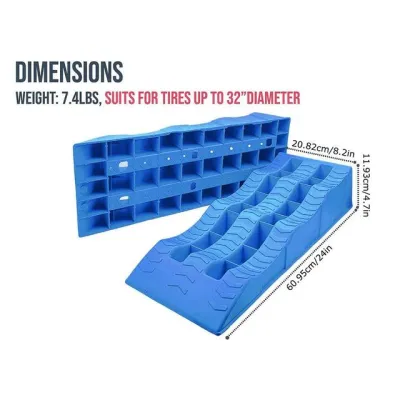
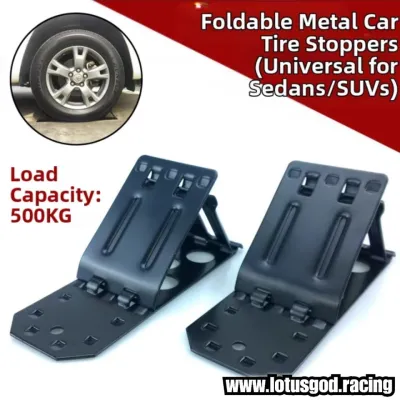
Prices are valid at publication and may change. Please refer to the product page for the latest price.
Understanding the Contenders: How Each Security Option Works
To make an informed choice, you must first understand the mechanical principles behind each security option and how they physically secure your motorcycle.
Wheel Chocks (Motorcycle Immobilizers)
A wheel chock is a heavy-duty metal frame designed to receive and secure the front or rear wheel of a motorcycle. The core mechanism relies on a pivoting cradle, often called a rocker. When you roll the motorcycle’s tire into the track, the cradle rotates forward under the weight of the bike, clamping the tire snugly and holding the motorcycle in a perfectly upright position.
Because they are designed to support the full weight of the motorcycle without a kickstand, wheel chocks are typically bolted directly to the floor. This installation requires heavy-duty expansion bolts or concrete anchors, making the chock a permanent fixture of a private garage, dedicated workshop, or transport trailer.
By keeping the motorcycle vertical, a wheel chock minimizes the physical footprint of the bike, making it highly useful for tight storage spaces. However, its primary security value is realized only when the frame is bolted down, preventing the motorcycle from being rolled backward out of the parking bay.
Disc Brake Locks
A disc brake lock is a compact security device that clamps directly onto the motorcycle’s brake rotor. The mechanical design features a hardened steel pin that passes through one of the existing ventilation holes or slots in the disc brake rotor, securing the lock body in place.
Once locked, the device physically prevents the wheel from rotating fully. If someone attempts to roll the motorcycle forward or backward, the lock body immediately strikes the front fork leg or the rear brake caliper assembly, stopping the wheel’s motion and preventing the bike from being ridden or pushed away.
These locks are highly favored for their pocket-sized design, allowing them to be carried easily in a jacket, backpack, or under-seat storage compartment. However, their physical limitation is clear: because they do not anchor the motorcycle to an immovable object, they cannot prevent a group of thieves from lifting the entire bike into a van or flatbed truck.
U-Locks (D-Locks)
A U-lock, also known as a D-lock, consists of a rigid, U-shaped steel shackle that locks into a straight, heavy-duty crossbar. The lock is applied by looping the shackle through a secure part of the motorcycle—such as the wheel spokes, the swingarm, or the frame—and then around a solid, permanent anchor point.
This anchoring capability is the primary strength of the U-lock. By physically coupling the motorcycle to an immovable structure like a ground anchor, structural pillar, or heavy metal railing, the lock prevents both roll-away and lift-away theft. A thief cannot simply lift the bike into a vehicle without first cutting through the hardened steel shackle.
The trade-off for this high level of security is physical bulk and weight. U-locks are heavy, rigid, and often difficult to transport without a dedicated mounting bracket, a tail bag, or a top box, which can influence how convenient they are for quick stops during a daily commute.
Key Comparison Dimensions for Motorcycle Security
To determine which lock fits your routine, you must compare them across three practical dimensions: security level, portability, and the constraints of your physical parking environment.

Security Level and Theft Deterrence
Different locks protect against different theft methodologies. Opportunistic theft typically involves a thief pushing a motorcycle away to a quiet location to bypass the ignition. Disc brake locks are highly effective against this scenario, as they instantly halt any rolling motion.
Professional theft often involves organized groups using vans or lorries to lift unsecured motorcycles off the street in seconds. In this scenario, a disc brake lock offers no protection, as the bike can be lifted directly into a vehicle and the lock cut off later in a secure location. U-locks directly counter this threat by anchoring the bike to the ground, forcing thieves to use noisy, high-visibility power tools like angle grinders on the street to free the motorcycle.
Bolted-down wheel chocks offer exceptional security for stationary home storage. When a motorcycle is locked into a bolted chock, it cannot be easily maneuvered or lifted without dismantling the chock itself. However, because they cannot be transported, their security value is entirely limited to your primary parking spot.
When evaluating any of these options, avoid relying solely on marketing terms such as “unbreakable” or “heavy-duty.” Instead, check the product packaging for independent security certification labels from recognized testing houses, such as Sold Secure (Motorcycle Gold or Diamond ratings) or ART (Class 4 or 5). These certifications verify that the lock has undergone standardized physical attacks using manual and power tools.
Portability and Daily Convenience
Portability directly affects how consistently you will use your security system. A disc brake lock is the undisputed leader in daily convenience. It weighs very little, fits into almost any small storage space, and can be applied or removed in seconds.
Because disc locks are small and low-profile, they are easy to forget. Attempting to ride off with a disc lock engaged can cause severe damage to your front forks, brake calipers, and brake rotors, or even cause a fall. For this reason, disc locks are commonly paired with a bright, coiled reminder cable that stretches from the lock to the handlebar, serving as a highly visible warning to the rider.
U-locks require a much higher level of commitment. They are heavy and rigid, meaning they cannot be slipped into a pocket. Carrying a heavy steel lock in a backpack can cause rider fatigue and poses a safety risk to your spine in the event of an accident. Applying a U-lock also requires crouching down and maneuvering the heavy shackle through dirty wheels and around physical obstacles, which can be inconvenient in bad weather.
Wheel chocks require zero daily carrying convenience because they remain permanently installed at your home parking spot. The convenience is entirely stationary: you simply roll the bike into the chock when you arrive home, and the bike is instantly stabilized and held upright.
Parking Environment and Space Requirements
Your physical surroundings dictate which locks are physically viable. In dense urban environments, such as Housing & Development Board (HDB) multi-storey car parks or public street parking in Singapore, parking lots are often highly constrained and tightly packed.
In these narrow public bays, finding a suitable, solid anchor point for a U-lock can be extremely difficult. Many public parking spaces do not feature ground anchors or accessible railings. Furthermore, maneuvering a large, rigid U-lock between closely parked motorcycles without scratching adjacent vehicles can be highly challenging. In these situations, a disc brake lock is often the only practical physical deterrent available.
Conversely, if you park in an open public space with no structural pillars or railings, a U-lock cannot be anchored, reducing its effectiveness to that of a heavy disc lock. In this scenario, you are carrying extra weight without gaining the benefit of lift-away protection.
For private landed properties, dedicated residential garages, or secure individual parking bays, a wheel chock is highly practical. It requires a stable, flat concrete surface for installation. The floor space footprint must be carefully measured to ensure the chock does not block walkways or prevent garage doors from closing once the motorcycle is parked.
Decision Framework: Matching the Lock to Your Situation
To choose the correct security setup, match your specific parking scenario and riding habits to the profiles outlined below.
- Choose a Wheel Chock if: You have a private garage, a dedicated parking shed, or a long-term storage space where you have explicit permission to bolt hardware into the concrete floor. It is ideal if you want to keep your motorcycle stable, upright, and highly secure at home without relying on a side stand, which can save valuable floor space.
- Choose a Disc Brake Lock if: You are a daily commuter who parks in various public locations where anchor points are unavailable. It is the best choice if you prioritize maximum portability, need a lock that fits under your seat, and primarily want to prevent opportunistic roll-away theft during short stops.
- Choose a U-Lock if: You regularly park in high-risk public areas, have consistent access to solid, immovable anchor points (such as dedicated ground anchors or heavy structural steel), and do not mind carrying the physical weight of a heavy shackle to prevent lift-away theft.
- Consider a Combination if: Your daily routine involves distinct parking phases. For example, you can install a bolted wheel chock in your private home garage for maximum overnight security, and carry a compact disc brake lock in your jacket pocket for quick, opportunistic protection when running errands during the day.
- Verify first if: You are unsure about your parking surface material, your local building regulations, or the physical dimensions of your motorcycle's brake rotors before purchasing any security hardware.
Essential Features to Verify Before Buying
Before purchasing any motorcycle security hardware, you must verify specific dimensions, materials, and compliance factors to ensure the product is compatible with your bike and your parking location.
For Disc Locks
- Pin Diameter: Measure the diameter of the ventilation holes or slots in your motorcycle's brake rotor. Common disc lock pin sizes range from 5mm to 14mm. A pin that is too thick will not fit through the rotor holes, while a pin that is too thin may allow excessive movement, reducing security.
- Rotor Clearance: Check the throat depth of the lock to ensure it can reach the ventilation holes from the edge of the brake disc.
- Practical Additions: Look for locks that include a high-visibility reminder cable, a weather-resistant keyway cover to prevent dust and water from fouling the lock cylinder, and a dedicated carrying pouch.
For U-Locks
- Shackle Thickness: Look for a shackle thickness of at least 16mm. Hardened steel of this thickness generally requires hydraulic cutting equipment or an angle grinder to defeat, resisting manual bolt cutters.
- Internal Dimensions: Measure the clearance (width and length) of the U-shackle. It must be wide enough to span your motorcycle's wheel or frame, yet tight enough to limit the space available for a thief to insert bottle jacks or prying tools.
- Protective Coatings: Ensure the shackle is wrapped in a durable rubber, silicone, or nylon sleeve to protect your motorcycle's paint, rims, and swingarm from scratches during daily application.
For Wheel Chocks
- Tire Width Compatibility: Verify that the chock's pivoting cradle and side plates are rated for your specific front tire width (e.g., matching a standard 120mm front tire). A cradle that is too wide will not stabilize the bike, while one that is too narrow will pinch or damage the tire sidewall.
- Hardware and Floor Material: Ensure the included mounting hardware is compatible with your floor material (typically concrete). Installing a chock on asphalt or wooden decking requires specialized anchoring hardware.
Compliance and Safety Boundary
Always verify local housing, municipal, or building management regulations before undertaking any installation. In Singapore, drilling into shared, public, or rented garage floors—such as those managed by HDB Town Councils or private condominium Management Corporation Strata Titles (MCST)—is strictly prohibited.
Drilling into these surfaces can breach structural waterproofing membranes, leading to water ingress in lower levels, and may violate your tenancy agreement or local bylaws. If drilling is prohibited, you must use a free-standing wheel chock model or rely on alternative mobile security devices.
Additionally, always consult your motorcycle’s owner manual for specific guidelines regarding wheel dimensions, brake clearances, and tie-down points before installing or using heavy security hardware to avoid accidental mechanical damage.
Frequently Asked Questions (FAQ)
Can I use a disc brake lock and a U-lock at the same time?
Yes, layering different types of locks is a highly effective way to increase security. Using both a disc brake lock and a U-lock forces a thief to bypass two distinct locking mechanisms, which significantly increases the time, noise, and variety of tools required to steal the motorcycle.
However, the primary trade-off is daily convenience and physical weight. Carrying and applying two separate, heavy locks during every short stop can be physically demanding. This layered approach is generally most practical for long-term parking in high-risk areas or overnight storage rather than quick, daily commuting stops.
Do wheel chocks damage the motorcycle tire or suspension?
When properly sized and adjusted, a high-quality wheel chock will not damage your motorcycle’s tire or suspension. Unlike tie-down straps, which can compress the front forks and put continuous pressure on the fork seals during long-term storage, a wheel chock supports the bike upright by holding the front wheel securely without compressing the suspension.
However, leaving a motorcycle parked in a static position inside a wheel chock for months at a time can lead to flat spots on the tire tread. To prevent this, check your motorcycle manufacturer’s guidelines for long-term storage, maintain correct tire inflation pressures, and periodically roll the bike forward or backward slightly to alter the tire contact patch.
Are alarm-equipped disc locks worth the extra maintenance?
Alarm-equipped disc locks provide a valuable layer of acoustic deterrence. The built-in motion sensors detect movement or vibration, triggering a loud siren (typically 100dB to 120dB) that draws immediate attention to the motorcycle and deters opportunistic thieves.
However, they require regular maintenance. In highly humid and rainy tropical climates, like Singapore, you must ensure the lock has a high waterproof rating (such as IP67) to prevent water ingress from short-circuiting the electronics. Additionally, you must monitor battery life regularly and adjust the sensor sensitivity settings to prevent frustrating false alarms triggered by heavy rain, thunder, strong winds, or vibrations from passing heavy vehicles.
Community discussion
Share your experience or ask a question. Comments are reviewed before publication.