
Upgrading the welcome lights—often referred to as puddle lights or logo projectors—on your Mercedes-Benz CLA C118 is an excellent way to personalize your vehicle while adding practical nighttime illumination. When you open the door of your C118, a crisp, bright projection onto the ground elevates the premium feel of the cabin entry and helps you spot puddles, debris, or uneven pavement in dark parking areas. However, finding the right aftermarket LED projection modules requires more than just picking an appealing design. You must carefully evaluate physical fitment, electrical compatibility, optical projection quality, and weather resistance to ensure a safe, long-lasting upgrade that integrates seamlessly with your vehicle’s sophisticated electrical architecture.
To make a successful purchase, you need to understand the technical specifications of your vehicle’s existing lighting housings and the electrical limitations of the onboard computer systems. This guide outlines the essential evaluation criteria and safety boundaries to consider before purchasing aftermarket welcome lights, helping you build a reliable shortlist that protects your automotive investment.
Understanding Compatibility and Fitment for the C118
The Mercedes-Benz CLA C118, introduced for the 2020 model year and updated with a mid-cycle facelift, features specific door panel designs and side mirror assemblies that dictate the type of welcome lights you can install. Before purchasing any aftermarket LED module, you must verify whether the product is designed for the door-bottom puddle lights or the side mirror housings. These two locations use entirely different physical shapes, mounting tabs, and electrical connectors, meaning a module designed for one position cannot be adapted to the other.
Products mentioned in this guide
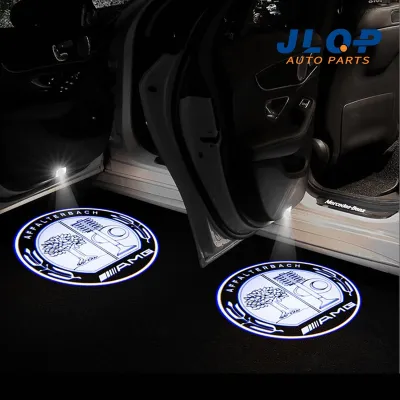

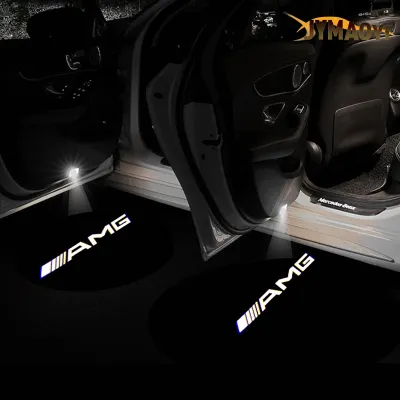
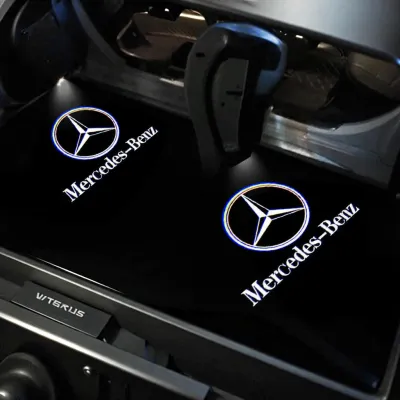
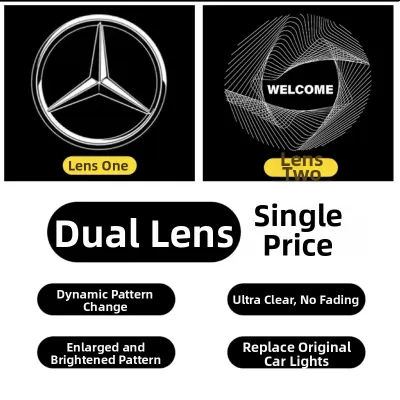
Prices are valid at publication and may change. Please refer to the product page for the latest price.
For door-bottom welcome lights, the physical housing of the aftermarket unit must match the exact dimensions of the factory-installed light. Even within the C118 generation, trim levels such as the Progressive Line, AMG Line, or full AMG models like the CLA 35 and CLA 45 may feature subtle differences in door card designs or lighting packages. Some base models may not have active puddle lights installed from the factory, instead featuring a non-reflective plastic cap. If your vehicle has a dummy cap rather than an active light, a simple plug-and-play module will not work without installing a dedicated wiring harness and potentially enabling the power source via the vehicle’s software.
To ensure physical compatibility, remove one of your existing door lights using a plastic trim tool and measure its length, width, and depth. Compare these measurements, along with the configuration of the plastic retaining clips, to the technical drawings provided by the aftermarket manufacturer. Additionally, inspect the electrical connector. Mercedes-Benz vehicles typically use proprietary multi-pin connectors, and the aftermarket unit must feature an identical male terminal to plug directly into the factory female harness without loose connections that could cause flickering or short circuits.
Evaluating Light Source, Brightness, and Projection Quality
The visual appeal of a welcome light depends heavily on the quality of its internal light source and optical lenses. Most aftermarket welcome lights utilize Light Emitting Diodes (LEDs) as their primary light source, but the type of LED chip and the lens assembly used can vary significantly. High-quality modules typically employ high-power Surface Mounted Device (SMD) chips or Chip-on-Board (COB) arrays that offer high brightness with relatively low power consumption and controlled heat generation.

A critical component of logo-projecting welcome lights is the film or slide that creates the image, such as the Mercedes-Benz star or AMG crest. Lower-end units often use cheap plastic or acrylic film slides. Over time, the intense heat generated by the LED chip can cause these plastic slides to warp, fade, or turn yellow, resulting in a blurry, distorted, or discolored projection on the ground. For long-term clarity, look for projection modules that utilize quartz glass lenses and high-definition glass slides. Glass components resist thermal degradation, ensuring the projected image remains sharp, colorful, and free from distortion even after years of daily use.
When evaluating brightness, pay attention to the color temperature and lumen output. A color temperature of around 6000K to 6500K provides a clean, cool white light that matches the factory LED headlights and ambient lighting of the C118. Avoid excessively high lumen ratings that could cause blinding glare when stepping out of the vehicle or draw too much current from the door control module. The goal is a balanced, crisp projection that clearly illuminates the ground immediately beneath the door without spilling excessive light outward.
Installation Methods and Electrical Safety
When upgrading any electrical component on a modern vehicle like the Mercedes-Benz CLA C118, safety must be your primary concern. The C118 relies on a highly sensitive Controller Area Network (CAN bus) system to monitor and control electrical currents throughout the vehicle. Installing aftermarket lights that do not match the factory electrical specifications can trigger dashboard error codes, cause the lights to flicker, or prompt the door control module to cut power to the circuit entirely to protect itself.
For a safe and straightforward upgrade, prioritize direct plug-and-play replacement modules. These units are designed to replace the factory housing entirely, plugging directly into the original wiring harness without any splicing, cutting, or modification of the vehicle’s factory wiring. Avoid universal welcome lights that require you to splice into the door lock or window regulator power lines, as improper wiring can compromise the vehicle’s electrical integrity, void warranties, or create a fire hazard.
Before beginning any installation work, always consult your vehicle’s owner’s manual for specific instructions regarding the electrical system. As a standard safety protocol, disconnect the vehicle’s negative battery terminal to eliminate the risk of short circuits or electrical shocks while handling the wiring harnesses. If you encounter any resistance when plugging in the new modules, if the connectors do not align perfectly, or if you notice any exposed or damaged wiring on the vehicle side, stop the installation immediately. In such cases, or if the dashboard displays bulb-out errors after installation, consult a qualified automotive electrician or a professional installer to diagnose and resolve the issue safely.
Build Quality, Weather Resistance, and Longevity
Welcome lights are positioned in areas highly exposed to environmental elements. Door-bottom lights face moisture, dirt, and road debris whenever the doors are opened, while side mirror puddle lights are constantly subjected to rain, wind, and car washes. Therefore, robust build quality and excellent weather sealing are non-negotiable requirements for these components.
Examine the housing material of the welcome light module. High-quality units are typically constructed from impact-resistant ABS plastic or polycarbonate, which can withstand the physical vibrations of doors slamming shut. Additionally, look for modules that incorporate an aluminum heatsink or backing plate. LEDs generate significant heat at the chip level, and efficient heat dissipation is crucial to preventing premature diode failure and maintaining consistent brightness over the light’s lifespan.
Weatherproofing is another vital factor, especially in tropical climates like Singapore, where heavy downpours and high humidity are common. Check the product specifications for an Ingress Protection (IP) rating. A rating of IP65 or higher indicates that the module is dust-tight and protected against water jets, ensuring that moisture cannot penetrate the housing and cause a short circuit or corrode the internal circuitry. Finally, review the manufacturer’s warranty terms and stated operational lifespan; a reputable manufacturer will stand behind their product with a clear warranty, providing peace of mind regarding the durability of the internal LED driver and projection components.
Building Your Shortlist: Key Specifications to Compare
To make an informed purchasing decision, compile a comparison shortlist of potential welcome light modules based on verified technical specifications rather than marketing claims. Create a simple matrix to evaluate each candidate against the specific requirements of your CLA C118.
Your comparison checklist should include the following key dimensions:
- Fitment Verification: Does the manufacturer explicitly state compatibility with the C118 chassis code, and do the physical dimensions and connector pins match your factory units?
- Lens and Slide Material: Does the unit use heat-resistant quartz glass lenses and glass slides, or does it rely on plastic components prone to fading?
- Electrical Integration: Is the module certified as CAN bus error-free, and is it a true plug-and-play installation?
- Environmental Protection: What is the IP rating of the housing, and does it feature an aluminum heatsink for thermal management?
- Seller Support: Does the seller offer a clear return policy, local customer support, and a solid warranty period for automotive electronics?
Avoid purchasing unbranded, extremely cheap units from generic online marketplaces that lack detailed specification sheets, safety certifications, or clear warranty terms. Investing in a well-documented, high-quality module ensures that your welcome lights will perform reliably, look premium, and protect your vehicle’s electrical system from damage. If you plan to have the units professionally fitted, ensure you budget for professional installation in S$ if your vehicle requires custom wiring or coding.
Frequently Asked Questions (FAQ)
Will installing aftermarket welcome lights void my Mercedes-Benz warranty?
In general, installing aftermarket welcome lights does not automatically void your entire vehicle warranty. Under standard consumer protection principles, a manufacturer cannot void a vehicle’s warranty simply because an aftermarket part is installed. However, if an aftermarket light module causes a short circuit, damages the door control module, or compromises the vehicle’s electrical system, any repairs required to fix that specific damage will not be covered under the factory warranty. To minimize risk, always choose high-quality, plug-and-play modules that match factory electrical specifications, and consider having them installed by a professional if you are uncomfortable performing electrical work yourself.
Do I need to code or program the new welcome lights to the car's system?
For standard plug-and-play welcome light replacements on a CLA C118 that already has active factory puddle lights, no software coding or programming is required. The vehicle’s system will recognize the new LED module as a standard bulb replacement, provided the module’s electrical resistance matches the factory specifications to prevent CAN bus errors. However, if your specific C118 trim did not come equipped with active door puddle lights from the factory (meaning you only have plastic reflectors), you will need to install a wiring harness and may need to have the door control modules coded by a specialist to activate power to those terminals. Always check the product description carefully to confirm if coding is noted as a requirement for your specific vehicle configuration.
Community discussion
Share your experience or ask a question. Comments are reviewed before publication.