
Choosing the right tools is just as important as selecting premium polishes or ceramic coatings when it comes to maintaining a vehicle’s finish. Among these tools, the humble microfiber cloth plays a critical role in preventing paint damage. In Singapore’s tropical climate, where intense sunlight quickly highlights every paint defect and frequent rain leaves stubborn water spots, car owners must be highly selective about their detailing gear. Finding a reputable rag company that supplies high-quality, automotive-grade microfiber is essential to protecting your vehicle’s clear coat from costly swirl marks and scratches.
Automotive paint is surprisingly delicate. Modern clear coats are thin and easily marred by abrasive particles, improper washing techniques, or low-grade towels. By understanding what separates professional-grade microfiber suppliers from generic bulk distributors, you can make informed purchasing decisions that keep your car’s exterior in pristine condition.
Why the Right Rag Company Matters for Paint Safety
Many car owners make the mistake of using generic household cleaning cloths for automotive detailing. While these cheap towels might look similar to specialized detailing cloths, they are manufactured under vastly different standards. Household rags are designed for durability on hard, non-porous surfaces like kitchen countertops or glass, where minor scratching is not a concern. Using these on soft automotive clear coats often leads to immediate marring, requiring expensive paint correction services that can cost hundreds of SGD.
Products mentioned in this guide
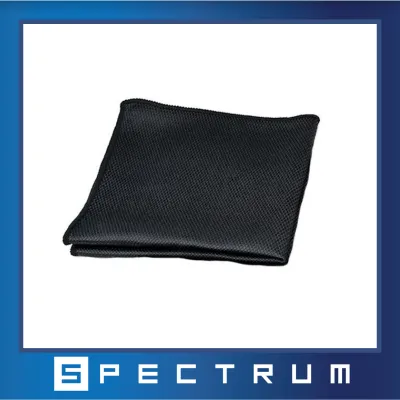
![[Pack of 25 Pieces] The Rag Company Edgeless 245 All-Purpose Terry Towel - 16 x 16 Inches](https://img.lazcdn.com/g/p/20e29dbf73978a70c9dcfb98b5c4c466.png_400x400q80.png_.webp)
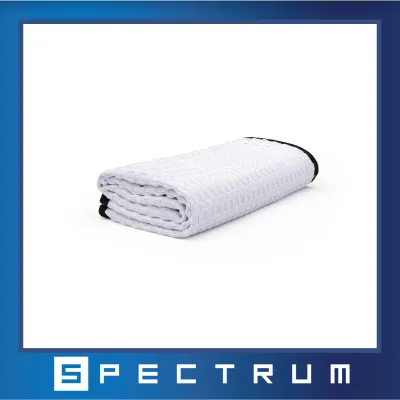
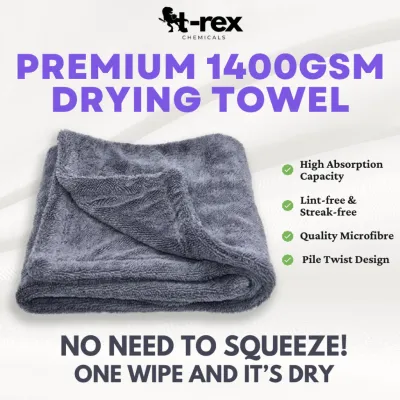
Prices are valid at publication and may change. Please refer to the product page for the latest price.
An experienced rag company understands that automotive detailing demands strict manufacturing quality control. Cheap, low-tier suppliers often use manufacturing processes that leave tiny defects in the fabric. These defects can include unmelted polyester beads—which act like microscopic plastic rocks—or uneven weaving that traps grit rather than lifting it away. When you wipe a vehicle with a substandard cloth, these hard spots drag across the paint, creating fine scratches known as swirl marks.
Evaluating a supplier based on paint safety, batch reliability, and automotive expertise is far more critical than simply chasing the lowest bulk price. A dedicated detailing supplier ensures that every fiber is optimized to lift, trap, and hold contaminants safely away from the paint surface. This level of safety is only possible when a brand prioritizes specialized manufacturing standards over cheap, high-volume production.
Key Material Specifications to Verify Before Buying
To identify high-quality microfiber, you must look past marketing buzzwords and examine the technical specifications of the fabric. A professional supplier will always provide clear, detailed information regarding the composition, density, and manufacturing process of their cloths.

Polyester to Polyamide Blend Ratios
Microfiber is typically made from a blend of polyester and polyamide. Polyester provides the structural strength, durability, and scrubbing power of the cloth, while polyamide provides exceptional water absorbency, softness, and capillary action. The most common blends you will encounter are 80/20 and 70/30.
An 80/20 blend (80% polyester, 20% polyamide) is highly durable and cost-effective, making it suitable for general cleaning, interior plastics, door jambs, and glass. However, for delicate paintwork, a 70/30 blend is highly recommended. The higher polyamide content makes the towel significantly softer and more absorbent, reducing the friction generated during wiping. Always check product labels or request exact blend ratios from your supplier to ensure you are getting the right material for your specific detailing task.
Grams per Square Meter (GSM)
GSM measures the density and weight of the microfiber cloth. Rather than searching for a single “best” GSM, you should match the density of the cloth to the specific detailing task at hand:
- Low GSM (200 to 300): These towels are thin, tight-weave, and highly durable. They are excellent for tasks that require scrubbing power rather than high absorbency, such as cleaning wheels, exhaust tips, engine bays, and dirty interior plastics.
- Medium GSM (300 to 400): This is the ideal all-purpose weight. These cloths offer a balanced pile height, making them perfect for removing compound or polish residues, wiping off wax, and cleaning leather upholstery.
- High GSM (400 to 600+): These are thick, plush towels designed for maximum absorbency and safety. They are best suited for waterless washing, quick detailing sprays, and final buffing. Their long fibers easily absorb liquids and pull light dust deep into the pile, away from the paint.
The Fiber Splitting Process
During manufacturing, high-quality microfiber is chemically treated to split the individual fibers, creating microscopic hook-like structures. These split fibers create a massive surface area and a powerful capillary action that traps dirt, dust, and moisture inside the cloth. Unsplit microfiber, which is commonly found in cheap household rags, merely pushes dirt and liquids across the surface.
To verify if a supplier’s cloths are properly split, you can perform two simple checks. First, pour a small droplet of water on a flat surface and place the cloth over it; a split microfiber will instantly suck up the water, while an unsplit cloth will push it around. Second, rub the dry cloth gently against the palm of your hand; split fibers will slightly catch on the microscopic ridges of your skin, giving a distinct “grippy” sensation.
Edge Construction and Scratch Prevention Features
The edges of a microfiber cloth are a common source of paint marring. Traditional sewing threads can harden over time, turning a soft towel into a potential hazard for delicate clear coats during the wiping process.
Edgeless and Ultrasonic-Cut Towels
For the ultimate in paint safety, look for edgeless towels. These cloths are cut using ultrasonic high-frequency sound waves that melt the fibers cleanly at the border, leaving a soft, precise edge without any hard plastic beads or threads. Ultrasonic-cut edgeless towels are the gold standard for final wipe-downs, ceramic coating leveling, and delicate paint correction steps where even the slightest friction could cause marring.
Banded Edges
If a towel requires a finished edge for structural durability—such as heavy-duty drying towels—the quality of the banding material is critical. Look for edges finished with soft silk, suede, or microfiber banding. These materials cover the raw edges and prevent fraying without introducing abrasive textures. Avoid traditional overlock stitching (serged edges) made from cheap polyester thread, as these threads easily collect dirt and harden after multiple wash cycles, posing a high risk of scratching.
Tag and Label Placement
Many cheap towels come with stiff, paper-like care tags sewn directly into the seam. These tags are highly abrasive and can easily scratch paint if they accidentally drag across the surface during use. A professional supplier will use tagless designs, place removable sticker labels on the towel, or print the care instructions directly onto the external packaging. If you do purchase towels with sewn-in tags, always cut them off completely before using the cloth on your vehicle.
Evaluating Brand Consistency and Product Specialization
When sourcing detailing towels, look beyond individual product listings and evaluate the operational standards of the brand itself. A reputable supplier demonstrates a commitment to consistency, education, and specialized product development.
Batch-to-Batch Consistency
Professional detailers and serious car enthusiasts rely on predictable performance from their tools. When you reorder a specific towel, it should feel, absorb, and perform exactly like the previous batch. High-quality brands maintain strict control over their dye lots, GSM tolerances, and edge stitching. Inconsistent manufacturing can lead to unexpected paint marring if a new batch of towels turns out to be stiffer or less absorbent than expected.
Task-Specific Product Lines
Avoid brands that offer a single, generic microfiber towel and claim it is suitable for every detailing task. A specialized supplier will offer a diverse range of weaves tailored to specific applications:
- Waffle Weave: Featuring a distinct dimpled pattern, these towels are designed specifically for glass cleaning, as they glide easily and leave a streak-free finish.
- Twist Loop Weave: These towels feature long, twisted loops of microfiber that absorb massive amounts of water, making them ideal for drying a vehicle quickly after a wash.
- Pearl Weave: A tight, low-pile weave that provides excellent bite, perfect for removing sticky ceramic coating residues or heavy polishes.
Quality Assurance and Care Guidance
A dedicated brand will always provide detailed care instructions to help you maximize the lifespan of your microfiber. Look for suppliers that offer clear pre-washing recommendations, lint-free guarantees, and guidance on proper washing temperatures and detergents. This level of support shows that the brand stands behind its products and wants to help you achieve the best possible results.
Red Flags to Avoid When Sourcing Detailing Towels
To protect your vehicle and your wallet, watch out for these common warning signs when shopping for microfiber cloths:
- Vague Product Descriptions: Avoid suppliers that use generic terms like "ultra-soft microfiber" without specifying the exact blend ratio, GSM, or edge construction. A lack of transparency usually indicates low-quality materials.
- Suspiciously Low Pricing: High-quality polyamide is expensive. If a supplier is selling large bulk packs of towels for a fraction of the market price (such as a pack of ten for under S$5), the cloths likely have a very low polyamide content, unsplit fibers, or poor quality control.
- One-Size-Fits-All Claims: Be skeptical of brands that claim their single towel type is perfect for drying, polishing, glass cleaning, and interior detailing. Each of these tasks requires different weaves and densities for safe, effective results.
- Poor Packaging Practices: Microfiber is highly electrostatic and acts like a magnet for airborne dust, dirt, and contaminants. If a supplier ships towels in flimsy, open, or unsealed packaging, the cloths may arrive contaminated with abrasive particles that can scratch your paint on the very first wipe.
Frequently Asked Questions (FAQ)
How should I wash new microfiber cloths before their first use?
Always wash new microfiber cloths before using them on your vehicle. This initial wash removes factory residues, loose lint, and excess dye that could bleed onto your car’s interior or paint. Wash them in warm water using a mild, liquid, dye-free detergent. Never use fabric softeners or bleach, as these chemicals coat the fibers and destroy their absorbent capillary structure. Air dry the towels in a clean, dust-free environment, or tumble dry them on a very low heat setting, as high heat can melt the polyester fibers and make them abrasive.
Can I use the same microfiber towel for wheels and car paint?
No, you should never use the same towel for both wheels and paintwork. Car wheels accumulate highly abrasive brake dust, road salt, and heavy grime. Even after a thorough wash, tiny metal particles from brake dust can remain embedded deep within the microfiber pile. If you use that same towel on your car’s paint, those trapped particles will act like sandpaper, causing severe scratching. Implement a strict color-coding system (for example, yellow for paint, blue for glass, and grey or black for wheels) to prevent cross-contamination.
How do I know when it is time to replace my detailing microfiber cloths?
Microfiber cloths eventually degrade over time. Watch for physical signs of wear, such as a noticeable loss of water absorbency, fibers that feel stiff or crunchy to the touch, or excessive linting during use. Stiff fibers are often a sign of heat damage or detergent buildup, meaning the cloth is no longer safe for delicate paint. When a towel is no longer soft enough for paintwork, do not throw it away immediately; instead, downgrade it to dirtier tasks such as cleaning engine bays, door jambs, wheels, or exhaust tips.
Community discussion
Share your experience or ask a question. Comments are reviewed before publication.