
To achieve a perfectly clear, streak-free finish on your car glass, you must look for a microfiber cloth specifically engineered for glass cleaning, characterized by a low-pile or flat weave (such as a waffle or smooth glass weave), a high-quality blend ratio of 70% polyester to 30% polyamide, and a weight of 300 to 400 grams per square meter (GSM). Standard household towels or plush detailing cloths often leave behind lint, smear oily road films, or fail to lift the stubborn haze that accumulates on the interior of automotive glass. Selecting the right cloth requires verifying these technical specifications on the packaging and matching the weave pattern to your specific cleaning task.
Why Standard Household Towels Fail on Auto Glass
Automotive glass presents unique cleaning challenges that differ significantly from household mirrors or windows. On a vehicle, glass is subjected to intense light refraction, varying viewing angles, and constant exposure to outdoor elements, making even the smallest smudge or streak highly visible and potentially hazardous during night driving or in heavy tropical downpours. The interior glass also accumulates a stubborn, oily haze caused by plasticizer off-gassing from dashboard materials, which standard cloths simply smear across the surface.
Using standard cotton towels or low-quality household cloths often worsens the problem by shedding lint and attracting static dust. Cotton fibers are relatively large and round, meaning they push dirt and moisture around rather than lifting them. Furthermore, rough household fibers can trap abrasive grit, leading to micro-scratches on delicate glass surfaces or aftermarket window tint films.
Products mentioned in this guide
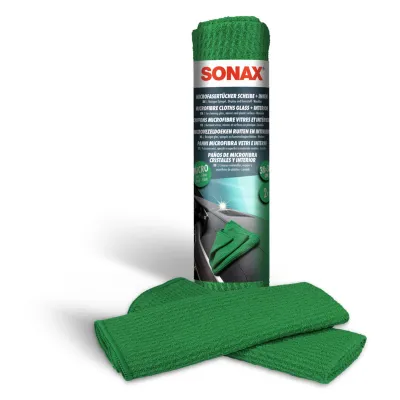
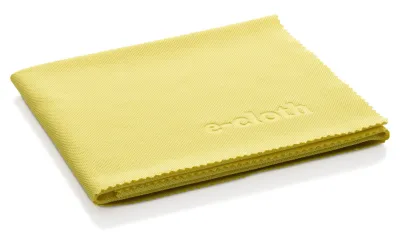
![[Bundle of 3] Microfiber Cleaning Cloth / Kitchen Cleaning Cloth / Glass & Mirror Cleaning Cloth / General Household Cleaning Cloth](https://img.lazcdn.com/g/p/12ed00526b783cf3d89c71ccca523803.jpg_400x400q80.jpg_.webp)
Prices are valid at publication and may change. Please refer to the product page for the latest price.
Dedicated microfiber cloths solve this problem through their split-fiber construction. During manufacturing, the polyester and polyamide fibers are chemically or mechanically split, creating millions of microscopic, wedge-shaped channels. These channels act like tiny hooks that physically grab, lift, and trap dust, grease, and road grime deep within the cloth, leaving a clean, dry surface behind without the need for aggressive scrubbing.
Key Specifications to Check on Microfiber Packaging
When shopping for a glass-specific microfiber cloth, the product packaging or specification sheet is your primary guide to quality. The first metric to evaluate is the fabric weight, measured in grams per square meter (GSM). For glass cleaning, a GSM range of 300 to 400 is generally ideal. This range balances the absorbency needed to wipe away liquid cleaners with the structural stiffness required to scrub away stubborn road film without leaving a damp, streak-inducing trail.

Next, check the fiber blend ratio, which is typically expressed as a percentage of polyester to polyamide. Polyester provides the scrubbing power and structural durability, while polyamide provides absorbency and static charge. A premium glass cloth usually features a 70/30 or 80/20 blend. A higher polyamide content (such as 30%) is highly desirable for glass because it increases the cloth’s ability to absorb water-based cleaners and trap oily residues effectively.
You should also verify that the packaging explicitly states the cloth uses split-fiber microfiber. Non-split microfiber, often found in cheap multi-packs at general retail stores, is soft but lacks the microscopic wedge structure necessary to grab contaminants. High-density, split-fiber construction ensures that the cloth can break down the oily film on the inside of your windscreen, which is especially important in humid climates where condensation can make interior haze even more apparent.
Weave Patterns and Edge Designs for Scratch Protection
The physical texture of the microfiber cloth determines how it interacts with the glass surface and any applied aftermarket window tints. Waffle weave cloths feature a distinct recessed grid pattern that increases surface area and allows the cloth to glide easily over glass. This design is highly effective for exterior glass cleaning, as the pockets in the weave trap larger dirt particles and absorb significant amounts of water without streaking.
For interior glass and final buffing, a smooth glass weave or a suede microfiber cloth is often preferred. These flat, ultra-low-pile weaves have virtually no loose fibers, eliminating the risk of linting entirely. They provide high surface contact, allowing you to buff away the final traces of cleaner and oily residue to achieve a crystal-clear finish. Suede microfiber is also exceptionally gentle on delicate aftermarket window tints, which are easily scratched by coarser fabrics.
Edge construction is another critical factor in preventing accidental damage to your vehicle’s surfaces. Look for edgeless microfiber cloths, which are laser-cut or ultra-sonically cut to eliminate hard stitched borders. If the cloth does have edges, ensure they are finished with a soft silk or microfiber band rather than rough polyester thread. Additionally, inspect the cloth for physical tags; choose tagless designs or carefully remove any paper or plastic labels before use, as these hard materials can easily scratch glass and surrounding trim during aggressive wiping.
Building a Streak-Free Glass Cleaning Setup
To maximize the performance of your chosen microfiber cloths, you should integrate them into a systematic cleaning routine. The most reliable method for a streak-free finish is the two-towel system. Start by lightly spraying an automotive glass cleaner onto a damp, low-pile microfiber cloth to wipe away the bulk of the dirt and grime. Immediately follow this with a completely dry, clean smooth-weave or waffle-weave cloth to buff the surface dry and remove any remaining moisture before it can evaporate and leave mineral spots.
When selecting a glass cleaner, always check the product label to ensure it is formulated specifically for automotive use and is ammonia-free. Ammonia-based household glass cleaners can damage aftermarket window tints, degrade rubber weatherstripping, and dry out plastic trim over time. Verify the manufacturer’s instructions for compatibility with your specific window tint brand or glass coatings before application.
Environmental conditions also play a major role in your cleaning success. Avoid cleaning your car glass in direct sunlight or when the glass is hot to the touch, such as after parking in an open lot. High temperatures cause the glass cleaner to evaporate too quickly, leaving behind chemical residues and streaks before you have a chance to buff them dry. Work in a shaded, cool area to allow the cleaner sufficient dwell time to dissolve contaminants.
Washing and Maintaining Your Glass Cloths
Proper maintenance is essential to preserve the unique properties of your microfiber glass cloths and prevent cross-contamination. Always wash your glass cloths separately from towels used for dirty tasks like cleaning wheels, engine bays, or door jambs. Mixing these cloths can transfer heavy grease, brake dust, and abrasive grit into the delicate fibers of your glass cloths, rendering them useless and potentially hazardous to your glass surfaces.
When washing microfiber, select a dedicated microfiber wash solution or a mild, liquid laundry detergent that is free of perfumes, dyes, and fabric softeners. Fabric softeners and dryer sheets are particularly damaging because they coat the microfiber capillaries with a thin layer of silicone or wax, clogging the split fibers and completely destroying their absorbency and static charge. Avoid powder detergents as well, as undissolved powder particles can become trapped in the weave and scratch your glass during the next use.
Wash the cloths in cool or warm water, as extreme heat can melt the synthetic polyester and polyamide fibers, causing them to harden and lose their soft, absorbent qualities. After washing, the safest method is to air-dry the cloths in a clean, dust-free environment. If you must use a clothes dryer, select a no-heat or low-heat setting, and ensure the dryer drum is free of lint from previous cotton loads to prevent contamination.
Frequently Asked Questions (FAQ)
Can I use the same microfiber cloth for car paint and glass?
No, you should keep your glass-specific microfiber cloths strictly dedicated to glass cleaning. Plush microfiber towels designed for car paint are excellent for buffing waxes, sealants, and quick detailers, but these products leave behind chemical residues that clog the tight, low-pile weaves of glass cloths. If you use a cloth contaminated with paint sealants or wax on your windows, it will smear those hydrophobic compounds across the glass, creating a greasy, highly reflective haze that is difficult to remove and dangerous to drive with.
How do I know when it is time to replace my glass cloth?
You should replace your glass microfiber cloth when you notice a permanent loss of absorbency, persistent streaks during use, or a change in the fabric’s texture. Over time, repeated washing and exposure to chemicals will cause the synthetic fibers to degrade, flatten, or harden. If the cloth feels stiff or rough to the touch, or if you spot embedded debris, frayed edges, or loose threads that cannot be washed out, demote the cloth to utility tasks like engine bay cleaning and replace it with a fresh, soft cloth for your glass.
Community discussion
Share your experience or ask a question. Comments are reviewed before publication.