
When stepping into a car parked under the tropical sun, the immediate rush of hot, stagnant air can amplify any lingering odors inside the cabin. Finding the right car air freshener spray for a hot and humid climate requires looking beyond basic fragrance preferences. The combination of intense heat and high relative humidity accelerates chemical reactions, alters evaporation rates, and increases the risk of pressurized container failures. To maintain a pleasant and safe cabin environment, vehicle owners must evaluate how different spray formulations, delivery mechanisms, and scent profiles interact with tropical conditions.
Selecting an effective spray involves checking product labels for heat-tolerant carriers, active odor-neutralizing ingredients, and surface-safe formulations. Rather than relying on heavy masking perfumes that can become overwhelming in humid air, the goal is to find a product that neutralizes odors at the source while remaining stable under elevated temperatures. Understanding these environmental dynamics allows you to choose a spray that delivers consistent freshness without compromising your vehicle’s interior materials or cabin safety.
Understanding the Tropical Climate Challenge
The interior of a vehicle parked outdoors in a tropical environment acts like a greenhouse, trapping solar radiation and rapidly driving up cabin temperatures. On a typical warm day, dashboard and cabin air temperatures can climb significantly higher than the ambient outdoor temperature within an hour. This extreme heat directly impacts how liquid air fresheners behave. High temperatures accelerate the evaporation of volatile organic compounds and fragrance oils, causing an initial burst of intense scent that quickly dissipates, leaving the product ineffective much sooner than expected. Furthermore, prolonged exposure to heat can cause certain chemical compounds within the spray to break down, altering the intended scent profile.
Products mentioned in this guide
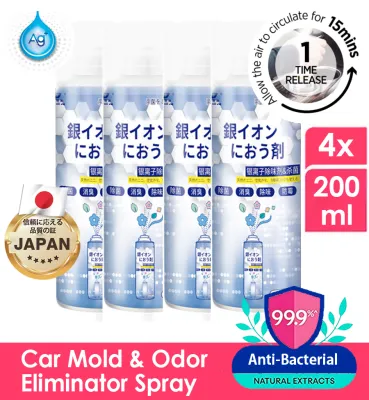
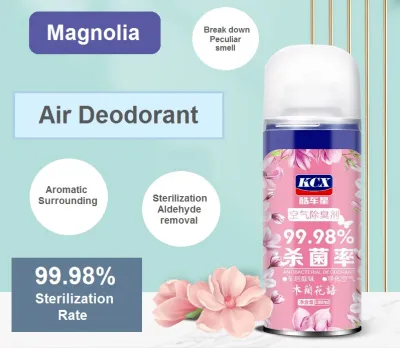
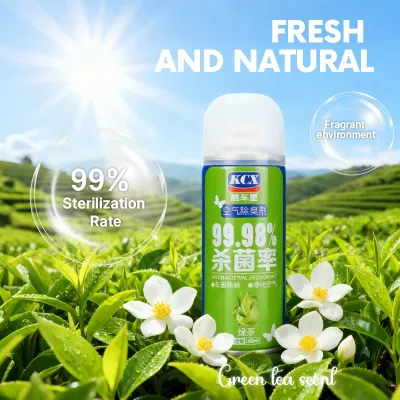
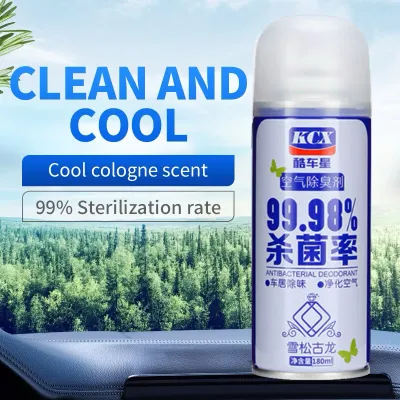
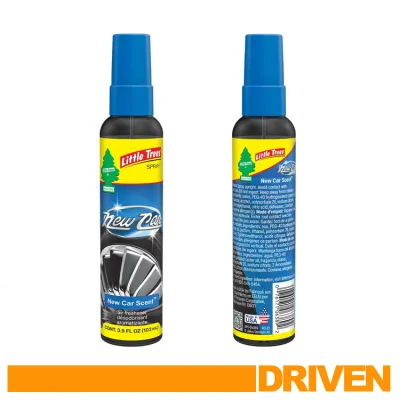
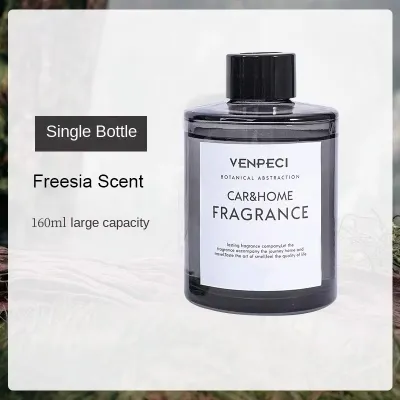
Prices are valid at publication and may change. Please refer to the product page for the latest price.
Relative humidity introduces another layer of complexity to cabin air quality. High moisture levels can trap organic odor molecules from sweat, damp umbrellas, or spilled food, making them more persistent. When a car air freshener spray is introduced into a highly humid cabin, the suspended moisture can affect how the fine mist disperses. Instead of remaining airborne, heavy droplets may quickly bind with atmospheric moisture and fall onto interior surfaces, potentially leaving damp residues on upholstery, carpets, and headliners, which can contribute to musty conditions.
Beyond performance, safety is a critical concern when storing and using spray products in hot vehicles. Many traditional aerosol sprays rely on pressurized hydrocarbon propellants to deliver a fine mist. When subjected to the intense heat of a closed car, the pressure inside these cans rises dramatically, creating a risk of leakage or valve failure. Liquid formulations with high alcohol content also present flammability hazards if exposed to extreme heat. Understanding these physical and chemical reactions is the first step in selecting a product designed to withstand tropical conditions.
Key Formulation Features to Check on the Label
When evaluating a car air freshener spray, the carrier liquid—the base ingredient that holds and disperses the fragrance—plays a major role in how the product performs in heat. Water-based formulations are highly common and generally offer a safer, more stable option for hot vehicle interiors. Because water has a higher boiling point and evaporates more slowly than alcohol, water-based sprays tend to release their scent more gradually in warm conditions, providing a more sustained effect.

Alcohol-based carriers, while effective at creating an immediate scent throw, evaporate almost instantly in tropical heat. This rapid evaporation can lead to an overwhelming initial fragrance that fades within minutes, requiring more frequent reapplication. Additionally, high concentrations of alcohol can dry out sensitive cabin materials over time if the mist frequently settles on them. Oil-based sprays utilize essential or synthetic oils to carry the fragrance. While oil-based formulations offer excellent longevity because oils do not evaporate easily, they carry a higher risk of leaving greasy residues on glass, plastics, and fabrics if not formulated specifically for fine-mist dispersion.
To ensure safety, always inspect the manufacturer’s label for explicit storage and operating temperature limits. Reputable brands typically print clear warnings indicating the maximum temperature the container can safely withstand. For vehicles parked in open lots, look for non-aerosol pump sprays rather than pressurized aerosol cans. Trigger sprays and mechanical pump bottles do not rely on pressurized propellants, eliminating the risk of pressure-induced container failures in a hot cabin. These mechanical systems deliver the formulation safely, regardless of how high the interior temperature climbs.
Scent Concentration and Odor Neutralization
The compact volume of a car cabin means that fragrance concentration must be carefully balanced. In a hot, enclosed space, highly concentrated perfumes can quickly become cloying and cause headaches or olfactory fatigue. When choosing a car air freshener spray, look for products that offer a light to moderate scent throw. The goal is to create a subtle background freshness rather than a heavy, suffocating mask.
A key distinction to look for on the ingredient list is the difference between simple masking fragrances and active odor neutralizers. Masking sprays merely overlay a strong perfume on top of existing bad smells, which often results in an unpleasant combination of competing odors in a humid environment. Active odor neutralizers, however, contain compounds that chemically interact with and neutralize odor-causing molecules. Look for labels that mention active ingredients like zinc ricinoleate, cyclodextrin, or bio-enzymatic agents. These ingredients bind to volatile sulfur compounds or organic acids—commonly responsible for sweat and food odors—and neutralize them, leaving the air truly clean before any light fragrance is introduced.
The choice of scent profile also significantly affects how comfortable the cabin feels in high humidity. Heavy, sweet, or warm scents—such as vanilla, heavy coconut, amber, or dense musks—tend to feel thick and suffocating when combined with high humidity. Instead, opt for crisp, clean, and refreshing scent profiles. Citrus notes (like lemon, bergamot, or grapefruit), herbal tones (such as eucalyptus, mint, or green tea), and light aquatic scents feel naturally cooling and airy, helping to make the humid cabin environment feel more open and refreshed.
Safety and Interior Material Compatibility
A car’s interior is composed of a wide variety of sensitive materials, including leather, vinyl, soft-touch plastics, and delicate headliner fabrics. Before applying any car air freshener spray, it is vital to read the manufacturer’s warnings regarding surface compatibility. Some formulations contain solvents, alcohol, or synthetic oils that can degrade plastic coatings, strip the natural oils from leather seats, or cause unsightly staining on light-colored fabrics.
Flammability is another critical safety factor to verify on the product label. If a spray contains flammable propellants or high percentages of isopropyl alcohol, it must be handled with extreme care. Avoid spraying these products near active electrical connections, such as USB chargers or auxiliary ports, or while anyone is smoking inside the vehicle. Ensuring the product is designated as non-flammable or low-VOC provides an extra layer of safety for daily use in a vehicle that is regularly exposed to direct sunlight.
To protect your vehicle’s interior from accidental damage, establish a strict spot-testing protocol before applying any new spray throughout the cabin. Select a small, hidden area of the material you intend to spray—such as the underside of a seat cushion, a low corner of the carpet, or an inconspicuous section of the door panel fabric. Apply a single, light spray to this test area and allow it to dry completely under normal cabin conditions. Once dry, inspect the area under good lighting for any signs of discoloration, color bleeding, fabric stiffening, or oily residue. If the material remains unchanged, the spray is generally safe for broader application on those specific surfaces.
Application and Maintenance Best Practices
To get the most out of your car air freshener spray without creating excess moisture, proper application technique is essential. Rather than spraying directly onto hard surfaces like the dashboard or leather seats, direct the spray toward the fabric footwells and carpets. These textile surfaces act as natural diffusers, holding the formulation safely and releasing the scent gradually as air circulates. Hold the bottle at least 30 centimeters away from the surface and use quick, firm pumps to ensure a fine, even mist. Avoid spraying the headliner directly, as excess moisture can weaken the adhesives holding the fabric to the roof over time.
Safe storage is equally important for maintaining the chemical stability and safety of the spray. Even if a pump spray is non-pressurized, storing it in areas exposed to direct sunlight—such as the dashboard or rear parcel shelf—can cause the ingredients to degrade rapidly under UV light and extreme heat. Instead, store the bottle in a shaded, cooler location within the vehicle, such as a deep door pocket or under a seat, provided these areas do not exceed the manufacturer’s recommended storage temperatures. If you park your vehicle in unshaded areas for extended periods, the safest practice is to remove the spray from the car entirely and store it in a temperature-controlled indoor environment.
Finally, integrate a brief ventilation routine into your application process to manage humidity and scent intensity. After spraying the footwells, start the vehicle and turn on the air conditioning. Set the system to fresh-air intake mode rather than recirculation for the first few minutes, and crack the windows slightly. This allows any excess moisture from the spray to escape, prevents a rapid buildup of humidity inside the cabin, and helps distribute the neutralized air evenly throughout the interior, leaving a clean, balanced, and comfortable atmosphere.
Frequently Asked Questions (FAQ)
Can I leave my car air freshener spray in the glovebox during the day?
Storing a car air freshener spray in the glovebox depends entirely on the container type and the manufacturer’s temperature guidelines. Pressurized aerosol cans should never be left in a glovebox, as temperatures inside a parked car can easily exceed the safe limits printed on the label, posing a risk of leakage or rupture. For non-aerosol pump sprays, check the label’s maximum storage temperature; if your vehicle is parked in direct sunlight for long hours, even a glovebox can become hot enough to degrade the active ingredients. When in doubt, store the spray in a cool, indoor location and only bring it to the vehicle for immediate use.
How often should I reapply the spray in a humid climate?
The reapplication frequency depends on the formulation type and how often you use your vehicle’s air conditioning. In a humid climate, scents tend to fade more quickly due to rapid evaporation and high moisture levels in the air. However, to avoid olfactory fatigue and prevent moisture buildup in cabin fabrics, avoid spraying daily. Instead, rely on the manufacturer’s instructions on the label, and consider reapplying only when you notice the background freshness has completely faded, typically once or twice a week. Prioritizing deep cleaning and vacuuming will also reduce the need for frequent spraying.
Will the spray leave stains on my car seats?
Some sprays can leave stains or oily rings, particularly on leather, suede, or light-colored fabrics, if they contain heavy carrier oils or synthetic dyes. To prevent damage, always read the product label to confirm compatibility with your specific seat materials. Avoid spraying directly onto seating surfaces; instead, target the floor carpets. Always perform a spot test on a hidden area of the upholstery first, allowing it to dry completely to verify that the formulation does not cause discoloration or leave a visible residue.

Community discussion
Share your experience or ask a question. Comments are reviewed before publication.