
A complete home car wash kit must contain three foundational elements: high-quality washing hardware to safely lift dirt, surface-specific automotive cleaners kits to dissolve road grime without stripping protective coatings, and dedicated drying accessories to prevent water spotting. Utilizing improper tools, such as household sponges or dish soaps, introduces micro-scratches—commonly known as swirl marks—and degrades the vehicle’s clear coat over time.
Maintaining a car’s finish at home requires a systematic approach that prioritizes paint safety and surface preservation. In tropical environments with high humidity, intense sunlight, and frequent rain, environmental contaminants like bird droppings and tree sap can quickly etch into the clear coat if not removed correctly. Equipping yourself with the right combination of tools and chemicals ensures that regular maintenance washes preserve your vehicle’s aesthetic appeal and resale value.
Essential Washing Hardware: Buckets, Mitts, and Water Delivery
The physical tools used to agitate and rinse away dirt form the first line of defense against paint damage. Standard cleaning tools often grind abrasive dirt particles back into the paint surface, creating fine scratches that dull the paint over time. Investing in specialized hardware prevents this friction-induced wear.
Products mentioned in this guide
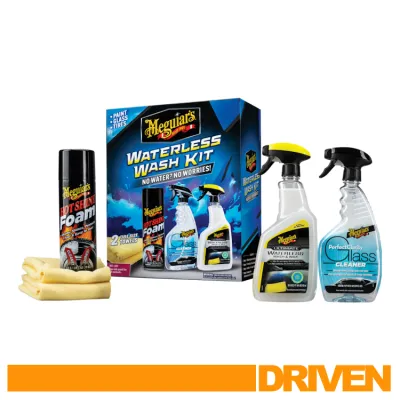
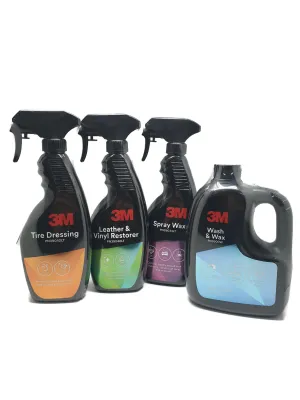
![[SG INSTOCKS DISTRIBUTOR] TORPEDO WAX CHROMIFIDE KIT CAR WAXING BUNDLE CLEANING GERMAN GERMANY](https://img.lazcdn.com/g/p/ed182176932a9066a1cf16b947e088d3.jpg_400x400q80.jpg_.webp)
Prices are valid at publication and may change. Please refer to the product page for the latest price.
The Two-Bucket Method and Grit Guards
Using a single bucket for your car wash is one of the most common causes of paint marring. A proper setup requires two separate buckets: one filled with clean, soapy water for washing, and another filled with plain water for rinsing your wash mitt. Before redipping your mitt into the clean soapy water, you must rinse it thoroughly in the rinse bucket to release the dirt particles it has just swept off the car.
To make this system effective, each bucket should be equipped with a grit guard. A grit guard is a radial plastic grid that sits at the bottom of the bucket. It acts as a baffle, trapping heavy dirt, sand, and road grit at the bottom of the bucket and preventing these abrasive particles from rising back into the water. When you plunge your wash mitt into the rinse bucket, agitating it against the grit guard safely frees the trapped debris, keeping your wash water clean.
Wash Mitts vs. Sponges
Traditional flat cellulose sponges should be avoided for automotive paint care. Because sponges have flat, non-porous surfaces, dirt particles get trapped between the sponge and the paint. As you wipe, these particles are dragged across the clear coat, acting like fine sandpaper.
In contrast, high-quality wash mitts made of microfiber, chenille, or natural lambswool feature a deep, plush pile. This deep pile is designed to absorb and lift abrasive particles away from the paint surface, holding them deep within the fibers until the mitt is rinsed. Microfiber and chenille mitts are highly durable and machine-washable, making them an excellent choice for regular maintenance, while lambswool offers maximum softness but requires careful hand-washing and air-drying to prevent degradation.
Hoses, Nozzles, and Pressure Washers
A standard garden hose paired with an adjustable, multi-pattern spray nozzle is entirely sufficient for regular home maintenance. The nozzle should offer a gentle shower or flat fan setting for pre-rinsing and a free-flowing stream for rinsing away soap suds. High-velocity jet settings should be used with caution, as they can force dirt particles sideways across the paint before they are fully lubricated and loosened.
For those looking to optimize their workflow, an entry-level electric pressure washer is a valuable addition. When using a pressure washer, always check the vehicle manufacturer’s guidelines regarding safe pressure limits, and ensure the machine operates within a safe range (typically between 110 and 130 bar for automotive use). Always use a wide-angle nozzle spray pattern (such as 25 or 40 degrees), maintain a safe working distance of at least 30 centimeters from the vehicle, and avoid spraying directly at delicate rubber door seals, aftermarket decals, or areas with chipped paint to prevent water intrusion or clear coat peeling.
Must-Have Automotive Cleaners and Chemicals
Using the correct chemical formulations is just as critical as using the right hardware. Different surfaces of a vehicle—such as the clear-coated paint, rubber tires, alloy wheels, and glass—have distinct chemical tolerances and cleaning requirements.

Car Wash Soap
Automotive car wash soaps are specifically formulated to provide high lubricity and a neutral pH balance. The high lubricity allows your wash mitt to glide effortlessly across the paint, minimizing friction while encapsulating dirt particles. These soaps clean effectively without stripping away existing protective layers, such as wax, polymer sealants, or ceramic coatings.
Household dish detergents, hand soaps, and multi-purpose cleaners should never be used on automotive paint. These household products are highly alkaline and designed to strip grease and oils. When applied to a car, they quickly strip away protective waxes, dry out rubber window seals, and accelerate the oxidation of plastic trim, leaving the vehicle vulnerable to UV damage and environmental staining.
Wheel and Tire Cleaners
Wheels are exposed to highly corrosive, hot metallic brake dust and harsh road grime that standard car soaps cannot easily dissolve. When selecting a wheel cleaner, it is important to match the chemical to your wheel finish. Acid-based cleaners are highly effective at dissolving heavy brake dust on bare, uncoated aluminum wheels, but they can permanently etch and ruin delicate clear-coated, painted, chrome, or anodized alloy wheels. For safety and versatility, choose a pH-neutral, color-changing iron remover that chemically bonds with iron particles, turning purple as it safely dissolves them without harming the wheel’s finish.
Tires require a different cleaning approach to address “blooming,” which is the brown discoloration caused by antiozonants migrating to the rubber surface to protect it from cracking. A dedicated tire cleaner or mild degreaser, combined with a stiff-bristle tire brush, is necessary to scrub away this brown oxidation and old tire dressings. Once clean and dry, applying a water-based tire dressing restores a deep black, satin finish without leaving a greasy residue that can sling onto the paint when driving.
Glass and Interior Cleaners
Standard household glass cleaners often contain ammonia, which poses a significant risk to automotive interiors. Ammonia chemically attacks and degrades aftermarket window tint films, causing them to bubble, peel, and discolor. Additionally, ammonia fumes can dry out and damage interior vinyl and leather trim. Always use a dedicated, ammonia-free automotive glass cleaner to ensure streak-free clarity and protect your window tints.
For the cabin, a gentle, UV-protectant interior detailer is essential for maintaining dashboards, door panels, and console plastics. Unlike heavy, silicone-based dressings that leave a shiny, greasy film that attracts dust and causes distracting windshield glare, modern interior detailers leave a clean, matte finish. These products contain UV inhibitors that help prevent plastic trim from fading and cracking under intense sunlight.
Drying and Detailing Accessories for a Streak-Free Finish
The washing process is not complete until the vehicle is safely dried. Allowing tap water to dry naturally on the paint leads to water spots, which are hard mineral deposits that can etch into the clear coat and require professional polishing to remove.
Drying Towels and Techniques
To dry a vehicle safely, use a large, plush microfiber drying towel featuring a twisted-loop or waffle-weave design. These designs maximize water absorption, allowing a single towel to dry an entire mid-sized vehicle without becoming saturated. Avoid using old bath towels or chamois leathers; bath towels lack the softness required for automotive paint, and chamois leathers can trap dirt against the paint, leading to scratches.
To minimize friction during the drying process, apply a dedicated drying aid or a quick detailer spray to the wet panels before wiping. This spray adds an extra layer of lubrication, allowing the drying towel to glide smoothly over the surface while adding a subtle boost of gloss. For glass surfaces, use a separate, low-pile microfiber glass towel to prevent linting and ensure a completely streak-free view.
Detailing Brushes and Air Blowers
Standard wash mitts are often too bulky to clean intricate areas such as badging, grilles, window tracks, lug nut wells, and interior air vents. Soft-bristle detailing brushes—made from natural boar’s hair or ultra-soft synthetic fibers—allow you to safely agitate dirt in these hard-to-reach crevices without scratching surrounding surfaces.
Once the main panels are towel-dried, water often remains trapped in side mirrors, door handles, light housings, and panel gaps, slowly dripping out and creating unsightly streaks as you drive. A dedicated, filtered automotive air blower or a high-velocity hand-held dryer is an excellent tool for forcing water out of these hidden crevices. Using filtered air ensures that no dust or debris is blown onto the clean paint during the process.
Optional Upgrades for Advanced Home Maintenance
For car enthusiasts who want to elevate their home care routine beyond basic washing, incorporating advanced decontamination and protection tools can yield professional-grade results.
Clay Bars and Synthetic Clay Mitts
Even after a thorough wash, paint can still feel rough to the touch due to bonded contaminants like industrial fallout, tree sap, asphalt tar, and overspray. A clay bar or synthetic clay mitt is used to mechanically pull these embedded contaminants out of the clear coat. Always use a dedicated clay lubricant to allow the clay to glide smoothly over the paint; never dry-rub clay on a vehicle. This process leaves the paint perfectly smooth, creating an ideal surface for protective waxes or sealants to bond.
Spray Waxes, Sealants, and Ceramic Sprays
Once the paint is clean and decontaminated, applying a protective layer is crucial for shielding the clear coat from UV rays, acid rain, and bird droppings. Modern spray-on products offer exceptional performance with minimal effort compared to traditional paste waxes.
- Spray Waxes: Provide a quick, warm carnauba gloss but typically offer the shortest protection window, requiring reapplication every few weeks.
- Synthetic Sealants: Utilize man-made polymers to deliver longer-lasting protection, often resisting environmental wear for several months.
- Ceramic Sprays: Infused with silicon dioxide (SiO2), these sprays offer extreme water-beading (hydrophobic) properties and durable protection, making future washes much easier as dirt struggles to stick to the slick surface.
Foam Cannons
If you use a pressure washer, a foam cannon is a highly effective upgrade. It mixes car wash shampoo with pressurized water and air to create a thick, shaving-cream-like foam that clings to the vehicle. This clinging foam dwells on the paint, softening and encapsulating heavy road grime and dirt before you ever touch the car with a wash mitt. This touchless pre-wash step significantly reduces the risk of dragging heavy dirt across the paint during the hand-wash phase.
Pre-Packaged Kits vs. Building Your Own: How to Choose
When establishing a home car care routine, you must decide whether to purchase a pre-assembled kit or source each tool and chemical individually. Both approaches have distinct advantages and trade-offs depending on your budget, experience level, and specific vehicle needs.
Evaluating Pre-Packaged Kits
Pre-packaged automotive cleaners kits offer unmatched convenience and are generally more cost-effective than buying every component separately. They provide a cohesive set of chemicals designed to work together, making them an excellent choice for beginners who want to start washing their cars immediately without researching individual product compatibilities.
However, pre-packaged kits often come with limitations. To keep retail prices competitive, manufacturers may include lower-quality, thin microfiber towels that are prone to scratching, or small “trial-sized” bottles of specialized chemicals that run out quickly. Furthermore, many commercial kits focus heavily on chemical bottles while completely omitting essential hardware like sturdy wash buckets, grit guards, or high-absorption drying towels.
Building a Custom Kit
Building a custom kit allows you to select high-quality components tailored specifically to your vehicle’s materials. If your car features delicate matte wheels, custom leather upholstery, or aftermarket window tints, you can select specialized, high-performance chemicals for those areas while skipping products you do not need. This approach also allows you to invest in durable, professional-grade hardware—such as heavy-duty buckets with robust grit guards and premium, edgeless microfiber towels—that will outlast cheap kit inclusions.
The primary trade-off of building a custom kit is the higher initial cost and the time required to research and source products from different brands. However, the long-term performance, paint safety, and durability of the tools often make this the more economical choice over time.
Checklist for Assessing Kit Value
If you decide to evaluate a pre-packaged kit, use the following criteria to determine if it offers genuine value or if it is padded with low-quality filler items:
- Microfiber Quality: Check the fabric specifications. Look for towels with a GSM (grams per square meter) rating of at least 300 for general cleaning and 500+ for drying. Ensure the towels feature silk-banded or edgeless borders to prevent paint marring.
- Bucket and Grit Guard Inclusion: Verify if the kit includes at least one heavy-duty wash bucket and a compatible grit guard. If not, factor in the additional cost of purchasing these separately.
- Chemical Transparency: Ensure the included chemicals are clearly labeled with their specific uses and pH levels. Avoid kits that rely on a single "all-purpose" cleaner for every surface, as these are often too harsh for delicate interior materials or too weak for tough wheel grime.
- Product Sizes: Check the fluid ounce or milliliter measurements of the bottles. Some kits look complete in photos but actually contain small, single-use sample bottles rather than full-sized maintenance products.
Frequently Asked Questions (FAQ)
Can I use household dish soap to wash my car in an emergency?
No, you should avoid using household dish soap even for a single wash. Dish soap is formulated with aggressive surfactants designed to strip heavy grease and food residue from ceramic and metal cookware. On a vehicle, these chemicals strip away protective waxes and paint sealants, dry out delicate rubber window seals, and accelerate the oxidation of plastic trim. Using dish soap leaves your paint completely unprotected against UV rays and environmental contaminants, requiring immediate re-waxing to restore protection.
How often should I wash my car at home?
For vehicles driven regularly, a maintenance wash once every one to two weeks is highly recommended. In tropical regions like Singapore, frequent rain showers, high humidity, and intense sunlight can cause environmental contaminants—such as acidic bird droppings, tree sap, and industrial fallout—to bond and etch into the clear coat very quickly. Promptly washing your car removes these hazards before they can cause permanent paint damage that requires costly compounding or repainting.
Do I need a pressure washer for a complete home car wash kit?
No, a pressure washer is not a mandatory requirement for an effective home car wash kit. A standard garden hose equipped with a high-quality, adjustable spray nozzle provides more than enough water volume and pressure to safely rinse away loose dirt and soap suds. While a pressure washer is a highly convenient upgrade that allows you to use a foam cannon and speed up the pre-wash process, excellent, swirl-free results can be achieved using the traditional two-bucket hand-wash method with a standard hose.
Community discussion
Share your experience or ask a question. Comments are reviewed before publication.