
When shopping for a portable tire inflator, you might see models boasting maximum pressure ratings of 120, 150, or even 200 PSI. However, your car’s actual tires likely require only a fraction of that capacity. To safely and efficiently inflate standard passenger car tires, a portable tire inflator with a maximum rating of 100 to 120 PSI is more than sufficient.
While the maximum PSI rating is a prominent marketing feature, it does not dictate how quickly or effectively the device will inflate your specific tires. Understanding the relationship between your vehicle’s recommended tire specifications and the capabilities of a portable pump ensures you choose a reliable tool without overpaying for unnecessary specifications.
Understanding Recommended Tire Pressure vs. Inflator PSI Ratings
Standard passenger cars, compact hatchbacks, and crossovers typically require a recommended cold tire pressure between 30 and 35 PSI. Some larger vehicles, such as mid-sized SUVs or light commercial vehicles common on Singapore roads, may require slightly higher pressures, often ranging from 35 to 45 PSI. You must always verify the exact pressure requirements for your specific vehicle model and year by checking the manufacturer’s documentation or the tire information placard.
Products mentioned in this guide
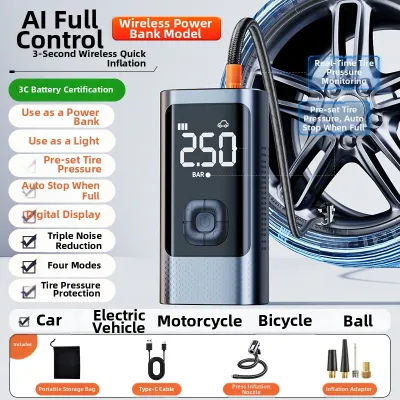
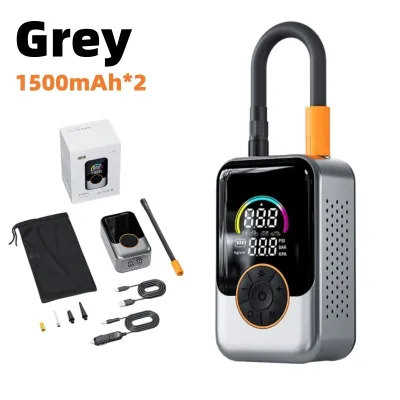
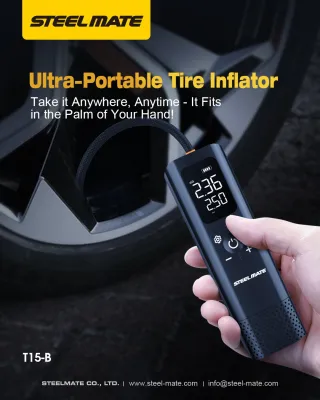
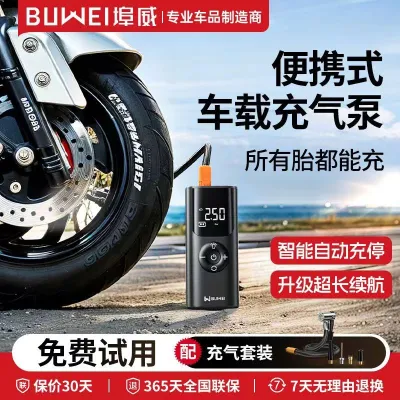
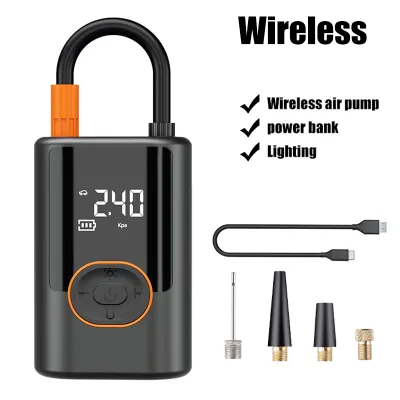
![[SG Seller]Portable Car Electric Inflator portable air pump car electric pump wireless air pump car electric pump](https://img.lazcdn.com/g/p/d677663d51cb85f8e14ed010b0fcde74.jpg_400x400q80.jpg_.webp)
Prices are valid at publication and may change. Please refer to the product page for the latest price.
An inflator’s “Max PSI” represents the absolute peak pressure the pump’s motor and cylinder can generate under zero-flow conditions, not the target pressure you should aim for. For example, a compact pump rated at 150 PSI is not designed to fill a car tire to 150 PSI. Instead, that high-pressure ceiling indicates the mechanical limit of the pump’s internal components.
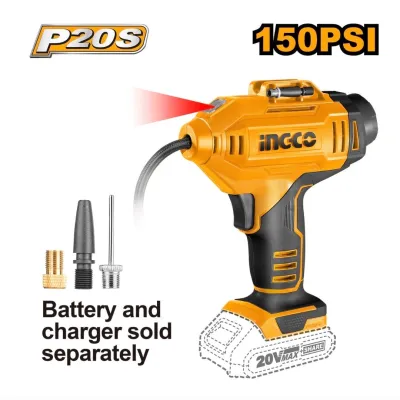
A higher Max PSI does not automatically translate to a better or faster inflator for daily automotive use. Extremely high PSI ratings, such as 150 PSI or more, are generally engineered for high-pressure, low-volume applications like road bicycle tires, or heavy-duty commercial truck tires. For standard passenger cars, prioritizing a pump with a massive PSI rating is a common misstep. Instead, focusing on how much air the pump can move at your vehicle’s specific target pressure yields a far better real-world experience.
Key Performance Specs to Check Beyond Maximum PSI
To select an efficient portable tire inflator, you must evaluate several secondary specifications that dictate real-world speed, reliability, and convenience. In Singapore, portable tire inflators generally range in price from entry-level S$30 models to premium S$120 cordless units featuring advanced digital sensors.

Airflow Speed (L/min or CFM) The volume of air delivered per minute, measured in liters per minute (L/min) or cubic feet per minute (CFM), determines how fast a tire fills. A higher airflow rating is far more important for reducing roadside wait times than a high maximum PSI. For instance, a pump with a 35 L/min flow rate will inflate a flat tire significantly faster than a 15 L/min pump, even if both are rated at 120 PSI.
Duty Cycle and Thermal Limits The duty cycle refers to the amount of time an inflator can run continuously before it must be turned off to cool down. A typical portable inflator might have a duty cycle of 10 minutes of continuous use at 40 PSI, followed by a mandatory 15-minute cooling period. Ignoring these manufacturer-specified cooling intervals can lead to rapid heat buildup and permanent motor burnout. This limit is especially critical if you need to top up all four tires sequentially or inflate a completely flat tire.
Power Source Constraints Portable inflators generally fall into two categories: 12V DC auxiliary plug-ins (cigarette lighter models) and cordless rechargeable battery models. A 12V corded model provides consistent power but requires your vehicle’s engine to be running during operation to prevent draining the car battery. Cordless battery-powered models offer excellent portability but require diligent monitoring of battery health, and they tend to generate more internal heat, which can shorten their continuous run time.
Auto Shut-off and Preset Accuracy A reliable digital auto shut-off feature is highly recommended for safety and convenience. This system allows you to preset your target pressure, automatically stopping the pump once that threshold is reached. This prevents dangerous over-inflation and ensures you achieve the precise pressure recommended by your vehicle manufacturer without constantly stopping to check a manual gauge.
How to Verify Tire Specs and Inflate Safely
Operating a portable tire inflator safely requires following a structured workflow and respecting the mechanical limits of both your vehicle and the inflation equipment.
Before starting, locate the manufacturer’s recommended cold tire pressure. This information is typically printed on a placard inside the driver-side door B-pillar or detailed in your owner’s manual. Never use the “Max Press” or “Max Inflation Pressure” number molded directly onto the tire sidewall. That figure represents the absolute structural limit the tire can safely hold under maximum load, not the daily operating pressure determined by your car’s suspension and weight distribution.
Next, check your inflator’s instruction manual to verify compatibility with your tire dimensions. Many compact 12V pumps are only rated to inflate tires up to a specific size, such as 195/65R15 or 225/60R17. Attempting to use an undersized, low-volume pump on large SUV or light truck tires forces the motor to run past its thermal limits, causing severe overheating and potential pump failure.
During the inflation process, actively monitor the temperature of both the tire valve and the inflator housing. If the pump casing becomes excessively hot to the touch or if you reach the limit of the manufacturer’s specified duty cycle, switch the unit off immediately and allow it to cool completely. Always refer to your specific vehicle documentation and the inflator’s safety guidelines. If you encounter conflicting instructions or are unsure of compatibility, stop immediately and consult a qualified automotive professional.
Frequently Asked Questions (FAQ)
Can I use a car tire inflator for bicycle or motorcycle tires?
Yes, most portable car tire inflators can be used for motorcycle tires, as they share the same standard Schrader valve interface and operate at similar pressure ranges. However, inflating high-pressure road bicycle tires, which often require 80 to 120 PSI, requires verifying that your inflator’s maximum PSI rating can safely reach those levels. Additionally, road bicycles typically use Presta valves, meaning you must verify that the inflator includes a Presta valve adapter or purchase one separately before use.
Why does my portable inflator shut off before reaching the target PSI?
Premature shut-off usually occurs due to one of three common issues. First, the pump’s internal thermal protection may have triggered because the unit exceeded its maximum duty cycle and overheated. Second, if you are using a 12V model, the vehicle’s accessory socket may not be supplying sufficient voltage, which often happens if the car engine is not running. Finally, heat buildup inside the air hose can cause the auto shut-off sensor to misread the backpressure, falsely indicating that the tire has reached the target pressure when it is actually still under-inflated.
Community discussion
Share your experience or ask a question. Comments are reviewed before publication.