
To properly inflate car and motorcycle tires, you do not need an industrial-grade machine, but you do need an air compressor pump that balances pressure (PSI) and airflow volume (CFM). For most passenger vehicles and two-wheelers, a compressor with a maximum rating of 90 to 120 PSI is ideal. However, the speed of inflation is determined by its airflow rate, measured in Cubic Feet per Minute (CFM). For passenger cars, look for a unit delivering 1.5 to 2.5 CFM at 90 PSI. Because motorcycle and scooter tires hold a much smaller volume of air, they are far less demanding; a compressor delivering 0.5 to 1.0 CFM will easily suffice.
Before purchasing or operating any inflation equipment, always consult your vehicle’s owner’s manual or the tire placard (usually located on the driver’s door pillar) to verify the exact recommended cold inflation pressure. Safety is paramount when working with pressurized systems; never exceed the maximum inflation pressure molded onto the tire’s sidewall, and read the compressor manufacturer’s instructions before use.
Decoding Air Compressor Pump Specs: PSI vs. CFM
When shopping for an air compressor pump, it is easy to get lost in marketing jargon. Manufacturers often highlight the maximum pressure rating in bold letters, but this number only tells half the story. Understanding how pressure and airflow work together is key to choosing a tool that fits your routine maintenance needs without causing frustration.
Products mentioned in this guide
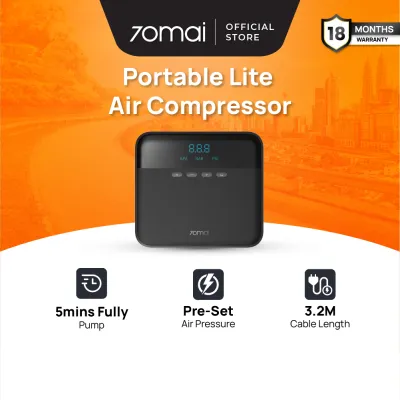
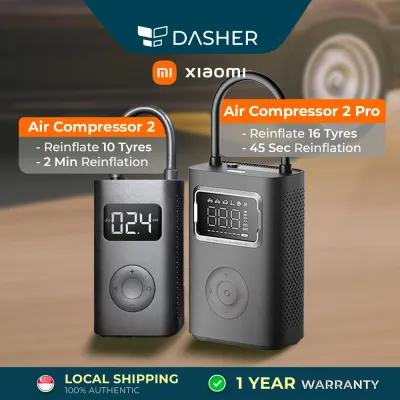
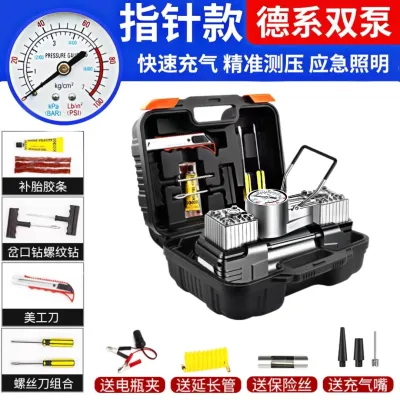
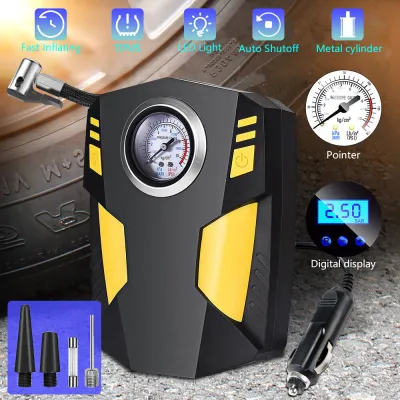
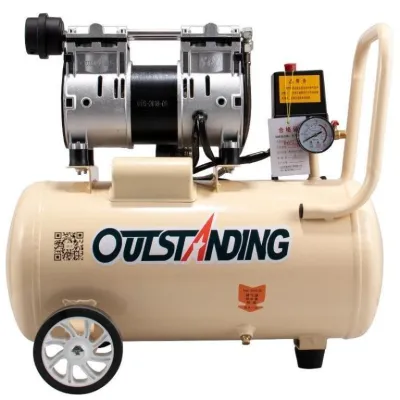
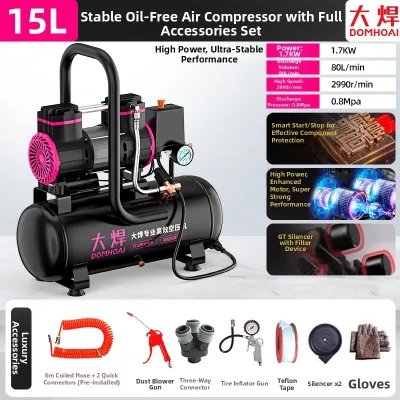
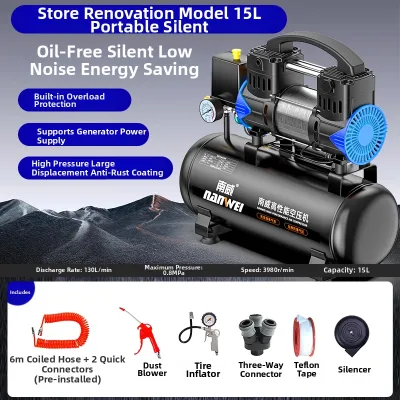
Prices are valid at publication and may change. Please refer to the product page for the latest price.
PSI, or Pounds per Square Inch, measures the force of the air. It represents the maximum pressure the pump can generate to push air into a vessel. If your car tire requires 32 PSI, your compressor must produce a higher pressure than 32 PSI to force air past the tire valve. If the compressor’s output is too close to the tire’s target pressure, the rate of airflow will slow to a crawl as the pressures equalize.
CFM, or Cubic Feet per Minute, measures the volume of air the compressor delivers at a specific pressure. While PSI determines whether the compressor can fill the tire, CFM determines how fast it gets the job done. A common misconception is that a higher PSI rating automatically translates to faster inflation. In reality, a compact pump rated at 150 PSI with a tiny 0.5 CFM output will take significantly longer to inflate a flat car tire than a larger unit rated at 90 PSI but boasting a 2.0 CFM output. When choosing a compressor, always look at the CFM rating at a standard working pressure (typically 90 PSI) rather than focusing solely on peak pressure.
Ideal PSI and CFM Targets for Car and Motorcycle Tires
To ensure a smooth inflation process, a good rule of thumb is to select a compressor with a working PSI that is at least 10 to 20 PSI higher than your target tire pressure. This buffer ensures that the pump maintains a steady, efficient flow of air even as the tire nears its recommended pressure, preventing the motor from straining.

Passenger Car Tires
Standard passenger cars, compact SUVs, and crossovers typically require tire pressures ranging between 30 and 35 PSI under normal driving conditions. To service these tires efficiently, especially when inflating a completely flat tire, a compressor with a maximum rating of 90 to 120 PSI is highly recommended.
For the airflow rate, aim for a compressor that delivers 1.5 to 2.5 CFM at 90 PSI. This range strikes an excellent balance between physical size and inflation speed. With these specifications, topping up a tire that has dropped by 5 PSI will take less than a minute, while filling a standard car tire from flat to 32 PSI will generally take around three to five minutes. Choosing a unit below 1.5 CFM for car tires is acceptable for occasional emergency top-ups, but it will result in noticeably longer wait times and increased heat buildup in the pump.
Motorcycle and Scooter Tires
Two-wheelers, including motorcycles and scooters, generally require tire pressures between 28 and 36 PSI, depending on the vehicle’s weight and load conditions. While the pressure requirements are remarkably similar to passenger cars, the physical volume of air inside a motorcycle tire is vastly smaller.
Because of this low air volume, you do not need a high-flow compressor. A rating of 0.5 to 1.0 CFM is perfectly adequate and will still inflate a motorcycle tire from flat in just a couple of minutes. The pressure threshold, however, remains the same: you still want a compressor capable of reaching at least 90 PSI to ensure it can easily overcome the tire’s internal pressure as it fills. This lower volume requirement makes highly portable, compact pumps incredibly practical for motorcyclists, as they can easily be packed into a pannier or under-seat storage compartment.
How Tank Capacity and Duty Cycle Affect Inflation
Beyond pressure and airflow, the physical design of the compressor—specifically its tank size and duty cycle—plays a massive role in how the machine behaves during use. These factors determine whether you can inflate all your tires in one continuous session or if you will be forced to pause and wait for the equipment to catch up.
Tankless compressors, often referred to as portable inflators, do not store compressed air in a reservoir. Instead, the motor runs continuously to pump air directly into the tire. While these units are exceptionally compact, they inflate tires slower because they rely entirely on the real-time output of the small motor. In contrast, compressors with small tanks (ranging from 1 to 6 gallons, or approximately 3.8 to 22.7 liters) store pressurized air beforehand. When you pull the trigger, you get a rapid, high-volume burst of air from the tank, allowing for fast inflation. Once the tank pressure drops, the motor kicks in to rebuild the air reserve.
Another critical specification is the duty cycle, which is expressed as a percentage. The duty cycle represents the amount of time a compressor can run within a specific period (usually 10 minutes) before it must shut down to cool. For example, a compressor with a 50% duty cycle can run continuously for 5 minutes but must then rest for 5 minutes. If you plan to inflate all four car tires back-to-back, a low duty cycle unit may overheat. For routine maintenance on multiple vehicles, look for a unit with at least a 50% to 100% duty cycle, and always consult the manufacturer’s manual for cooling guidelines to protect your equipment.
Practical Compressor Choices for Singapore Parking and Storage
In Singapore, urban living conditions heavily influence the type of air compressor pump that makes practical sense. With the majority of residents living in High-Commission (HDB) flats or private condominiums, space is at a premium, and traditional, bulky workshop compressors with large tanks are rarely feasible.
For local drivers and riders, compact, tankless 12V DC units or small 230V AC portable compressors are the most sensible choices. A 12V DC unit plugs directly into your vehicle’s cigarette lighter socket, making it an invaluable tool for roadside emergencies or quick top-ups in your estate’s Multi-Storey Car Park (MSCP). These units are small enough to sit permanently in your car boot. Alternatively, if you have access to a power outlet in a private garage or ground-floor parking space, a compact 230V AC unit offers faster inflation speeds without taking up significant storage space.
Noise is another critical factor to consider in densely populated residential areas. Operating a loud, vibrating compressor inside an enclosed MSCP or near ground-floor residential units can quickly disturb your neighbors. When shopping, pay close attention to the decibel (dB) rating of the air compressor pump. Standard compressors can easily exceed 80 dB, which is loud enough to echo uncomfortably in concrete structures. Look for “ultra-quiet” or “silent” models that operate under 60 to 65 dB to ensure you can maintain your tires at any time of day without causing a public nuisance.
Frequently Asked Questions (FAQ)
Can I use a 12V portable tire inflator instead of a standard air compressor?
Yes, you can use a 12V portable tire inflator for routine tire maintenance, but it is important to understand its limitations. These compact devices are designed for convenience, portability, and emergency roadside use. They typically have a low CFM rating, meaning they will take significantly longer to inflate a tire from completely flat compared to a standard AC-powered workshop compressor. While they are perfect for topping up a few PSI or inflating motorcycle tires, they are not built for heavy-duty tasks, continuous back-to-back usage on multiple large vehicles, or operating pneumatic tools.
What is the difference between max PSI and working PSI?
Max PSI is the absolute peak pressure that the air compressor’s pump or tank can safely hold under laboratory conditions, and it is often the headline number used in marketing. Working PSI, on the other hand, is the actual, continuous pressure delivered through the hose to your tire during operation. When inflating tires, the working PSI and the corresponding CFM at that pressure are much more important than the max PSI. Always base your purchasing decision on the CFM delivered at standard working pressures (such as 40 or 90 PSI) to ensure the unit has the actual performance needed for your vehicles.
Community discussion
Share your experience or ask a question. Comments are reviewed before publication.